
Dry Fly Fishing Course
Prospecting
Introduction
Now that we’ve covered insects, types of water, and the finer points of presentation, it’s time to turn our attention to what happens on the water when we fish. As is always the case in dry fly fishing, the fish will tell us what to do. Sometimes we go to the river and some sort of hatch is underway and the fish are rising. A higher percentage of the time, however, we’ll get to the river and nothing will be rising. Perhaps there are no bugs or only a few bugs on the water—not enough to get eating going on the surface. In this case, the dry fly angler turns to prospecting.
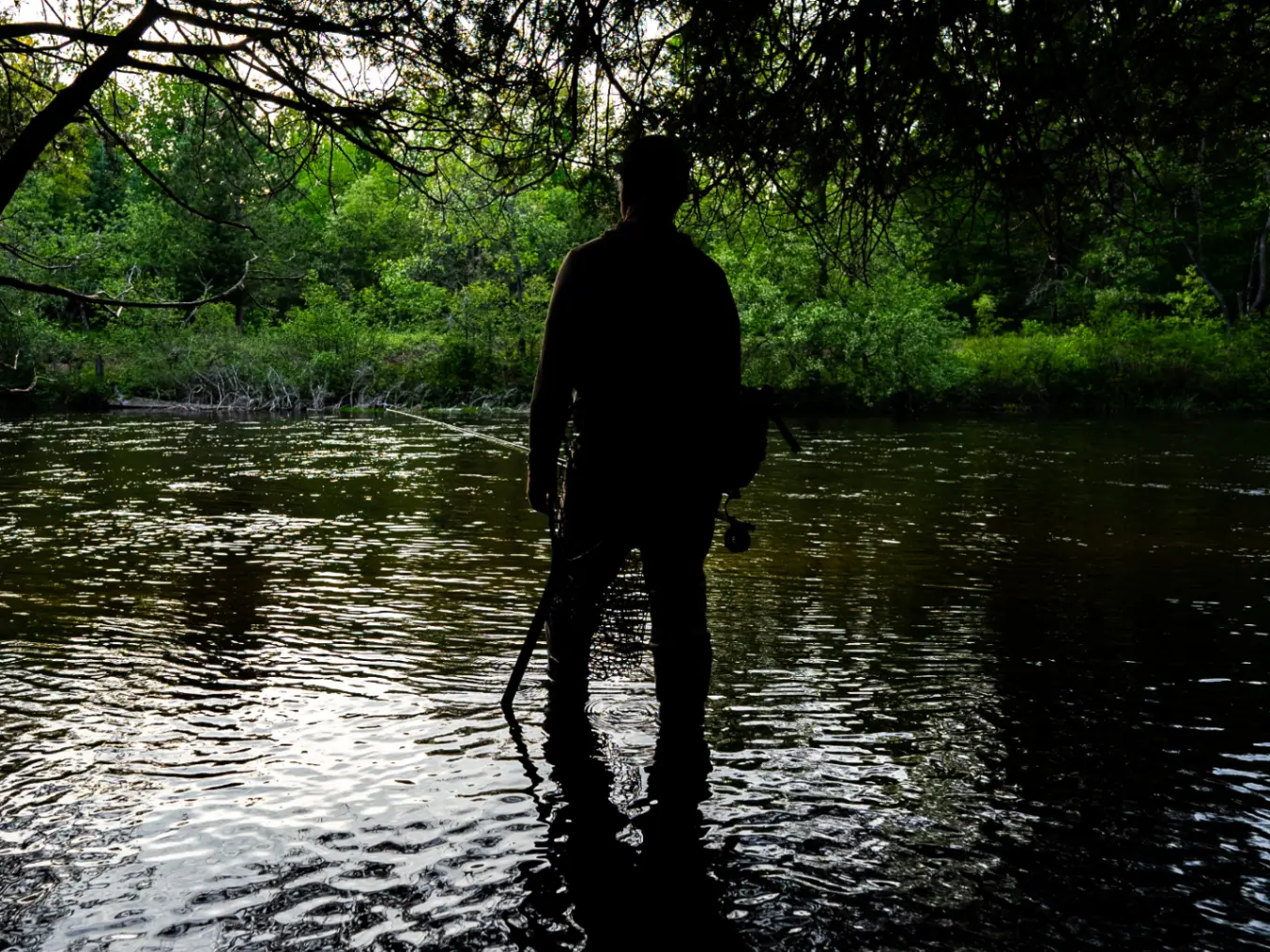
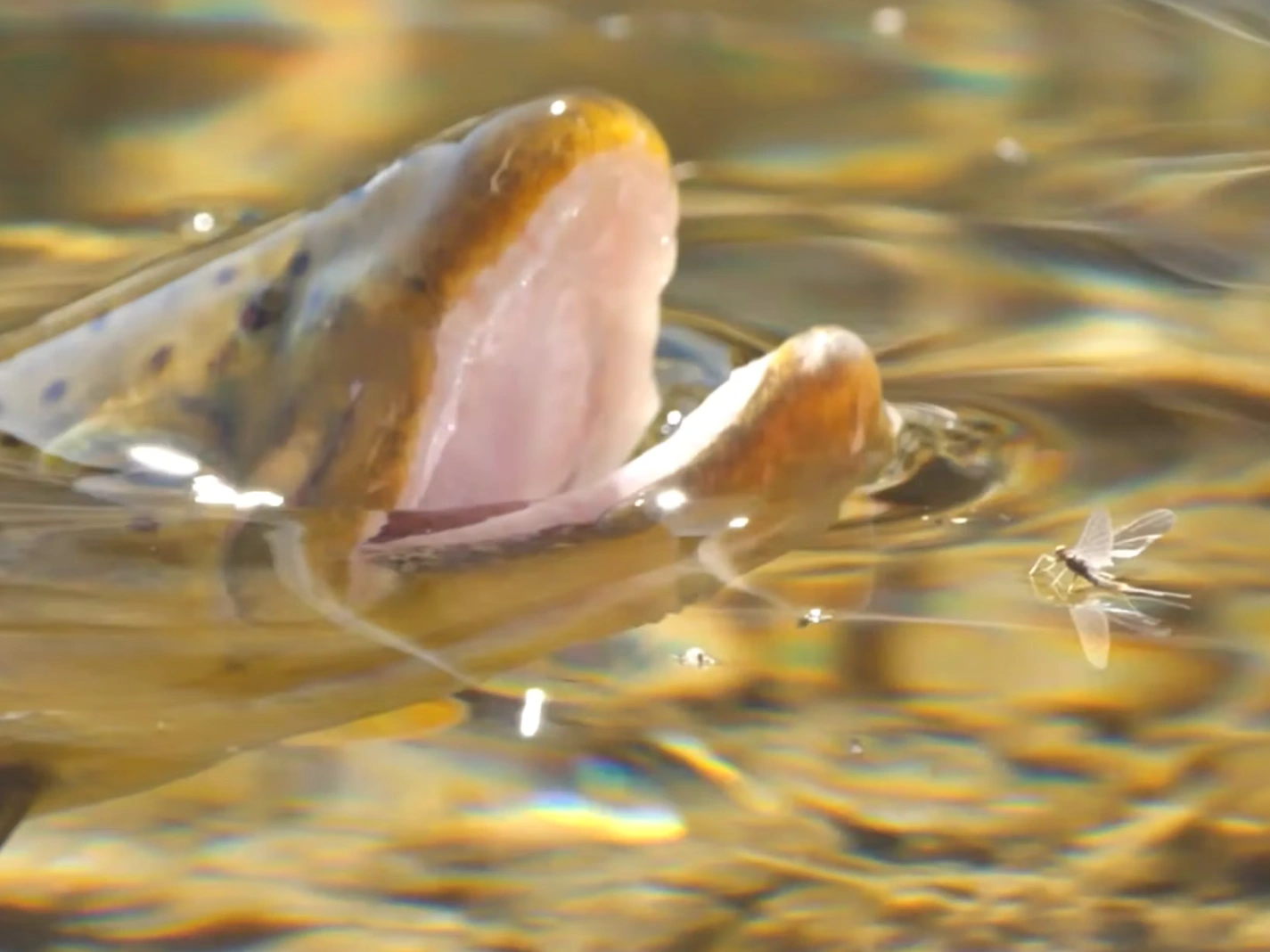
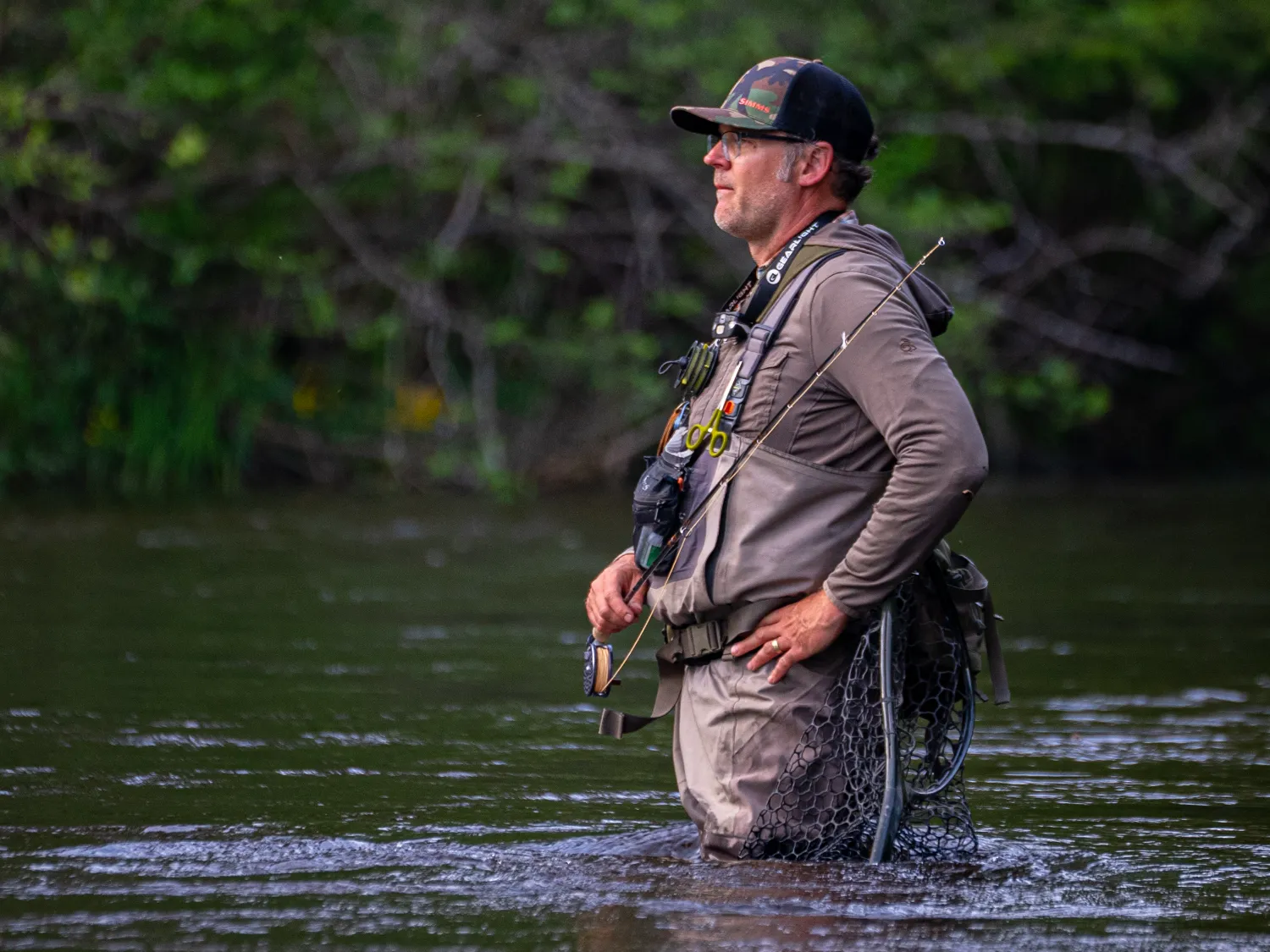
Prospecting refers to casting a fly to likely pieces of water when no fish are visibly rising. Though prospecting is a very common approach today, this wasn’t always the case. On the chalk streams of England where dry fly fishing was modernized and codified, British anglers called this approach “blind casting,” and it was considered unsporting and even illegal. Of course, since the chalk streams of that era were legendary bug and fish factories, anglers typically didn’t need to wait long for a pod of fish to rise.
That all changed when fly fishing crossed the Atlantic Ocean. When New World dry fly anglers started to ply the freestone rivers of the Catskill Mountains, they noticed that hatches were less frequent, less intense, and less sustained than in the biologically rich spring creeks of the Old Country. If an angler waited for a rise form to begin fishing, they might be waiting a very long time indeed. These anglers quickly discovered that fish who might not be actively rising were nonetheless amenable to a well-presented dry fly. Free from the cultural constraints of English gentility, they started a new way of dry fly fishing: prospecting. Thus was born the Catskills-style dry fly, which, compared to its Old World predecessors, was much more aggressively hackled and therefore floated higher on the water. This style of fly allowed the New World anglers to cast again and again over the turbulent waters of New England streams as they searched for willing fish. The legacy of those anglers continues today.
Trout University
The Best Way to Master Fly Fishing for Trout
Everything you need to learn how to fly fish for trout.
From fly selection to presentation and location, all in one place.
8 Premium Courses
15 Video Classes
1-2hr Power Classes on Key Subjects and solidify your learnings
6 Streamside Courses
10+ Hours of Fishing to See Our Methods in Action
Why Prospect?
Reasons Prospecting is Worth Your Time
There are plenty of reasons to prospect when no fish are rising. The first and best reason is that you just want to experience the pleasure of fishing a dry fly. Aside from that, however, there are several reasons why the omnivorous angler—that is, the angler who fishes all methods without bias—might want to prospect with a dry fly instead of fishing a nymph or streamer when fish aren’t rising.
Covering ground, moving fast
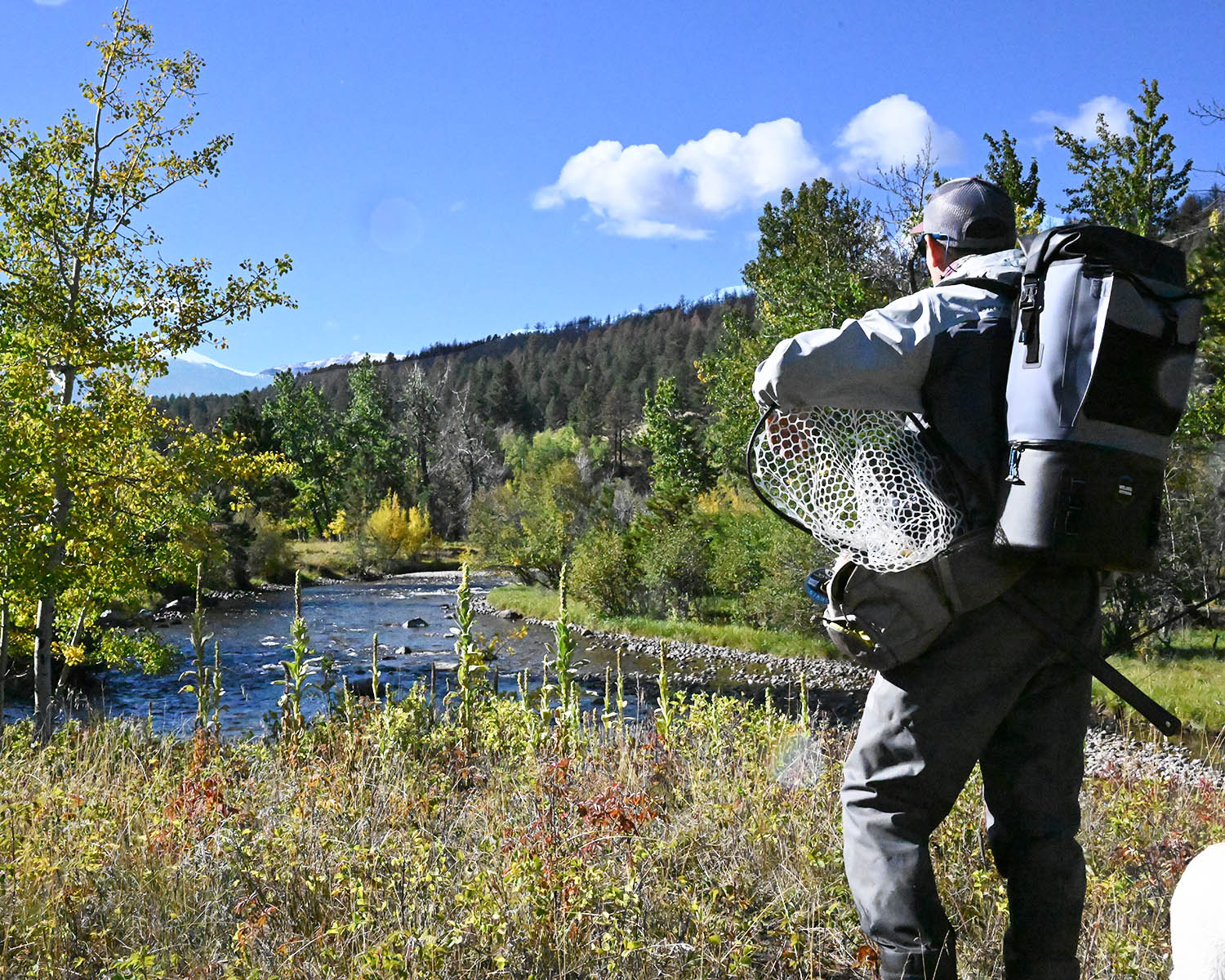
When prospecting, you can move as quickly as you want to, dropping strategic drifts into the best looking spots as you look for aggressive fish.
Low Water
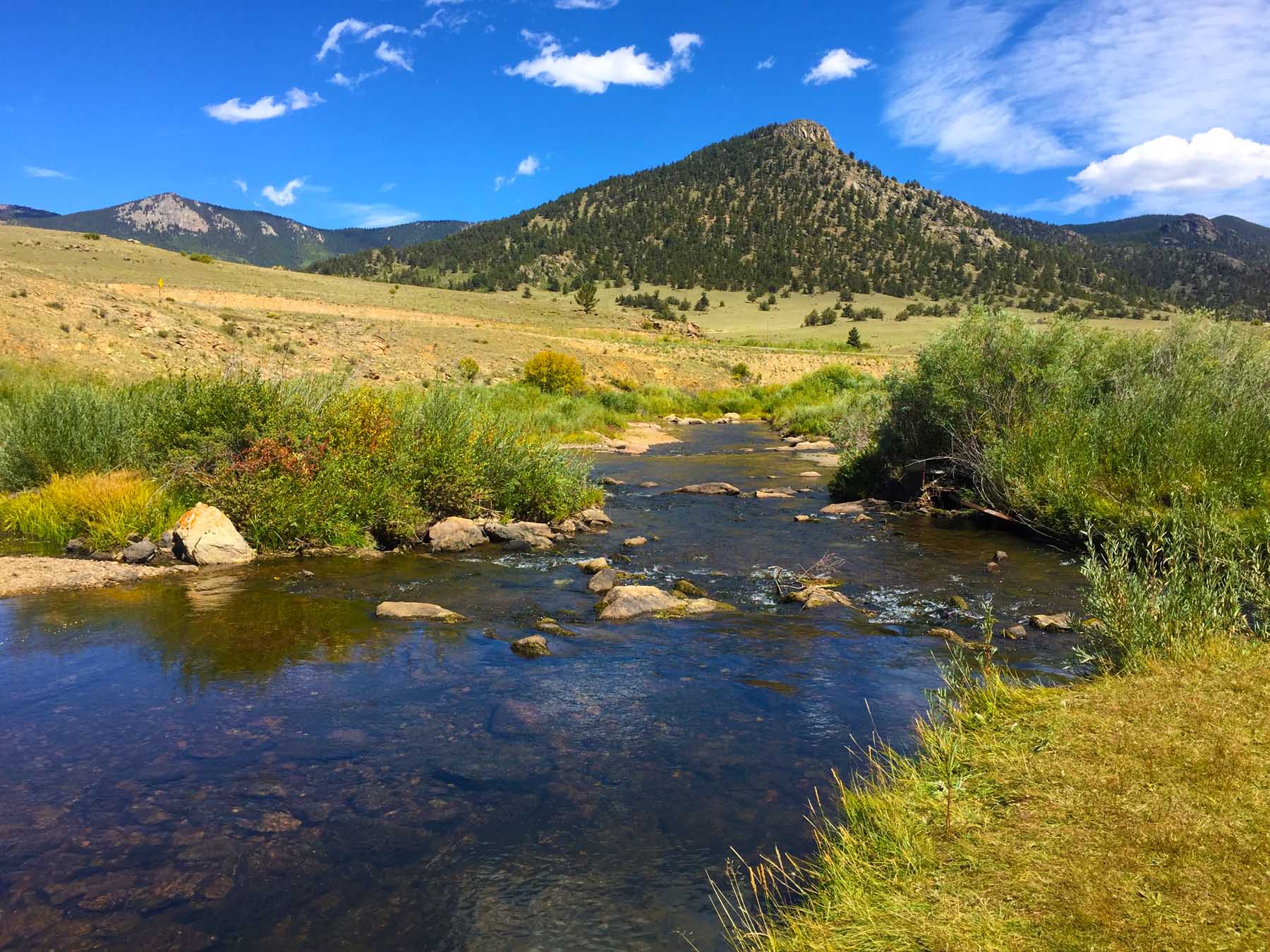
Low water requires stealthy presentations at distance, and it’s more difficult to accomplish this with weighted offerings like nymphs and streamers, which land with a plunk. The dry fly angler, however, can sneak up on fish from a good ways off.
Another reason low water is excellent for the prospecting dry fly angler: it decreases the vertical distance between a given trout and all types of surface food. High water, on the other hand, increases vertical distance, and is typically associated with poorer dry fly fishing.
Underwater wood and weeds
Fishing gnarly logjams or underwater vegetation is impossible with a nymph and it can also be hazardous going into these zones with a streamer. A dry fly, however, can skirt above any and all underwater obstacles as it lures trout of the thick stuff to eat.
When big bugs are present
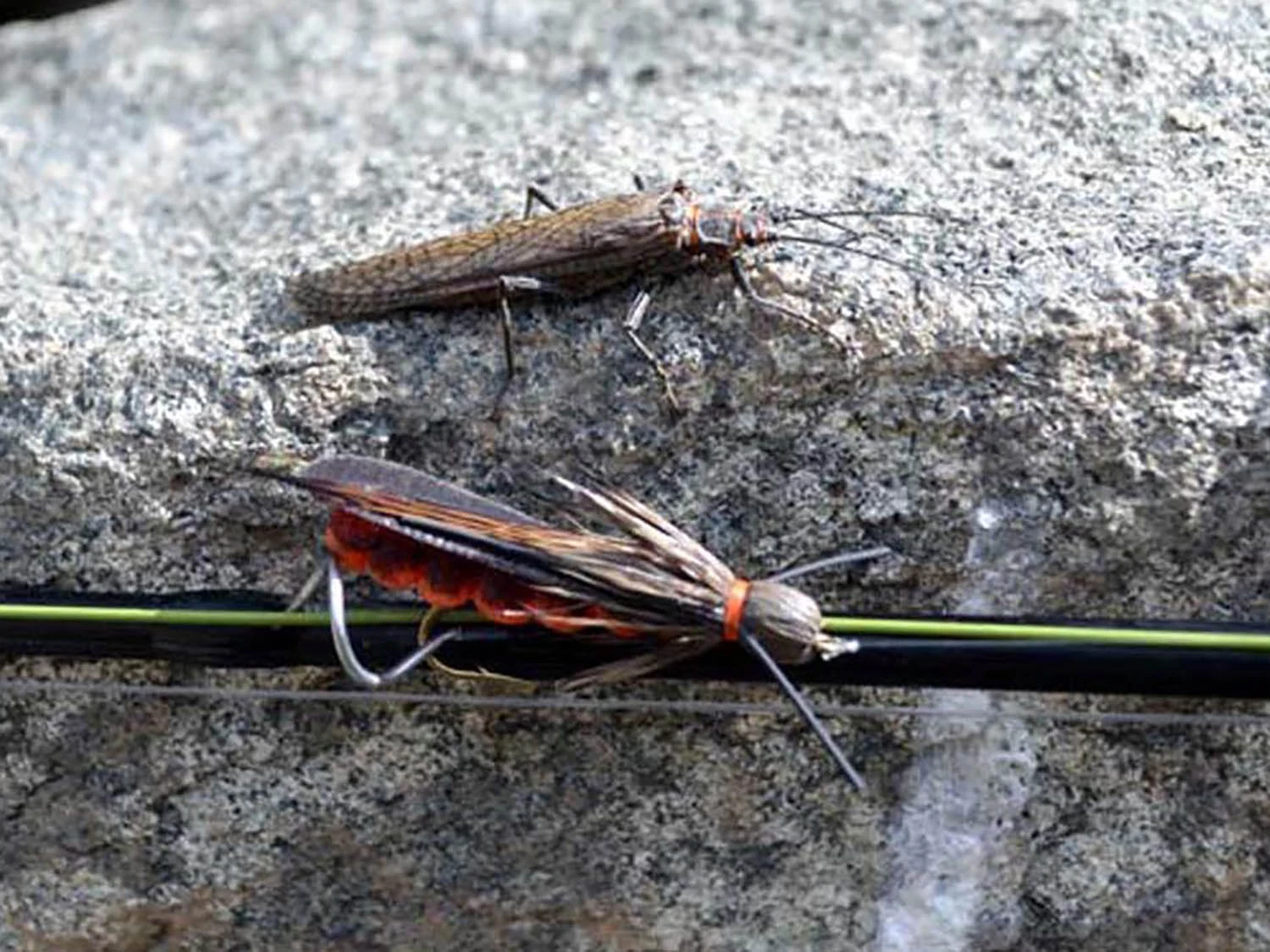
Even if no hatch is on at that exact moment, when big bugs are in the general area it often means good fish can be made to rise to an aggressively fished imitation. Sometimes (to riff off of Gandhi) you must be the hatch you hope to see in the world. Prospecting just outside major hatch windows can result in great fish and buy you hard-won solitude, since in many places great hatches also mean tremendous angling pressure.
Prospecting and Time of Day
Light is key for the prospecting angler. Early and late in the day when the sun is off the water makes trout feel more comfortable moving for a meal. After that, cloudy days are more desirable than bright, sunny days. Humidity is an added bonus: an angler confronted with a mild, cloudy, humid day can be in for some excellent prospecting with the dry fly.
Prospecting Through the Seasons
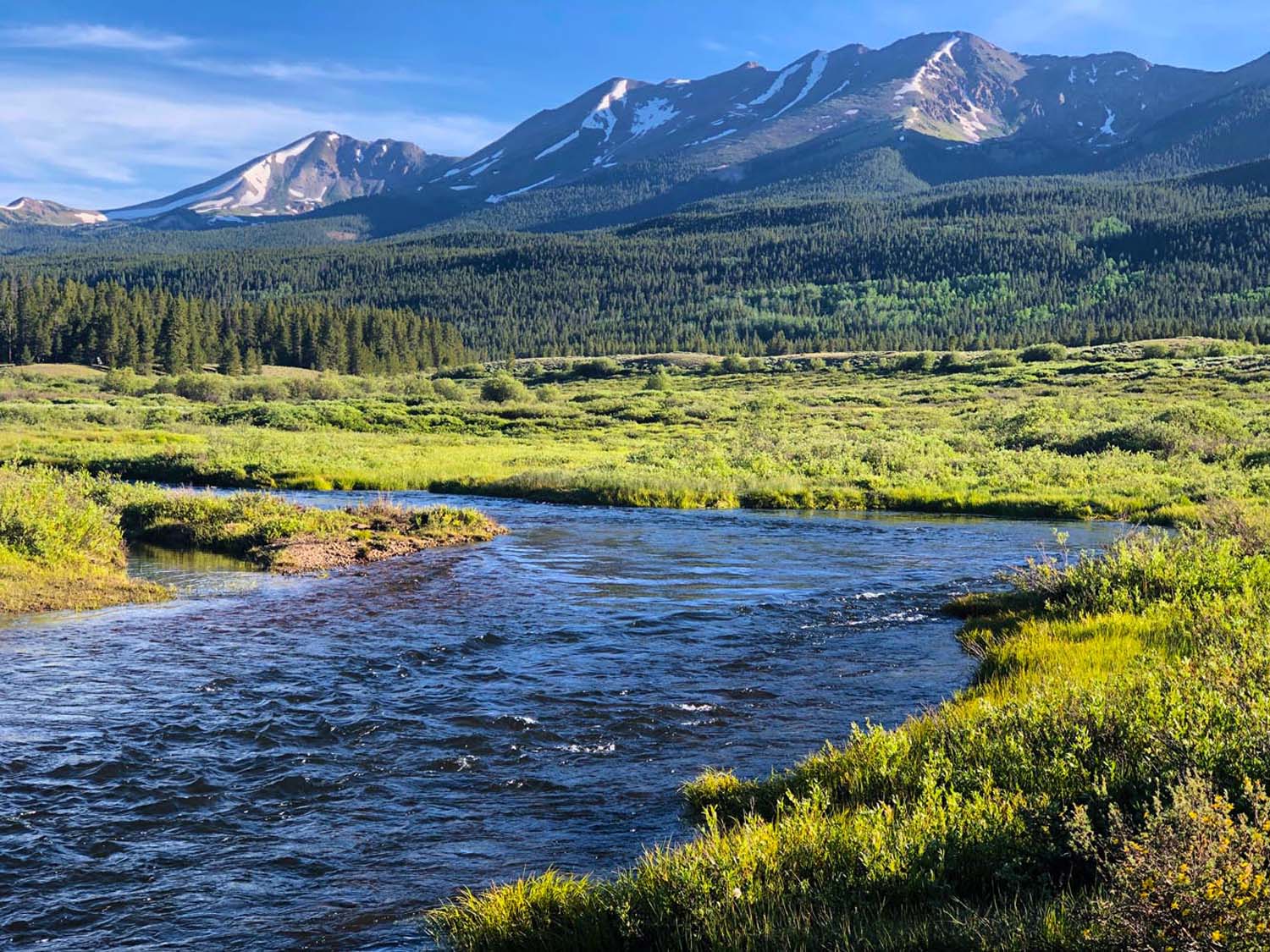

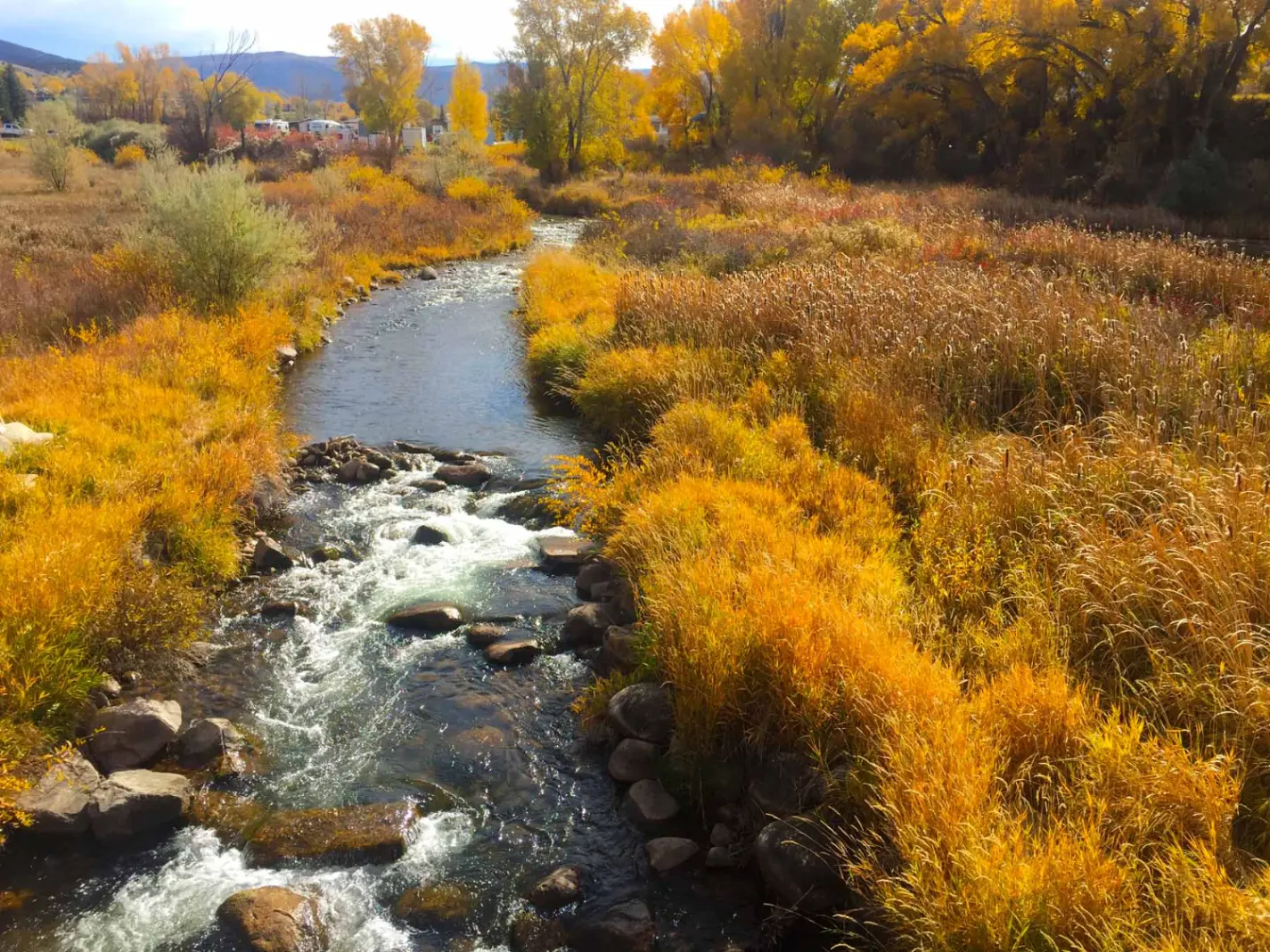
In general, prospecting first becomes effective once the hatch season on a given watershed commences, which gets the fish “looking up.” That said, when exactly fish start “looking up” varies by region, river, and type of river. That said, plenty of die-hard anglers start fishing dries well before they should, because they enjoy fishing, they want to get their skills up to speed to be ready by the time good dry fly fishing begins in earnest, and, well, because they’re optimists. So, technically, a good time to prospect with a dry is “whenever you feel like it.”
Once the hatch season commences and fish start to feed on the surface with some regularity, prospecting really hits its stride. In the spring and early summer months, prospectors do best with flies that generally imitate the local forage: mayflies, stoneflies, caddis, and odonates. Once the heat of summer hits, prospecting with terrestrials becomes a great way to catch numbers of fish, as well as bigger specimens. Trout on a terrestrial bite are very opportunistic since terrestrials with their substantial mass don’t need to be on the water in great abundance to get fish looking for them.
Why Trout Eat Opportunistically
A Trout’s Calculus
If prospecting is an act of persuasion to a trout that may or may not be interested in actively eating, we need to understand our audience and ask the question: What constitutes the right opportunity for a given trout to eat? The two primary persuasive tools the prospecting angler has to seal the deal with a potential fish are proximity and profit. By anticipating fish location and making a cast that puts the fly in the strike zone, we are saying to the trout: you don’t have to move that far to eat. That’s proximity. And by providing a substantial meal, we are telling the trout that the act of eating this bug will result in caloric gain. That’s profit.
Here’s a human analogy to further contextualize things. If you are walking down the street, you aren’t likely to stop and stoop to pick up a penny in any circumstance, but you might bend down to pick up a quarter right at your feet. That said, if a 25 cent piece required wading into some brush, you would probably just leave it be. But you would almost certainly walk a few feet into the weeds if you saw a $10 bill caught in some brambles.
Let’s look both at proximity and profit a bit more closely.
Proximity
Prospecting for trout is a precision approach. Not for naught do guides like to instruct prospecting anglers to “rub the fly” against wood, or tickle bankside vegetation, when targeting likely lies. When prospecting, we are trying to get close to the fish so it doesn’t have to expend too much energy to eat. But the only proximity we can achieve is on a horizontal axis—unlike when fishing streamers and nymphs, which also allow the angler to get close to fish on a vertical axis.
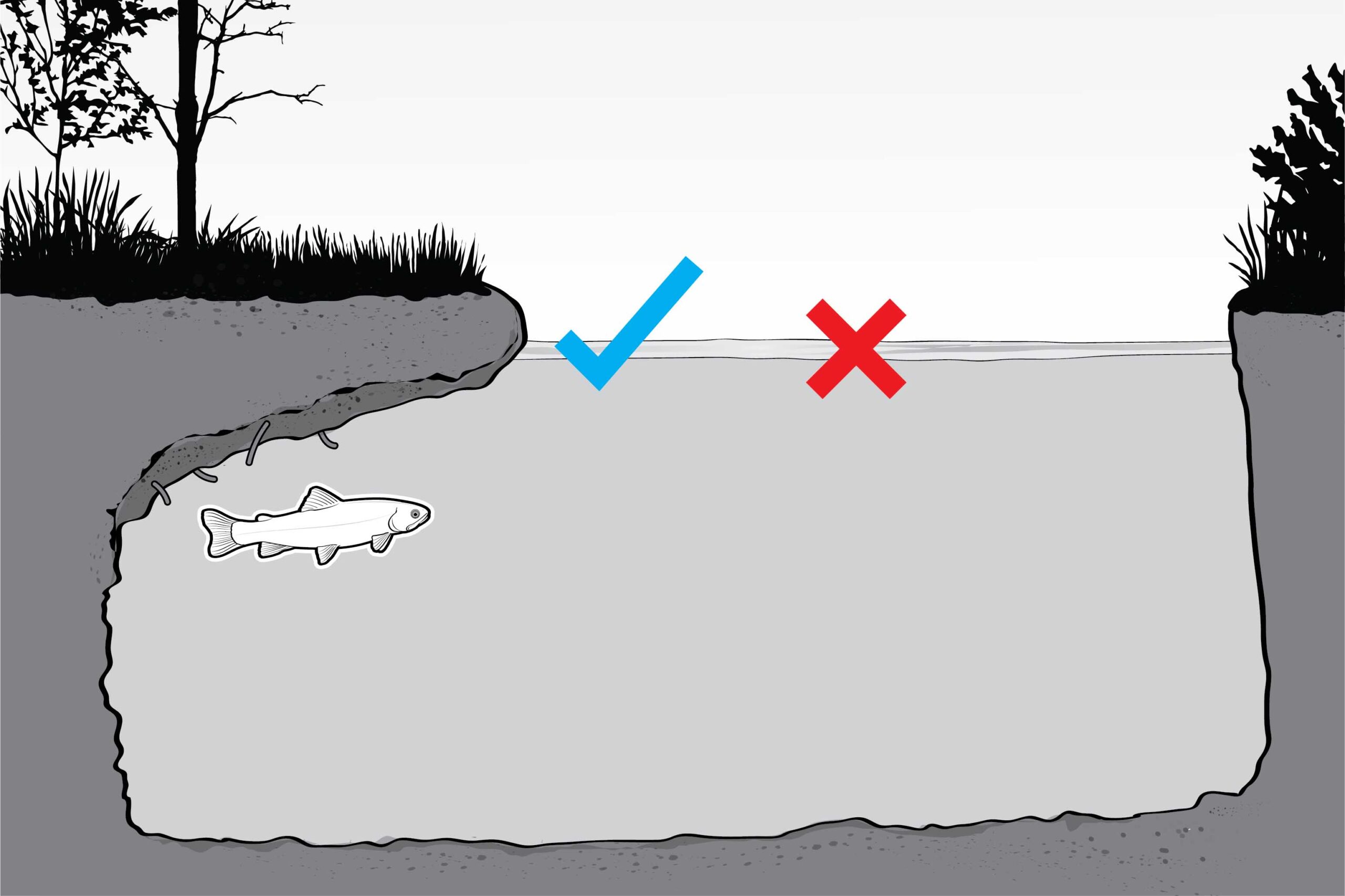
Proximity on the horizontal plane is important because the fish we are targeting while prospecting may well have to move a few feet vertically, even if we place the fly right above their head. This is one way in which the fish we prospect to are different from actively rising fish. A trout that is actively rising to insects has already been convinced by the sheer abundance of bugs to take up a favorable feeding position, generally relocating closer to the surface or at least occupying a hydraulic situation that makes moving to the surface efficient. The trout we are targeting as a prospecting angler, however, are likely to be holding deeper and closer to cover or structure. Because the dry fly angler cannot move any closer to fish on a vertical axis, they must do their best work on getting close horizontally.
Profit
Profit in the trout’s case simply means eating more calories than are expended. This means that a trout sitting at the bottom of a pool in good flow is not going to enjoy any caloric profit by rising to a size 20 blue-winged olive. Quite the contrary: it would be embracing a caloric deficit. This is why, when prospecting, we tend to try to imitate the largest offerings that are generally available at a given time of year. We also can size up our bugs when fishing over deeper water.
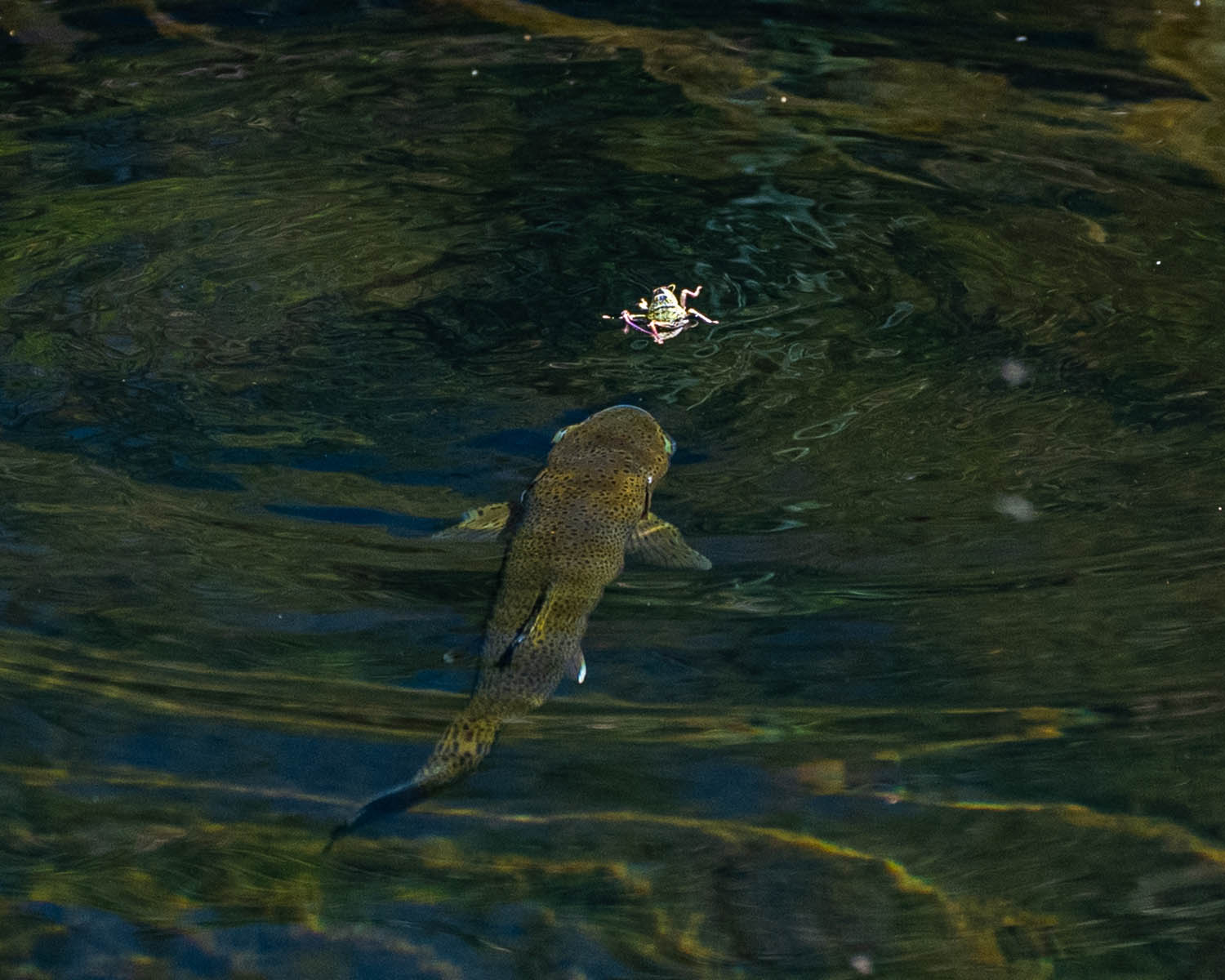
An exception to this “bigger is better” idea when prospecting comes on highly pressured water. In this case, you might go the opposite direction, that is, to use slightly smaller and subtler versions of popular local search patterns. If fish are getting hammered with aggressively dressed, size 8 stonefly imitations, a small and subtler stonefly version might be worth throwing, especially if you are not the first person on the water that day.
What Makes a Good Prospecting Fly
The right flies for this approach
The prospecting angler considers their fly box from a very different point of view compared to the hatch-matching angler. Since fish are not selective to in-the-film emergers and spent patterns, angler can fish high-floating flies that present a strong visual to fish. Let’s look at the floatability and shape of prospecting flies separately.
Floatability


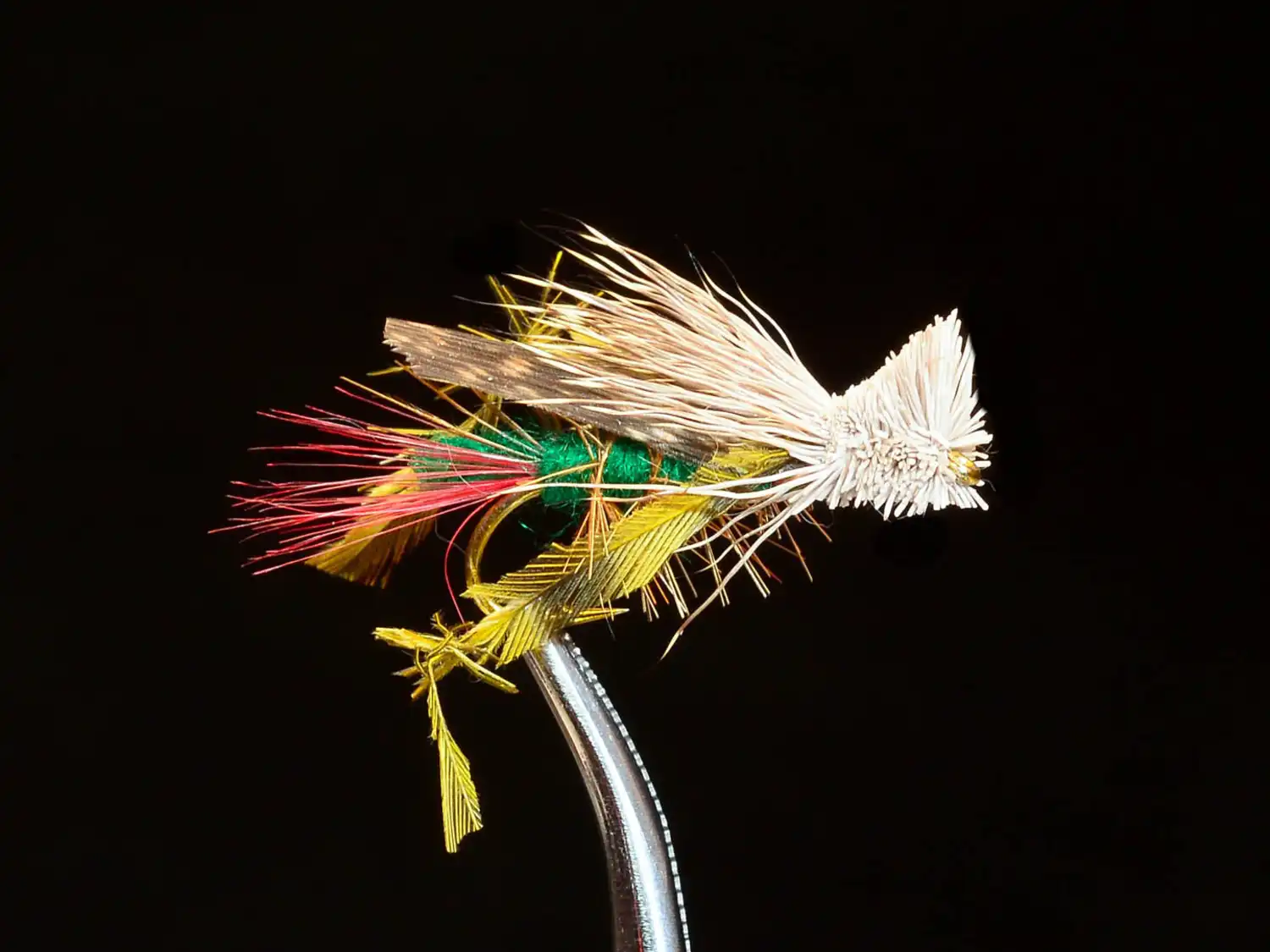
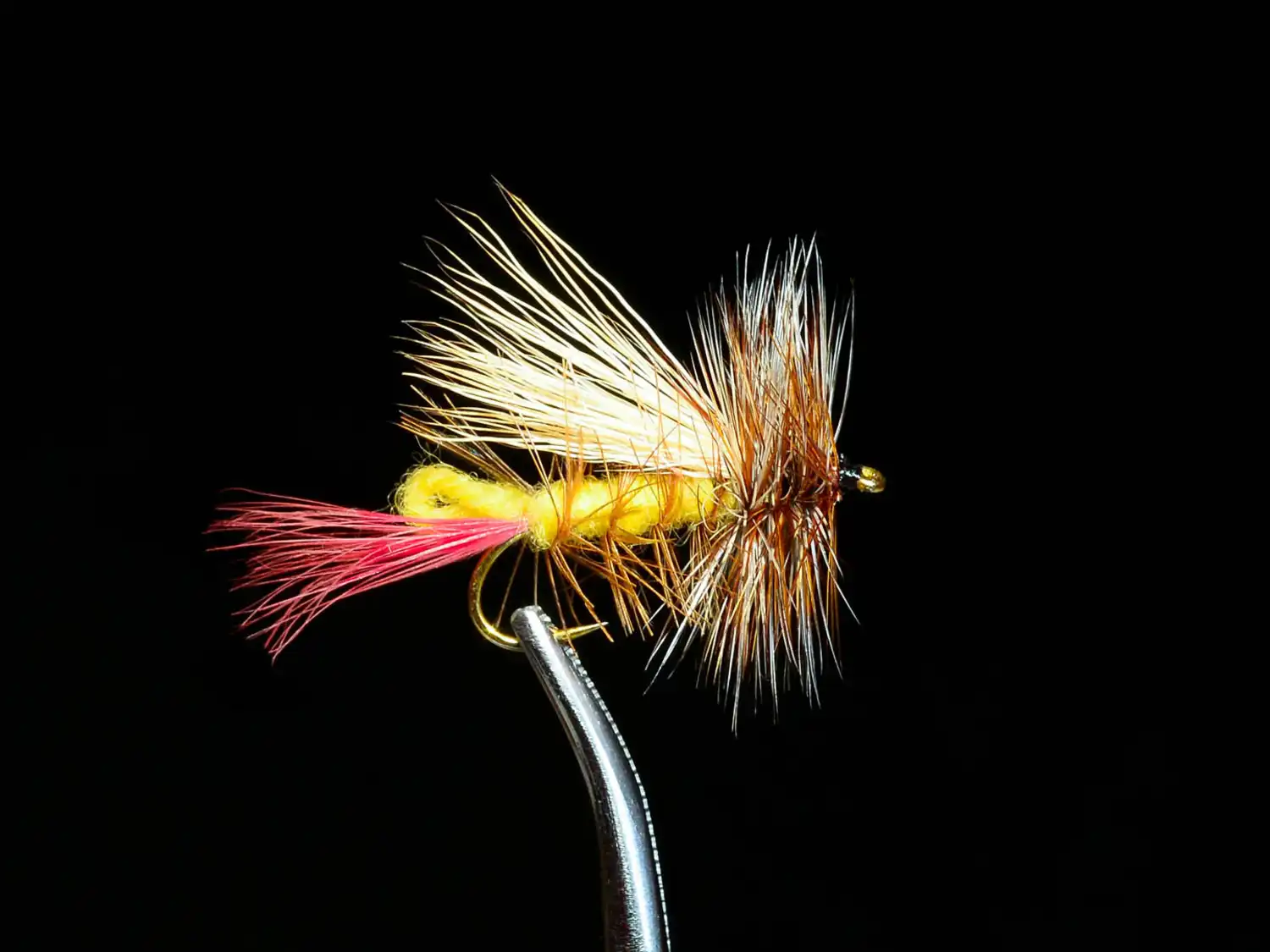
As we’ve established, selectivity is a function of availability. And because the prospecting angler is generally fishing when there are only sparse bugs on the water, or none at all, opportunistic fish are not overly selective fish. Therefore, the prospecting angler isn’t tasked with imitating a nymphal shuck or having a perfectly proportioned spinner. This means that prospecting anglers can embrace high-floating patterns built with plenty of hydrophobic material—the last thing we want while searching for trout is to constantly reapply floatant.
A close cousin to floatability is skatability or twitchability. That’s because occasional, deliberate movement is one of the tricks a prospecting angler has to entice interest from nearby trout that are not actively feeding. The ability to skate a fly generally comes from a densely hackled patterns like Stimulators and elk hair caddis, but most any pattern can be made to skate better by wrapping the body of the pattern in dense, undersized hackle—even mayfly spinners make good twitch flies when dressed this way. .
Shape

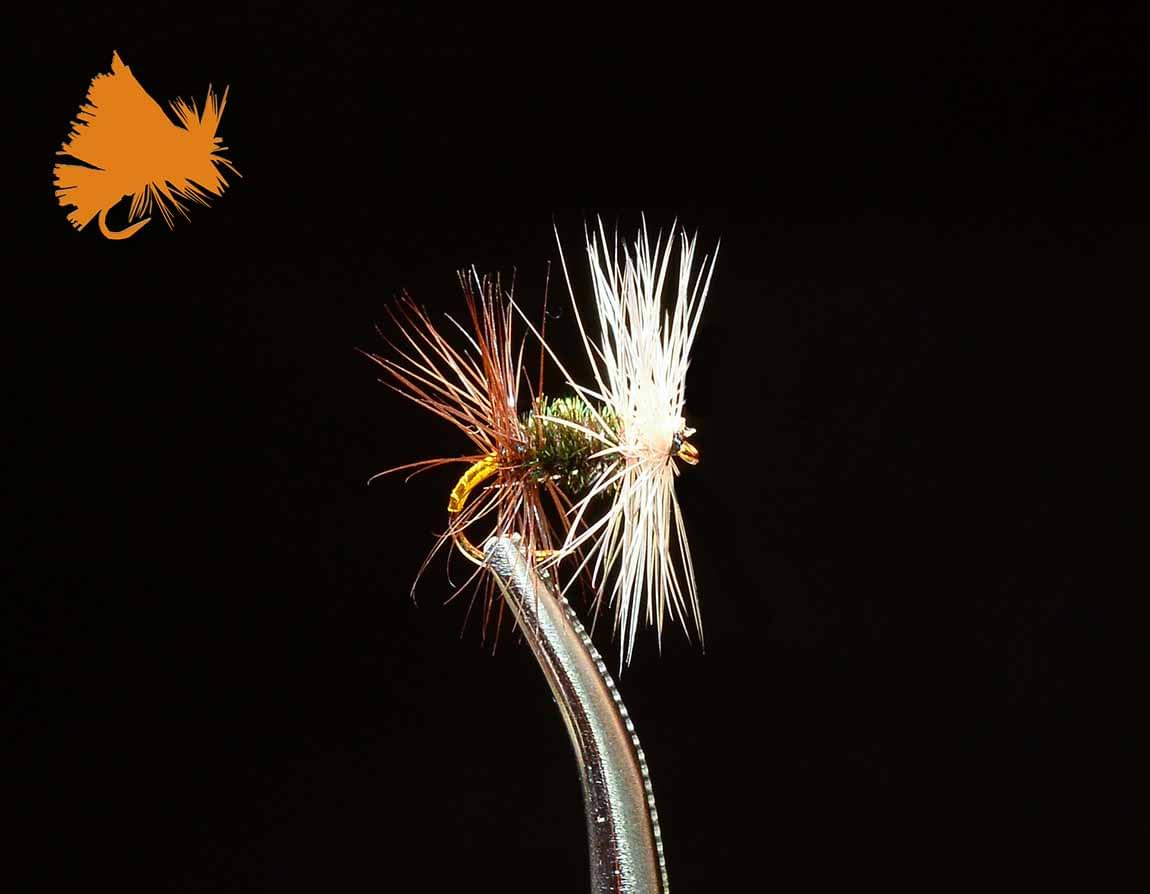
Most prospecting is done with flies that passably resemble something in the watershed, both in terms of size and silhouette, though both are sometimes slightly exaggerated to more clearly telegraph to a trout several feet of water away: this is food and food worth moving for.
Because fish are not comparing your fly to thousands of naturals, which makes any minor difference stand out, imitative prospecting flies are often a little chunkier than the natural and often flashier with some tinsel or buggier in the form of rubber legs. This exaggeration of natural characteristics could be very problematic for the hatch-matching angler fishing a dense hatch where the trout has clear and abundant reference points and can easily discern that “one fly is not like the other,” but this discernment is compromised when a fish sees a lone bug drifting several feet above them.
Imitative vs. attractor patterns
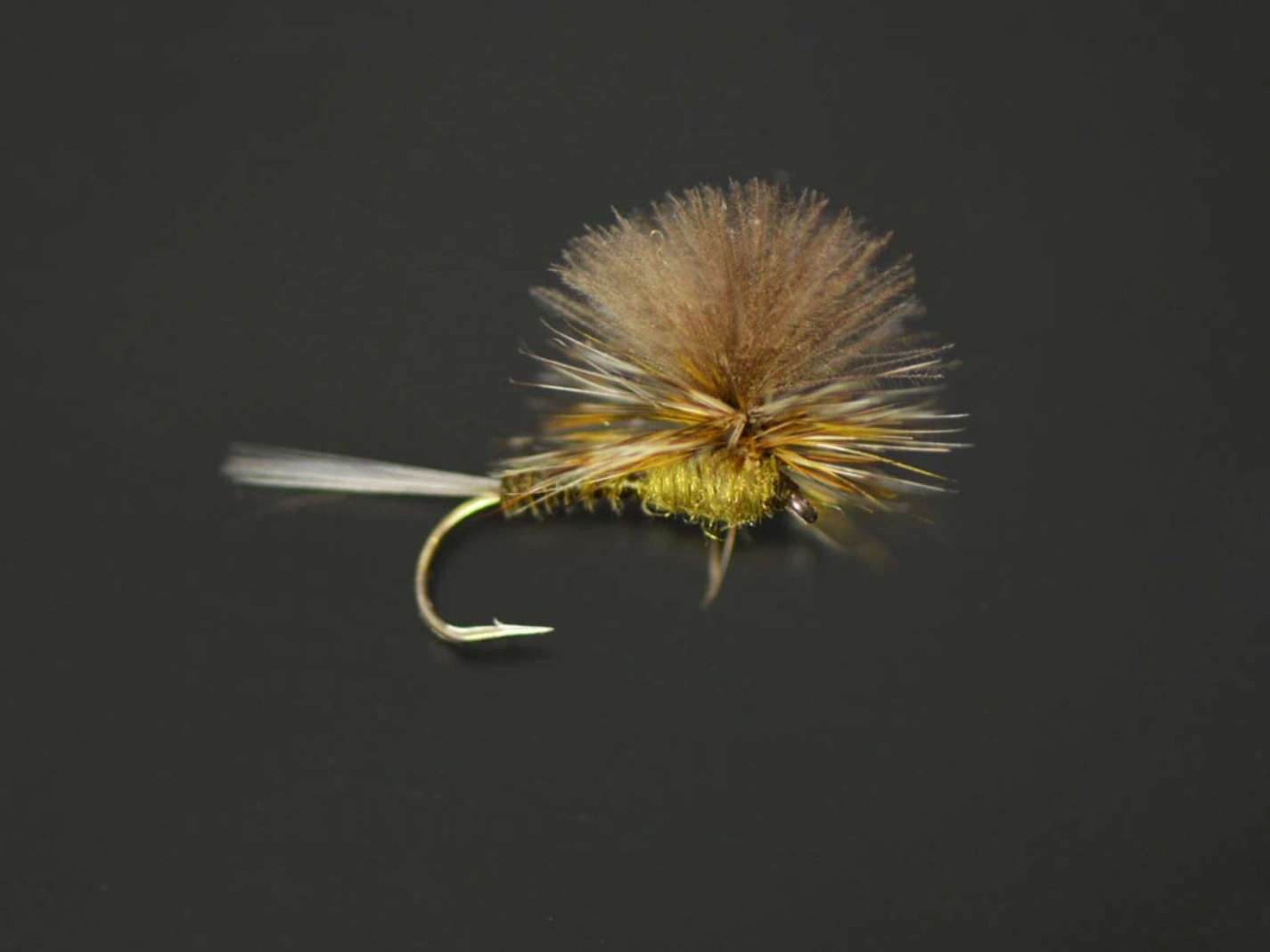
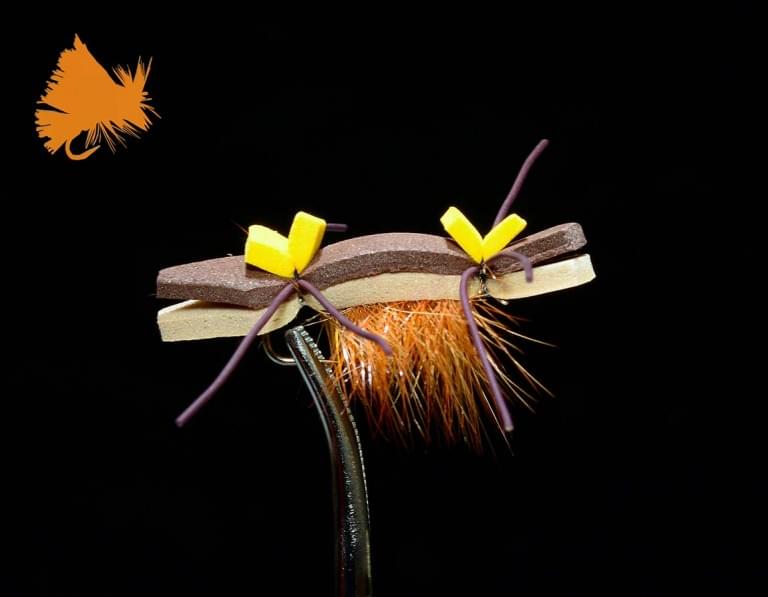
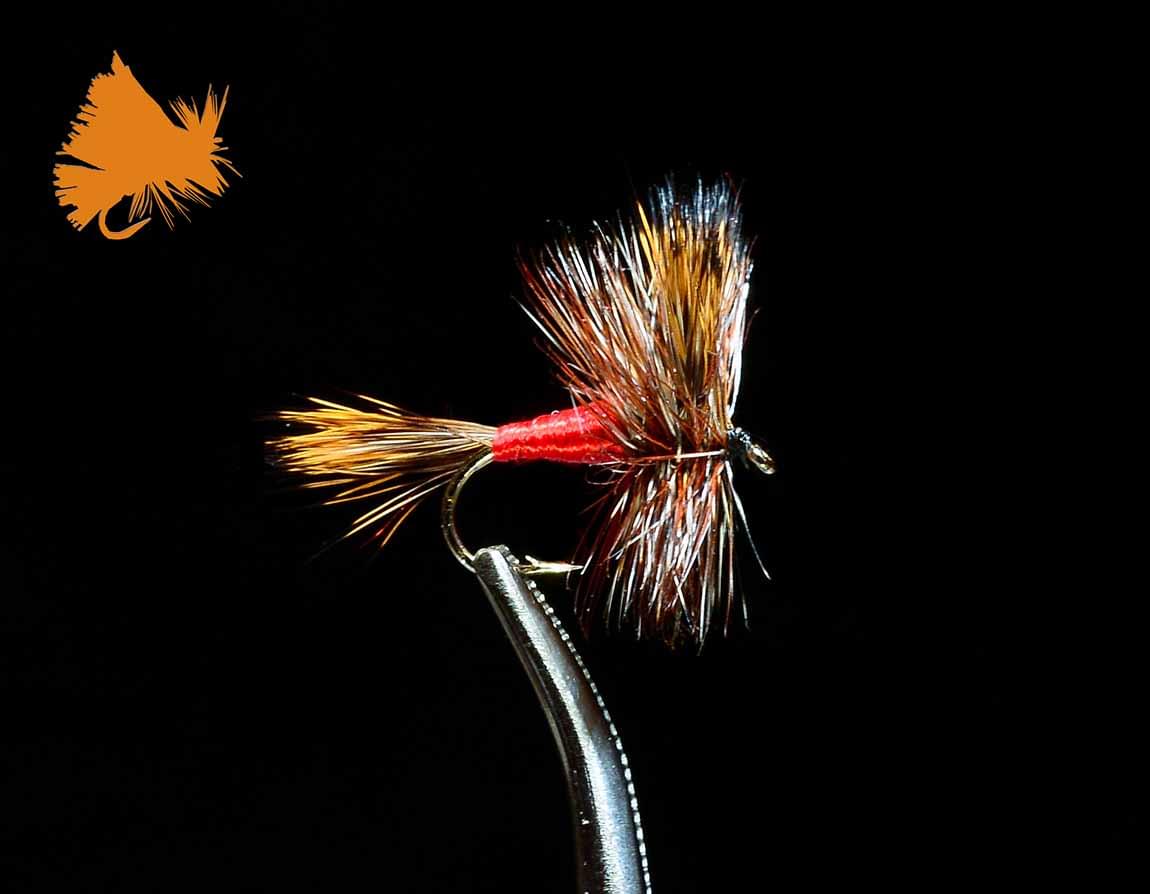
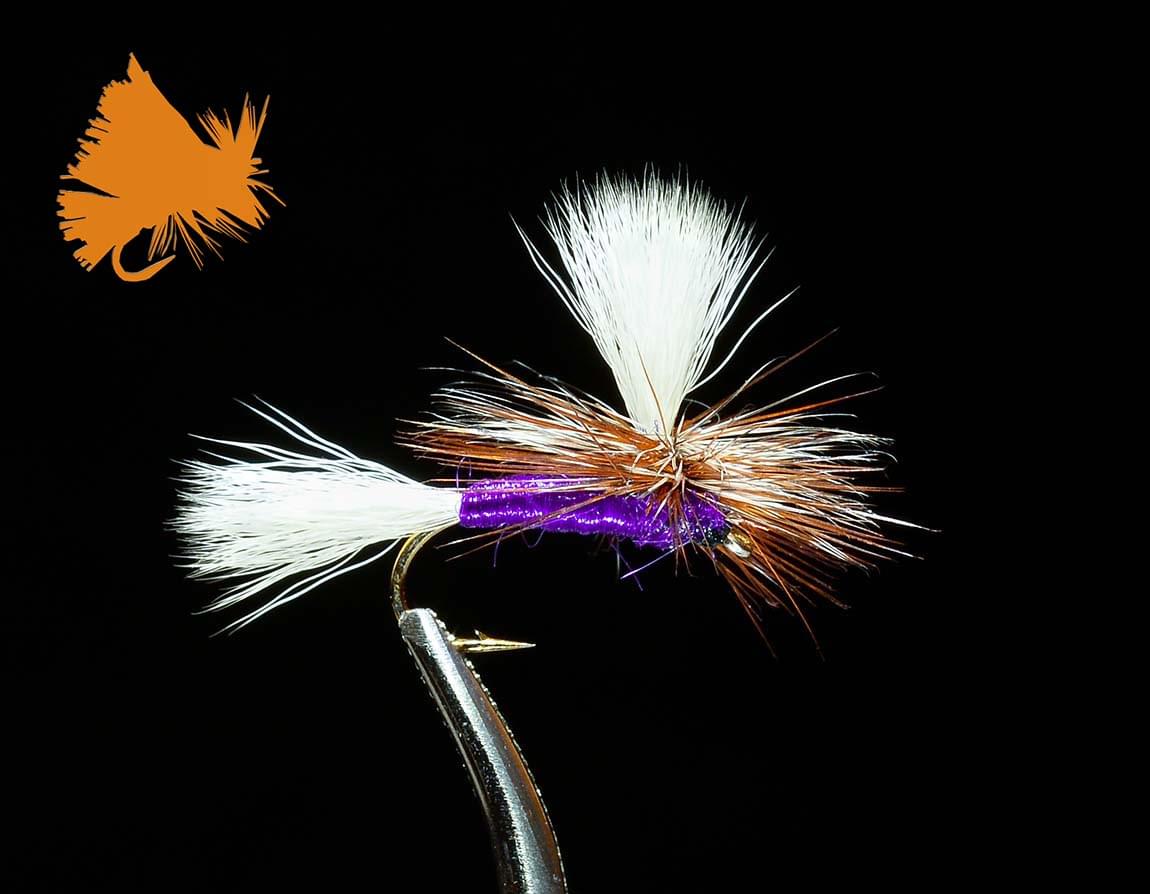
While most attractor patterns resemble an insect native to the watershed, which we’ll call imitative patterns, we also have another category of prospecting fly that we refer to as attractor patterns. These are flies that usually share a silhouette with the natural but possess other features that are definitely out of this world. One well-known attractor is the Royal Wulff, which features an iridescent peacock herl body and blood-red band dividing the body.
Attractor patterns are part of the deep mystery of fly fishing—why some colors, textures, and shapes that never appear in the trout’s purview nonetheless can be very effective. And what constitutes an effective attractor pattern flies vary by region and even river. What works like magic in one place may not work well in another. Here, fish respond positively to a red grasshopper. There, a purple-bodied mayfly wins the day. All in all, attractor patterns are a lot of fun to fish, particularly on days when nothing else seems to work. Come to think of it, it was probably to find success during slow days on that water that attractor patterns were born in the first place .
Dry and Dropper
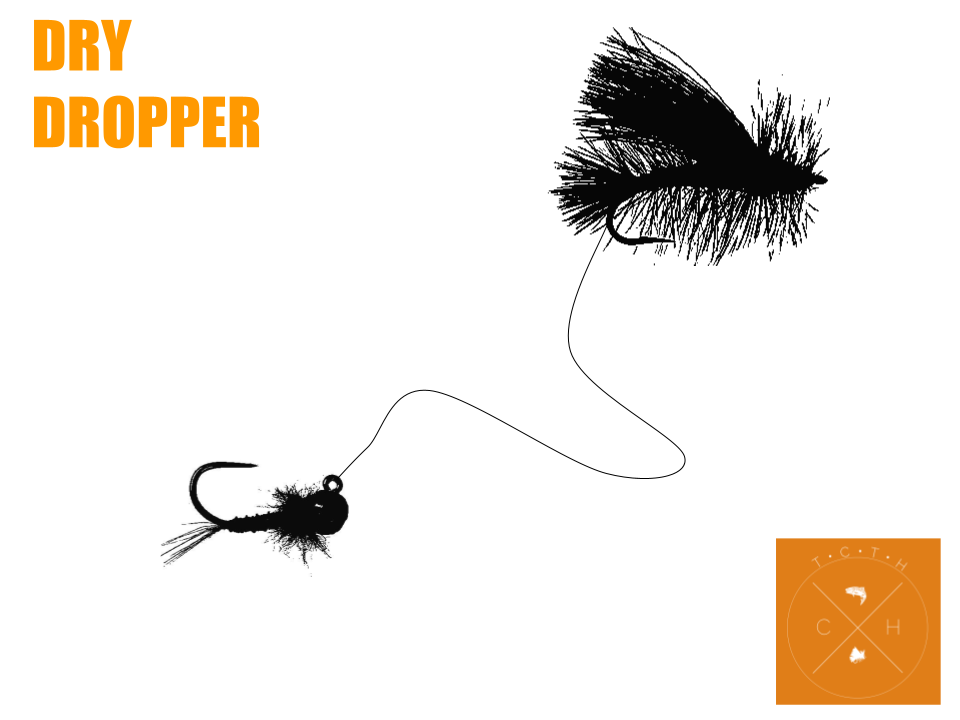
The Dry and Dropper approach is a great exploratory tool that can help anglers more quickly divine what fish want to eat and where. While a dropper can be any fly, including another dry fly (as we’ll discuss in “Targeting Riseforms”) most of the time the term “Dry and Dropper” refers to a high-riding dry fly and a weighted nymph, where the dry fly does double duty as a strike indicator.
When rigging a dry and dropper, the length of the leader tends to be a little shorter than when fishing a dry fly alone—this is to accommodate the extra material in the form of the dropper. Also, tippet tends to be at the thicker end of the acceptable spectrum to help with the manageability of the rig while casting.
Fishing a dry and dropper really opens up opportunity, since you can target active and passive fish at the same time, and fish classic nymph water as well as classic dry fly water without changing flies or leaders. To rig a dry and dropper, take a lightly or moderately weighted nymph and attach it to the bend of the hook of the dry fly via a length of tippet. How much distance you’ll want between your dry and dropper is up to you. You fish a fixed length all day long, or constantly change tippet length as the water depth you’re targeting changes. For the latter angler, pre-rigging nymphs with various tippet lengths on rigging foam can make changing out nymphs of different weights tippet lengths less tedious. You can even leave your knots incomplete/unseated so that all you need to do is slip a loop over the hook of the dry fly, moisten and seat the knot, trim the tag end, and voila—you’re back fishing with a new dropper.
Trout University
The Best Way to Master Fly Fishing for Trout
Everything you need to learn how to fly fish for trout.
From fly selection to presentation and location, all in one place.
8 Premium Courses
15 Video Classes
1-2hr Power Classes on Key Subjects and solidify your learnings
6 Streamside Courses
10+ Hours of Fishing to See Our Methods in Action
How the Prospecting Angler Learns the Water
Become one with the river and its environment
Prospecting dry fly anglers will find their success rate increase the more time they spend on a given beat of water. Not only will anglers discover what search patterns are effective on trout in a stretch of stream, but they will gain a sense of what lies trout prefer during various non-rising conditions. And because so much of a dry fly presentation depends on “where” an angler casts from, spending time on a given beat of water will also help you discover the best vantage points for presenting to various holding lies. This is even more important for small-stream anglers, who must often endure significant “experimentation”—by which we mean getting hung up in bankside vegetation—before discovering the best presentation points and types of cast for each lie.
Where to prospect: Introducing dry fly lies
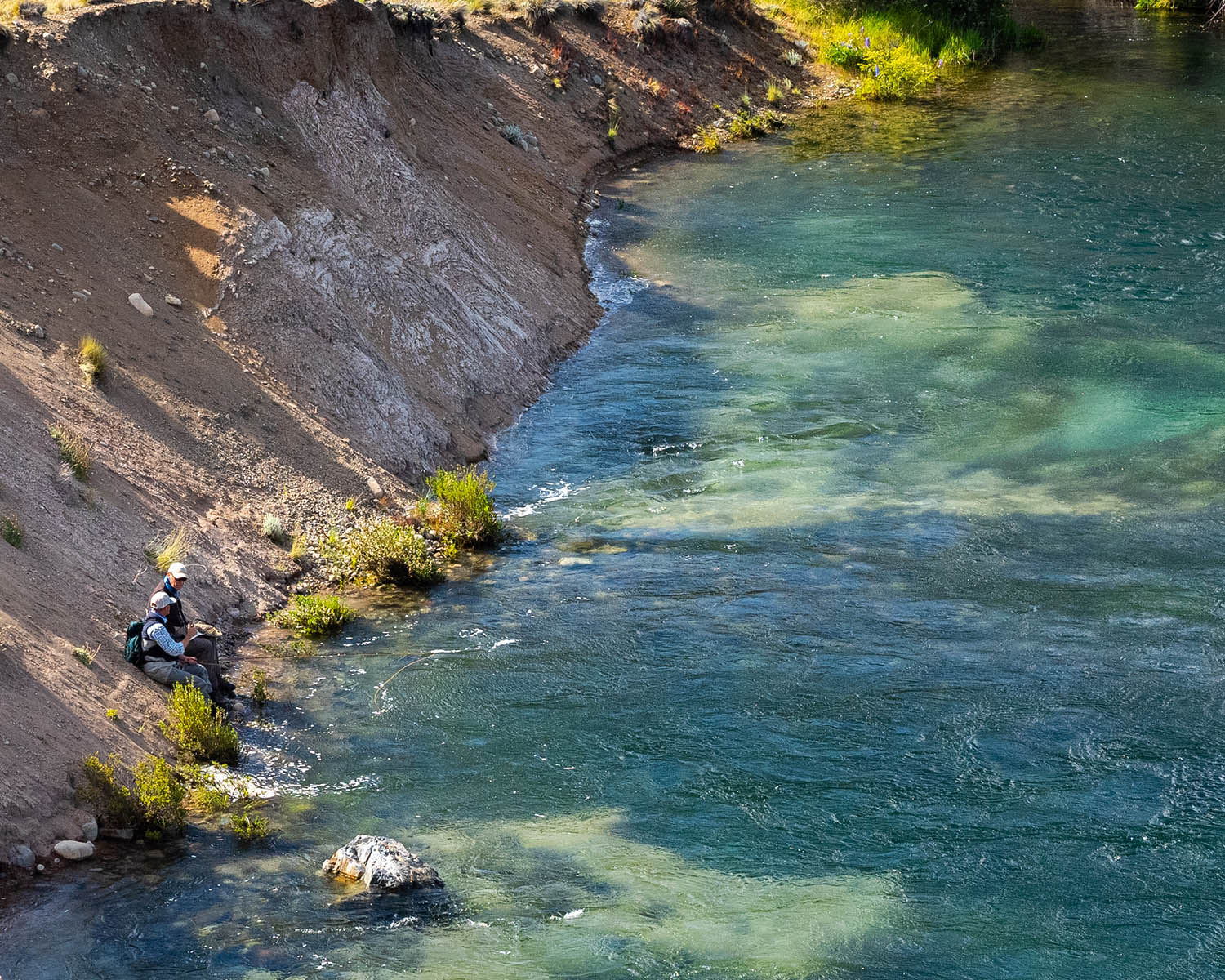
Because the prospecting dry fly angler reads water and not riseforms, the first part of the puzzle is deciding where to cast. What does good dry fly prospecting water look like? What kind of water holds fish that may be inclined to eat a surface bug?
First off, good dry fly water is mid-depth to shallow. A fish being in striking distance of the surface is important—a fish at the bottom of a 6-foot pool is probably not rocketing to the surface for anything but a truly large insect, and then only rarely.
Secondly, a good dry fly lie provides a place for a fish to lay in ambush and/or enjoy relief from the main current. These current breaks can take many forms and are not limited to obvious seams. A cobbled bottom, for instance, provides plenty of ambush locations despite looking on the surface like fairly even flow.
Spots vs. areas
We’ll now begin looking at those places where we can expect to encounter fish while prospecting. Some of these are small in size—we’ll call them spots—while others are larger—we’ll call them areas. Spots can usually be covered with one or two casts from a single position, while areas might require many casts and several casting vantage points. One example of a spot would be a log parallel to the water. Two drifts will allow you to cover the entirety of the log. An example of an area would be a riffle. Fish can be holding in a lot of different spaces, and so to make your fly proximate to these fish, a loose-grid search might be the best approach.
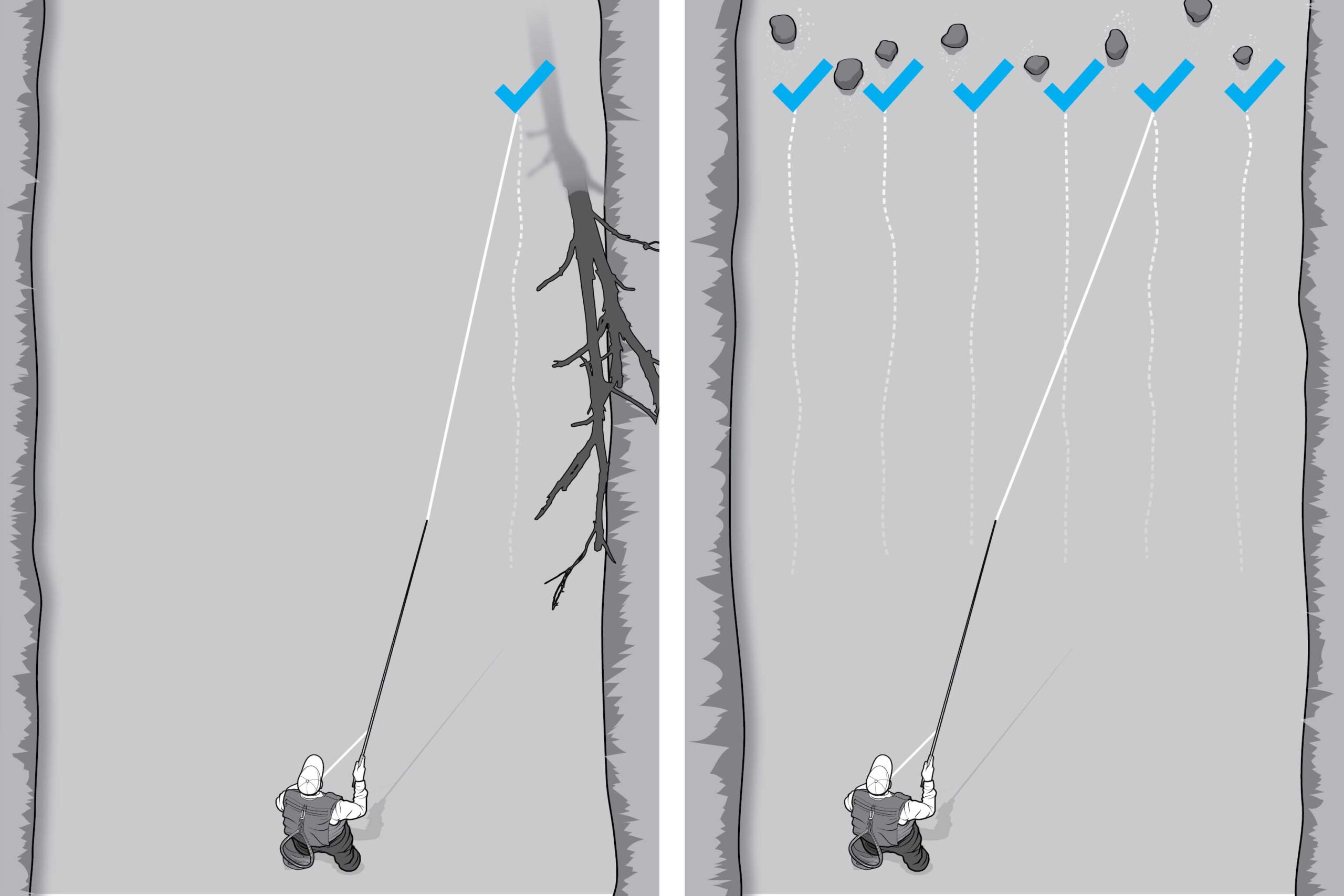
Let’s now take a closer look at some classic prospecting spots and areas, starting with spots.
Spots
Boulders
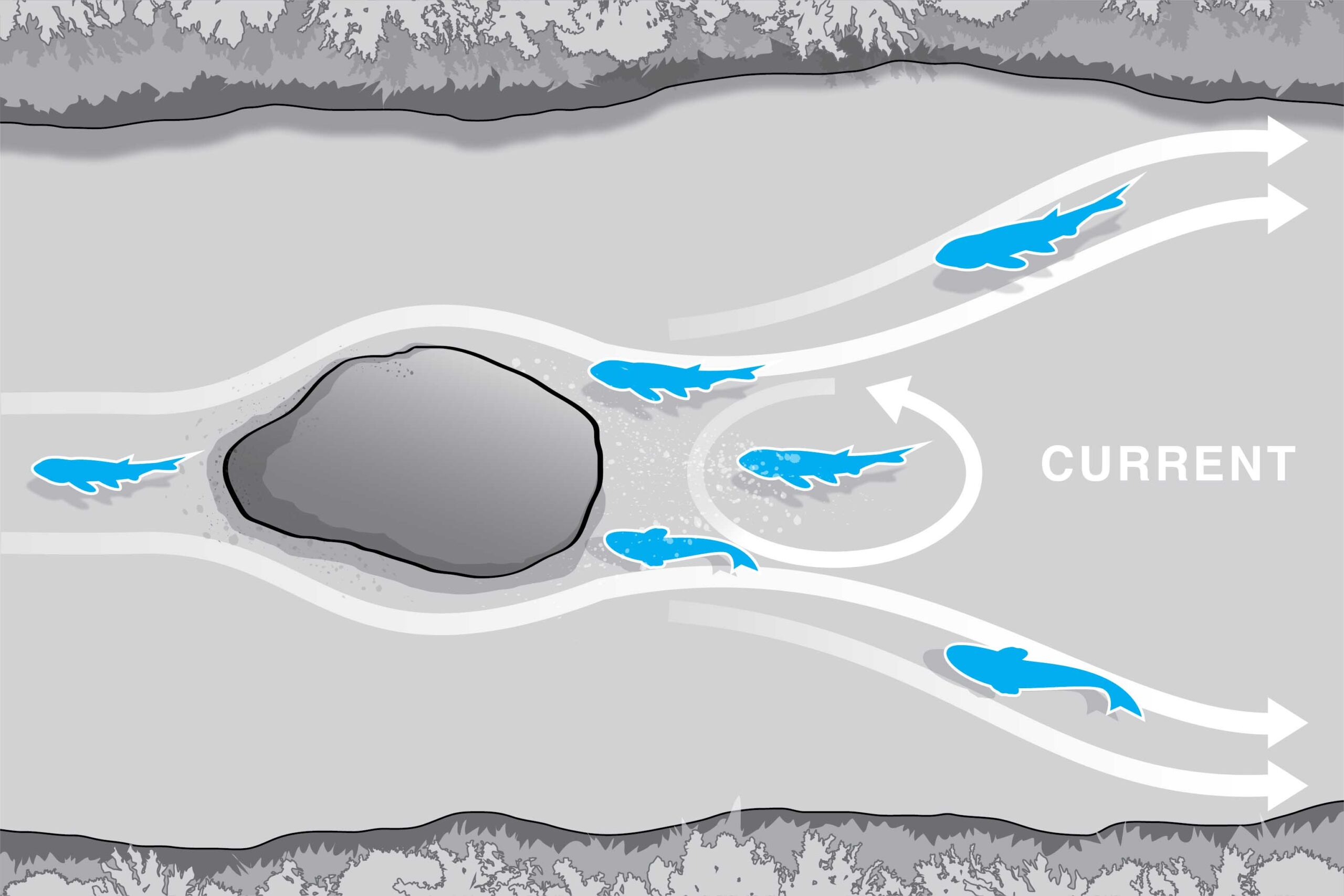
Boulders act as hydraulic cushions and often hold good fish. Focus on areas directly above and directly below the boulder, as well as the two seams coming off either downstream side of the boulder in a “V”.
Structural Edges
Edges of all sorts hold fish, whether we are talking about trout in a mountain stream or bass on a lake. When deciding where to float a bug, pay attention to where one riparian feature ends and another begins: changes in substrate, changes in depth, etc.
Seams
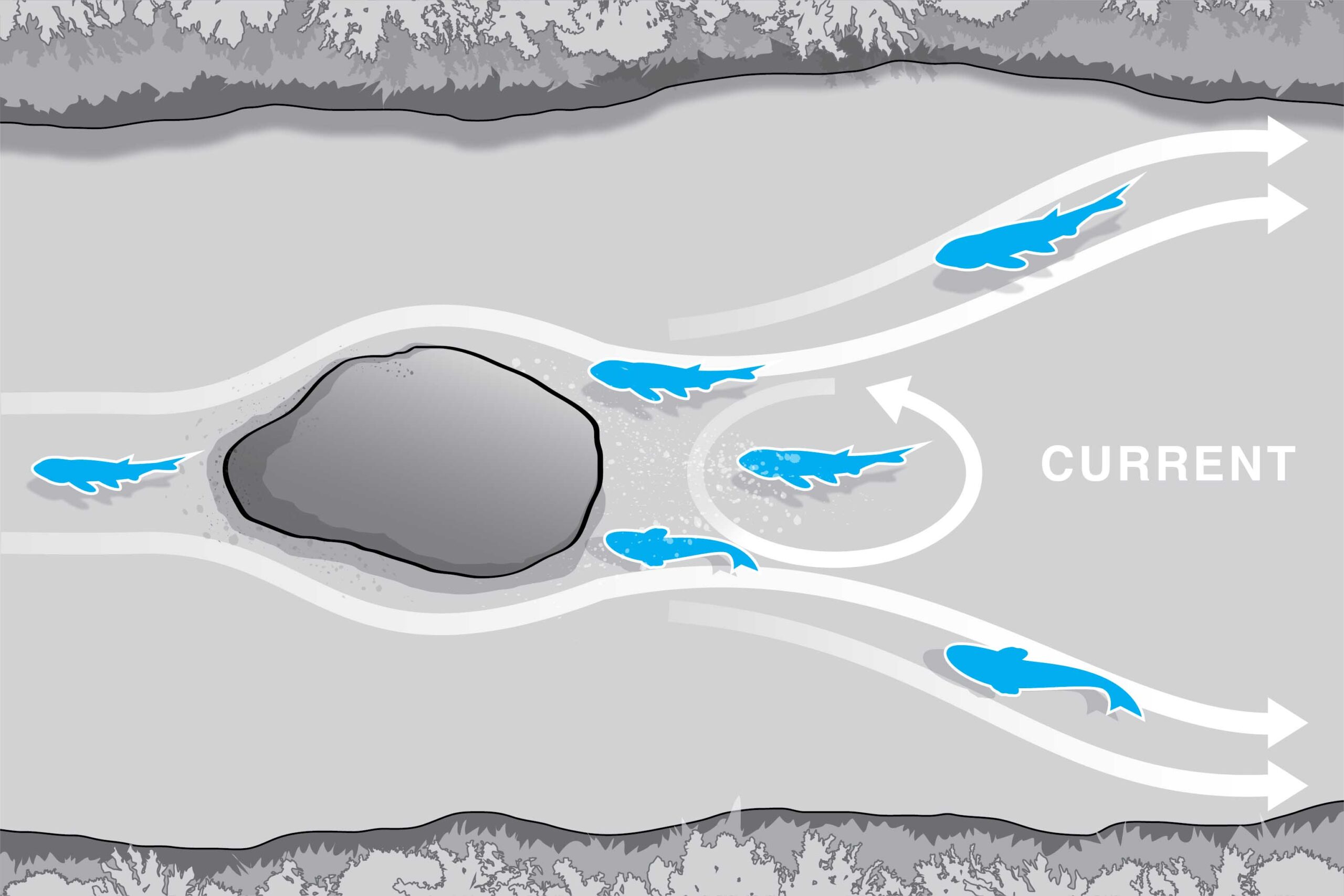
Current seams are prime feeding areas for opportunistic trout. Look for edges where faster and slower currents meet, especially in water of moderate to shallow depth.
Bubble lines
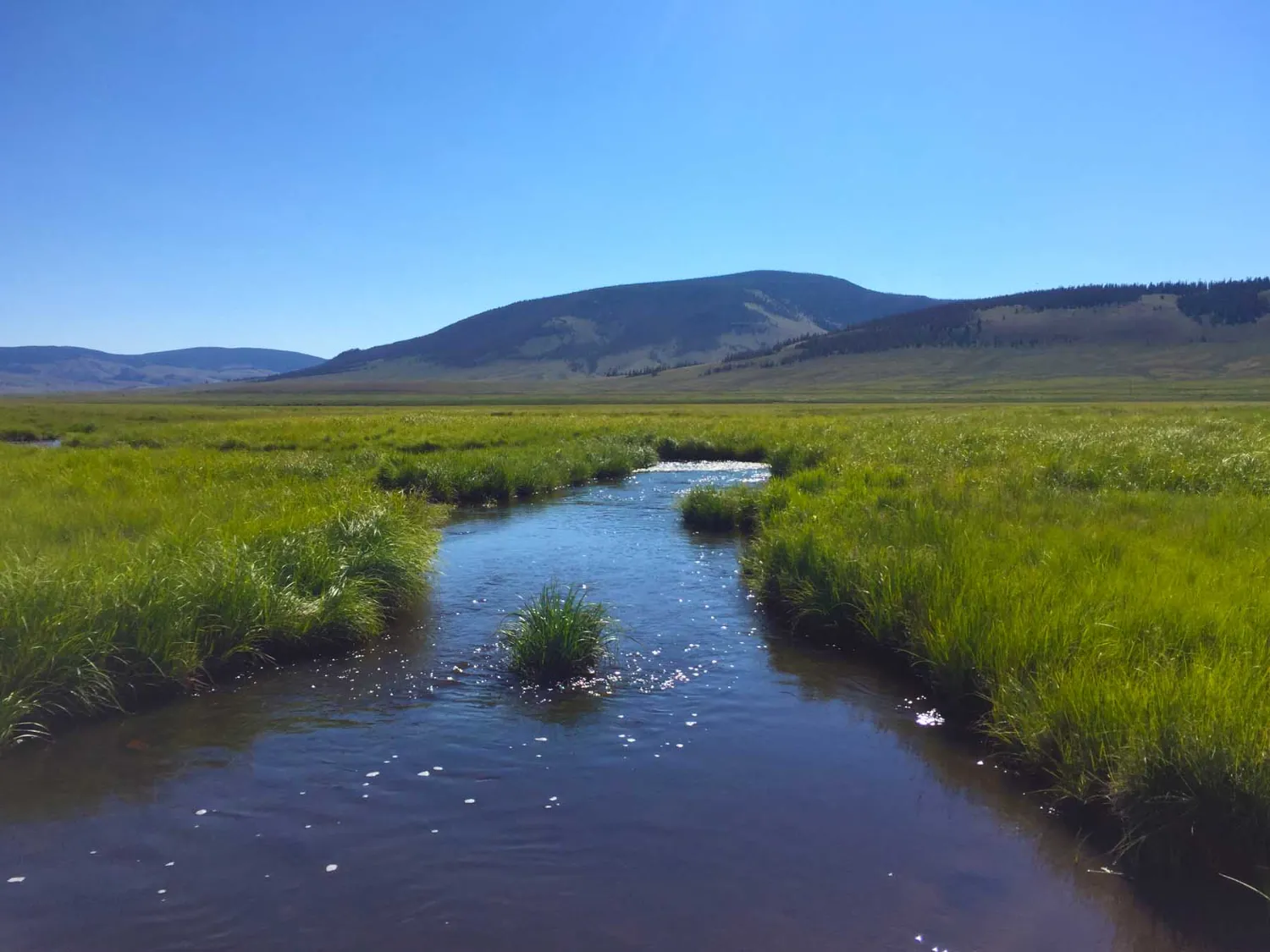
Bubble lines are a great visual indication of the primary flow of a river. Everything that falls onto the surface of the water, from leaves to twigs, will eventually be pulled gravitationally to this line of flow. Places where bubble lines enter and exit structure or cover are especially prime dry fly lies.
Undercuts
Undercut banks are prime places to prospect with a dry fly. While fish holding a foot or two back in an undercut are usually not actively feeding, they can be enticed to strike with a meaty morsel worked close to the bank. Prospect an undercut by moving casts progressively inward until the fly is right up against the bank—you’ll know you’ve worked an undercut sufficiently when you either hook up with a good fish or get hung up on the bank or bankside vegetation. Undercuts are definitely worth working thoroughly. You will regularly be surprised by fish who won’t move 2 feet to eat a bug, but will move 1 foot. Or 6 inches. Fish holding in undercuts feel very secure and will tolerate repeated presentations without spooking more so than fish holding in more vulnerable positions, provided presentations are clean. Undercuts are also fantastic candidates for a dry and dropper.
Areas and grid searching
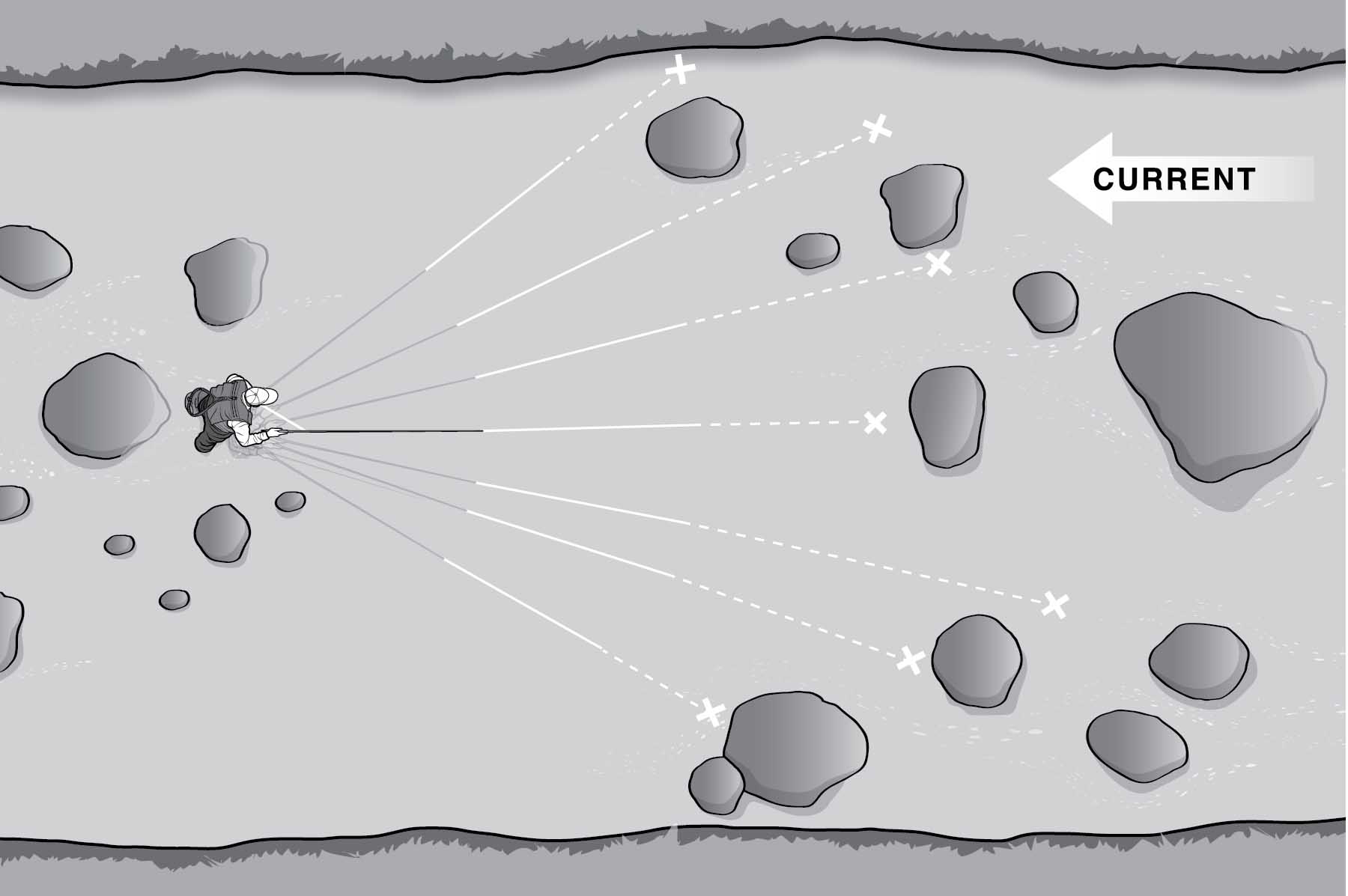
Areas are larger than spots and generally require several casts to cover thoroughly. One rule of thumb to keep in mind while prospecting larger areas is: the faster the water, the tighter your grid should be, since fish will be less able to see a dry fly and less willing to move a distance toward it.
Changes in substrate
In rivers with a lot of sandy substrate, trout feel exposed, being all too aware that they do not blend in with a bright, uniform bottom. In such cases, sometimes all that’s needed to hold a fish is an outcropping of cobble.
Pools
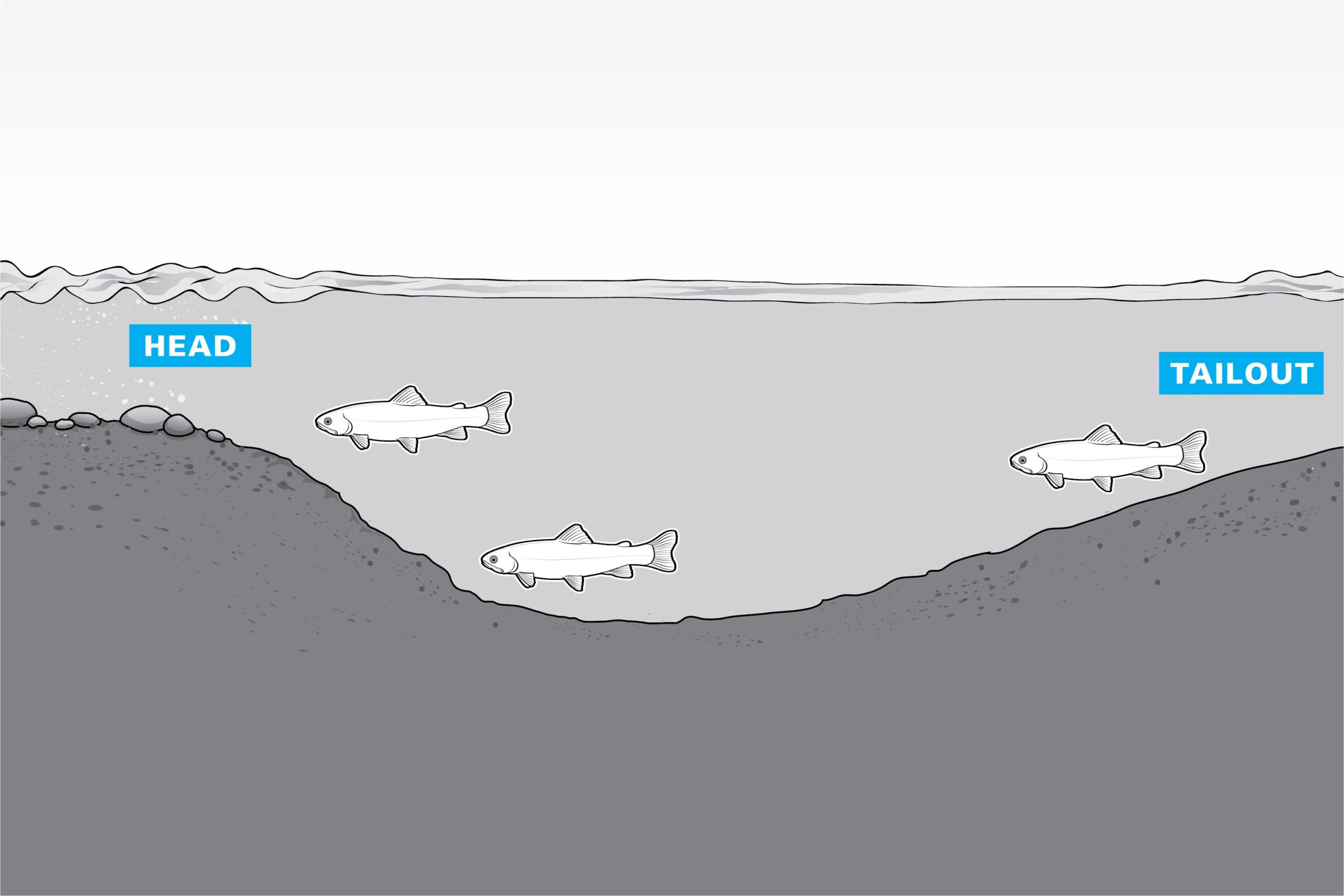
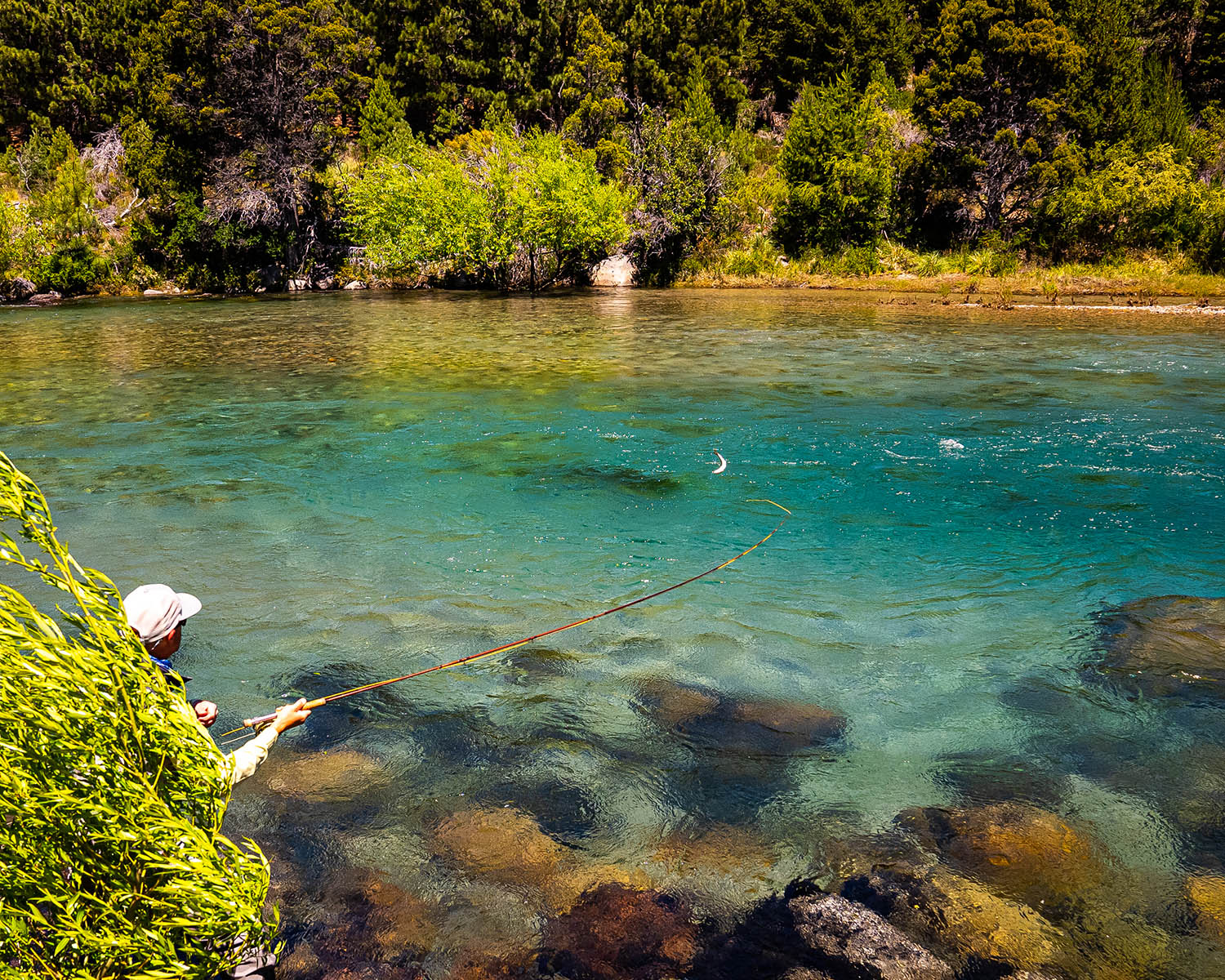
Pools can be large or small. Regardless, they are well worth a thorough working over. Be sure to allot casts to the head of a pool, the edge closest to the angler, the tongue, and the edge furthest from the angler. Expect the most aggressive fish to be set up at the head of the pool, but also be ready for a fish to rocket from the depths after something substantial. A trout sitting on the bottom in 4 feet of water may not be incentivized to rise to a size 14 Adams. Deeper water is also where you might try giving your bug a twitch during the second drift if the first doesn’t garner a response.
Tailouts
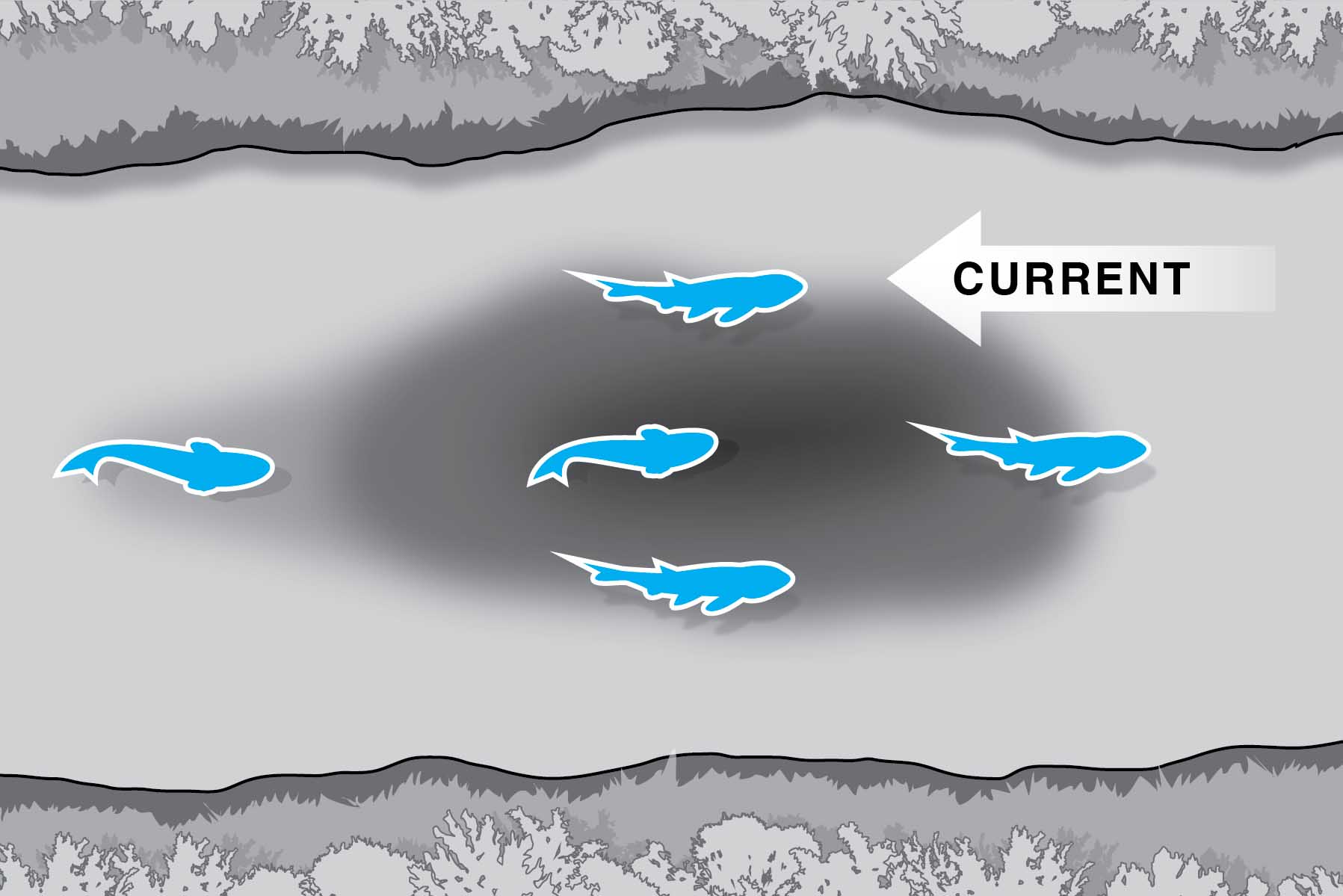
A tailout is a hydraulic feature that appears at the end of a pool. The pool tapers in width, narrowing, and also gets shallower. This creates a funneling effect of drifting aquatic organisms in all parts of the water column.
Plunge pools
Plunge pools are exciting spots to fish. Falling water scours a deep pocket and also creates eddies and pockets of still water directly adjacent to roiling water. Insects passing over the plunge pool will generally be stalled by one of these hydraulics before continuing downstream, and trout set up to opportunistically snatch them up, right at the sides of where the water falls.
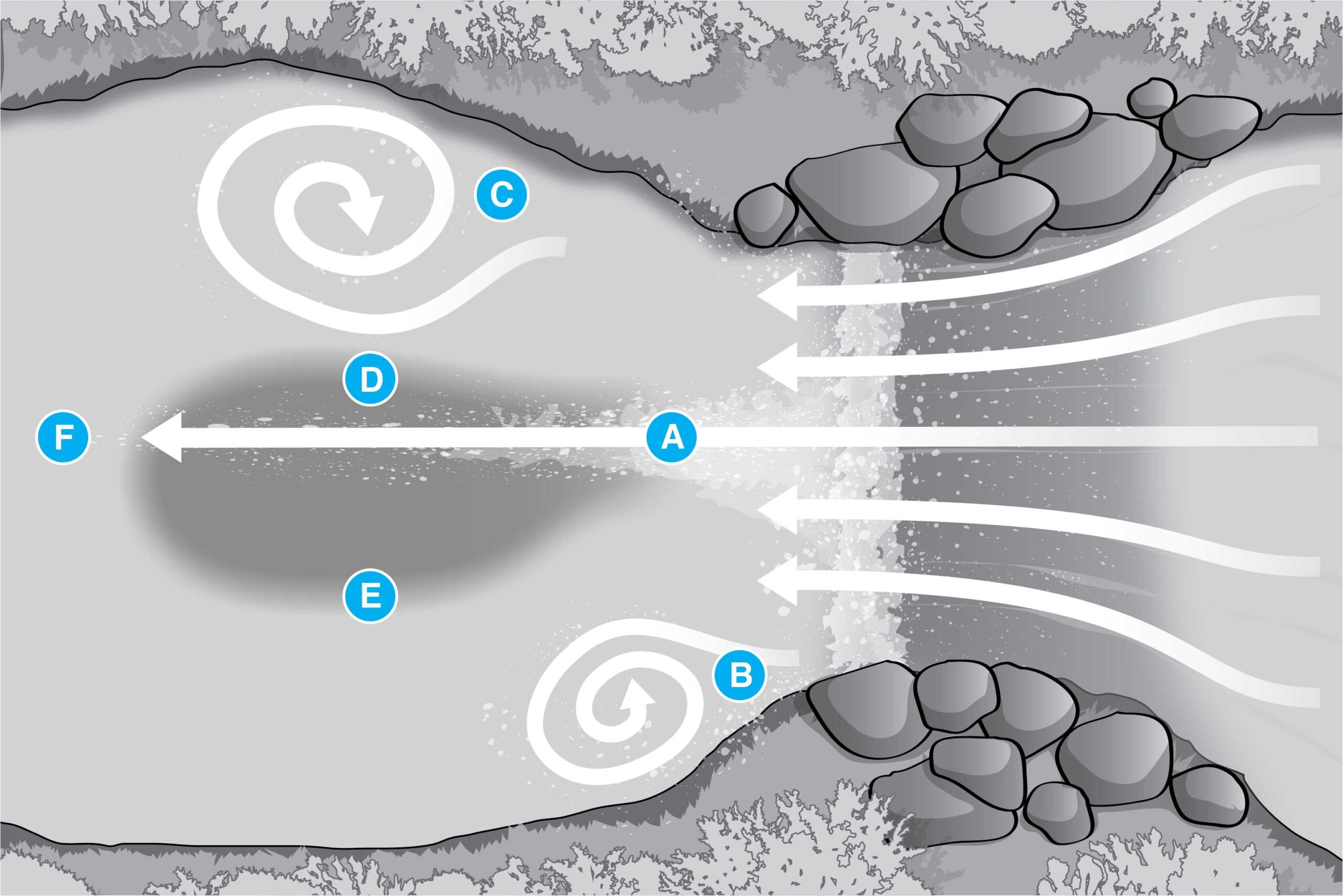
Since plunge pool eddies and stillwater pockets must be presented to from downstream (or dapped from the side), and since fly line will immediately be grabbing by the current below, presenting to plunge pool eddies typically requires extra-long tippet that collapses in a slight pile and allows the imitation to sit or drift for a second or two until the current acting on the fly line and butt section of the leader drags the fly out of the zone. The good news for the dry fly anglers is that fish are often very quick to react in these situations. Buying your fly a second of time is often all you need.
Another prime dry fly location comes at the tailout of the plunge pool, where the current tapers to a V and the bottom starts to rise up again. (see C).
Underwater wood complexes
Like fishing a riffle, fishing larger complexes of submerged wood this is another opportunity for a grid search, especially since a trout might not be able to see a fly very easily from a given holding spot in the wood. Try moving the fly around on consecutive casts until you are sure it’s been seen before moving on. This is also a situation where twitching can help better feature your offering.
Riffles

In places like riffles where the bottom is broken by larger gravel and cobble, fish can be hiding in many different places, and due to quick water are not likely to move far for a fly. Here the best way to approach the area would be in a grid search, starting in close to your body with short to medium drifts, working your way out across the riffle with longer casts, then stepping downstream—or upstream, if that’s the direction you are fishing—and repeating the process.
Pocket water
Pocket water is a joy for the prospecting angler to fish. Trout in high gradient, rocky mountain streams are often very opportunistic, which means they will eat a wide variety of fly patterns. And the broken water and cover presented by boulders means anglers can get very close. Short casts, dapping, and high-sticking are all great approaches to fishing the small to big pockets of calm that exist between the roiling surfaces of pocket water.
“Frog” water
Frog water doesn’t hold much appeal to the prospecting angler, who is advised to row or wade on by, but it can have utility when fishing larger, burrowing insect emergences at dusk or at night, when large trout move out of holes onto feeding flats and may give chase to a streamer, large dry fly, or mouse. We’ll talk more about this type of water in the Night Fishing section.
Tips for Prospecting
Jump start your success
Let it ride… but not indefinitely
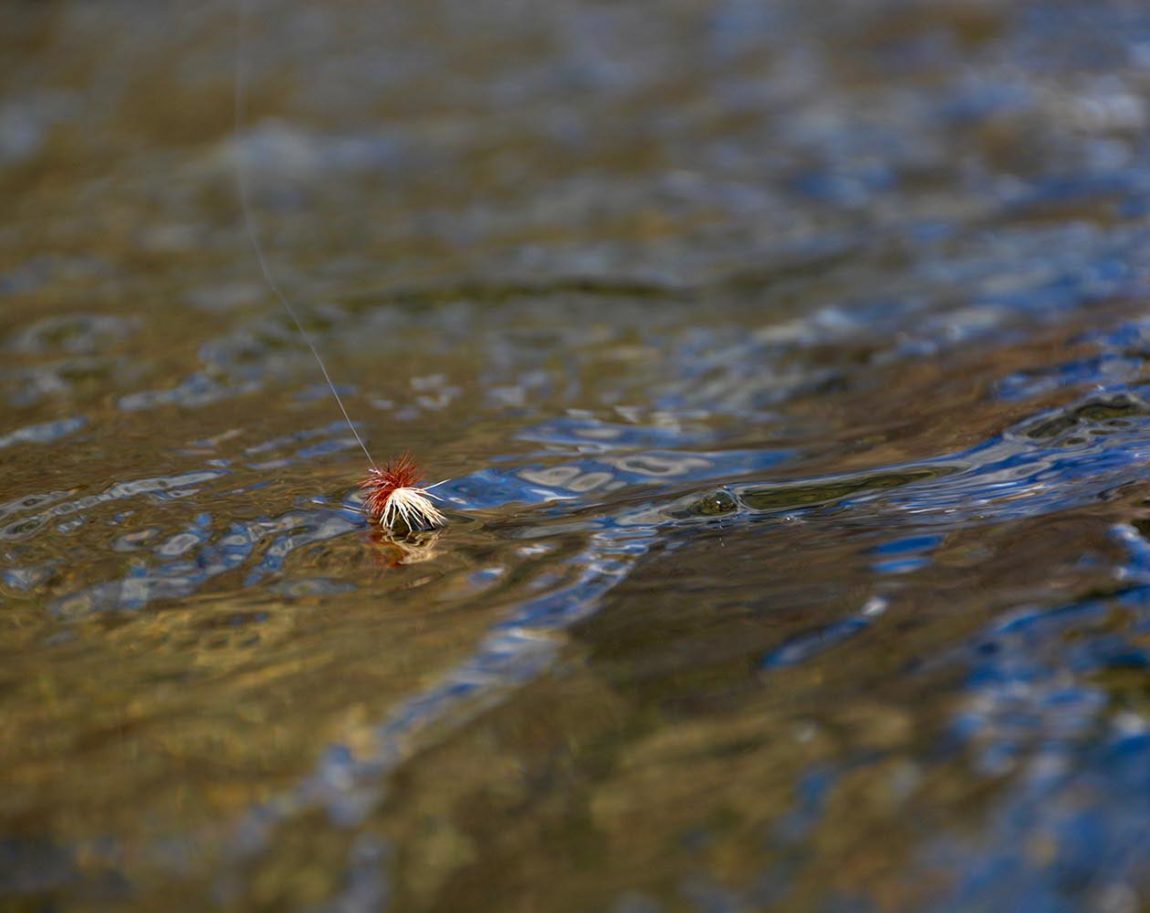
If a spot is worth casting to, it is worth presenting properly to. Don’t pull your fly off the water prematurely to recast under any circumstance. Bad dry fly anglers cast a lot; good dry fly anglers keep their fly on the water. With every cast you make—even imperfect casts—try to extend your dead drift for as long as possible… to a point. Just because you can dead-drift a bug 80 feet doesn’t mean you’ll be able to set the hook effectively at that range. Keep fishing distances in mind when envisioning the beginning and end of your drift.
Know Where Your Drift Begins, And Ends
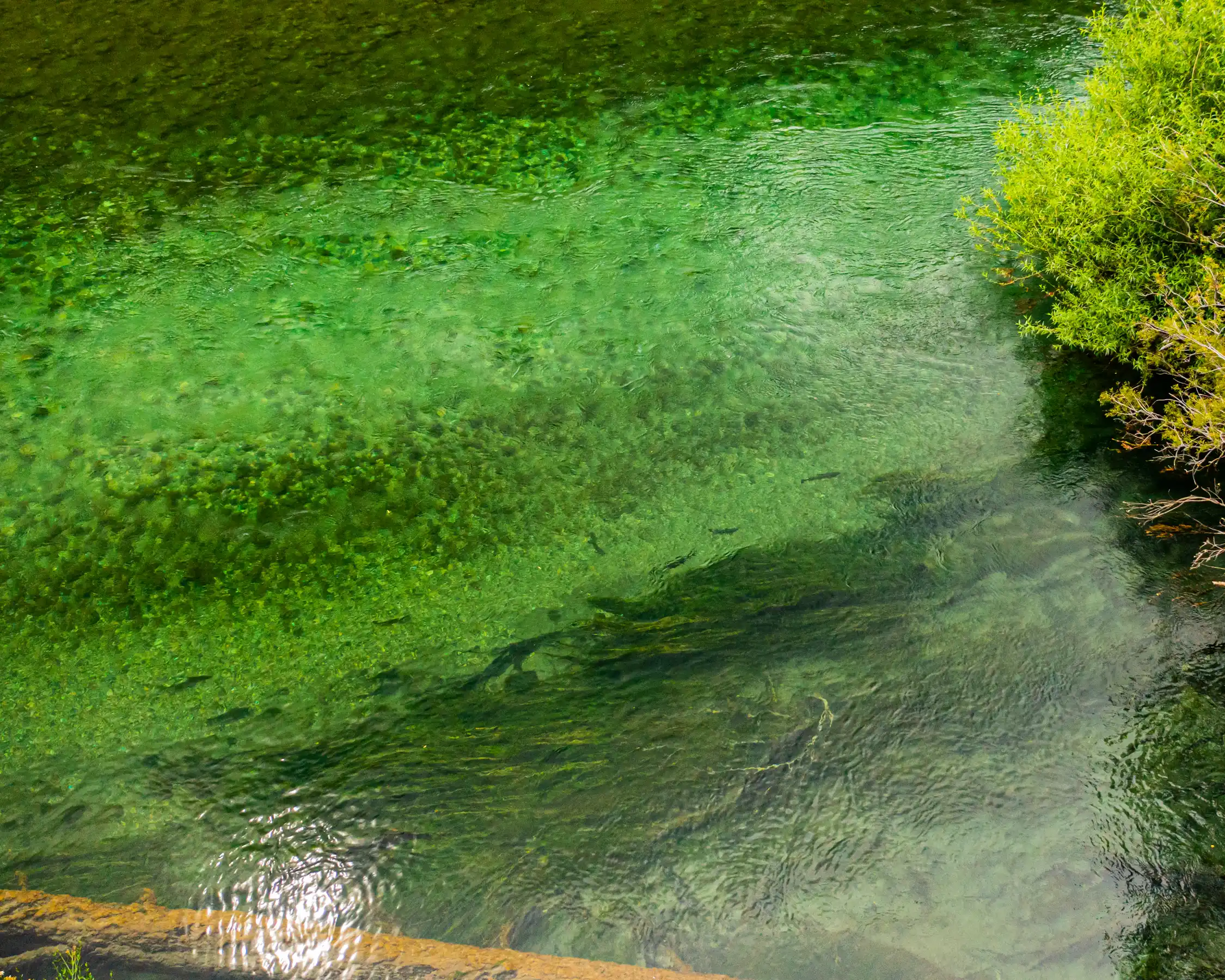
For every presentation, identify the water you want to fish and also identify a good spot to pick up and recast. The end of every dry fly presentation is going to be at least a little messy. At best, the fly will need to be speeded up and fleetingly skated for an elegant lift off the water. At worst, a beginning angler might pop the bug noisily as they prepare to recast. Either way, take pains not to end drifts over good water, since doing so may well put down a fish you might have otherwise caught. Drift the fly until it’s out of prime water, and then commence the process of bringing it back in.
Get it right before moving on
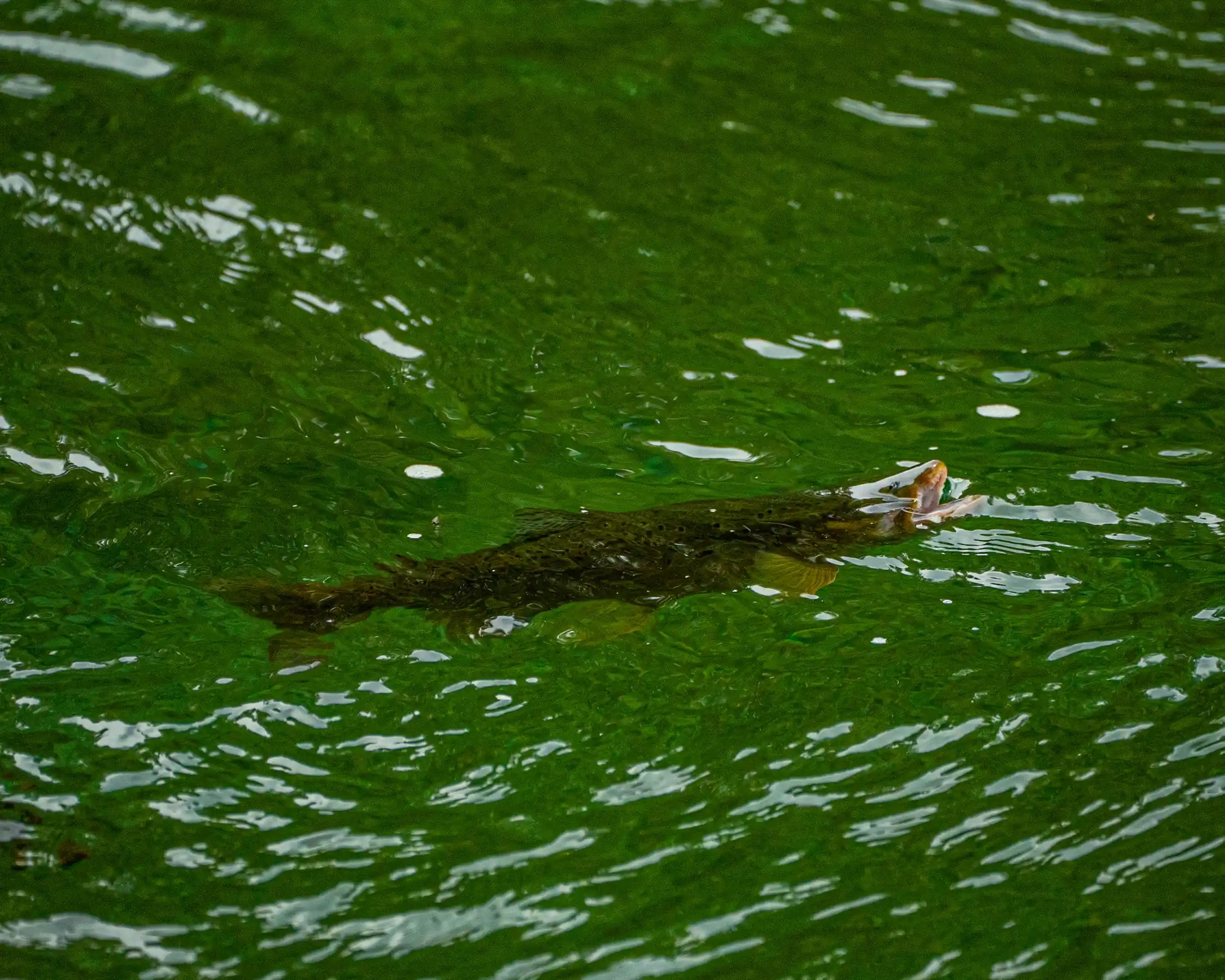
There can be a world of difference between a good drift and a great drift. As we mentioned earlier: a trout that might not move one foot for a fly might well move 6 inches. As such, be sure to get “great” drift to a spot before moving on. Start with a drift just outside the core area and work your way in. Just like nymphers need to occasionally snag bottom to know they are fishing deep enough, prospecting dry fly anglers should occasionally find themselves flying too close to their own sun. As we said above, you’ll know it’s time to move on when you’ve caught a fish or have gotten hung up.
Give your fly the occasional bump
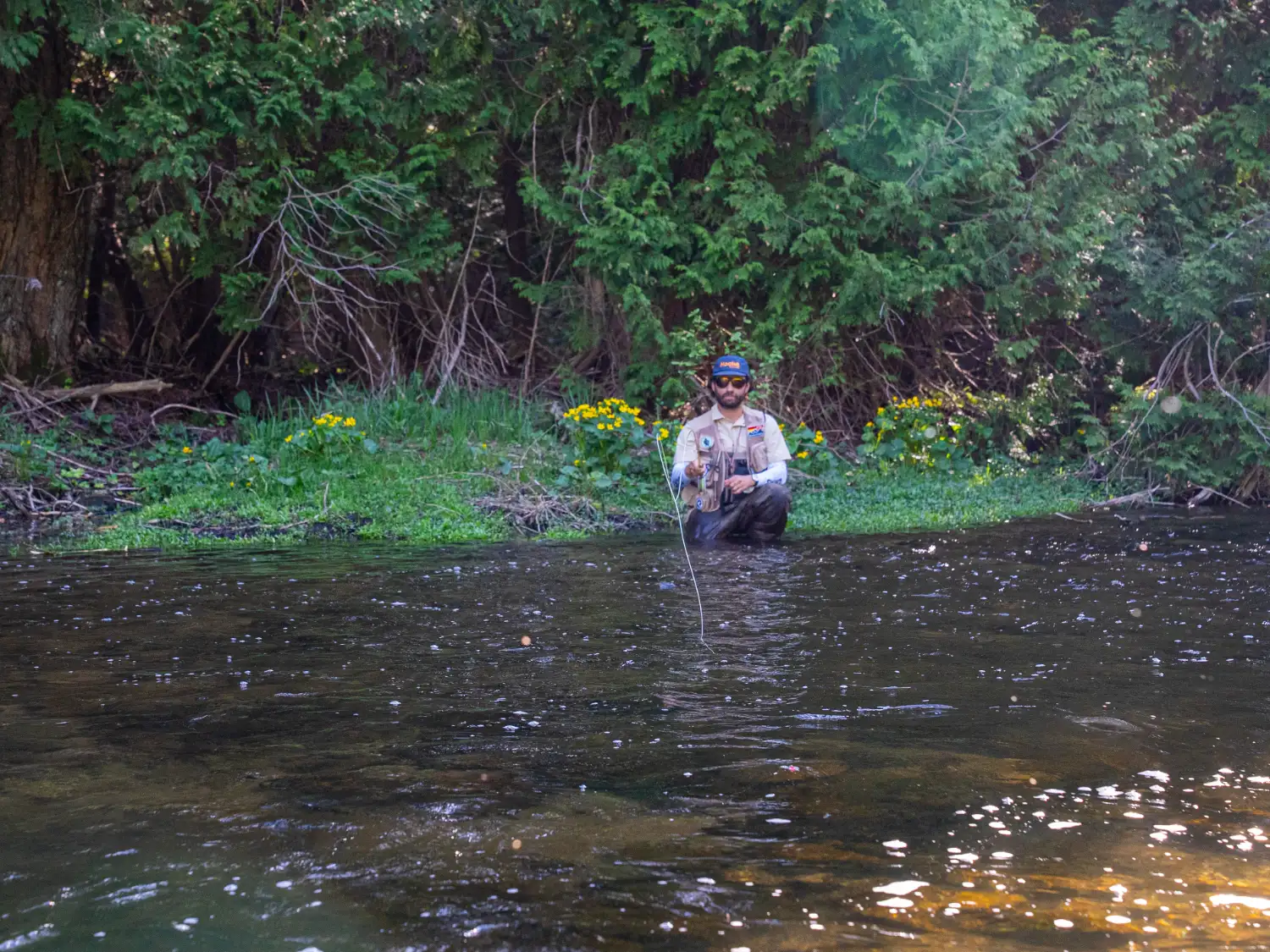
Especially when prospecting with caddis, stoneflies, and terrestrials, giving the fly a twitch can sometimes let a trout know that food is coming down the pipeline. Twitching a bug is especially effective where trout might not have a direct line of eyesight to the bug, such as when fishing undercut banks, dense wood, and broken water. It’s also necessary when we are representing bugs with a lot of natural movement. Remember: always twitch from within the platform of the dead drift.
Conclusion
and onto the next lesson!
Now that we’ve explored the nuances of prospecting and the techniques to find trout in various conditions, it’s time to shift our focus to one of the most telling signs in dry fly fishing: rise forms. These subtle disturbances on the water’s surface are windows into the trout’s behavior and feeding patterns, giving us valuable clues about what they are eating and how we should adjust our approach. Mastering the art of reading rise forms can be the difference between casting aimlessly and making deliberate, effective presentations.
In the next lesson, we’ll dive into the importance of rise forms and how to use them to fine-tune your fly selection and presentation strategy. By understanding the different types of rises and what they reveal about feeding trout, you’ll be better equipped to match the right fly to the right situation. This knowledge will allow you to fish with more precision and confidence, bringing your dry fly fishing skills to the next level.
Dry Fly Fishing Course
Targeting Rise Forms
Trout University
The Best Way to Master Fly Fishing for Trout
Everything you need to learn how to fly fish for trout.
From fly selection to presentation and location, all in one place.
8 Premium Courses
15 Video Classes
1-2hr Power Classes on Key Subjects and solidify your learnings
6 Streamside Courses
10+ Hours of Fishing to See Our Methods in Action
