Catch and Release | Pack it in Pack it Out | Leave No Trace
"We are prone to speak of the resources of this country as inexhaustible; this is not so." - Theodore Roosevelt
Please be a good steward of our precious resources.
South Platte River Fishing Information
Cheeseman Canyon - near Deckers, CO
Let me start by saying, no matter what, you can’t have a bad day in the canyon. That said, it is one of the hardest places to fish in the world. Many say it is the most technical fishery in the country and for good reason. It’s a steep canyon so access is tricky. Once you get to the clear water, the fish are spooky and require perfect drag free drifts through the multi and cross currents that the large granite boulder create. Mainly a nymph fishery these fish are indicator and split shot shy and require small flies to have success. Pretty much all the tough aspects of a river are rolled up into one on the Canyon (or as I like to call it, the Chedda). Cheeseman canyon is popular but requires a hike to access keeping the less adventurous out. There are some days in the canyon that are lights out and even if you spend your whole day not catching a fish, the water is gorgeous and you’ll see more fish than you do in most other rivers. The canyon gives you a birds eye view to the fish and I often spend half the day just watching the trout feed from the big boulders above. Fish range 12-18” in this section and can get much bigger than that if you know where to look.
One the more famous, popular, challenging and enjoyably frustrating places to fish for a day. Close to Denver, you can make it in little over an hour and after a 30 minute hike from the lower lot, you can be in the canyon sighting fish all day long. Exceptionally size and incredibly educated, these trout will put you to the test, but make you feel like the best angler in the world when you have a good day in Chedda Canyon!
More Details About Fly Fishing Cheeseman Canyon on the South Platte River in Colorado
Cheeseman Canyon, located on the South Platte River in Colorado, is widely considered one of the best fly fishing destinations in the state. This stunning canyon features crystal-clear water, breathtaking scenery, and abundant trout populations that make it a favorite among anglers of all skill levels.
One of the great things about Cheeseman Canyon is that it offers excellent fishing opportunities throughout the year. In the winter, the fish are less active, but they can still be caught using small midges and baetis nymphs. As spring arrives, the fishing begins to pick up, and fish can be caught using larger nymphs and streamers. In the summer, dry flies and terrestrials become effective, and you can expect to catch plenty of fish on topwater patterns. In the fall, fish become more aggressive as they prepare for winter, and streamers can be particularly effective.
When it comes to fly selection in Cheeseman Canyon, there are a few patterns that are known to be particularly effective. In the winter and early spring, small midge and baetis nymphs are a go-to choice. In the summer, you’ll want to have plenty of dry flies and terrestrials in your box, including grasshoppers, ants, and beetles. As fall arrives, streamers become more effective, and patterns like the Woolly Bugger and Sculpin can produce great results.
Presentation is key when fly fishing in Cheeseman Canyon. Because the water is so clear, fish can be spooked easily if you’re not careful. You’ll want to approach the water carefully and make sure that you’re not casting a shadow over the area you’re fishing. When presenting your fly, be sure to use a drag-free drift, as this will increase your chances of catching fish. You may also want to consider using a longer leader to give your fly a more natural presentation.
Finally, it’s worth noting that Cheeseman Canyon is a popular fishing destination, and it can get crowded during peak fishing seasons. If you’re planning to fish here, try to arrive early and be prepared for other anglers. By being respectful and following good fishing etiquette, you can ensure that everyone has an enjoyable fishing experience in this beautiful canyon.
Other Fly Fishing Sections of the South Platte River Near Cheeseman
The South Platte River is one of the most fished rivers in the state, not just because of it’s quality fishing, but because it flows through a huge part of the state and offers several year-round tailwaters to fish and other great opportunities all year round. Below are a few other areas you can explore around Cheeseman Canyon. There will come a time where it gets crowded and the lot to cheeseman is full. Remember these other options and you’ll always find some fishable water.
A tough hike in and out, wildcat canyon has a lot of fishable water that remains fairly untouched throughout the year. Most people don’t fish it because of the name (which is accurate, lots of cougars up here) and because it’s a long hike and there is ample fishing closer. You either pass over eleven mile canyon and dream stream or you pass over cheeseman canyon and deckers, all of which are world-class fisheries. Stuck in the middle it’s likely the canyon holds good fish, but few make the effort. Browns and rainbows live here and they range from 12” to 16” most of the time with a few getting bigger. Plan accordingly before access this rugged section and be in good shape to make the trip for the day. Not a great idea to get stuck in cougar town overnight.
On the other side of the wigwam club private water below cheeseman, Deckers section begins and continues to the confluence with the north fork of the south platte. This section has a ton of fish and is only an 60-90 minutes from the front range. The proximity to Denver makes this place often pretty crowded, but with some driving, you can find open water. There are miles of fishable water and the fish are plentiful. There are more fish above the bridge in deckers most times, but there are also 3x the amount of crowds. Fishing downstream of the bridge often yields more fish. I’ve seen some real beasts down there too, so don’t overlook these sections. There are a lot of 18”+ fish in the river that are worthy of a picture or two. Practice good catch and release here as the fish get pressured hard. It’s a fun and challenging place to fish for the day.
<h4>Specific Fly Selection Tips</h4>
<p>There are a ton of flies to use in the canyon and the right fly selection is important. Focus on these colors and sizes of the following insects and refer to the hatch charts for the right time of year to use them:</p>
<ul class="river-listing">
<li>Midge Nymphs, Emergers & Dries
<ul class="sub-list">
<li>Colors: Black, White, Olive</li>
<li>Sizes: #18 – #26</li>
</ul>
</li>
<li>Mayfly Nymphs, Emergers & Dries
<ul class="sub-list">
<li>Colors: Olive, Grey, Yellow, Black</li>
<li>Sizes: #18 – #24</li>
</ul>
</li>
<li>Caddis Nymphs, Emergers & Dries
<ul class="sub-list">
<li>Colors: Olive, Brown</li>
<li>Sizes: #14 – #18</li>
</ul>
</li>
<li>Stonefly Nymphs & Dries
<ul class="sub-list">
<li>Colors: Yellow, Brown, Black</li>
<li>Sizes: #8 – #14</li>
</ul>
</li>
<li>Cranefly Larva
<ul class="sub-list">
<li>Colors: Green, Brown</li>
<li>Sizes: #6 – #14</li>
</ul>
</li>
<li>San Juan Worms
<ul class="sub-list">
<li>Colors: Pink, Red, Brown</li>
<li>Sizes: #10 – #16</li>
</ul>
</li>
<li>Scuds
<ul class="sub-list">
<li>Colors: Grey, Pink, Orange, Olive</li>
<li>Sizes: #14 – #18</li>
</ul>
</li>
<li>Hoppers
<ul class="sub-list">
<li>Colors: Yellow, Tan, Olive</li>
<li>Sizes: #10 – #16</li>
</ul>
</li>
<li>Ants
<ul class="sub-list">
<li>Colors: Black, Red</li>
<li>Sizes: #14 – #18</li>
</ul>
</li>
</ul>
Fish: Many Large-Sized Fish
Popularity: High
Difficulty: Hard
Accessibility: Hard
Best Techniques: Nymphs
Best Seasons: Year Round
River Type: Medium Tailwater
Fish Types:
Rainbow Trout, Brown Trout
Dog Friendly: Yes
Located in the South Platte River Basin near Deckers, CO
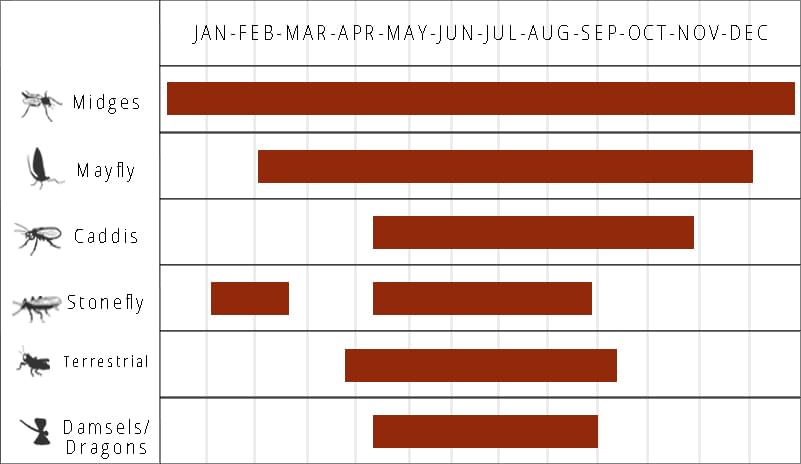
Hatch Charts
Knowing what flies to use is only have the battle. You have to know when the insects are active on the water and when it's likely the trout are feeding on them. Refer to our hatch charts below to understand when the insect categories and some of the possible hatches on the river.
Midge Hatches
Midges hatch year round, but their importance is from September through winter into April. During the warmer months, the trout often focus on larger insects as they are more active on the water like mayflies, caddis and stoneflies.
Aside from Blue wing olives, mayflies are active most commonly from May to August in Colorado. There are many different mayfly hatches found on most rivers and the most common are listed below.
Blue Wing Olive: September throut winter to April
Colors: Green/Olive
Sizes: #16-24
Pale Morning Dun: June to Mid September
Colors: White, Yellow
Sizes: #14 - #20
Green Drakes: June to August
Colors: Olive/Green
Sizes: #8 - #14
Trico Mayflies: Mid July to Mid September
Colors: Black, White, Grey
Sizes: #18 - #26
Caddis Hatches
Caddis hatch starting early in May and continue to the end of October.
Colors: Olive, Green, Yellow, Tan, Orange, Brown and Black.
Sizes: #10 - #20
Stonefly Hatches
We have some great stonefly hatches in Colorado and while not all rivers carry all species of salmonflies, you can often fish stonefly adult patterns with confidence from May to September. Start off in bigger sizes and get smaller till September hits (size 8 - 16)
Golden Stone: June to August
Colors: Yellow, Tan
Sizes: #8 - #14
Yellow Sally Stonefly: Mid June to August
Colors: Yellow, Tan
Sizes: #12 - #18
Terrestrial Activity
Terrestrials don't hatch since they are out of the water, but they can have importance starting in Mid April and ending in September.
There are a ton of flies to use in the canyon and the right fly selection is important. Focus on these colors and sizes of the following insects and refer to the hatch charts for the right time of year to use them:
Midge Nymphs, Emergers & Dries
Colors: Black, White, Olive
Sizes: #18 – #26
Mayfly Nymphs, Emergers & Dries
Colors: Olive, Grey, Yellow, Black
Sizes: #18 – #24
Caddis Nymphs, Emergers & Dries
Colors: Olive, Brown
Sizes: #14 – #18
Stonefly Nymphs & Dries
Colors: Yellow, Brown, Black
Sizes: #8 – #14
Cranefly Larva
Colors: Green, Brown
Sizes: #6 – #14
San Juan Worms
Colors: Pink, Red, Brown
Sizes: #10 – #16
Scuds
Colors: Grey, Pink, Orange, Olive
Sizes: #14 – #18
Hoppers
Colors: Yellow, Tan, Olive
Sizes: #10 – #16
Ants
Colors: Black, Red
Sizes: #14 – #18
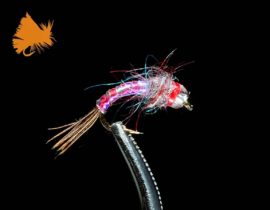
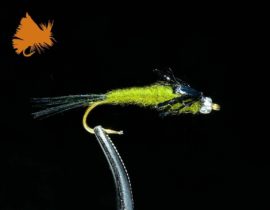
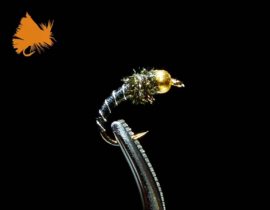
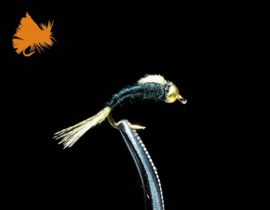
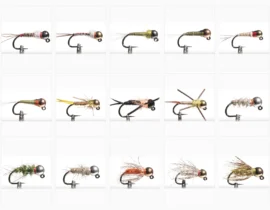
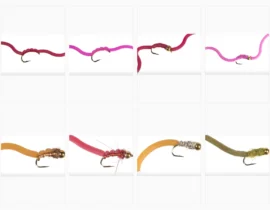
These are the the top flies we sell for this river. Use the hatch chart above to know what flies you will want to have in your fly box during your adventure on the river and then select the flies here 30 days before your trip to get them at a great price. All of our flies are hand tied to each order to ensure quality and to keep our prices low for you.
Click on a fly below to select a size and color for purchase.
Our fly assortments make fly selection easy. We take our entomology knowledge and years of fly fishing experience on these rivers to bring you the right fly patterns, including the correct colors, sizes and quantities to set you up for success. A good selection of flies will prepare you properly for anything the trout may be eating on the river and our fly assortments are specifically curated to maximize your success. Take a look at the assortments we provide below and add one to your box today. Use coupon code AST50 for $50 off and free shipping on these as well, just to help make fly fishing a little more affordable!
Click on any of the pictures to see what flies, colors and sizes we recommend in each assortment.
View our access map for the South Platte River and learn public and private access points as well as other notable features around fly fishing this river. We include headwater and confluence data and in an effort to not "hotspot" river access points that are better than others, we list every access point available. This serves two purposes. First, it keeps us from hotspotting, which is just showing the best spots and bringing unwanted and harmful attention to the specific access point. The second reason is while we want to help you catch fish and find great places to explore, we don't want to spell it all out for you. If you get it all spelled out, we're doing the exploring, not you. Missing out on the journey of exploring places to fly fish is one of the more enjoyable aspects of fly fishing. While not everyone has time to go explore everything in person, we provide some of the top level data to help you know if something is worth your time, then pass it off to you to explore and find your own adventure. Now enjoy the info, if you're on this page then this river is worth exploring! Go out and find some memories.
South Platte River Tips & Resources
Use these epic resources to get ready for your adventure. Whether you're planning your trip, learning your insects, improving your fishing with expert tips or getting detailed resources from the USGS streamflows or DoW, we got you covered to help you find the river and find the success you want.