When fishing slows, the first thing most anglers do is open the fly box. It feels productive. You swap out one pattern for another, make a few more casts, still nothing, then try a third fly. An hour later you have gone through six patterns and you are no closer to a fish. The problem is that you were solving the wrong variable. Changing flies is the right move only when the fly is actually the weak link. Most of the time it is not. Location and presentation fail anglers far more often than fly selection does, and until you learn to diagnose which pillar is breaking down, you will keep chasing the wrong fix.

Changing Flies Will Not Fix Every Fishing Problem
How to find the weak link in the Three Pillars
Start With the Three Pillars
Successful trout fishing comes down to three things working together: location, presentation, and fly selection. These are the Three Pillars. If any one of them is significantly off, the other two cannot fully compensate. Understanding what each pillar actually controls makes diagnosing a slow day much more straightforward.
Location is about whether trout can physically see and reach your fly. Trout are not scattered randomly across a river. They hold in specific places where the current delivers food with minimal energy expenditure. Fast water in the middle of a riffle sounds fishy but may hold almost nothing if the fish have moved to the soft seam along the far bank or are sitting deep in a pool tail-out. If you are not fishing where the fish are, the best fly on the planet and a textbook drift will not produce results.
Presentation is about whether the fly moves the way a real food item would move at that moment. In nymph fishing, this mostly means depth and drift quality. A nymph that rides two feet above where the fish are holding is effectively invisible to them, even if the pattern is perfect. Drag is the other killer. When your indicator or fly line creates tension that pulls the nymph across the current faster than the surrounding water, the fly looks wrong to a trout, and trout are wired to notice that. They will refuse a dragging fly that they would otherwise eat without hesitation.
Fly selection is about whether the pattern you are using resembles something the fish currently recognize as food. This matters, but it tends to matter less than most anglers expect, and it matters most only after location and presentation have been sorted out. A reasonable fly in the right zone on a clean drift catches fish. An unreasonable fly on a perfect drift can still fool fish surprisingly often. A perfect fly on a dragging drift in the wrong part of the river catches almost nothing.
The reason fly selection gets blamed first is simple: it is the easiest variable to change and the most visible one. You can swap a fly in thirty seconds. Diagnosing whether your indicator depth is correct, or deciding to move two hundred yards upstream to better water, takes more thought and more humility. But it is almost always the better investment.
How to Find the Weak Link
Finding the weak link starts with asking honest questions in order. You want to check location first, presentation second, and fly selection third. This order matters because location sets the ceiling for everything else. No amount of presentation skill or fly selection will overcome fishing unproductive water.
Location failure usually looks like this: you are fishing water that appears good but the fish are simply somewhere else. Runs that look fast and attractive from the bank often have a narrow productive seam where the current breaks and slows. Fish in faster water tend to hold along current edges, not in the full velocity. They also respond to depth. In cold water fish move deep and slow, dropping out of the faster mid-column. Fishing too shallow when fish are on the bottom is a location problem, not a fly problem.
Signs that location may be your weak link include fishing a stretch for a meaningful amount of time without a touch, a tap, or a fish following. That is different from a fish refusing or a strike you missed. Zero contact over a productive-seeming run often means the fish are simply not there, or your fly is never crossing their feeding lane.
Presentation failure is more nuanced. In indicator nymphing, the most common failure modes are depth and drag. Indicator set too shallow means the flies are suspended above the feeding zone. Indicator set too deep in shallow or moderate water means the flies are dragging on the bottom before drifting naturally. The sweet spot is roughly one and a half to two times the depth of the water, adjusted by feel based on what you observe.
Drag is harder to see than people expect. Obvious drag, where the indicator is visibly pulling across the current, is easy to catch. But subtle drag from belly in the fly line or a slight speed differential between your indicator and the water around it is easy to miss. If your indicator is moving faster or slower than the surface foam or debris near it, you likely have drag. Signs of presentation failure include fish that show interest but refuse, or cases where you get an occasional strike in one specific spot of the drift but nothing through the rest of it.
Fly selection failure looks different from both of the above. When the fly is genuinely the issue, you often still get some contact. Fish may follow and turn away. You might see refusals during a dry fly situation. Nymphing, you might pick up an occasional fish but far fewer than the water should produce. If you are getting strikes and losing fish or getting refusals but the drift looks clean and you are in the right water, then fly selection is a reasonable place to look.
A Simple On-River Diagnosis
Here is a short checklist you can run through the next time fishing slows. Keep it in this order.
1. Am I in the right water? Look at where you are casting. Is there a defined current seam or drop-off nearby? Are there visible holding features – boulders, depth changes, converging currents – that give trout a reason to be here? If the run looks uniform or too fast with no defined edge, consider moving. Upstream pools, inside bends, and slower tailouts often hold more fish than fast broken water mid-stream.
2. Is my drift reaching the right depth and is it clean? For indicator nymphing: compare your indicator's speed to nearby floating debris. If your indicator is moving faster than the surface current, you have drag. If fish are holding deep and you are not feeling or snagging bottom occasionally, your flies are probably too high. Adjust your indicator depth by six-inch increments, deeper if you are not getting contact, shallower if you are catching bottom too often.
Check your mend. A good upstream mend immediately after the cast gives the flies time to sink before tension builds. Without it, even a good setup drifts poorly from the start.
3. Does my fly make sense for what is available? This is not a complicated question. You do not need to know every species of insect in the river. You need to ask whether your fly matches the general size, shape, and behavior of what is likely in the water right now. In spring and fall, smaller darker nymphs are usually appropriate. In summer, lighter and sometimes larger patterns come into play. If you are fishing a size 10 stonefly imitation in slow flat water in the middle of winter, the fly is probably out of place.
Only after you have checked both location and presentation should you make your first deliberate fly change.
A Worked Example When the Fly Was Not the Problem
Picture an angler working a classic riffle-to-run transition. The water looks exactly right: broken surface upstream, a defined seam dropping into a deeper run downstream, good current speed. The angler sets up on the upper portion and starts working the run with a two-fly nymph rig under an indicator. After thirty minutes and dozens of drifts, nothing.
The instinct is to change flies. Maybe the lead fly should be bigger, or a different color. Maybe the dropper should be swapped for something olive.
But look at what actually happened before the first fly change.
The indicator was set at the depth that looked right from the bank – about three and a half feet. The water in the upper riffle was fast and relatively shallow, maybe two feet deep. At that depth and current speed, the flies were spending most of the drift dragging on the surface film or skipping along the bottom before they ever reached the softer, deeper water of the run below. The seam the angler was targeting was real, but the productive zone – where the fish were actually holding – was another thirty feet downstream where the current slowed and deepened to closer to four feet.
The angler should have walked downstream and set up below the seam, casting up into the deeper, softer water at the tail of the riffle where the transition happens. That is where the fish were sitting, taking advantage of the current delivering nymphs without having to fight the full velocity.
Once in the right position: adjust the indicator down to about five or six feet to get the flies into the lower half of the water column. Make a longer upstream mend after the cast to keep the indicator drifting at water speed through the transition zone.
On the third drift with this adjustment, the indicator dips. A 15-inch brown comes to hand.
The flies never changed. A Pheasant Tail and a smaller midge dropper were on the rig from the start. They were fine. The problem was that the angler was in the wrong spot presenting at the wrong depth. Once location and presentation were corrected, the flies did their job.
This is the pattern that plays out over and over for anglers who stop catching fish and immediately reach for the fly box. The fly box is not where the answer usually lives.
What to Change First
When fishing slows, here is the honest sequence.
Move first if you need to. If you have fished a run for a reasonable stretch of time with zero contact, not refusals, not near-misses, just nothing, trust that signal. The fish may not be there. Work downstream or upstream to a different feature. The most experienced anglers on a river spend as much time reading and moving as they do casting.
Adjust presentation before you change flies. If you are getting some contact but inconsistent results, or if your indicator is moving at a speed that does not match the water around it, fix the drift first. This usually means correcting depth, improving your mend, or repositioning to get a better angle on the run. These adjustments take two or three minutes and can completely turn a run around.
Then, and only then, look at the fly. When you reach the point where location is right, the drift is clean and natural, fish are in the zone, and you are still getting nothing or consistent refusals, it is time to look at the pattern. Ask whether the size makes sense. Ask whether the profile is reasonable for what is in the water. Ask whether a color adjustment might help. These are legitimate questions, but they are only useful after the first two pillars are solid.
There are days when the fly genuinely is the problem. If a major hatch is on and fish are keyed tightly to one specific insect, matching the general size and shape of that insect becomes important. Highly pressured fish on clear tailwaters can also become selective in ways that require more precise patterns. Those situations are real, but they are not the default. They are the exception.
Most days, on most rivers, a reasonable nymph in the right zone on a clean drift is enough. The angler who learns to diagnose location and presentation honestly will outfish the angler cycling through flies on nine out of ten days.
The framework is simple. Check location. Check presentation. Then check the fly. Run the sequence in that order every time fishing slows, and you will spend far less time frustrated at the fly box and far more time with a bent rod.
Trout University
The Best Way to Master Fly Fishing for Trout
Everything you need to learn how to fly fish for trout.
From fly selection to presentation and location, all in one place.
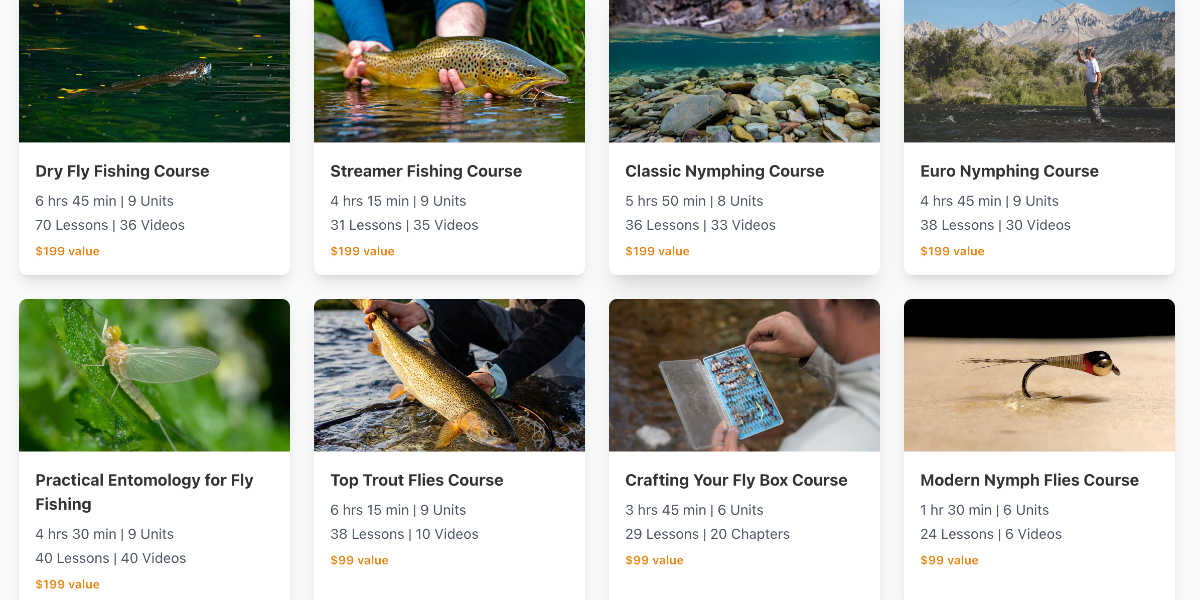
8 Premium Courses
~1,600 Pages & 30+ hrs of Video covering the most important topics
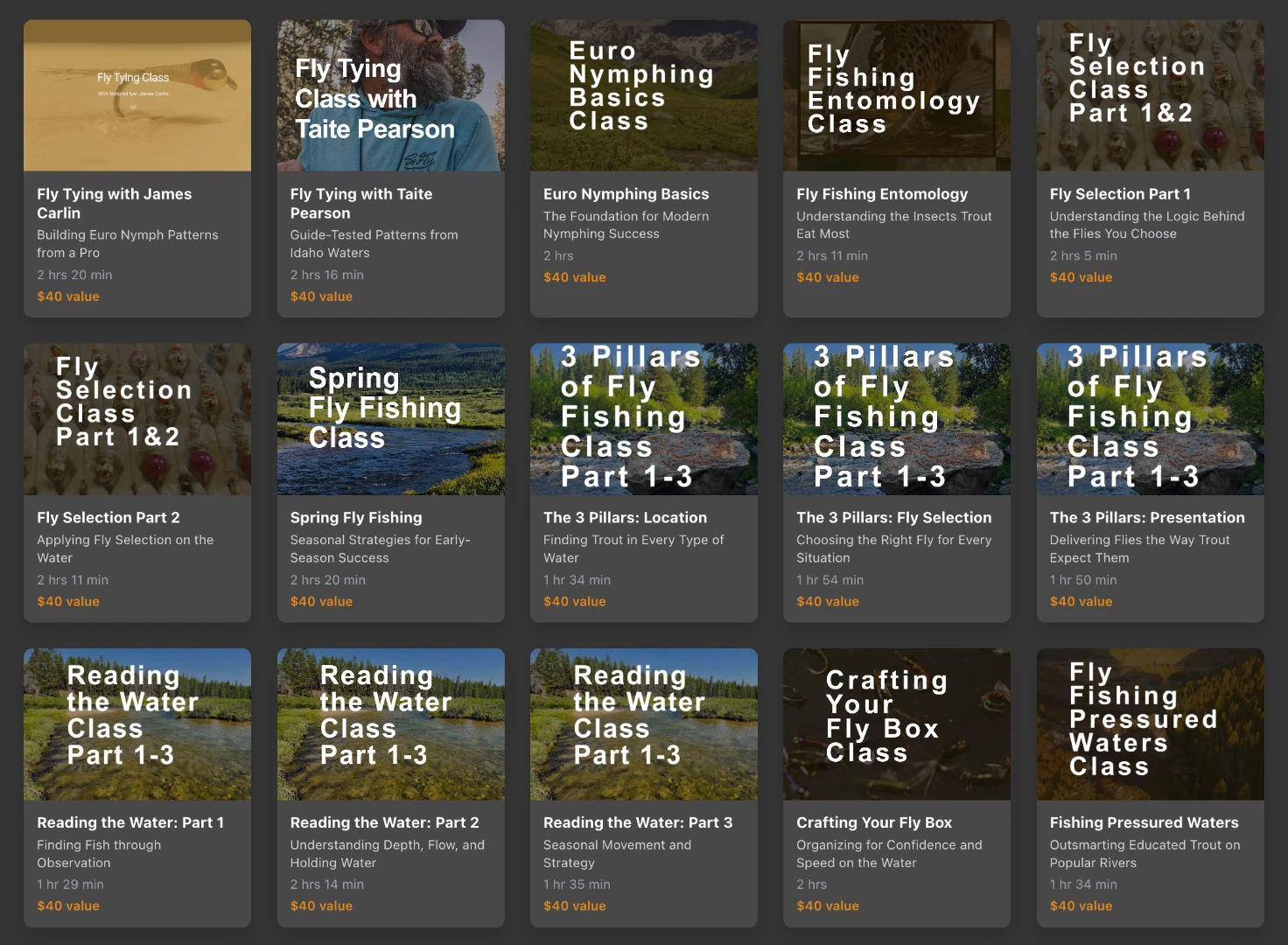
15 Video Classes
1-2hr Power Classes on Key Subjects and solidify your learnings
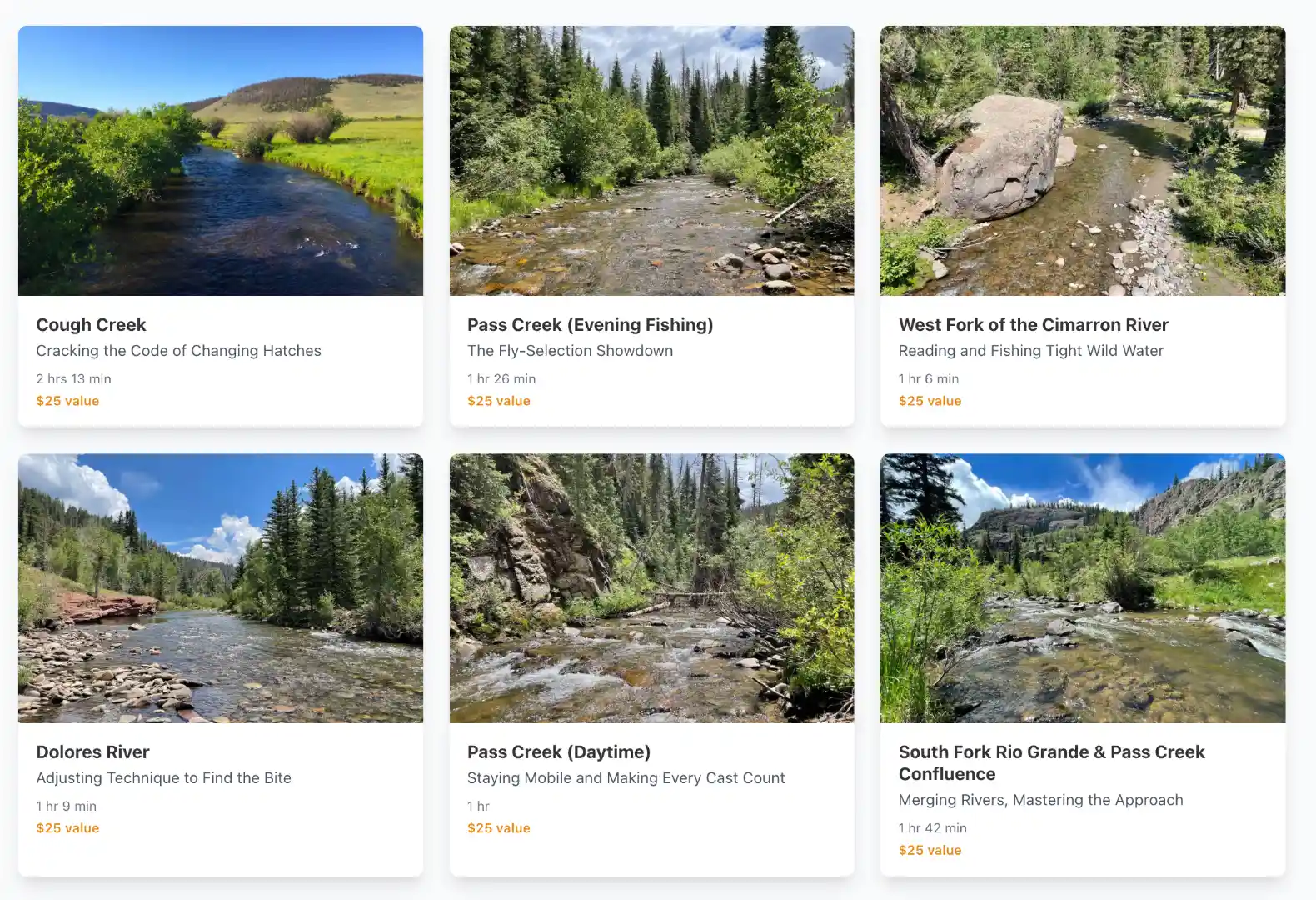
6 Streamside Courses
10+ Hours of Fishing to See Our Methods in Action
Recommended Reading
If presentation is where you want to dig deeper, What Does a Good Nymph Drift Look Like? is the right place to start. It covers what a clean drift actually looks like in practice and how to tell when you have one.
For location decisions, Which Part of the River Should You Fish? walks through how to read a river and pick the water most likely to hold fish before you ever make a cast.
If you want to build all three pillars together with structured lessons, practical exercises, and a complete learning path, Trout University is the natural next step. It covers location, presentation, and fly selection as an integrated system so each piece of your fishing reinforces the others. For anglers focused specifically on nymph fishing, the Classic Nymphing Course goes deep on depth, drift, indicator setup, and strike detection – the exact skills that decide whether presentation is working on a given day.