
Fly Fishing Newsletter
Helpful Knowledge to Make You a Stronger Angler
Written by The Catch and The Hatch

The 8 Best Trout Flies for Summer
The 8 Best Trout Flies for Summer How to choose flies as summer conditions change The eight best trout flies for summer are the Chernobyl Ant , Fat Albert, Half Chubby Chernobyl, Griffith’s Gnat, Parachute Adams , Beadhead Pheasant Tail Nymph , Copper John ,…
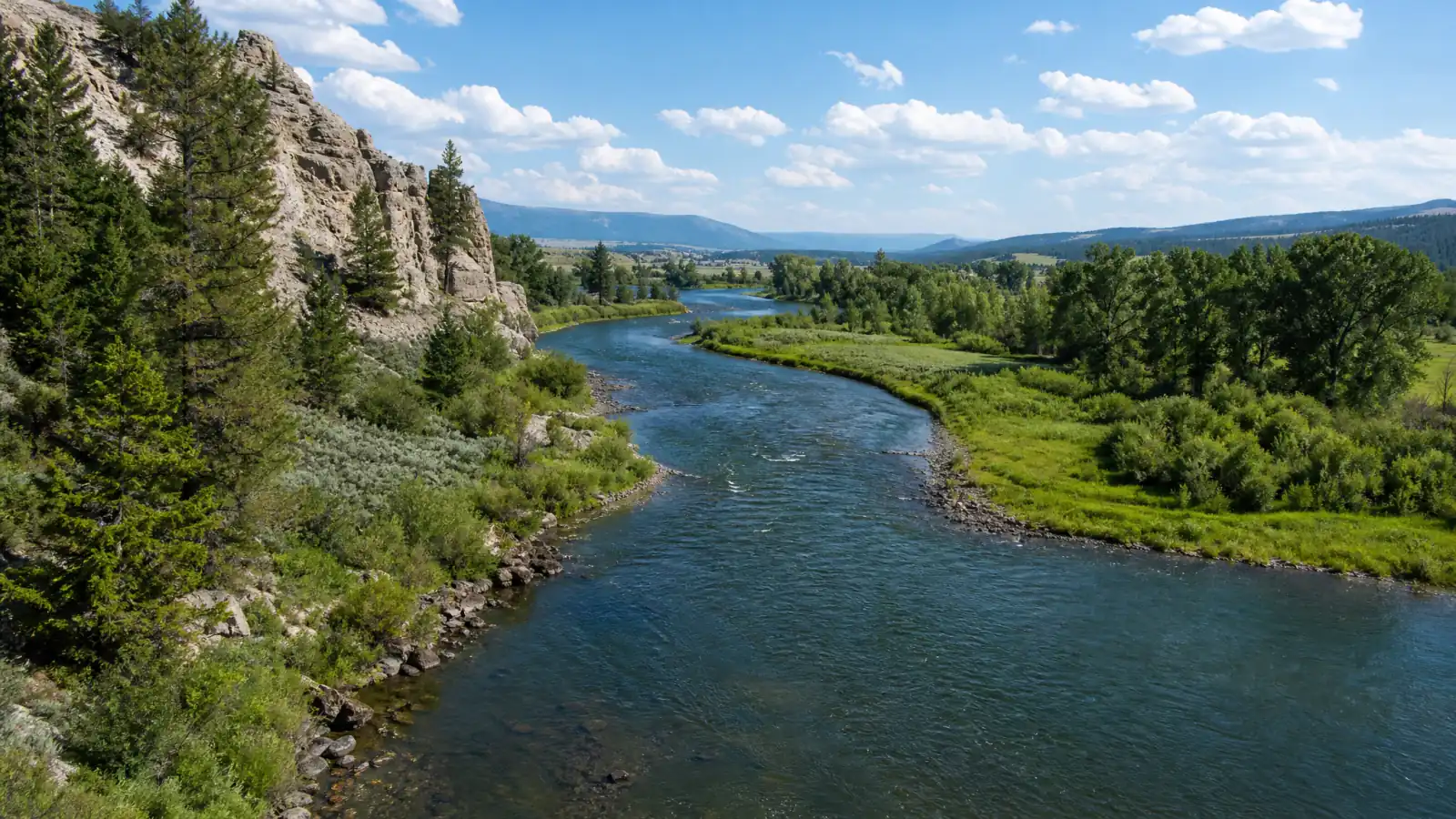
Complete Guide to Fly Fishing the Madison River in Montana
Complete Guide to Fly Fishing the Madison River in Montana There is a moment on the Madison that catches most anglers off guard the first time. You step in, look at what appears to be an even sheet of moving water stretching bank to bank, and realize you…
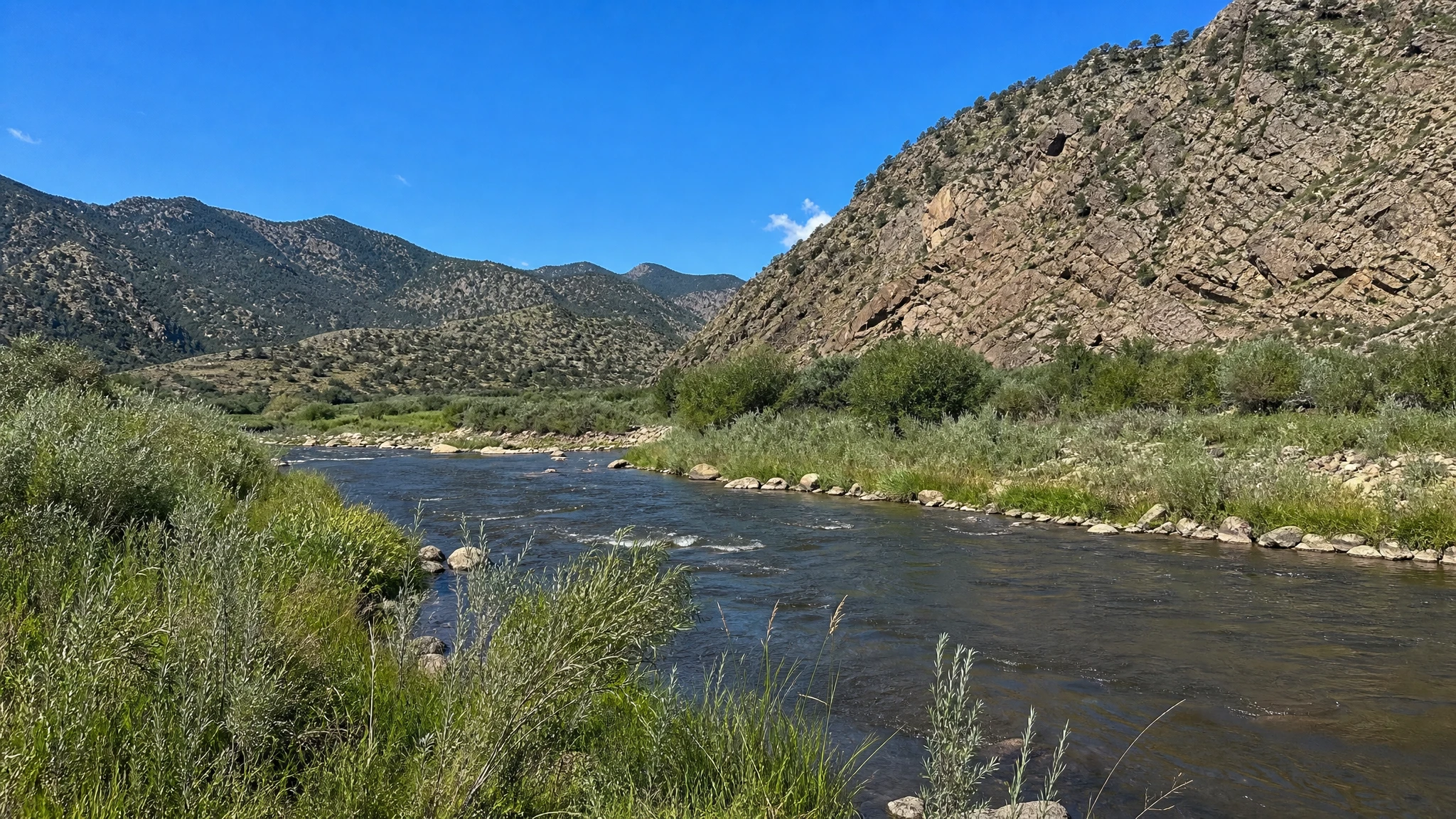
The 8 Best Trout Flies for the Arkansas River in Summer
The 8 Best Trout Flies for the Arkansas River in Summer How to match flies to summer food and water The eight best trout flies for the Arkansas River in summer are the Pats Rubberleg Stonefly , Beadhead 20 Incher Stonefly , Copper John , Beadhead WD-40 , CDC…
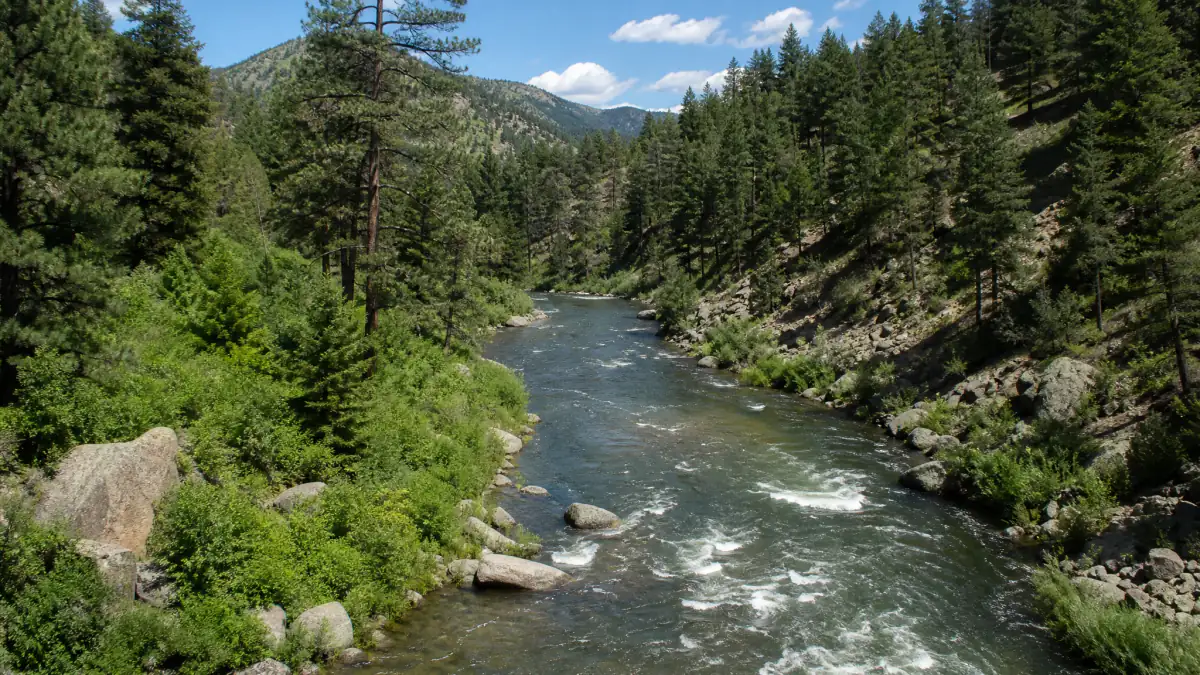
Complete Guide to Fly Fishing the South Platte River in Colorado
Complete Guide to Fly Fishing the South Platte River in Colorado Most Colorado rivers give you one kind of fishing. The South Platte gives you almost all of them, and that is exactly what makes planning a trip here complicated. You can stand in a meadow…
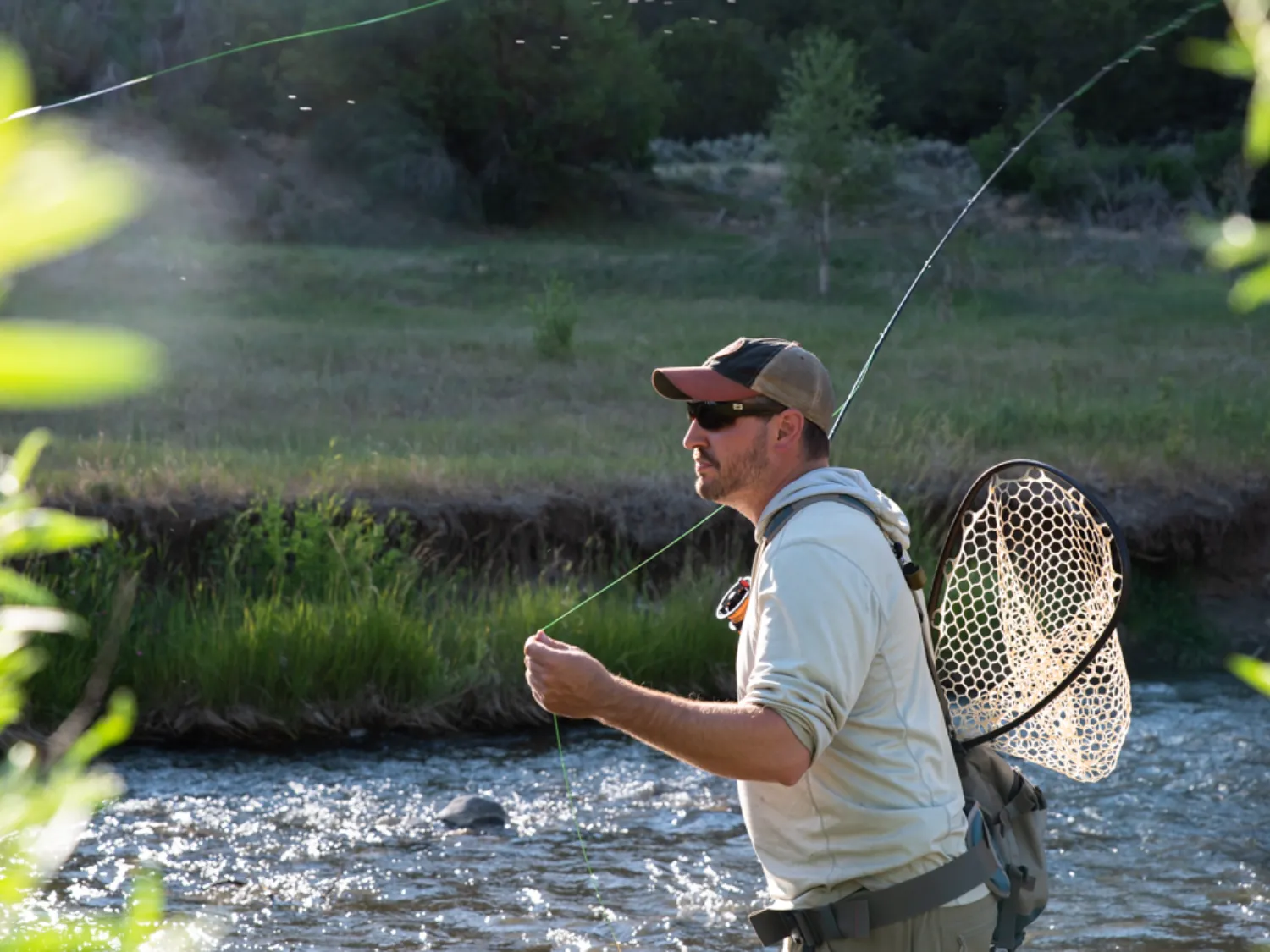
How Many Trout Flies Do You Really Need?
How Many Trout Flies Do You Really Need? How to cover more situations with fewer patterns Most trout anglers need far fewer flies than they own. A focused set of 8 to 12 patterns, chosen by job and season rather than by catalog browsing, covers the majority…
Complete Guide to Fly Fishing the Arkansas River in Colorado
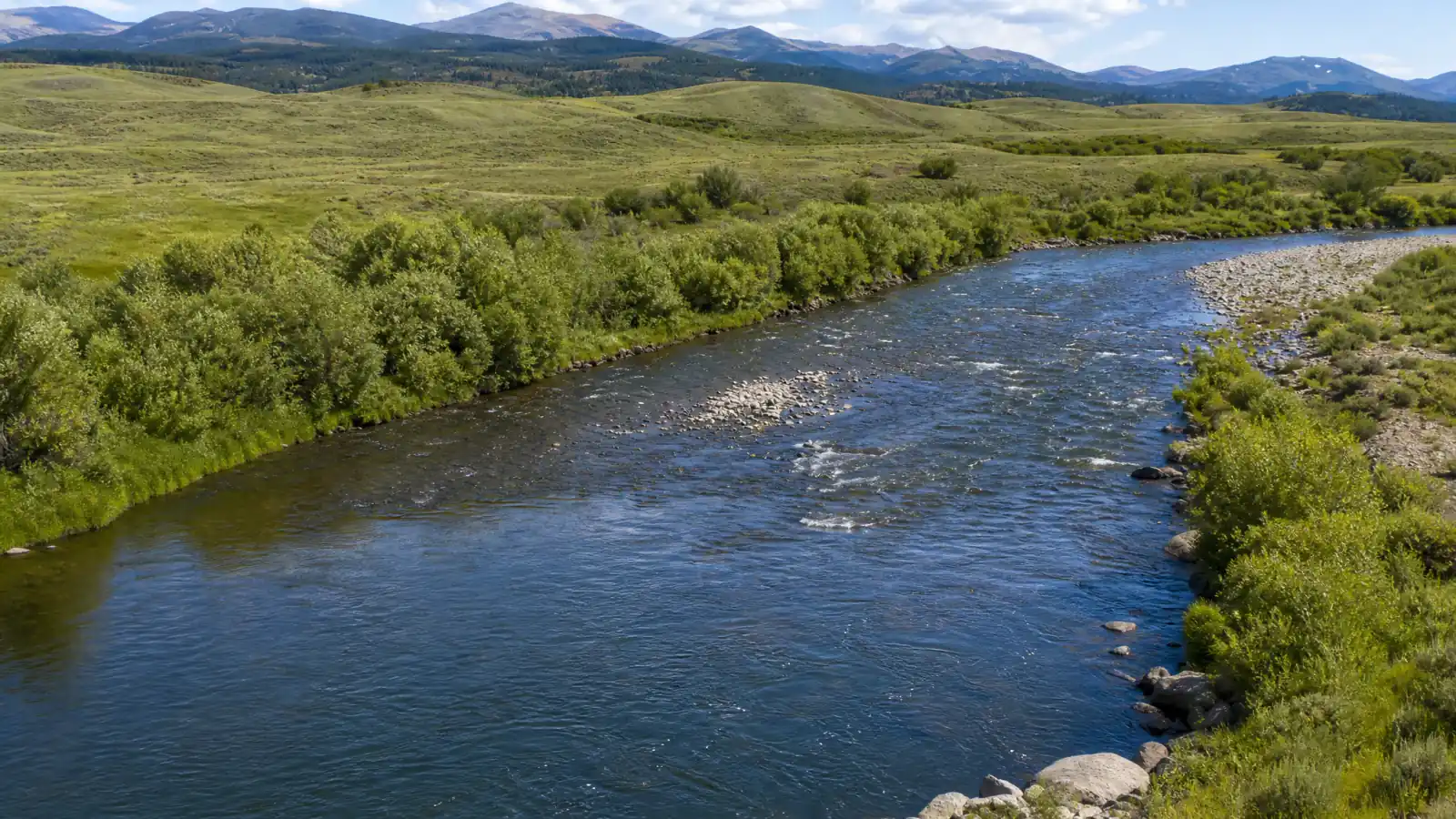
Complete Guide to Fly Fishing the Arkansas River in Colorado Most Colorado rivers give you a hatch and then take it away. You show up hoping for caddis, get twenty minutes of confused rising fish, and spend the rest of the day nymphing. The Arkansas River…
Changing Flies Will Not Fix Every Fishing Problem
Changing Flies Will Not Fix Every Fishing Problem How to find the weak link in the Three Pillars When fishing slows, the first thing most anglers do is open the fly box . It feels productive. You swap out one pattern for another, make a few more casts, still…
Build Your Fly Box Around Insect Stages
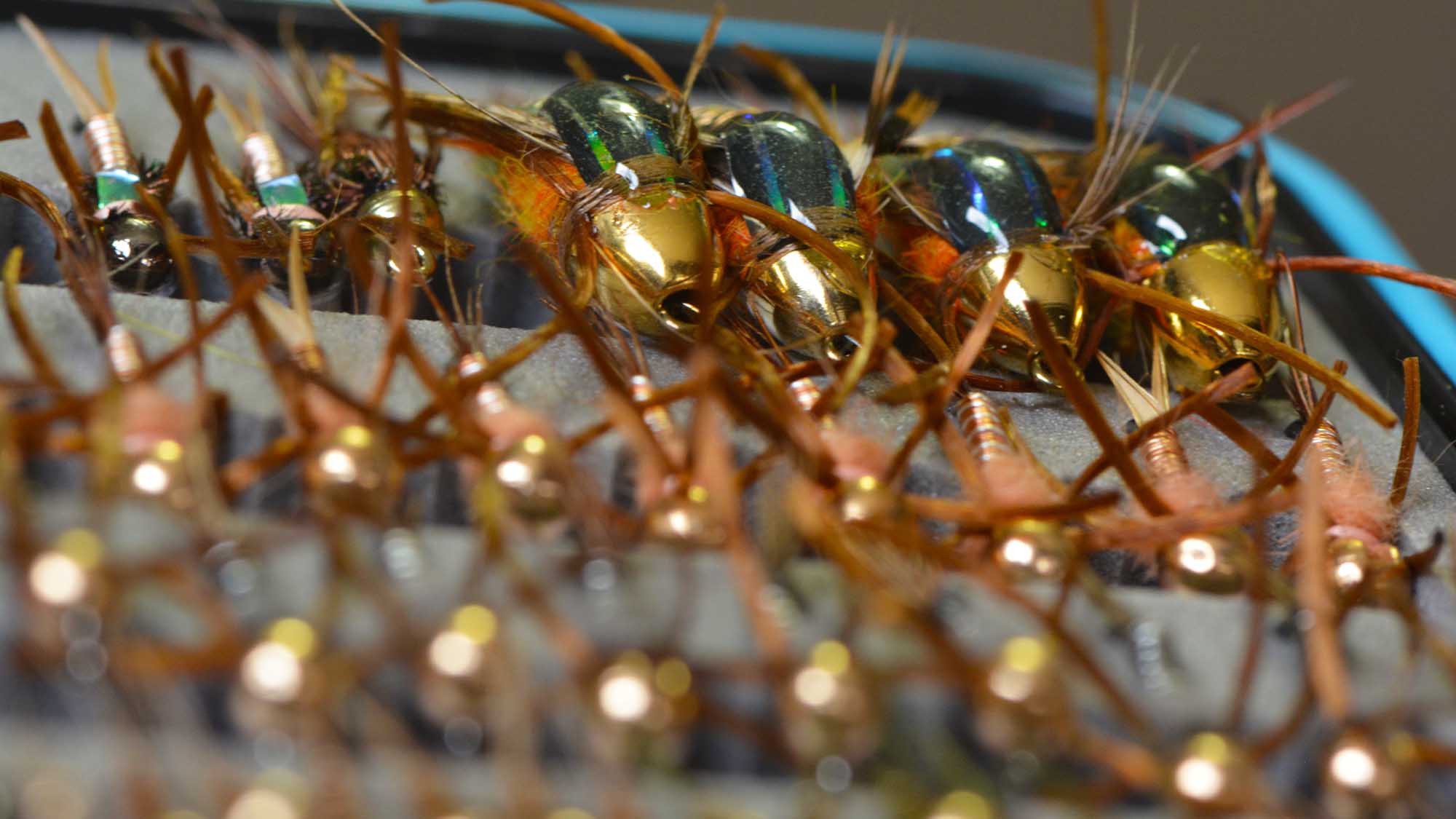
Build Your Fly Box Around Insect Stages How to create better seasonal coverage Organize your fly box by insect stage, not by pattern name. That single shift changes how you shop, how you pack, and how fast you find the right fly on the water. Instead of…
Why a Full Fly Box Still Feels Empty
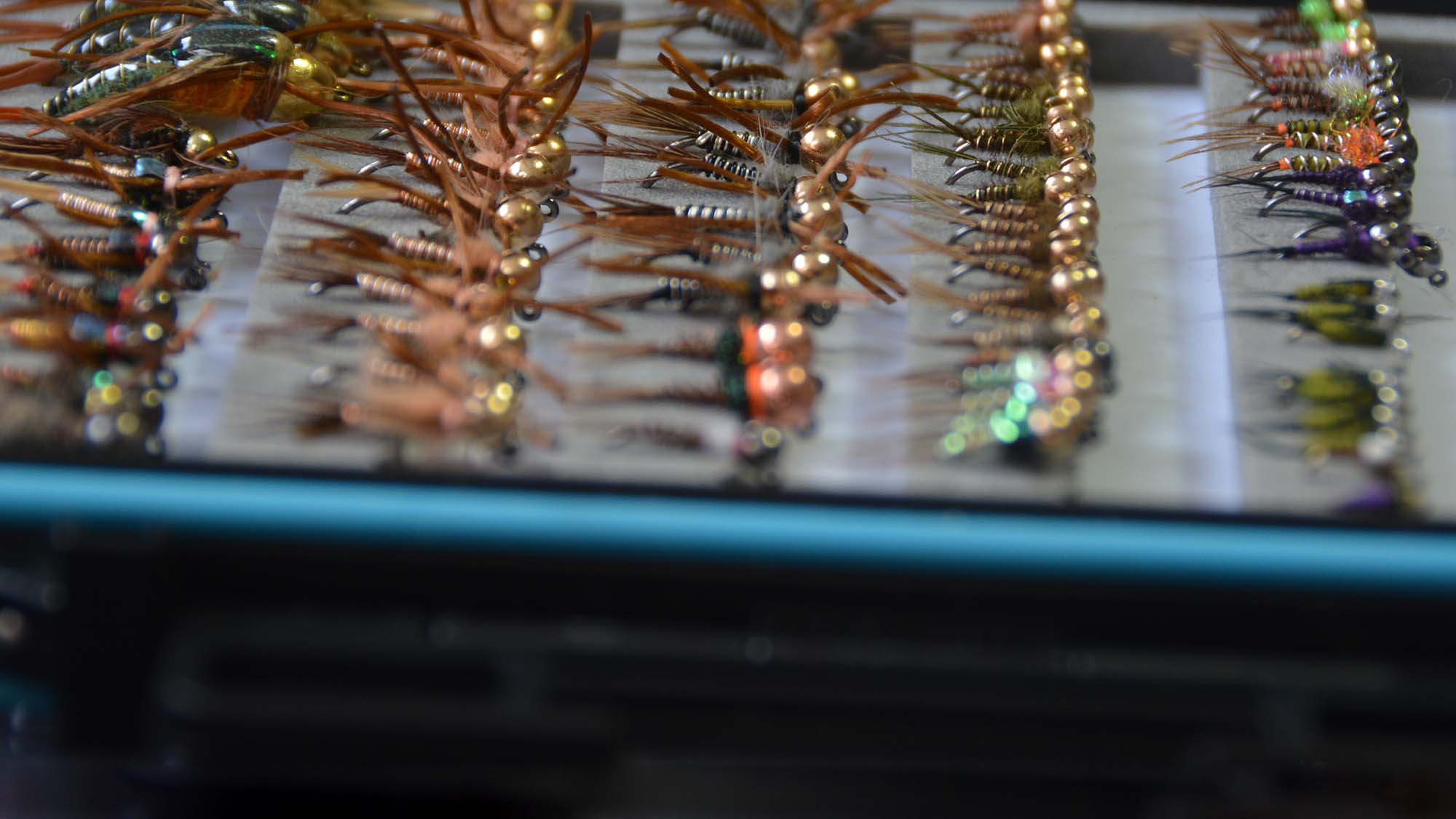
Why a Full Fly Box Still Feels Empty How to build useful coverage instead of clutter A full fly box feels empty because it has duplication, not coverage. The fix is to stop counting patterns and start counting jobs. Every distinct fishing situation – a…

What Does a Streamer Follow Tell You?
What Does a Streamer Follow Tell You? How to adjust after a follow, flash, or miss A follow is not a failed cast. It is a fish telling you something specific – and if you know how to listen, that single interaction contains more useful information than a…
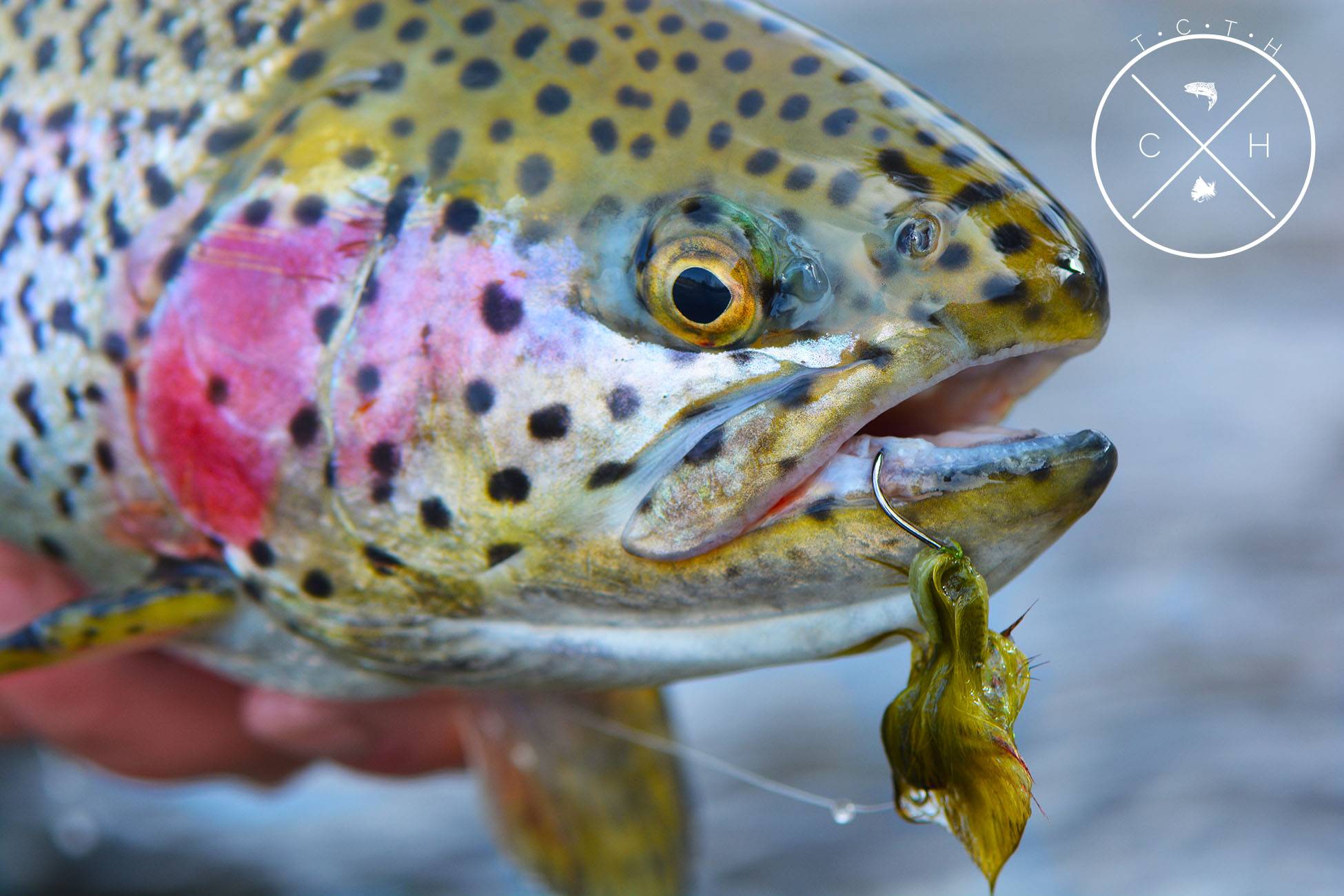
How Deep Is Your Streamer Really Fishing?
How Deep Is Your Streamer Really Fishing? How line, leader, angle, and retrieve control depth Your streamer is almost certainly not fishing where you think it is. The depth of a streamer is not a fixed number you dial in at the start and hold throughout the…

Should You Strip, Swing, Drift, or Jig a Streamer?
Should You Strip, Swing, Drift, or Jig a Streamer? How to match the presentation to the water The short answer is this: let the water decide. Current speed, depth, and where the fish are holding should determine your presentation before you ever make a cast….