How to Fly Fish with Wet Flies
What They Are and How to Use Them →
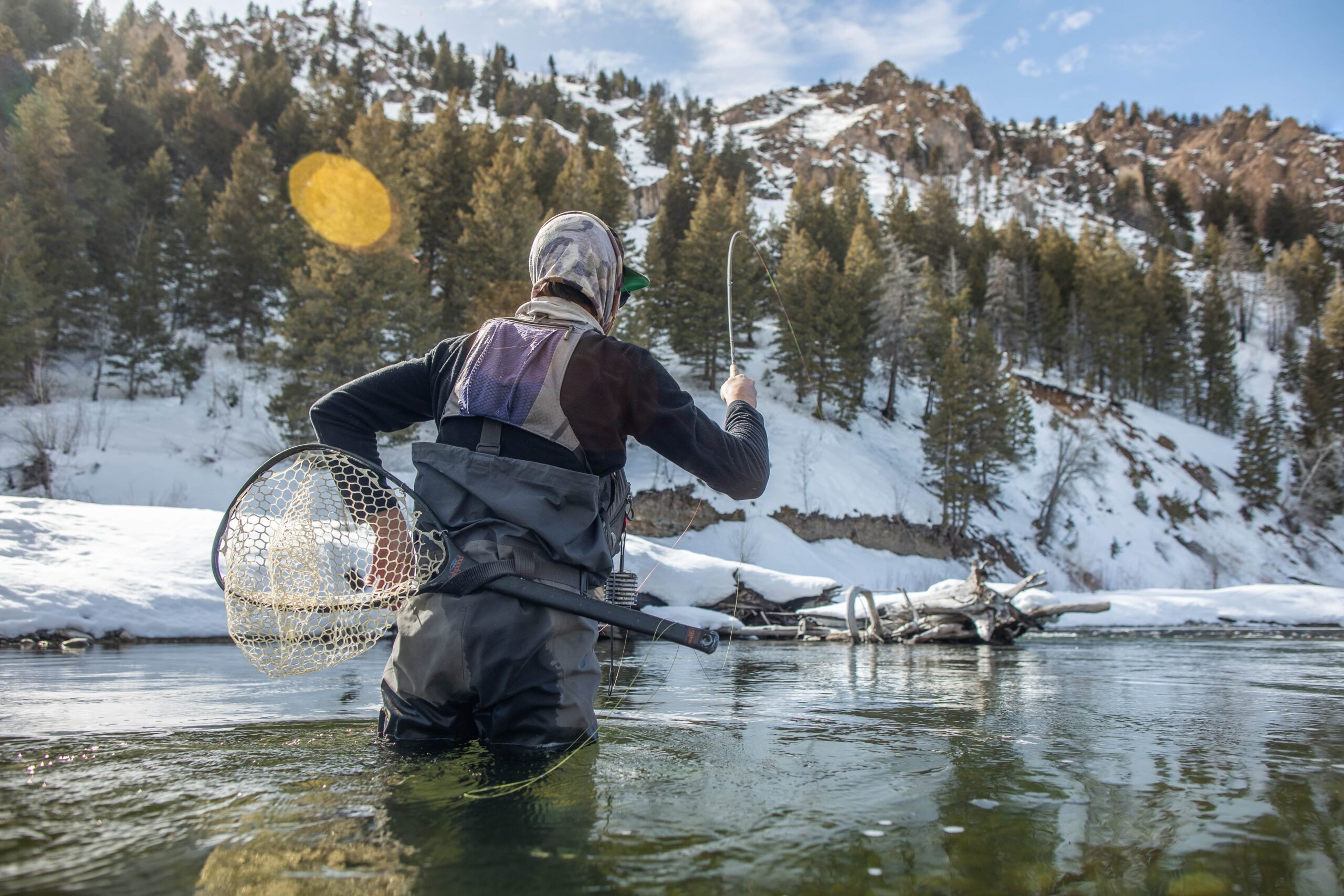
Fly fishing with wet flies is an exciting and rewarding way to catch trout, and one of the oldest fly fishing techniques. It involves casting a wet fly into the water and allowing it to sink below the surface to imitate aquatic insects such as mayflies, midges, caddis and stoneflies. Wet flies can be fished in a variety of water types, from slow-moving streams to fast-flowing rivers, and can be used in both still and moving water. In this article, we will guide you through the basics of how to fly fish with wet flies, including the different types of wet flies, how to rig them, and some tips for success on the water.
Section 1: Types of Wet Flies
THey come in all shapes and sizes
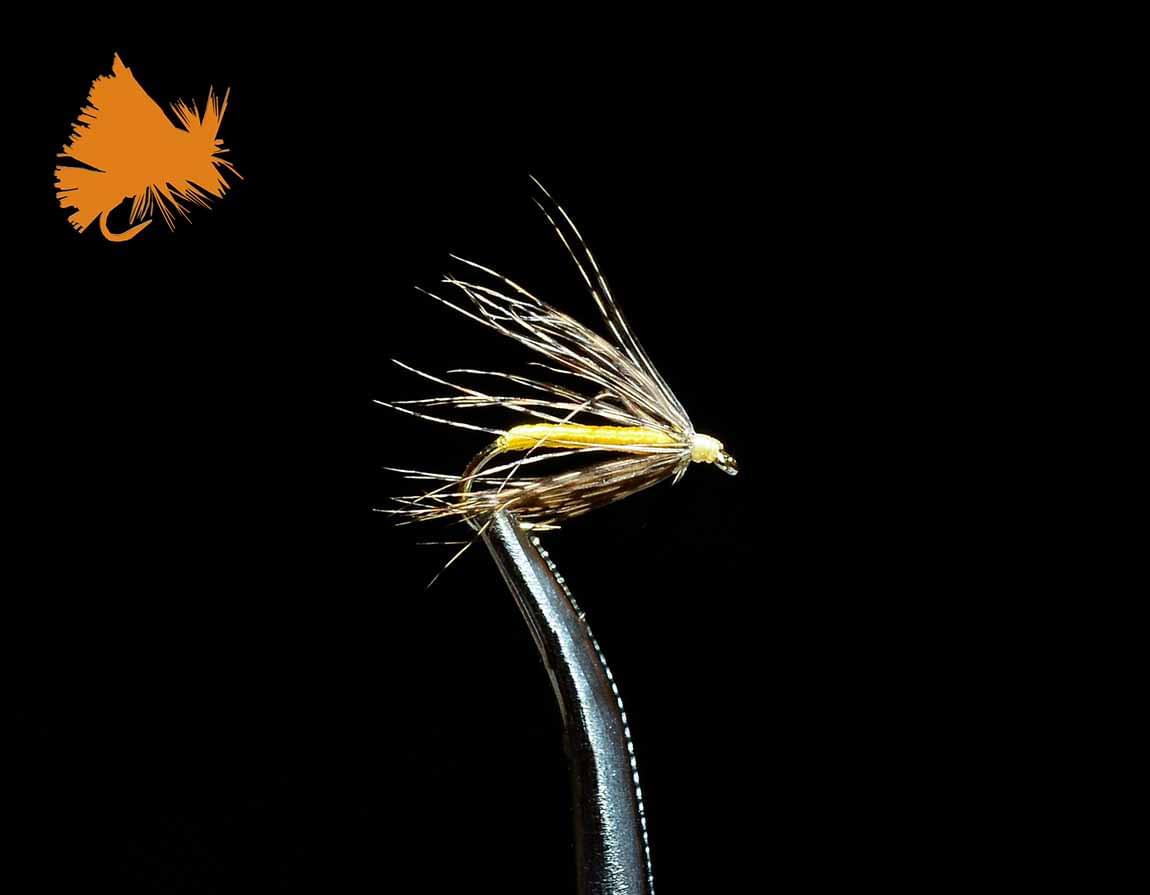
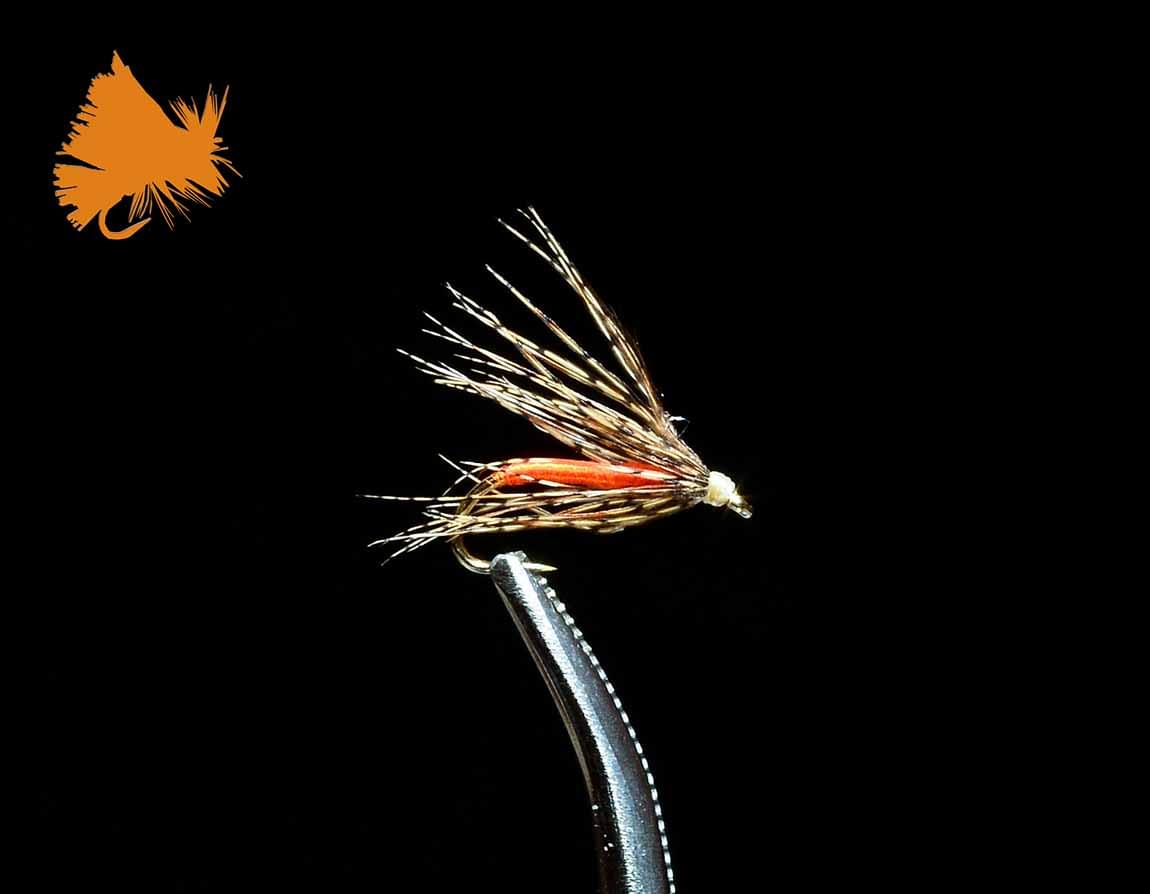
Wet flies come in many shapes and sizes, and each are designed to be impressionistic, which means the ability to imitate a few different insects well. Some common types of wet flies typically include soft hackle nymphs or what we refer to as emergers in the fly fishing world. Soft hackles are typically tied with feathers and are meant to imitate emerging insects as well.
When selecting wet flies, it’s important to choose patterns that match the insects or prey in the water you will be fishing. You can learn the art of fly selection to understand which patterns work best in the area. It’s also a good idea to have a variety of sizes and colors of each pattern, as trout can be picky about what they will take on any given day.


How to Present Wet Flies
A few Steps for Success
A simple 9ft 4x to 6x tapered leader will be sufficient for your rig. You can use one or two flies, but I often think it’s best to fish one fly when using wet flies. One of the nice things about fly fishing with wet flies is its simplicity. Leader + Wet Fly and you’re all set to go. Presenting it is also pretty straightforward.
Presenting wet flies is fairly simple, and there are a few different methods you can use depending on the water conditions and the type of fly you are using. One common method is the wet fly swing, which involves casting the fly across the current and allowing it to swing downstream. This method is great for imitating emerging insects and works best in slow to moderate currents. Another method is the wet fly drift, which involves casting the fly upstream and allowing it to drift downstream naturally with the current. This method is best for imitating nymphs. You can combine these in the right setting to both dead drift the first part of the drift and then swing the fly at the end to take advantage of both options.
Tips for Success Using Wet Flies
Learning how to fly fish with wet flies can be a great method to start with as a beginner and with some practice and patience, you can master the technique and have success on the water. Here are a few tips to help you get started:
Pay attention to the water conditions –
There is a vast amount of research that you can put into finding the right place to fly fish for trout on any given day, but as you learn to be a master observer, you can learn what things affect fishing conditions in the most favorable ways and search for those opportunities.
Vary your retrieve –
Another key to successfully fishing wet flies is to vary your retrieve. The goal is to make the fly look as natural as possible, which means varying the speed and depth of your retrieve. This can be achieved through various techniques such as stripping, pulsing, or simply allowing the current to move the fly. You can also try changing the angle of your rod tip to affect the speed and depth of the fly.
When stripping the fly, you can use short, quick pulls or long, slow pulls to imitate the movement of a swimming or struggling insect. Pulsing the fly involves small, rhythmic twitches of the line to create the illusion of a live insect in the water. And when allowing the current to move the fly, be sure to follow the movement of the line with your rod tip to maintain control and feel for any strikes.
It’s important to experiment with different techniques to find what works best for the current conditions and the type of fish you are targeting. Don’t be afraid to try something new, as it may lead to success on the water.
Know When to Fish Wet Flies
Knowing when to fish wet flies can make all the difference in your success on the water. . They are also useful when fishing during a hatch, when the fish are actively feeding near the surface.
You may also want to try fishing wet flies early in the morning or late in the evening, when the light is low and the fish are more likely to be feeding on insects in the water.
Conclusion
Fishing with wet flies can be a fun and rewarding experience for any angler. By following these tips and techniques, you’ll be well on your way to success on the water. Remember to choose the right flies, vary your retrieve, and fish during the right conditions to give yourself the best chance at catching fish. And most importantly, have fun and enjoy the time spent in nature. Happy fishing!
Have You Tried One of Our Courses?
Lifetime Access | Special Coupons | Angling Mastery
-

Fly Fishing Entomology Course
$199.00 -

Euro Nymphing Course
$199.00 -
Dry Fly Fishing Course
$199.00 -

Classic Nymphing Course
$199.00 -
Streamer Fishing Course
$199.00 -

Top Trout Flies Course
$99.99