
How to Match the Hatch: A Practical Entomology Guide for Trout Anglers
Why Matching the Hatch Changes Everything
You’re standing knee-deep in a riffle on a perfect May afternoon. Fish are rising everywhere. Bugs are drifting on the surface, fluttering in the air, landing on your vest. Your fly box is full. You tie on a Parachute Adams. Nothing. You switch to an Elk Hair Caddis. Refused. You try a Pheasant Tail dropper. The rises keep coming, steady and confident, six inches from your fly. You cycle through five more patterns. Still nothing.
You leave the river an hour later knowing the fish were right there. You could see them eating. You just couldn’t figure out what they were eating, or more precisely, what stage of what insect they were locked onto.
This isn’t bad luck. It’s a knowledge gap. And it’s one of the most solvable problems in fly fishing.
Anglers who consistently crack the hatch aren’t carrying more flies. They’re carrying a system for reading what’s in front of them. This guide gives you that system: a practical, field-ready entomology framework you can use on any trout water, any season, without a PhD or a Latin dictionary.
If you want to build a strong foundation in match the hatch fly fishing, start here. Everything else gets easier once you understand the basics.
If you’re ready to go deeper into entomology for trout anglers, Trout University gives you the complete system, free for 30 days.
Most anglers know they should match the hatch. Fewer actually do it with any consistency. And the reason is simple: entomology feels overwhelming. It sounds academic. It conjures images of dusty textbooks and unpronounceable Latin names. So most anglers skip it, rely on confidence flies, and accept that some days the fish just “aren’t cooperating.”
Here’s the thing. The fish are almost always cooperating. They’re eating. They’re just eating something specific, and if you can’t identify what that is, you’re guessing.
The Real Reason Trout Refuse Your Fly
Trout aren’t random. When a hatch is happening, they lock onto one insect type, one size, and one life stage. They ignore everything else. This is called selective feeding, and it’s why your go-to fly stops working the moment a real hatch begins.
The angler who understands what’s hatching can match it. The angler who doesn’t is cycling through flies hoping to stumble onto the answer. One approach is systematic. The other is a slot machine.
Trout University
The Best Way to Master Fly Fishing for Trout
Everything you need to learn how to fly fish for trout.
From fly selection to presentation and location, all in one place.
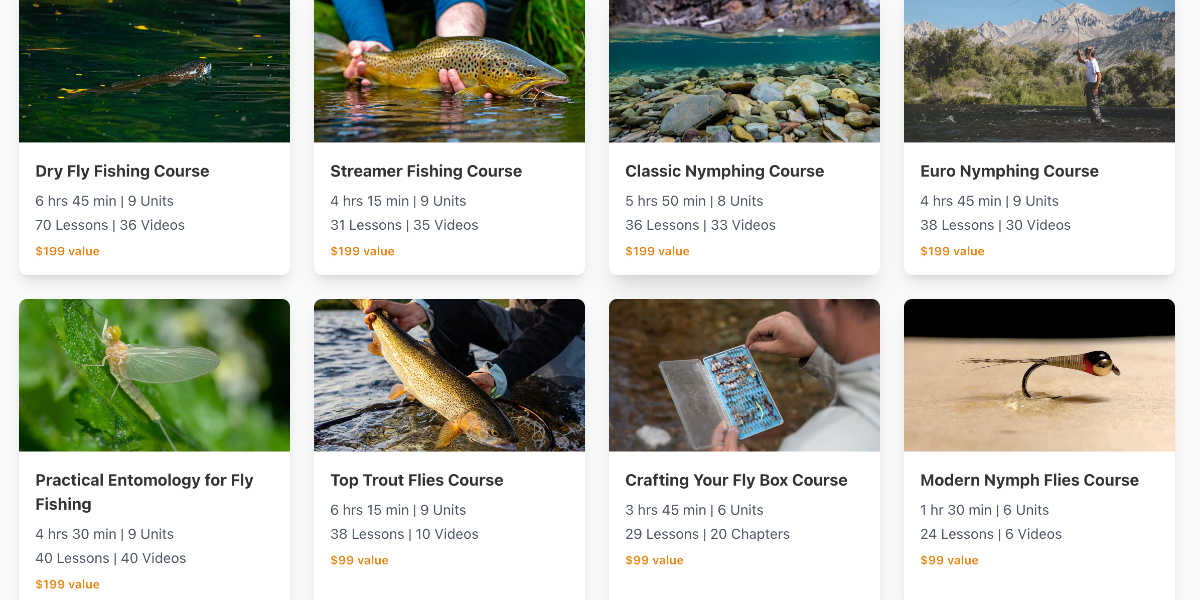
8 Premium Courses
15 Video Classes
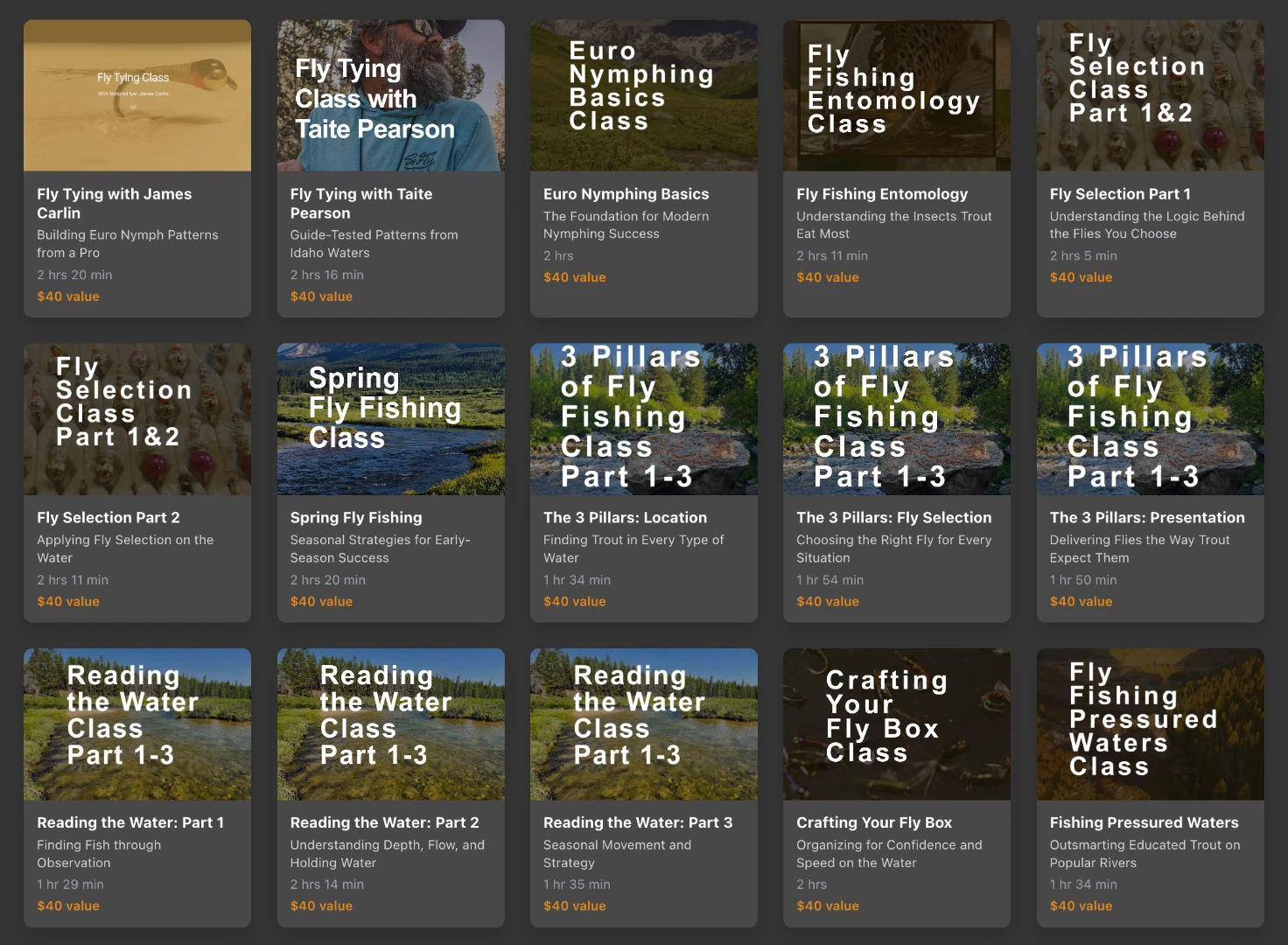
1-2hr Power Classes on Key Subjects and solidify your learnings
6 Streamside Courses
10+ Hours of Fishing to See Our Methods in Action

No Credit Card Required or Auto Renewal
Why Entomology Has a Bad Reputation
Most entomology content is written for scientists, not anglers. Latin names, taxonomic classifications, and 47 species of mayfly that all look the same to the naked eye. None of that helps you on the river at 2 PM when fish are rising and you need an answer in the next 30 seconds.
The practical truth is simpler than the textbooks suggest. You need to know four insect families, their life stages, and their seasonal timing. That’s it. Everything else is optional depth you can add over time. Four families. Not forty-seven species.
The Four Insect Families Every Trout Angler Needs to Know
This is the core framework. If you learn nothing else from this article, learn these four families and how to tell them apart on the water. This is the foundation of how to match insects trout are feeding on, and it works on every trout stream you’ll ever fish.
1. Mayflies (Order: Ephemeroptera)
Mayflies are the most important hatch insect in trout fishing. Trout key on them obsessively, and some of the most famous hatches in fly fishing history are mayfly events.
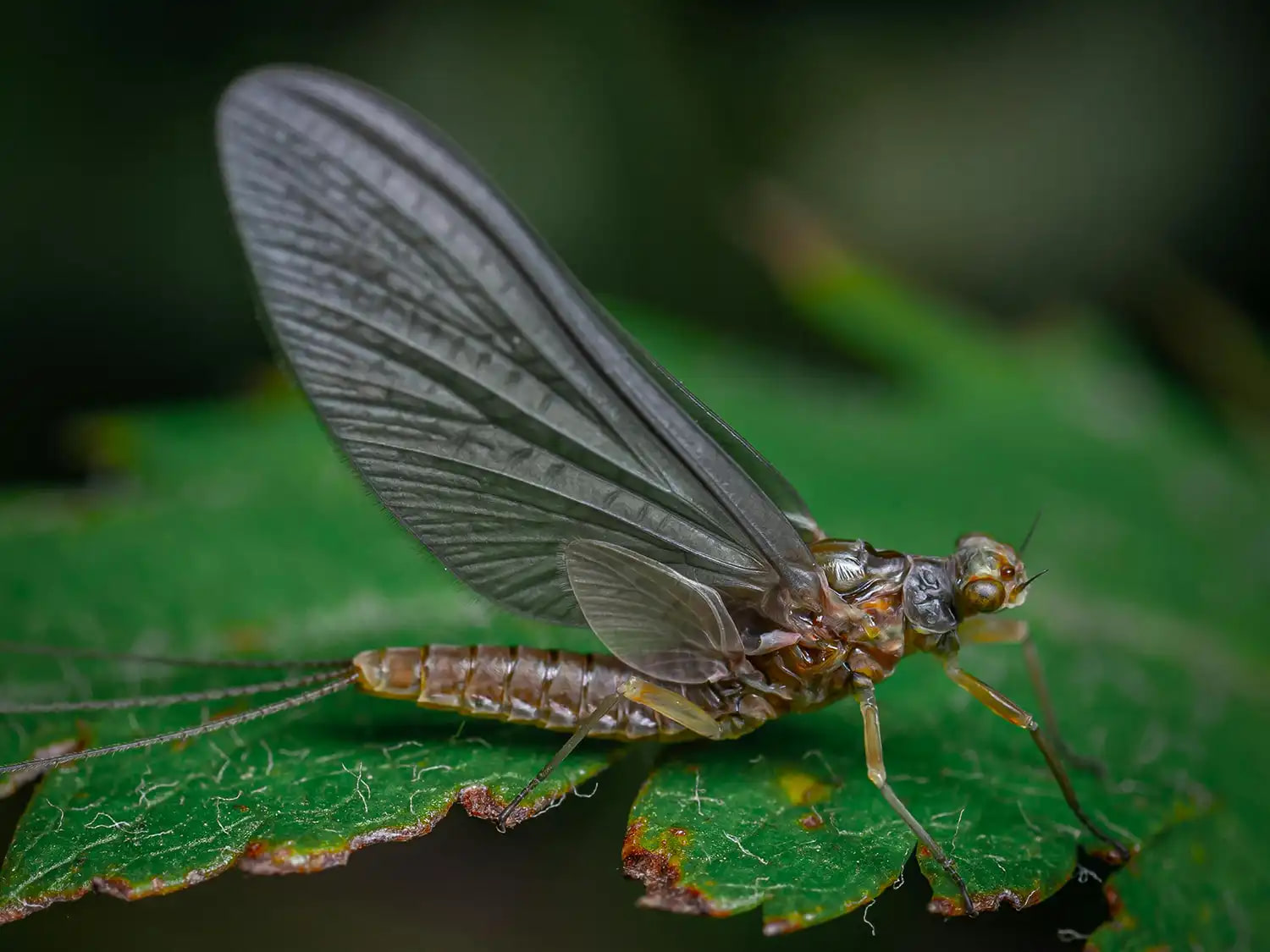
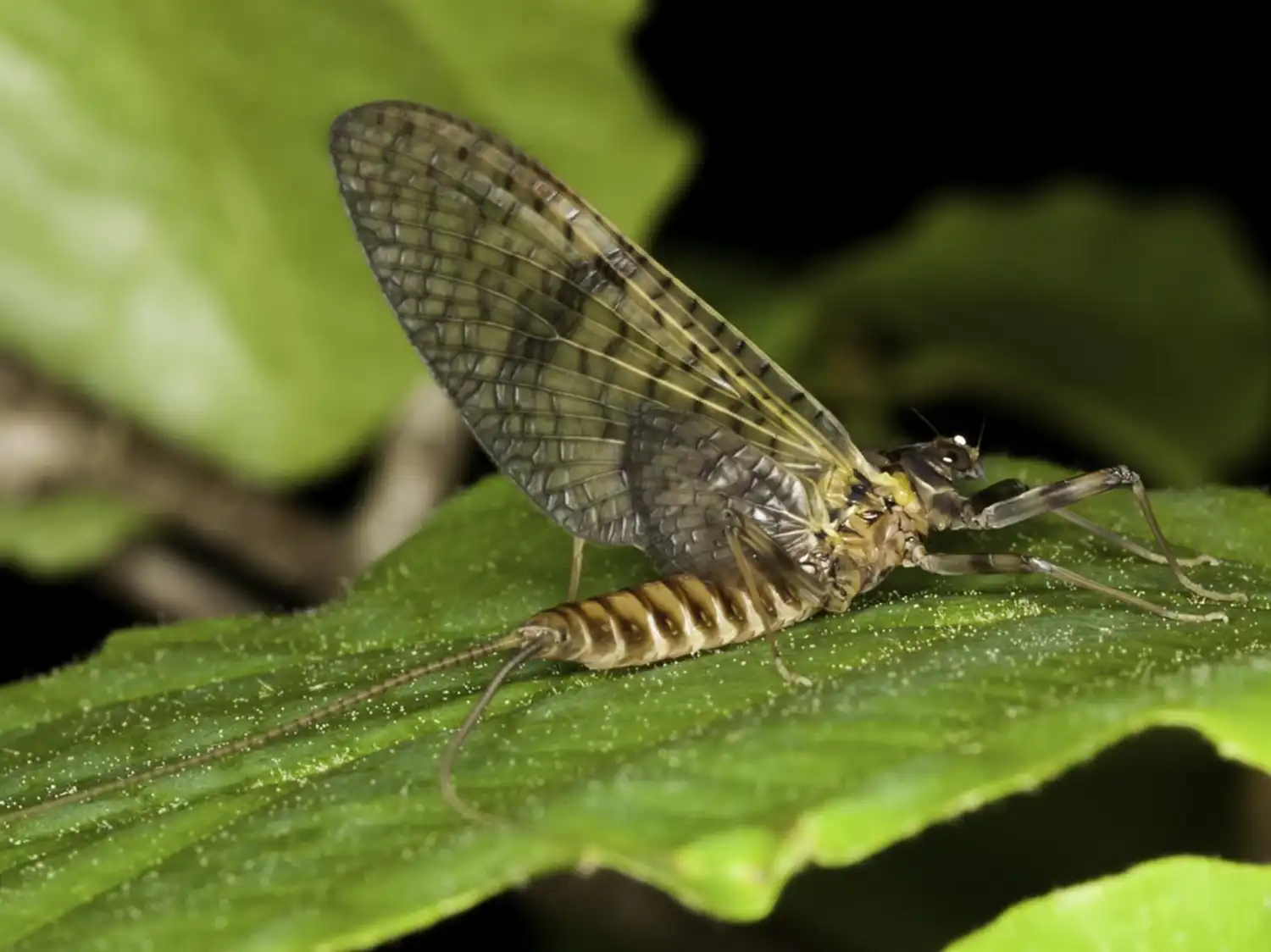
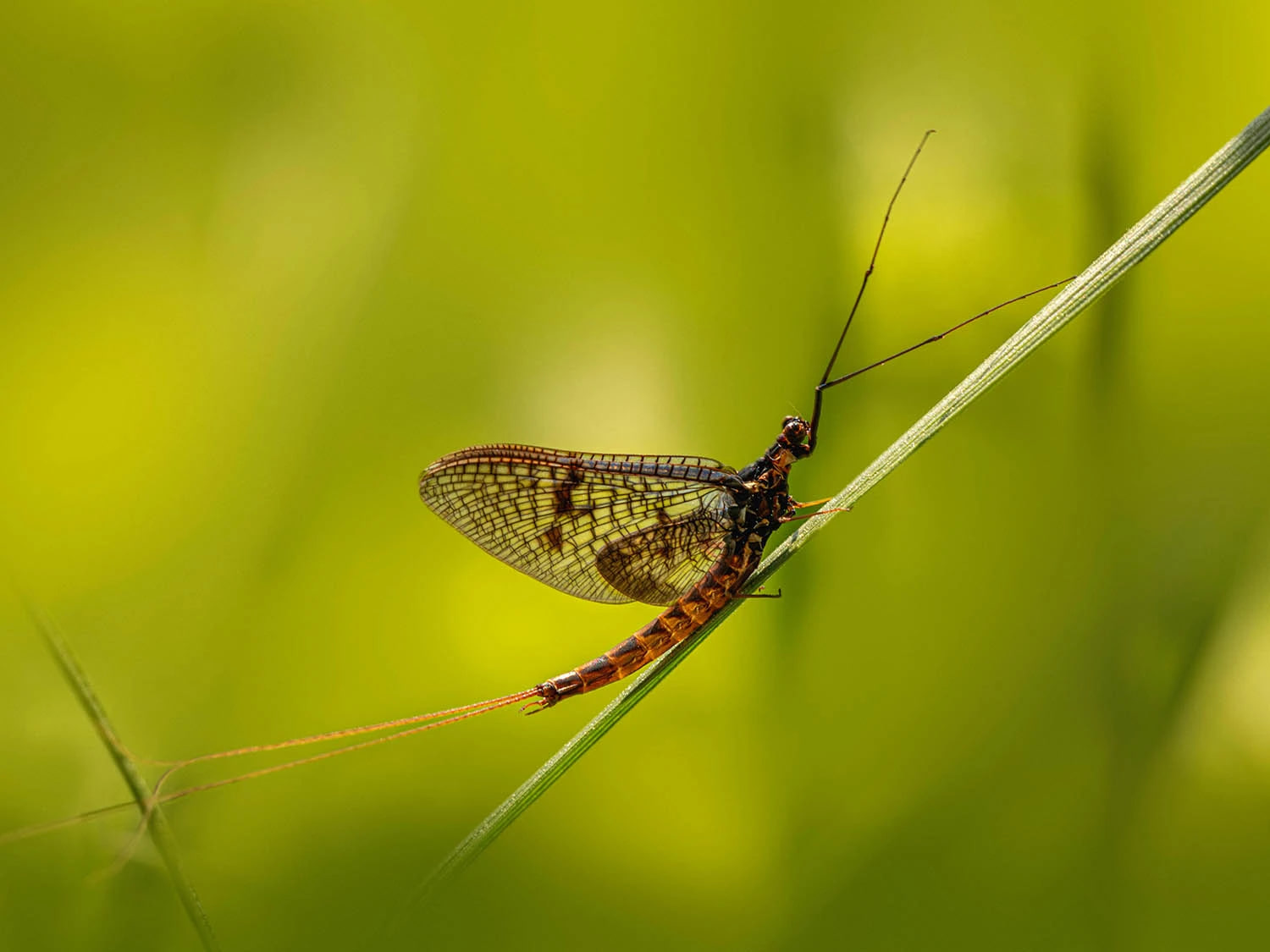
How to recognize them: Upright wings (like little sailboats), two or three tails, slender body. When you see a delicate insect floating on the surface with its wings standing straight up, you’re looking at a mayfly dun.
Life stages that matter: Nymph, emerger, dun, spinner. Mayflies have four distinct stages trout feed on, and matching the correct stage is often more important than matching the exact species.
Key characteristic: Mayflies hatch in pulses tied to water temperature and season. They’re predictable once you learn the timing for your local water.
Signature hatches: Blue Wing Olives (BWOs), Pale Morning Duns (PMDs), Tricos, Callibaetis, Green Drakes, Hendricksons.
Fly selection implication: Matching the stage matters as much as matching the species. A size 18 olive emerger will outfish a size 18 olive dry fly if the trout are eating emergers. Every time.
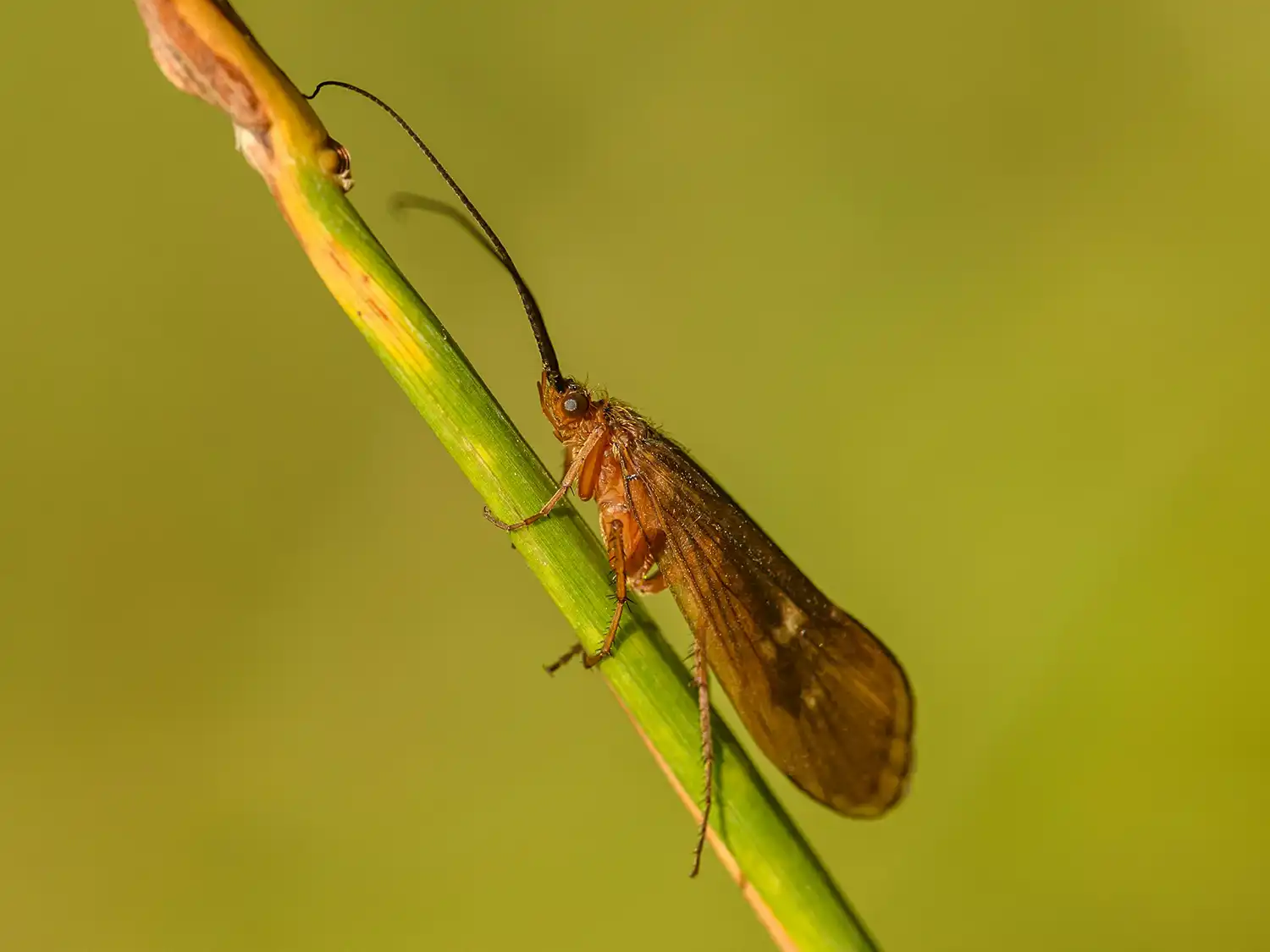
2. Caddisflies (Order: Trichoptera)
Caddis are the second most important hatch insect and are often more abundant than mayflies in many trout streams. They’re also the most commonly misidentified bug on the water.
How to recognize them: Tent-shaped wings held flat over the body, no tails, moth-like appearance. If it looks like a tiny moth sitting on the water, it’s a caddis.
Life stages that matter: Larva, pupa, adult. Unlike mayflies, caddis go through a complete metamorphosis with a pupal stage.
Key characteristic: Caddis adults are erratic on the surface. They skitter, flutter, and bounce. This means a little drag on your fly can actually work in your favor when imitating adult caddis.
Signature hatches: Mother’s Day Caddis, Spotted Sedge, October Caddis. Spring and early summer caddis explosions can blanket the water.
Fly selection implication: The pupa stage is massively underrated. Trout slash aggressively at caddis pupae rising through the water column. If you see splashy, violent rises during a caddis hatch, fish a pupa pattern swung just below the surface before reaching for a dry.
3. Midges (Order: Diptera)
Midges are the year-round food source. They’re especially critical in winter and on tailwaters, where they may be the only game in town for months at a time.
How to recognize them: Tiny (often size 18 to 26), two wings, no tails, slight hump in the thorax. If you’re squinting at something impossibly small on the water and wondering if it’s even a real bug, it’s probably a midge.
Life stages that matter: Larva, pupa, adult. Trout can feed on midges in massive numbers even when nothing appears to be happening on the surface.
Key characteristic: Midge hatches are subtle. You won’t see dramatic surface activity. Instead, you’ll see gentle sipping rises, barely dimpling the surface. That’s trout eating midge emergers and adults in the film.
Fly selection implication: Size and color matter more than pattern. Go smaller than feels right. A size 22 Zebra Midge or Griffith’s Gnat will outfish a size 16 version almost every time during a midge hatch. If you want a pre-built selection that covers the full range of midge sizes and colors, the Entomology Assortment includes midge patterns across multiple life stages.
4. Stoneflies (Order: Plecoptera)
Stoneflies are the biggest bugs on the menu, and they produce the biggest reactions from trout. The adult hatch is the spectacle, but the nymph is the consistent producer.
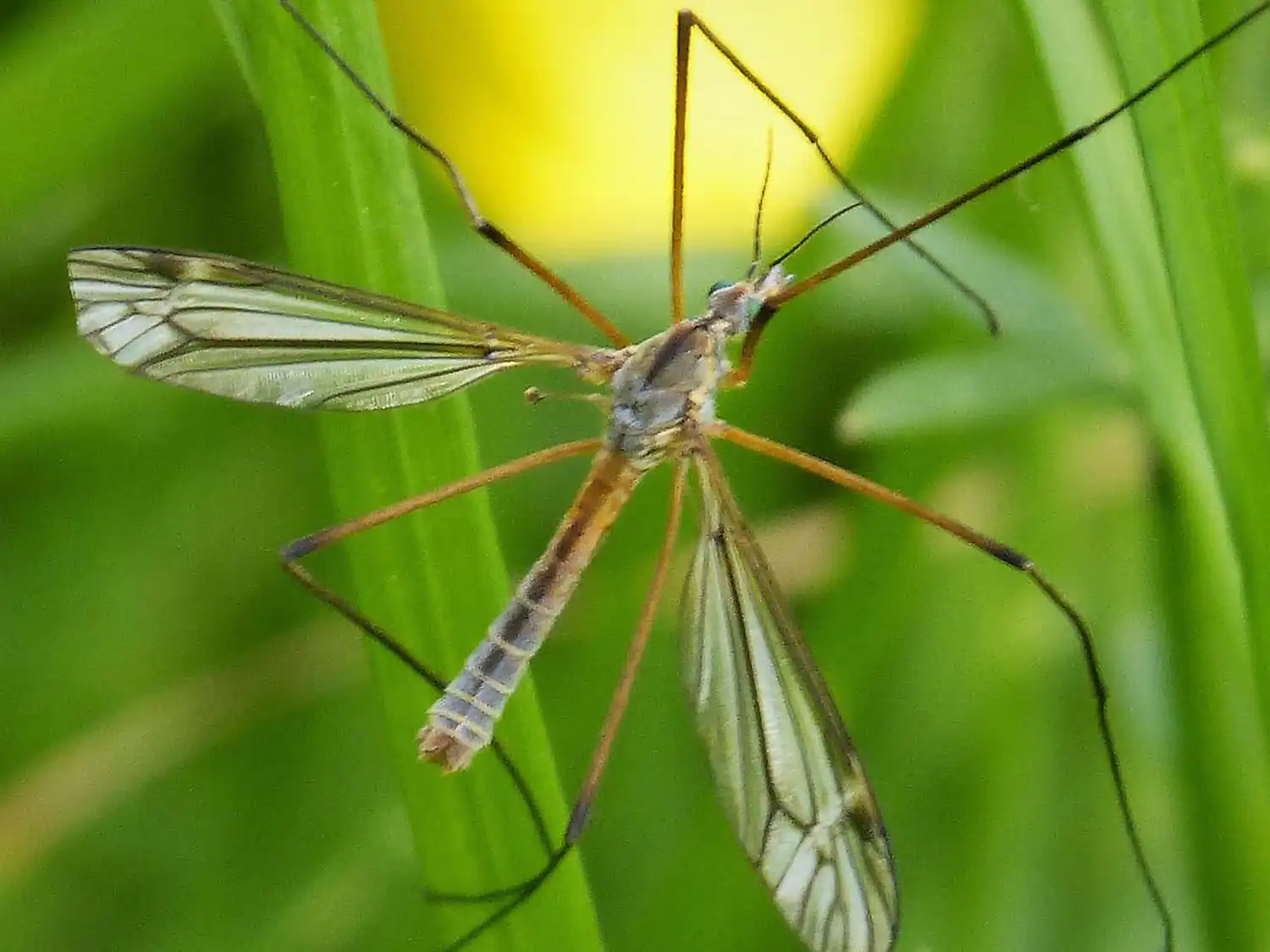
How to recognize them: Flat wings held parallel to the body, two tails, larger profile. Adult stoneflies are clumsy fliers that crash-land on the water, which is why trout eat them with such aggression.
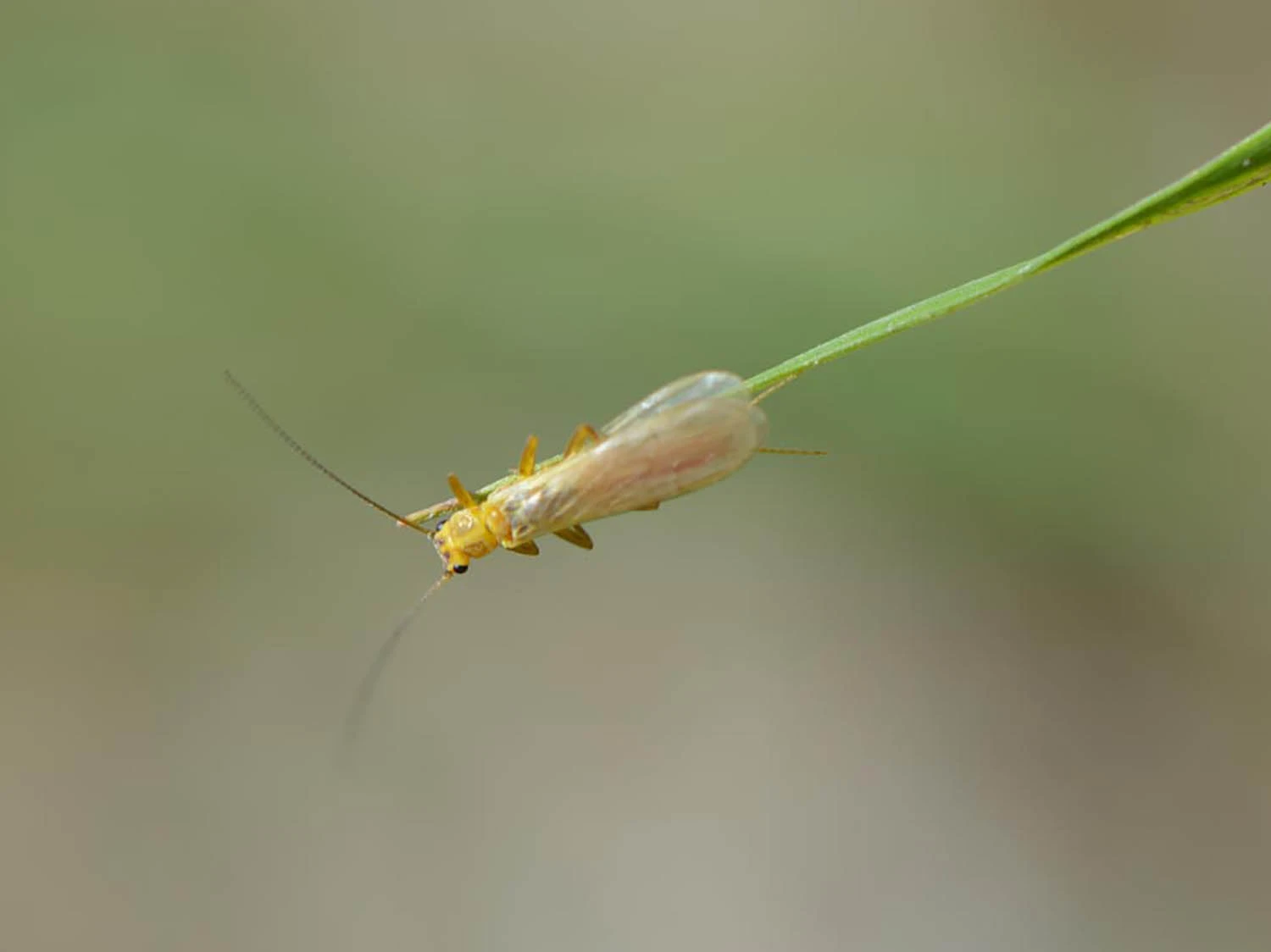
Life stages that matter: Nymph (lives one to three years in the river) and adult. Unlike mayflies and caddis, stoneflies crawl out of the water onto rocks and streamside vegetation to hatch. There’s no emerger stage on the water.
Key characteristic: Stonefly nymphs are available to trout year-round as they grow toward maturity. The adult hatch is dramatic but brief. The nymph is the consistent producer across all seasons.
Signature hatches: Salmonfly, Golden Stonefly, Yellow Sally, Little Black Stonefly.
Life Stages: Why the Right Fly at the Wrong Stage Doesn’t Work
Here’s where most anglers hit a wall. They know they need to match the bug. They can even identify the family. But they’re fishing the wrong life stage, and the fish keep refusing.
Why Stage Matters More Than Pattern
A size 16 BWO nymph and a size 16 BWO dry fly imitate the same species. But trout feeding on emergers will refuse both. Why? Because the emerger is what’s most available and easiest to eat at that moment. Trout are efficient. They lock onto the stage that gives them the best caloric return for the least effort.
During a hatch, the progression goes like this: nymph activity increases below the surface, emergers become available in and just below the film, duns float on the surface, and spinners fall after mating. The angler who knows where in that progression the fish are feeding catches fish. The one who doesn’t is guessing.
The match the hatch priority order is: Stage first, Size second, Color third, Profile fourth. Get the stage right and you’re most of the way there. Get the stage wrong and nothing else matters.
The Four Stages You Need to Understand
Nymph: Subsurface, pre-hatch. This is the bread and butter of nymphing, both classic indicator and Euro style. Nymphs are available to trout all day, every day, regardless of whether a hatch is happening.
Emerger: The transition stage. Partially hatched, stuck in the film, struggling to break free. This is the most vulnerable stage and the one trout feed on most selectively during active hatches. Emerger patterns are the most commonly absent flies from angler boxes.
Dun/Adult: Fully hatched, sitting on the surface. This is the stage most dry fly anglers target. It’s visible, exciting, and satisfying to fish. But it’s not always the stage trout are keyed on.
Spinner: Spent adult, wings flat on the surface after mating. Often the most ignored stage and, during a mayfly hatch, often the most productive. Spinner falls can produce incredible fishing that most anglers walk away from because they think the hatch is “over.”
Reading the Rise to Identify the Stage
Rise forms are diagnostic tools. Learn to read them and you’ll know what stage to fish before you open your fly box.
- Splashy, aggressive rises: Fish chasing adults or caddis pupae. Fish a dry or a swung pupa.
- Subtle, sipping rises with barely a ripple: Fish eating emergers or spinners in the film. Fish an emerger pattern flush in the surface.
- No visible rises but fish are clearly active: Nymphs are the answer. Fish are eating below the surface.
- Porpoising rises where you see the dorsal fin and tail: Fish are eating just below the surface, likely emergers or pupae rising through the water column.
The Emerger Gap
Most fly boxes have nymphs and dries. Very few have dedicated emergers. This is the single biggest gap in most anglers’ fly selection, and it explains why so many anglers struggle during active hatches.
If you’ve ever had fish rising all around you and couldn’t get a take on a dry fly or a nymph, you were probably one emerger pattern away from the best fishing of your life.
The Fly Fishing Entomology Course inside Trout University covers all 13 trout food groups and 23 insect stages in detail, so you never face this gap again.
How to Figure Out What’s Hatching in Real Time
Theory is useful. But matching the hatch happens on the river, in real time, with fish rising and the clock ticking. Here’s a repeatable process you can use every time you step onto the water.
Step 1: Look Before You Cast
Spend five minutes observing before you fish. This is the most valuable five minutes of your day.
What to look for:
- Insects on the water surface (floating, struggling, or spent)
- Insects in the air (flying, swarming, or landing on bankside vegetation)
- Rise forms (what kind, how frequent, where in the water column)
- What’s landing on your arm, hat, or vest
The habit most anglers skip: actually stopping and watching before rushing to cast. Five minutes of observation will save you an hour of fly changes.
Step 2: Use a Seine Net
A simple seine net dragged through the current reveals exactly what’s living and drifting in that river. This is the single most underused tool in fly fishing.
Hold the seine downstream and kick up the substrate, or simply hold it in the current for 30 seconds. Look for the dominant species, dominant size, dominant color, and what life stage is most present. Match your fly to what’s most abundant in the seine, not to your favorite pattern.
This single habit eliminates more guesswork than any other field technique. It turns aquatic insect matching from a guessing game into a diagnostic process.
Step 3: Match Profile, Size, Then Color
The hierarchy of matching: profile first (what family does it look like?), size second (how big?), color third (what shade?).
Most anglers reverse this. They match color first and wonder why it doesn’t work. A fly that’s the right profile and size in the wrong color will outfish a fly that’s the right color in the wrong profile every time. When in doubt, go one size smaller than you think. Trout rarely refuse a fly that’s too small, but they regularly refuse flies that are too big.
Step 4: Seasonal Defaults When Nothing Is Obvious
When the seine comes up empty or you can’t identify a clear hatch, fall back on seasonal knowledge:
- Early spring: BWO nymphs and midges
- Late spring: Caddis larvae and pupae, larger stonefly nymphs
- Summer: PMDs, golden stoneflies, terrestrials
- Fall: BWOs again, tricos, small caddis, October caddis
- Winter: Midges almost exclusively, with occasional small BWOs
These are starting points, not rules. The seine tells you what’s actually there. Seasonal defaults keep you in the game when observation alone isn’t enough. This is the foundation of reading the hatch and building a fly fishing hatch chart for your home water.
Building a Fly Box That Matches the Hatch
Knowing your bugs is only half the battle. You also need the right flies in your box, organized so you can find them when it matters.
Organize by Family and Stage, Not by Pattern Name
Most fly boxes are organized by how flies look: nymphs in one section, dries in another. A hatch-ready box is organized by insect family and life stage. When a hatch starts, you open to the mayfly section and work through stages. You’re not digging through 200 random flies hoping to find the right one.
Coverage Over Collection
You don’t need every pattern. You need every stage of the four families in the right sizes. The minimum viable hatch box: two to three patterns per stage per family in sizes 14 to 22. This is far fewer flies than most anglers carry, but organized intentionally, it covers more situations than a box stuffed with random patterns.
The Entomology Assortment is designed around this exact principle. It covers virtually every major insect and life stage trout feed on, with patterns chosen for overlap and versatility so individual flies can imitate multiple species.
The Attractor Safety Net
Always carry attractor patterns that don’t imitate one specific insect. A Parachute Adams, an Elk Hair Caddis, a Stimulator. These work when nothing specific is hatching and give you a starting point while you observe.
The system: start with attractors when nothing is happening. Switch to imitative patterns when a hatch begins. This keeps you fishing productively during the quiet periods and ready to match the hatch when it starts.
Why the Right Fly Still Fails Without the Right Presentation
Matching the hatch is primarily a fly selection skill. But fly selection only fully works when presentation is also right. This is where the Three Pillars of fly fishing (Location, Fly Selection, and Presentation) converge.
The Drag Problem During Hatches
Selective trout during a hatch are the most drag-sensitive fish you’ll ever encounter. A perfectly matched emerger dragging across the surface will be refused by fish that are eating the exact same natural drifting freely six inches away. Drag-free presentation during a hatch isn’t optional. It’s the whole game.
Fly Fishing Entomology
Fish With Confidence
Master the 13 key trout foods and
never guess which fly to use again
- 8 Lessons, 100+ pages
- Learn to identify any insect stage and category
- Match it to any fly in your box
- Works for any river and region trout live
- Lifetime access & coupons for over $225 in savings
- Detailed Regionalized Hatch Charts
Matching the Behavior of the Insect
Each stage has a behavior, and your presentation should match that behavior, not just the fly’s appearance.
- Mayfly duns: Dead drift, no movement. They sit still on the surface.
- Caddis adults: Slight skitter or twitch can trigger strikes. They’re active on the water.
- Emergers: Dead drift in or just below the film. They’re stuck and struggling, not moving laterally.
- Spinners: Completely flat, no movement, flush in the surface. They’re dead or dying.
You can identify the hatch, match the stage, and tie on the right fly, and still get refused if your presentation doesn’t match how that insect actually behaves on the water. This is where entomology and presentation intersect, and where most anglers hit a ceiling they can’t explain.
Why Smart Anglers Still Blank During Hatches
Even experienced anglers make these mistakes. If any of them sound familiar, you’re not alone.
- Matching color before profile and size. Wrong hierarchy, wrong results. Profile and size trump color almost every time.
- Fishing a dry during an emerger hatch. The fish are eating in the film, not on top. Your dry is floating above the action.
- Ignoring the spinner fall. The hatch looks over, but the best fishing is just starting. Spent spinners in the film produce some of the most selective, rewarding dry fly fishing of the year.
- Skipping the seine. Guessing what’s in the river instead of knowing. Five minutes with a seine net is worth more than an hour of fly changes.
- Changing flies without changing presentation. The fly isn’t always the problem. Sometimes the drift is.
- Over-complicating it. Carrying 400 flies and still not having the right one because there’s no system behind the selection.
Every one of these mistakes disappears when you have a complete entomology framework. Not just knowledge of bugs, but a system for applying that knowledge in real time on the river.
Entomology Through the Lens of the Three Pillars
Matching the hatch isn’t just about the fly. It’s about being in the right place, with the right pattern, presented the right way. That’s the complete system.
Location: Hatches happen in specific water types at specific times. Mayfly emergers concentrate in slower water adjacent to riffles. Stonefly adults crash-land near banks. Knowing where to be during a hatch is as important as knowing what to tie on.
Fly Selection: The entomology framework you’ve learned here, four families, life stages, the profile-size-color hierarchy, is the complete fly selection system for trout fly matching. It works on any water, any season.
Presentation: The right fly presented incorrectly is the wrong fly. Behavior matching completes the picture. A dead-drifted emerger in the film catches fish. The same emerger dragged across the surface catches nothing.
Anglers who crack hatches consistently aren’t luckier. They’re more systematic. And systems can be learned.
The Complete Entomology System, Built Into One Place
You now have a practical entomology framework that most anglers never build. Four families. Life stages. A field identification process. A fly selection hierarchy that actually works. That’s a real foundation for mayfly identification fishing, trout fly matching, and reading the hatch on any water you fish.
But entomology goes deeper than any single article can take you. The real breakthroughs come from seeing it applied on real water, in real hatch scenarios, with real fish responding.
The Fly Fishing Entomology Course inside Trout University was built to give you the complete picture. Not just the what, but the why and the how, applied to every major hatch you’ll encounter. It covers all 13 trout food groups and 23 insect stages with practical, angler-focused instruction.
Inside Trout University, you also get access to:
- Top Trout Flies Course so you know exactly which patterns to carry for every season
- Crafting Your Fly Box Course so your box is organized around the system, not around random accumulation
- Classic Nymphing and Euro Nymphing Courses because subsurface entomology is where most hatch fishing actually happens
- 15 expert-led video classes and 6 streamside adventures that put all of this into practice on real water
Start with 30 days free. No commitment. Just access to the complete entomology curriculum and the chance to finally crack the hatches that have been frustrating you for years.
Your Next Trip Plan
You don’t need to overhaul everything at once. Here are three things to do the next time you’re on the water:
Spend five minutes observing before you cast. Watch the surface. Check the air. Look at rise forms. Use a seine if you have one. Identify the family and the stage before you open your fly box.
Match stage first, then size, then color. If fish are rising subtly, start with an emerger, not a dry. If nothing is rising, start with a nymph. Let the rise form tell you what stage to fish.
Carry at least one emerger pattern for each family you expect to encounter. If your box has nymphs and dries but no emergers, add a few before your next trip. This single addition will change more outcomes than any other fly box adjustment you can make.
The hatch isn’t a mystery. It’s a system. And you’re closer to cracking it than you think.
Trout University
The Best Way to Master Fly Fishing for Trout
Everything you need to learn how to fly fish for trout.
From fly selection to presentation and location, all in one place.
8 Premium Courses
15 Video Classes
1-2hr Power Classes on Key Subjects and solidify your learnings
6 Streamside Courses
10+ Hours of Fishing to See Our Methods in Action
No Credit Card Required or Auto Renewal
