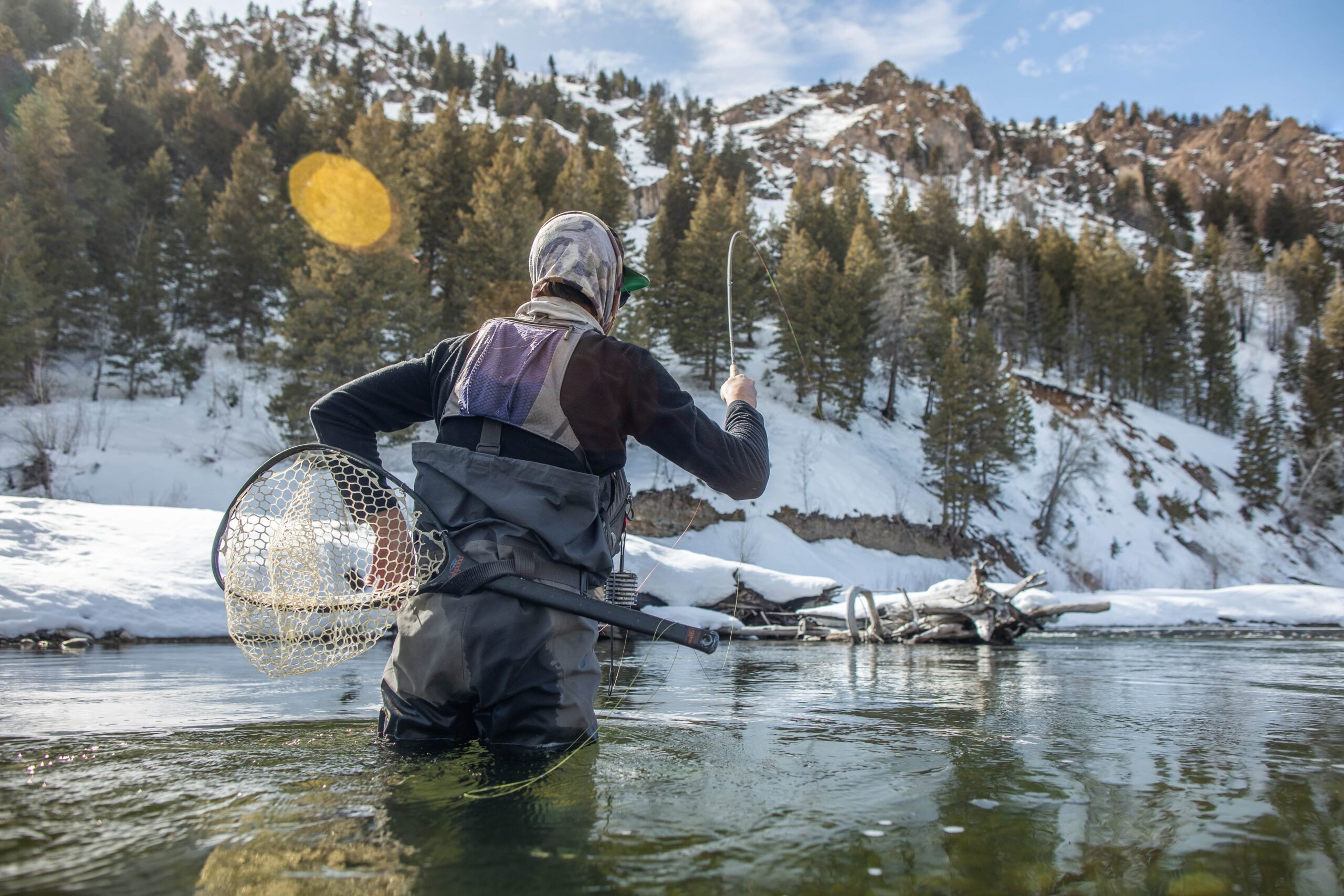
Three Underrated Skills for Traditional Nymphing
Learn these skills, catch more fish
Like any fishing technique, traditional nymphing has its challenges. Trust me, I know!
If you’re a beginner or an intermediate level angler, odds are you’ve had days where you’ve felt like your indicator hardly moves. Or, even when it does dip below the water’s surface, you struggle to actually hook into the fish itself. Again, we’ve all been there.
Now, what if I told you that there are certain skills you can focus on to better avoid these frustrations? ‘Cause there certainly are. So, next time you set out to traditionally nymph using a strike indicator, be sure to focus on improving these three underrated skills (so you can catch a heckuva lot more trout).
Enjoy this free content, but also consider upgrading to our premium online course on Classic Nymphing. Simply click below to learn more about it (and the sale we’re doing for a limited time).

Focus On Your Line Management
Less Slack = Quicker Hook Set = More Fish In Your Net
When you’re nymping using a strike indicator, it’s absolutely essential that you focus on your line management — beginning with keeping less line out while you’re fishing and controlling your mends.
Oftentimes when anglers first start out they focus too intensely on the drift, when they really should be focusing on keeping slack out of their line and maintaining that drag. Alternatively, if they do properly manage that excess line, once a fish eats, they have a better shot at a quick hook set. And, of course, a quick hook set = a fish in the net.

This is especially important because of the gap that already exists between the indicator and the actual nymph. There’s previously existing drag there because the strike indicator moves faster on top of the water than the fly moves under the water — the less uniform the water, the slower it moves. So, when a fish does eat your fly, there’s already 1-2 seconds of lag before your strike indicator moves. Now, if you have slack in your line, you probably aren’t going to be setting the hook for a good 5-7 seconds and will likely lose the fish.
At the end of the day, better line management will improve your hook-up rate, better your drifts, and reduce your drag. So you can catch more trout, all day long.
Learn to Masterfully Detect Strikes
Even the tiniest of movements could signal the biggest of fish
So many people, especially beginners, wait for the strike indicator to clearly dip below the water’s surface before setting the hook. Realistically, 1 out of 50 takes actually looks like that. Meaning you’re missing the other 49 takes.
When you traditionally nymph, what you’re really looking for are micro-movements. Maybe the indicator is still moving, but it’s slowed down ever-so-slightly. Maybe it just popped, or bounced above the water. In those instances, you may think it’s just the bottom, but I recommend that you pretend like there are no rocks, and there is no bottom of the river. Treat every micro movement as if there’s a fish there, and go ahead and set the hook. And, given you’ve practiced proper line management, you’ll avoid causing the indicator to splash out of the water and spook all of the fish around you. Which absolutely stinks. Instead, your line will come out of the water nice and quick, and hopefully you’ll have hooked into a decent trout.
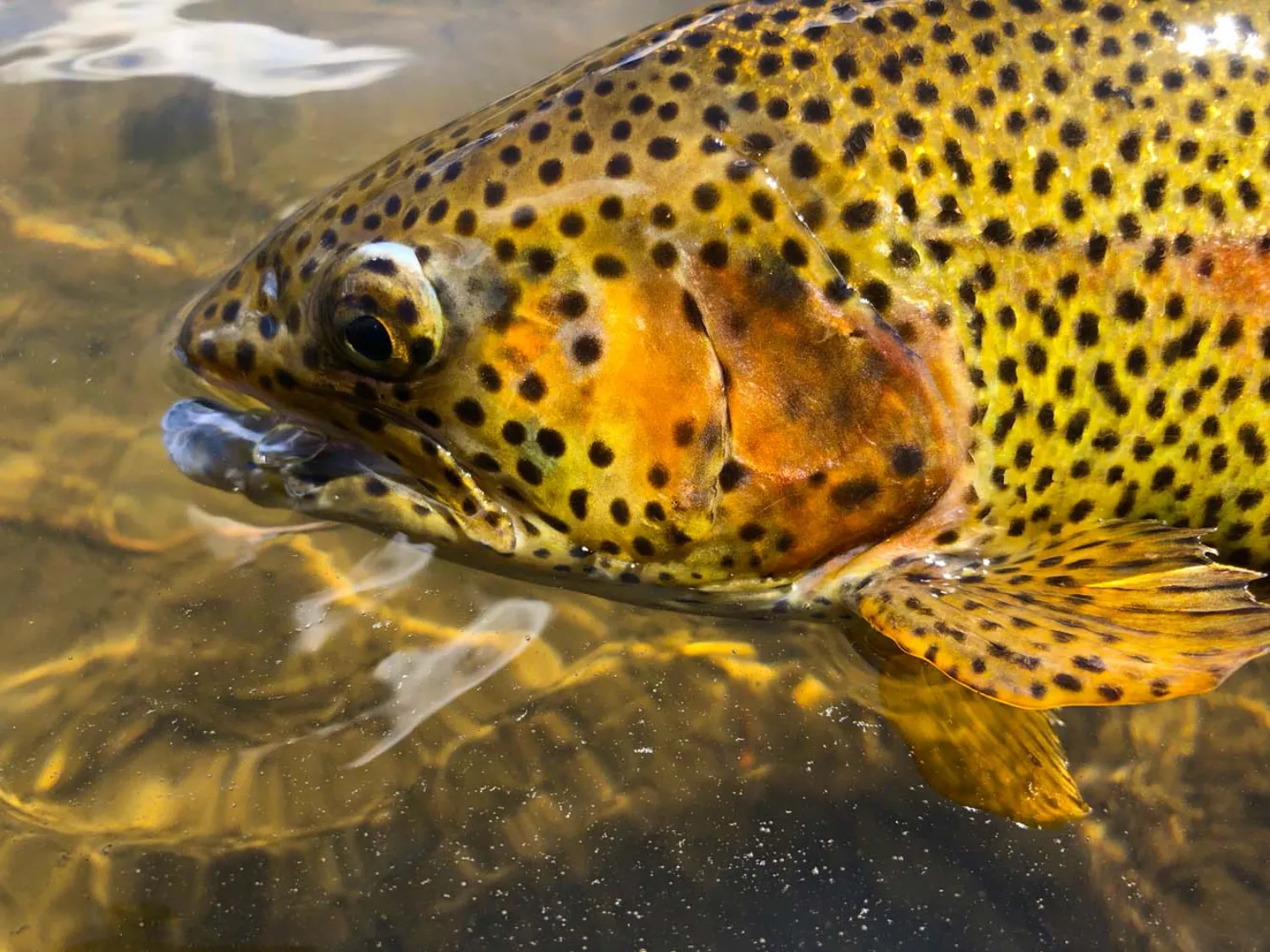
All in all, it’s important to be mindful about all of the different things that could happen to your strike indicator. ANY micro-movements — slowing, moving horizontally away from you, pops, stops, and the obvious dip under the water — could constitute a fish eating your fly.
So watch closely, indicators are like ticking time bombs. As soon as it moves the tiniest bit, GO! Set the hook! Find more fish, and hopefully, bigger fish too.
Take the Time to Create a Better Rig
The Less Lazy You Are, The More Fish You’ll Catch
Let’s be honest with yourselves. Most of us are a little lazy. Or, we get restless when we finally get out to the river, and rush to set up our rig.
Sure, setting up your rig might not be fun. But, proper preparation, especially in your rig — depth, leader type, tippet strength, distance between flies, weight — can have a huge difference in your fishing success for the day.
So spend that extra little bit of time at the truck getting set up, or better yet out on the river where you can see what’s going on (what fish might be eating, the depth and the speed of the water, etc.), then make your choice. It’s well worth the extra ten minutes even if it means five more fish in a day.
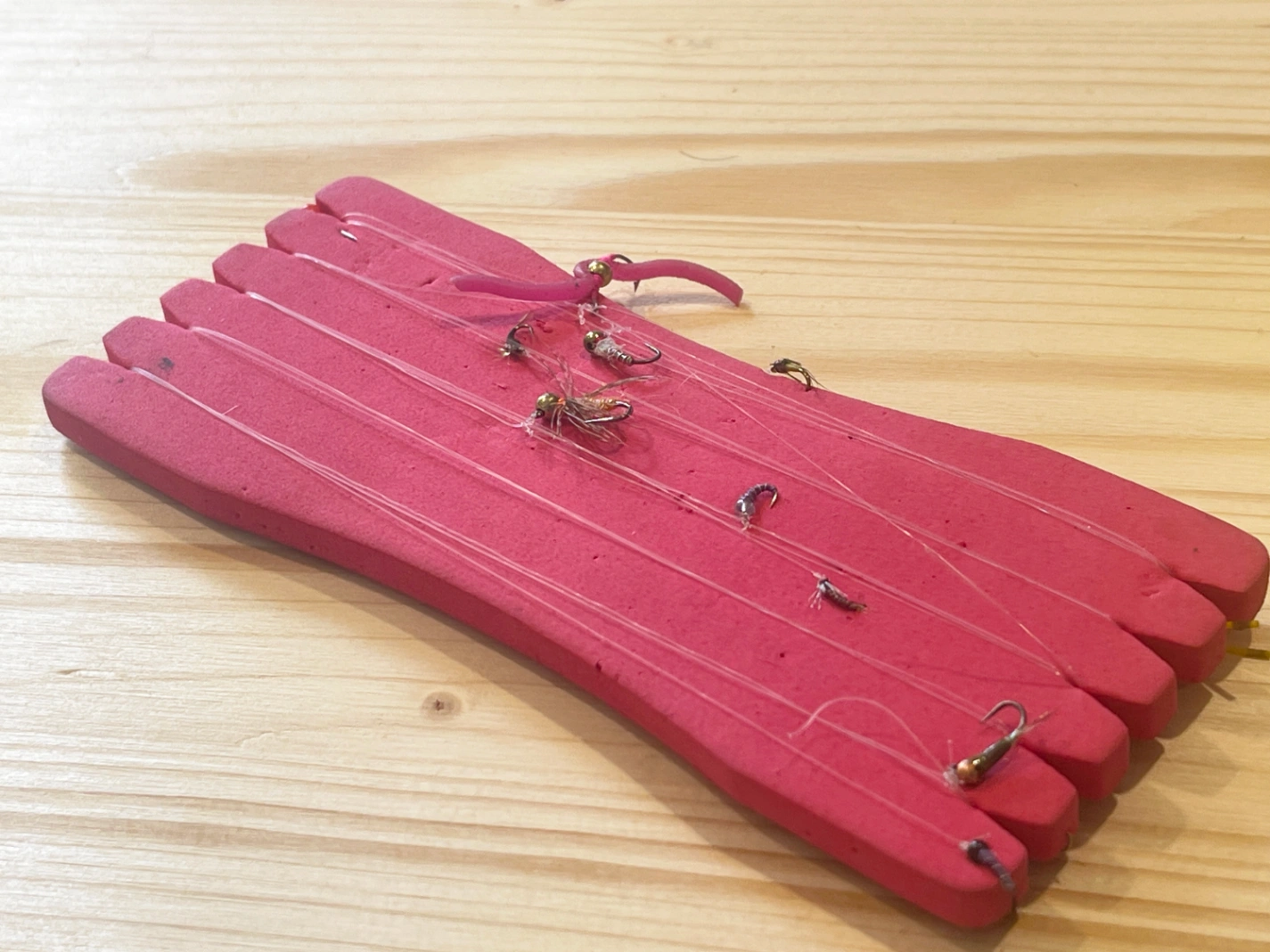
Now, if you’re not sure when or how to set up your rig in various ways, there’s a whole section on rigs in my Indicator Nymphing Course — why we chose what we chose, one fly setups, two fly setups, where to put the split shot, drop shotting, etc. There, I cover all of the rigging from A-Z, including tips and tricks.
Still, for now, give these skills some special focus the next time you head out to traditionally nymph. Odds are, if you manage your line, learn to detect small strikes, and take your time setting up your rig, you’ll walk away from the day feeling great about the number of fish you caught.
Over and tr-out!
Learn Classic Nymphing
The Right Way
Access step-by-step expert instruction,
immersive visuals, and lifetime access.Was $199 | Now $99 ($100 Off)
We Have Fly Fishing Courses on Everything
Lifetime Access | Special Coupons | Angling Mastery
-

Euro Nymphing Course
$199.00 -

Dry Fly Fishing Course
$199.00 -

Classic Nymphing Course
$199.00 -
Streamer Fishing Course
$199.00 -
Fly Fishing Entomology Course
$199.00 -

Top Trout Flies Course
$99.99 -
Crafting Your Fly Box Course
$99.99 -
Modern Nymph Flies Course
$59.99 -