
Top 6 Flies for Trout Fishing
The Best Six Patterns Trout Love
The fastest way to mess this up is to chase the latest fly pattern when you haven’t mastered the basics. Most anglers get sidetracked by complicated selections when six proven flies can handle 90% of trout fishing situations. This article will teach you which patterns actually matter and exactly when to use them.
These six flies represent decades of proven success across different water types, seasons, and conditions. Master these patterns first, and you’ll catch more fish than someone carrying 200 flies they don’t understand.
Success in fly fishing comes down to three core elements: Location, Fly Selection, and Presentation. When you’re in the right place at the right time, almost any fly works. But when conditions get tough or fish become selective, having the right pattern makes all the difference.
These six flies cover the essential food sources trout rely on throughout the year. Each pattern imitates multiple insects or life stages, giving you maximum versatility with minimum complexity. More importantly, they’re proven producers that work consistently across different water types and geographic regions.
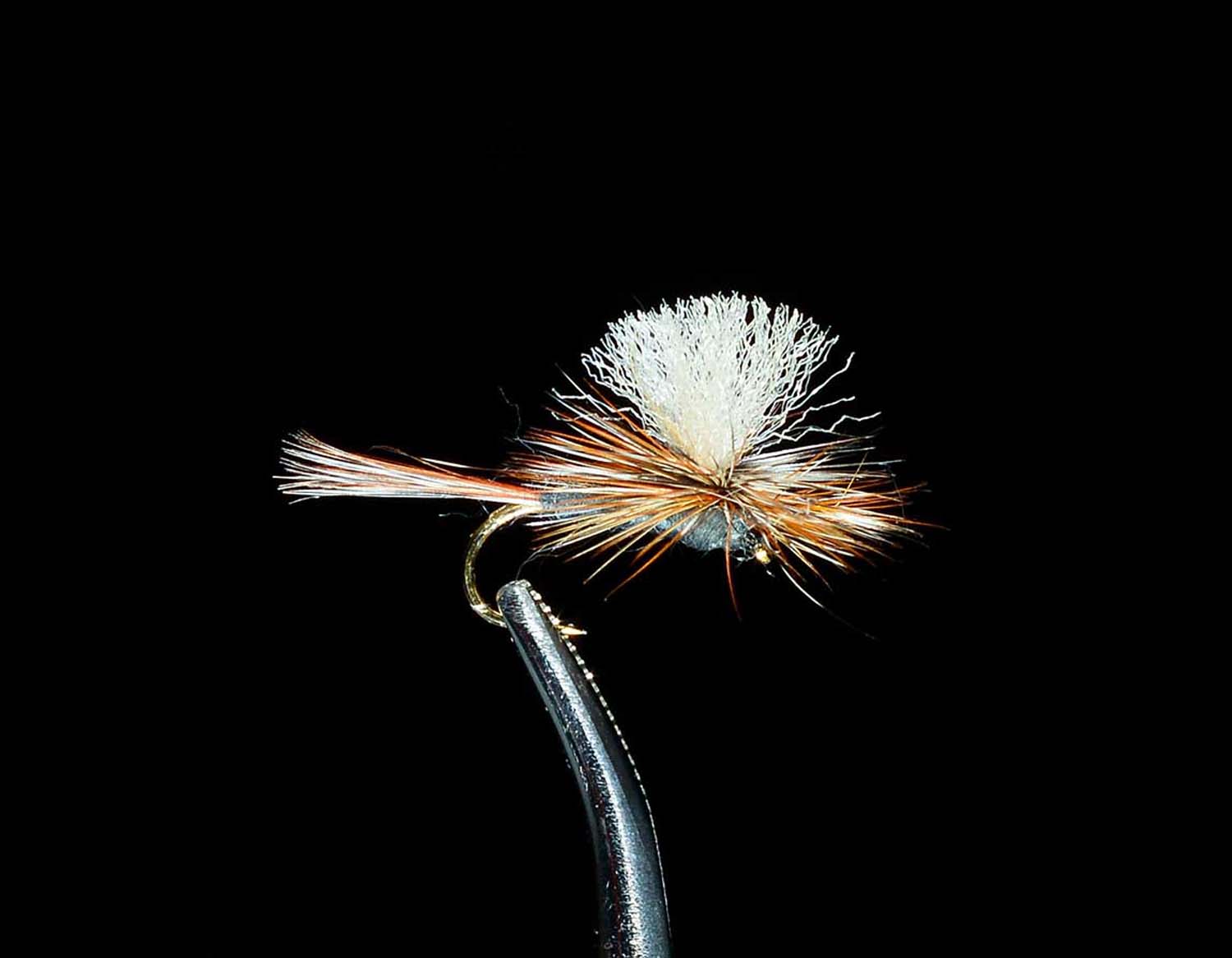
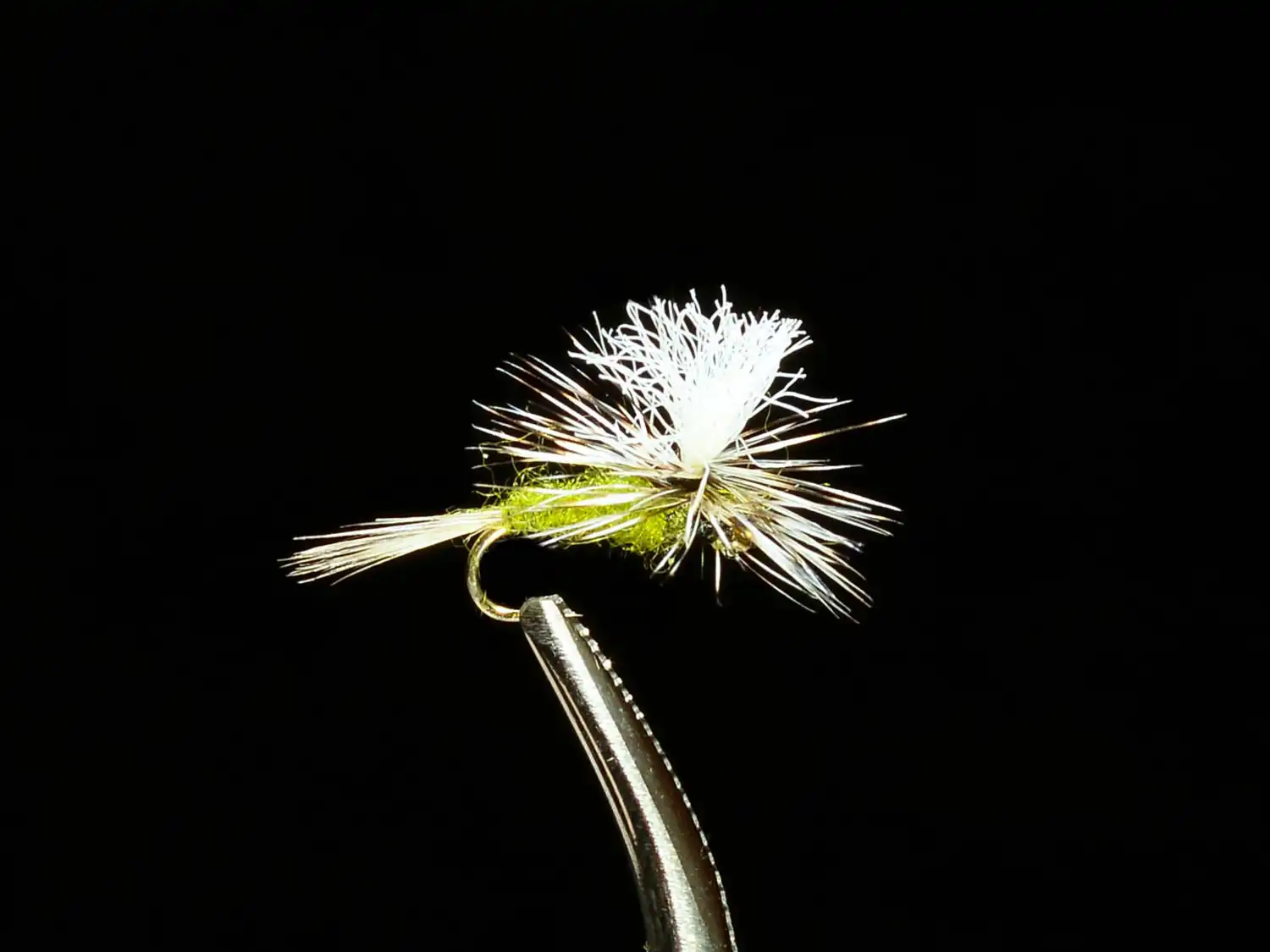
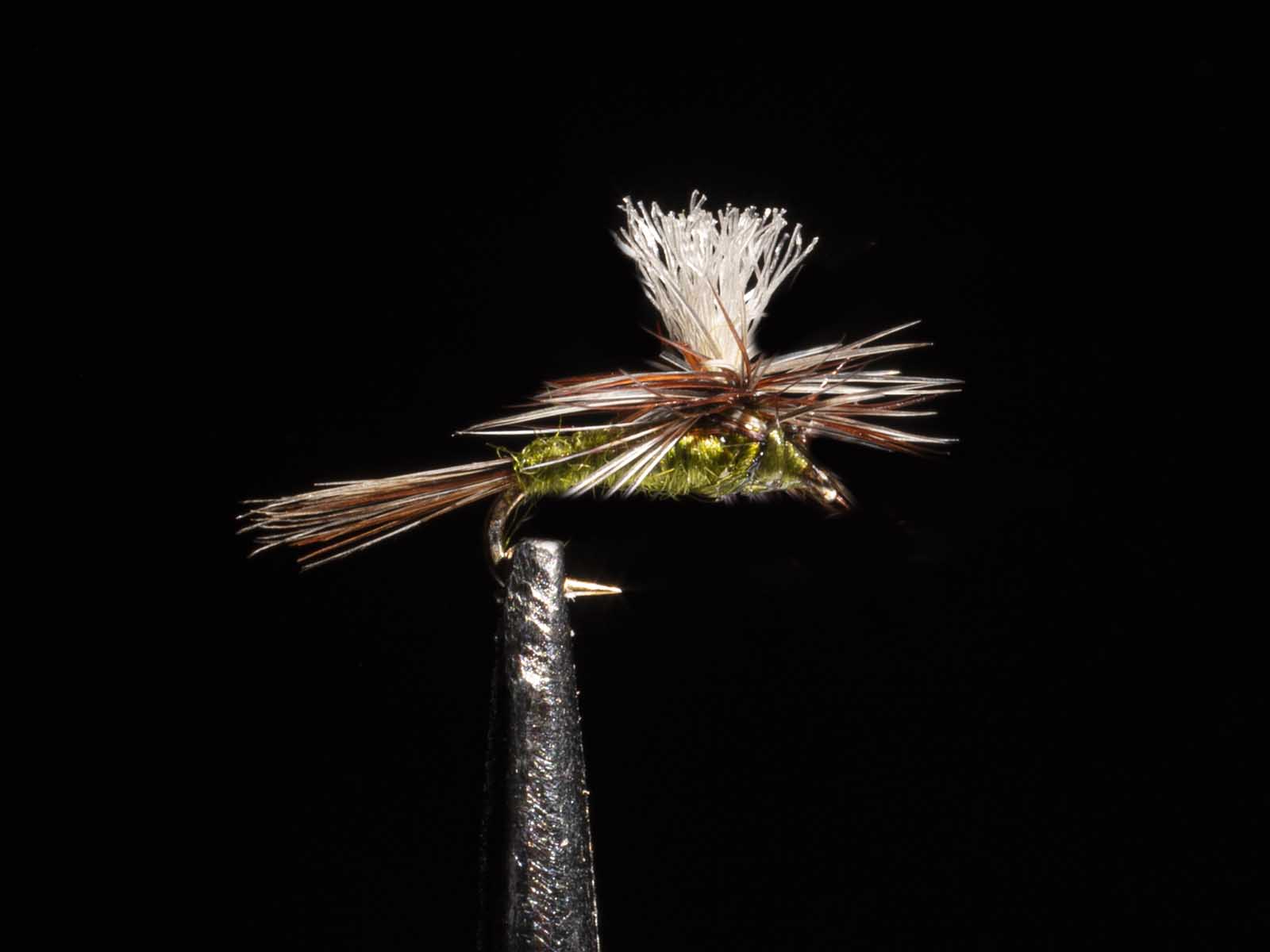
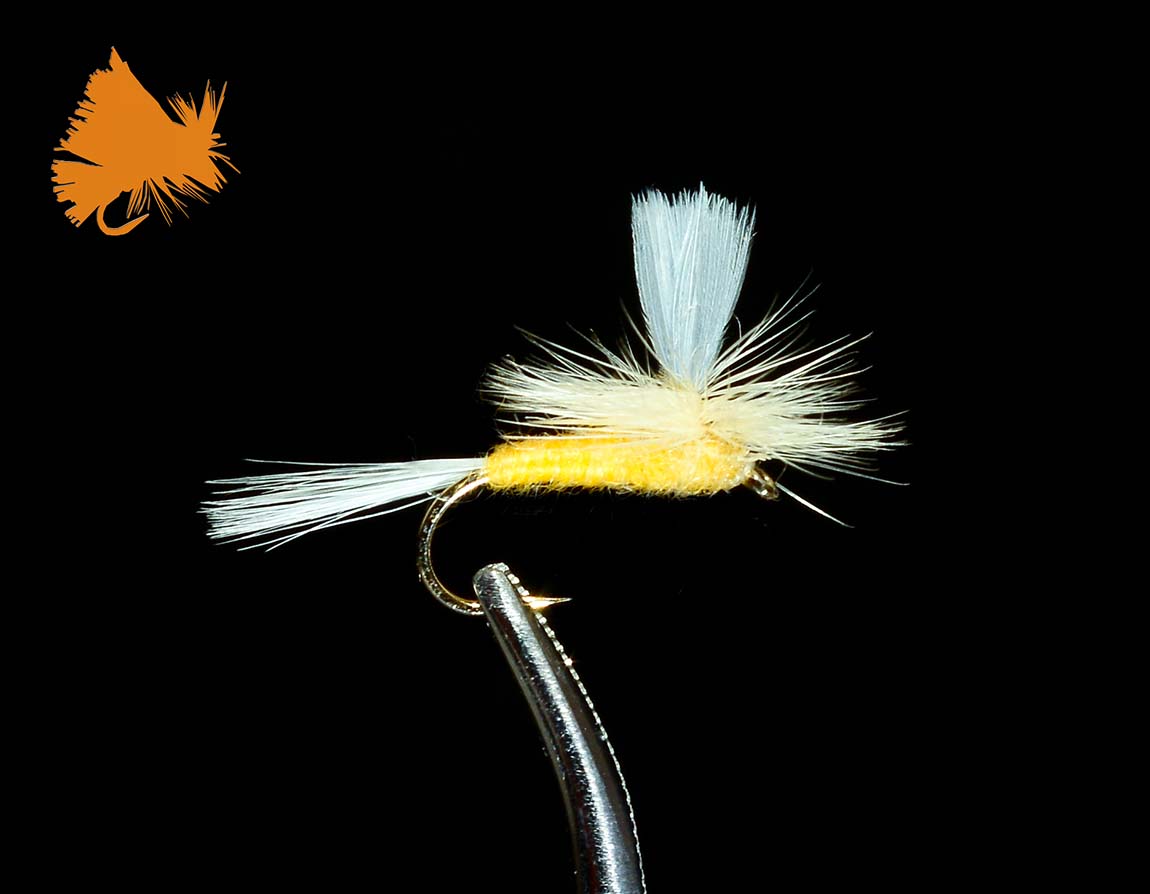
1. Parachute Adams (Dry Fly)
Sizes: 12-18
Colors: Gray body with grizzly hackle
Why it works: The Parachute Adams is the Swiss Army knife of dry flies. It imitates mayflies, small caddis, and even midges depending on size and presentation.
The parachute post makes this fly incredibly visible on the water while maintaining a realistic silhouette from below. The grizzly hackle creates the perfect amount of movement to suggest life without looking unnatural.
When to use it: This fly shines during mayfly hatches from spring through fall. It’s particularly effective during blue-winged olive emergences and pale morning dun hatches. Fish it in slower water where trout have time to inspect their food.
Pro tip: In faster water, the Adams can represent a struggling or crippled mayfly. Let it drift naturally, but don’t be afraid to give it an occasional twitch to imitate an insect trying to escape the surface film.
Parachute Adams can be tied in a variety of colors and variations. While the names may change, a parachute style mayfly pattern is always at the core.
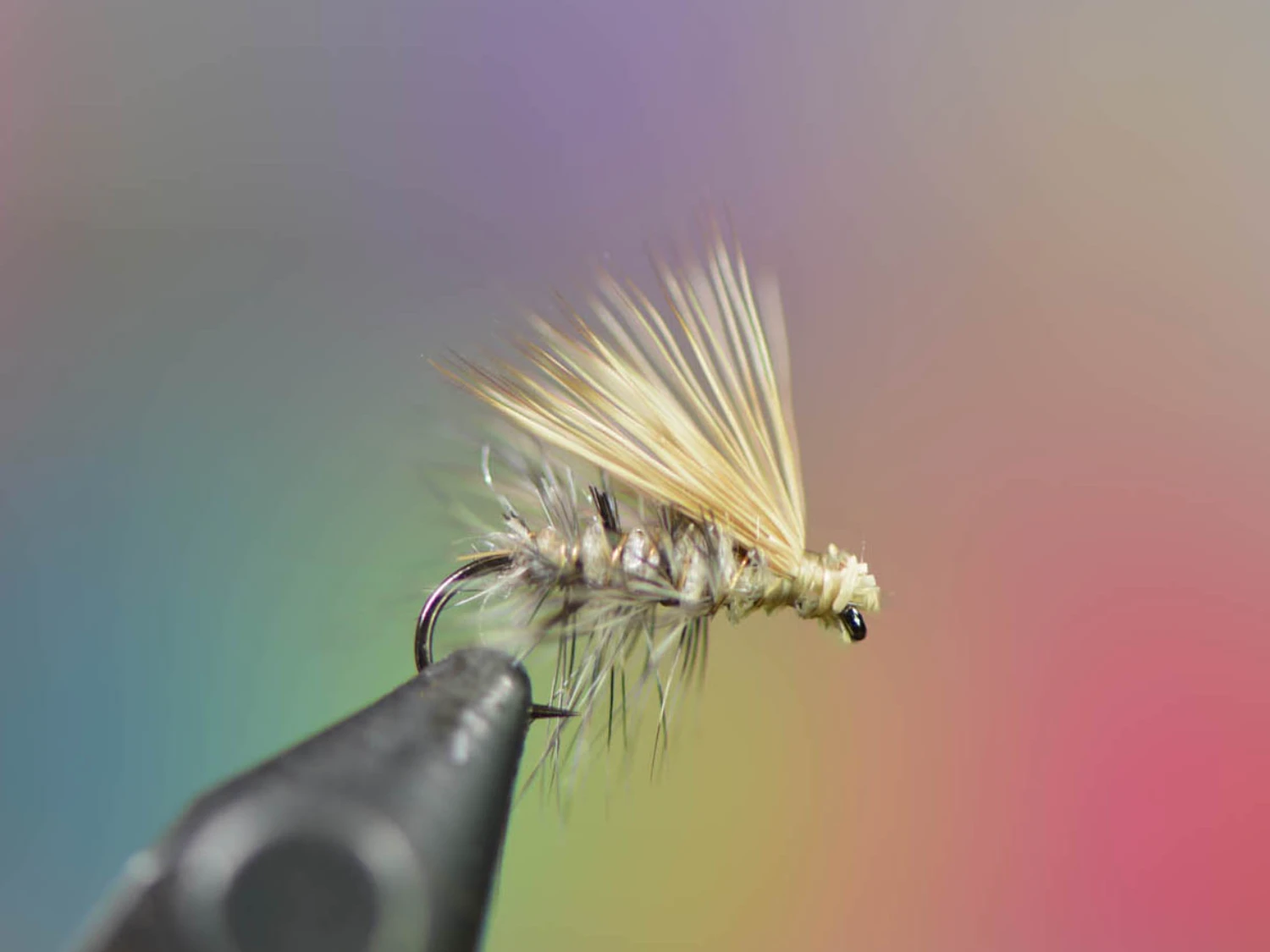
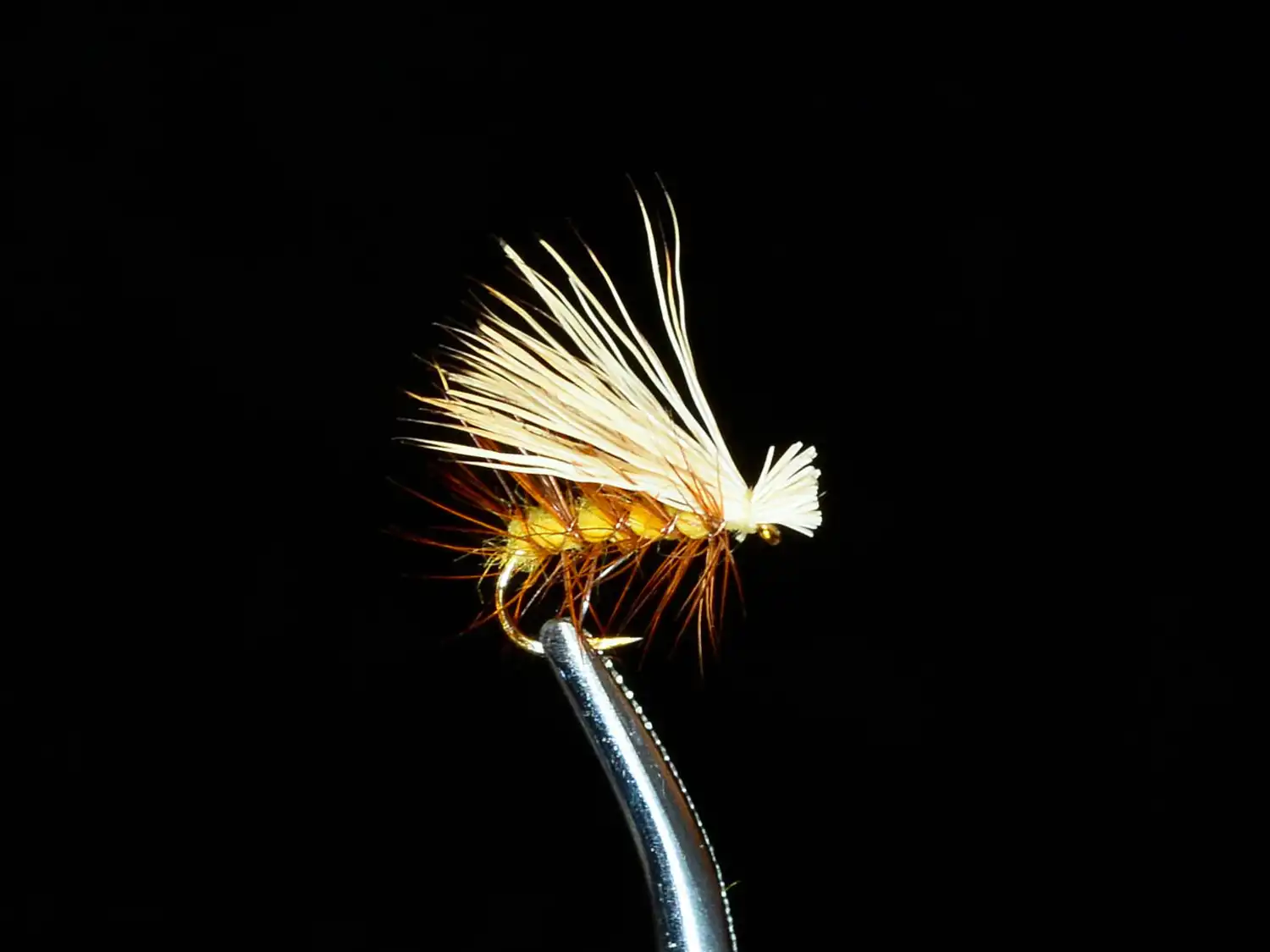
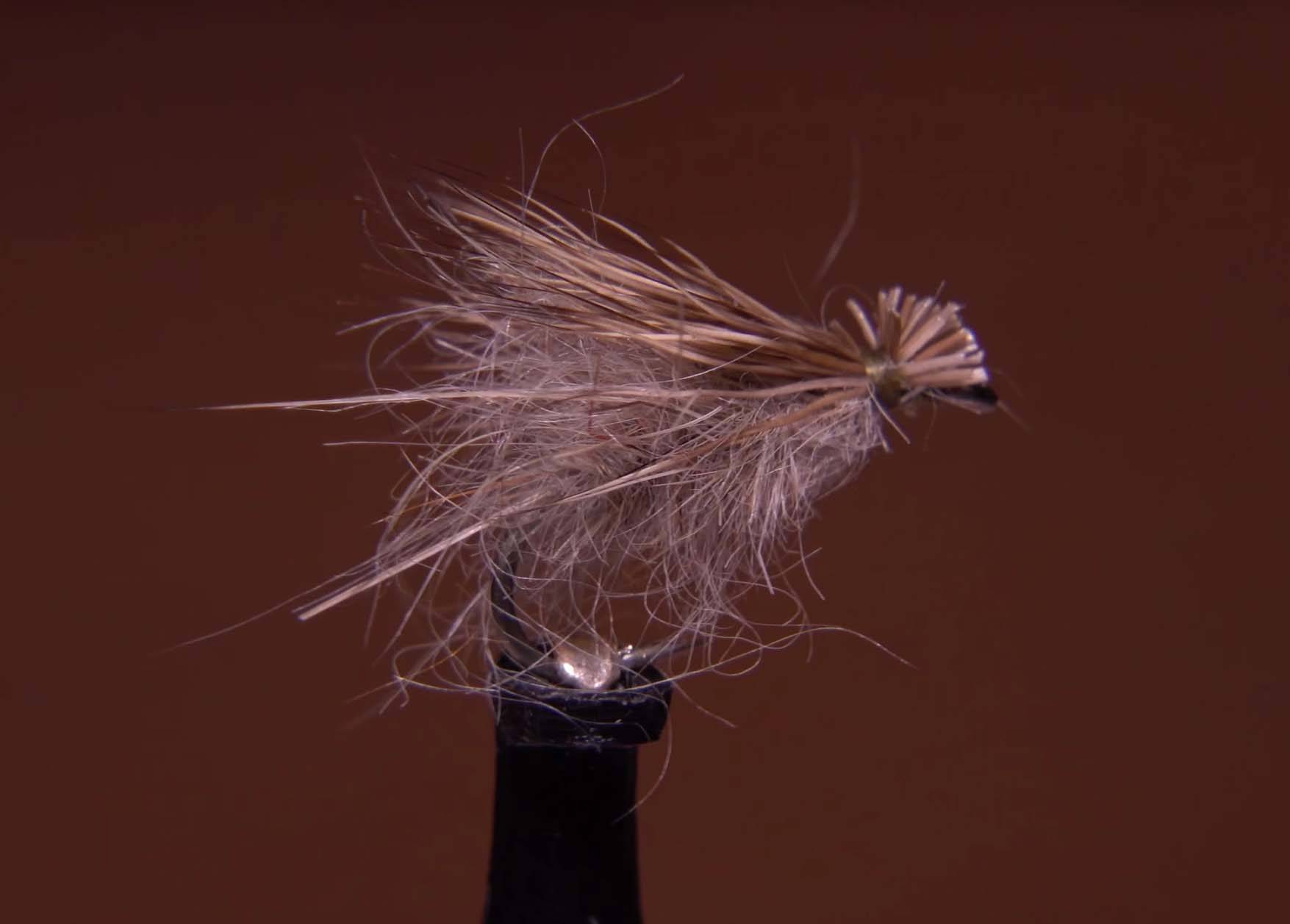
2. Elk Hair Caddis (Dry Fly)
Sizes: 12-18
Colors: Tan, olive, brown
Why it works: Caddisflies are present in virtually every trout stream, and this pattern nails their profile perfectly. The elk hair wing creates the right silhouette while providing excellent flotation.
Unlike mayflies that sit upright on the water, caddis tend to skitter and move. The Elk Hair Caddis handles both dead-drift presentations and active retrieves, making it incredibly versatile.
When to use it: This pattern works from late spring through early fall, with peak effectiveness during summer caddis emergences. It’s deadly in pocket water, riffles, and along undercut banks where caddis naturally congregate.
Advanced technique: Try a slight downstream twitch followed by a dead drift. This imitates a caddis laying eggs or trying to take off from the surface.
3. Pheasant Tail Nymph (Nymph)
Sizes: 12-18
Colors: Natural brown, copper bead head
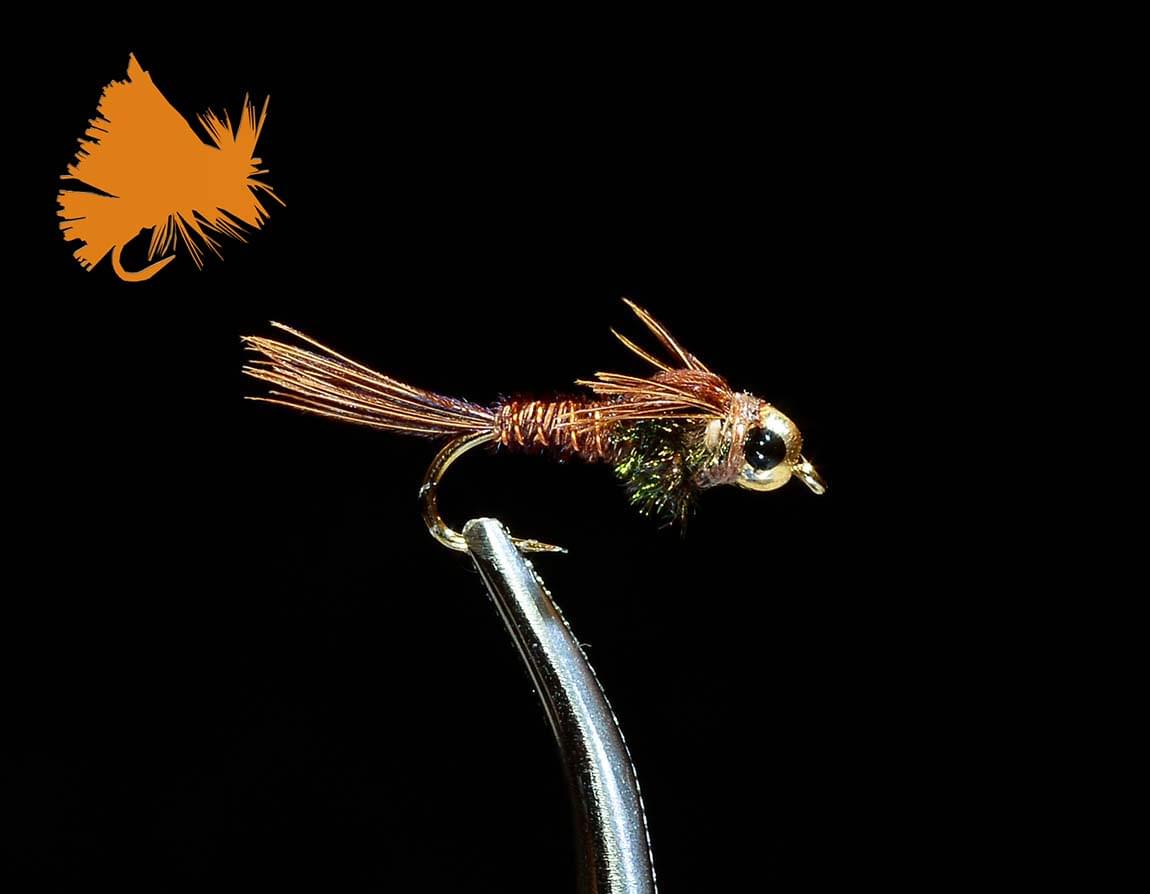
Why it works: This pattern imitates mayfly nymphs better than anything else in your box. The pheasant tail fibers create a segmented body that looks exactly like the real thing, while the copper bead gets it down to feeding depth quickly.
Most of what trout eat lives underwater, and mayfly nymphs represent a huge portion of their diet. The Pheasant Tail covers multiple mayfly species across different sizes and seasons.
When to use it: This is a year-round producer, but it’s especially effective during pre-hatch periods when nymphs are active but not yet emerging. Fish it in runs, pools, and anywhere you see mayfly activity on the surface.
Depth strategy: Start fishing at 1.5 times the water depth. If you’re fishing a 3-foot deep run, set your indicator so the fly rides about 4.5 feet below it.
4. Zebra Midge (Nymph)
Sizes: 18-22
Colors: Black, red, olive
Why it works: Midges are available to trout 365 days a year, making them the most reliable food source in any system. The Zebra Midge’s simple design perfectly imitates midge pupae in the film.
This tiny fly accounts for massive numbers of trout because it represents what they eat most often. While other insects come and go with seasons and hatches, midges are always present.
When to use it: Midges work year-round but are particularly crucial during winter and late fall when other food sources are scarce. They’re also deadly during midge emergences in tailwaters and spring creeks.
Rigging tip: Fish this as a dropper 18-24 inches below a larger nymph or dry fly. The small size makes it hard to track on its own, but trout can’t resist it when it drifts naturally through their feeding lane.
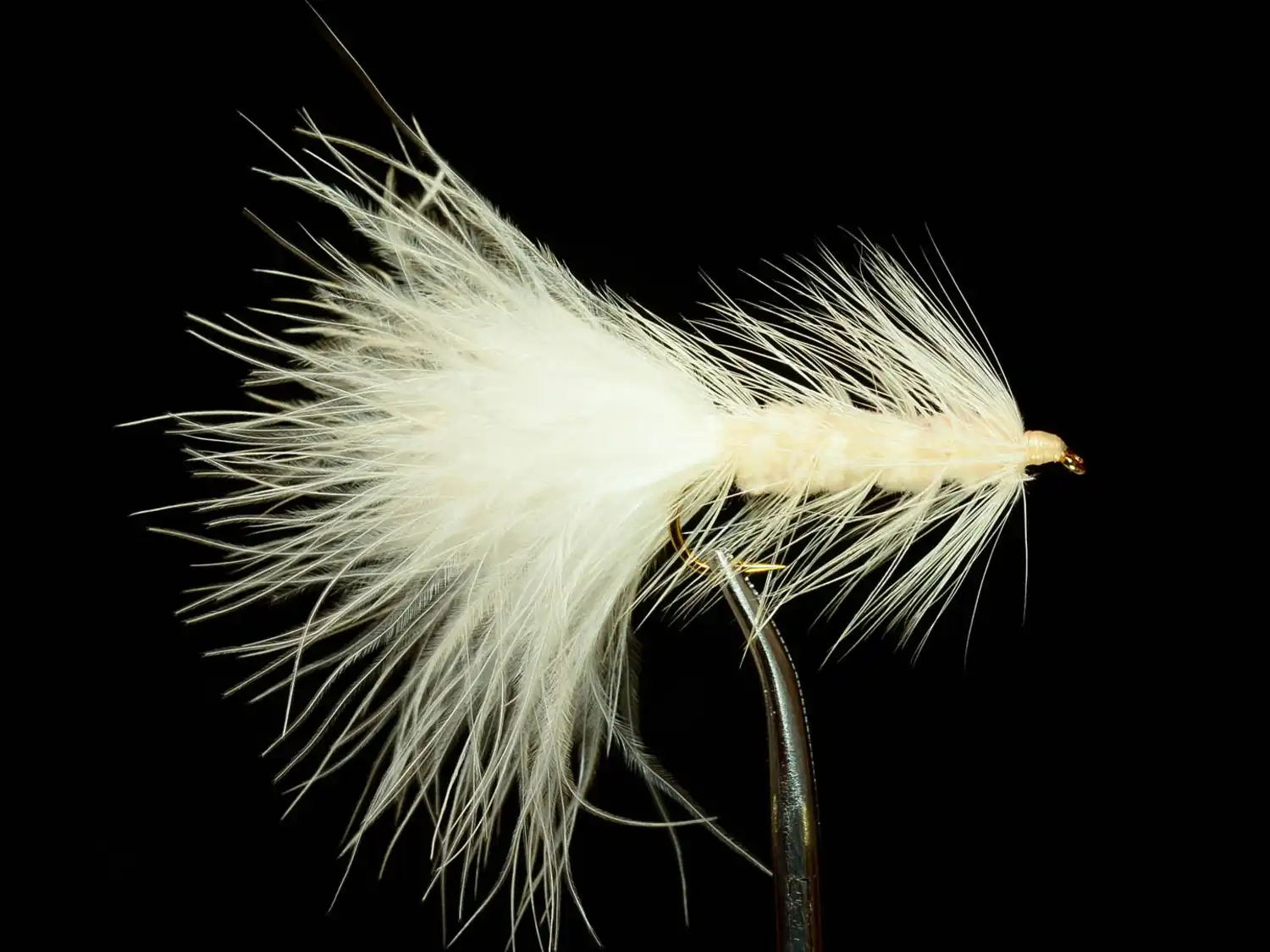
5. Woolly Bugger (Streamer)
Sizes: 6-10
Colors: Olive, black, brown
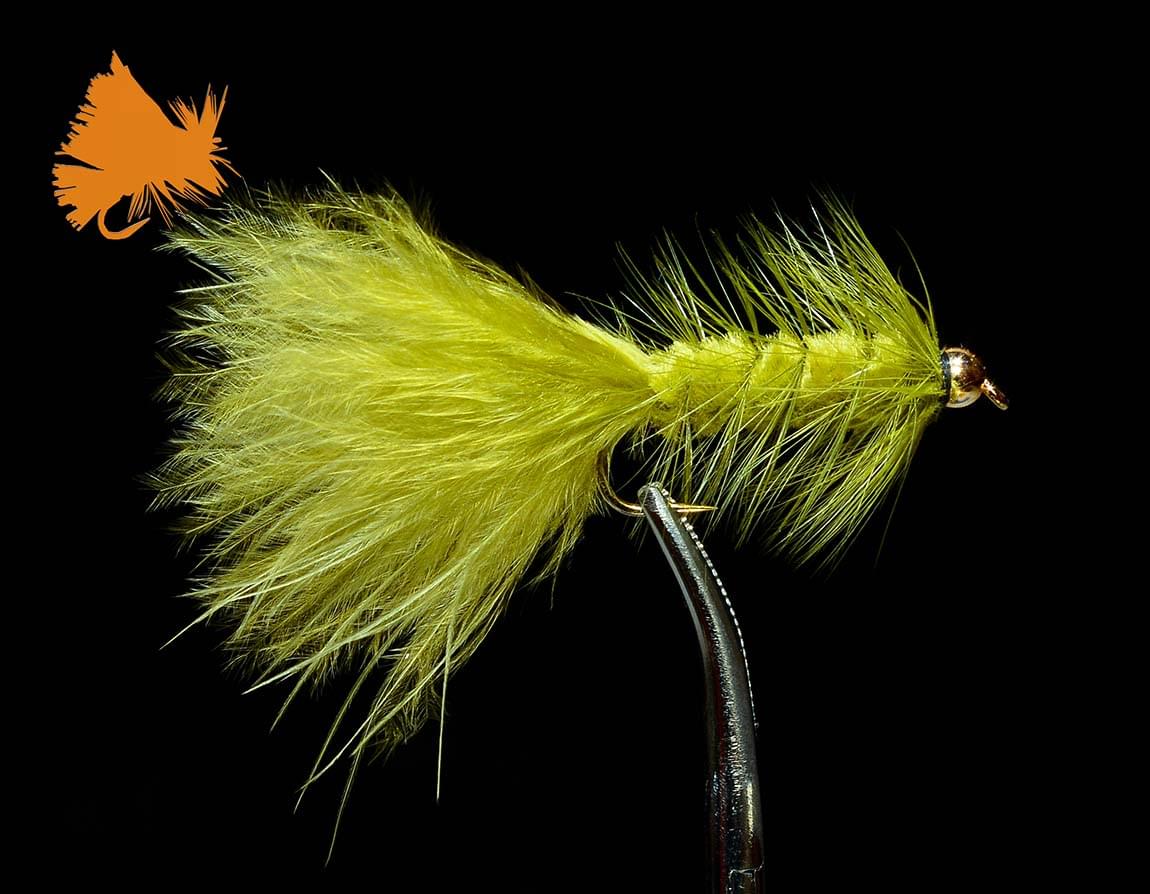
Why it works: The Woolly Bugger imitates everything and nothing specific, which is exactly why it works. It suggests leeches, baitfish, large nymphs, or any other substantial food item that triggers a trout’s predatory instincts.
The marabou tail creates lifelike movement even in slow water, while the hackle adds bulk and suggests gills or fins. This combination triggers aggressive strikes from territorial or opportunistic trout.
When to use it: Woolly Buggers excel in deeper pools, undercut banks, and during low-light conditions. They’re particularly effective in early spring and late fall when trout are feeding aggressively to build energy reserves.
Retrieve variations: Start with slow, steady strips. If that doesn’t work, try short, erratic strips followed by pauses. Sometimes a dead drift works better than any retrieve.
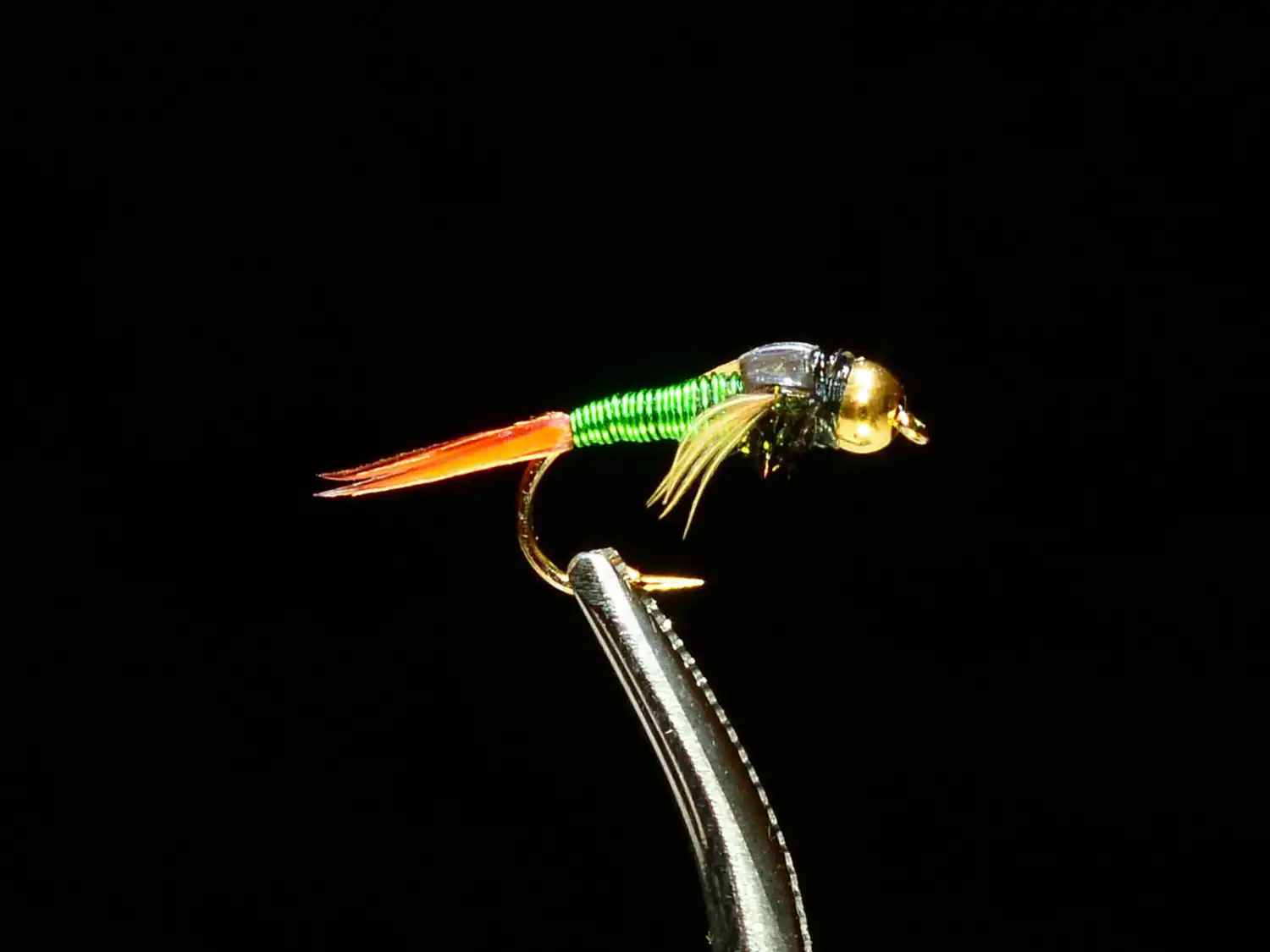
6. Copper John (Nymph)
Sizes: 12-18
Colors: Copper, red, green
Why it works: This pattern gets down fast and stays down, making it perfect for deep, fast water where other nymphs can’t reach feeding fish. The copper wire body creates flash that attracts attention without looking unnatural.
The Copper John imitates stonefly nymphs and large mayfly nymphs, both high-protein food sources that trout actively seek. Its weight makes it an excellent anchor fly in multi-fly rigs.
When to use it: This fly shines in fast, deep runs where you need to get down quickly. It’s particularly effective during stonefly seasons and in pocket water where trout are holding tight to the bottom.
Rigging strategy: Use the Copper John as your point fly with a lighter nymph or emerger pattern as a dropper. The heavy Copper John gets both flies down while the dropper imitates something more delicate.
Seasonal Applications
Spring: Focus on the Pheasant Tail and Copper John as runoff subsides and nymphs become active. Add the Parachute Adams when mayflies start appearing.
Summer: All six patterns are in play. Use dry flies during morning and evening hatches, nymphs during midday, and streamers in deeper water or low-light conditions.
Fall: Emphasize the Zebra Midge and Woolly Bugger as trout feed heavily before winter. The Copper John remains effective in faster water.
Winter: The Zebra Midge becomes your most important pattern, with the Pheasant Tail as backup in deeper pools.
Building Your Fly Selection Skills
Having these six flies is just the starting point. Success comes from understanding when and how to use each pattern. Pay attention to what’s happening on the water: are insects emerging? Are fish rising? What’s the water temperature and clarity?
Start each fishing session by observing before you cast. Look for rising fish, check for insects on the water surface, and note the water conditions. This information guides your fly choice more than any generic recommendation.
The Top Trout Assortment includes all these essential patterns in the right sizes and colors, plus additional variations that expand your options without overwhelming your selection process.
Master the Basics First
These six flies will handle the vast majority of trout fishing situations you’ll encounter. Focus on learning to fish each pattern effectively rather than adding more flies to your box. Understanding why each fly works and when to use it matters more than carrying every pattern ever tied.
Once you’ve mastered these fundamentals, you can expand your selection based on local conditions and specific hatches. But start here, fish these patterns with confidence, and you’ll catch more trout than anglers carrying boxes full of flies they don’t understand.
Top Trout Assortment
One Box. Every Situation. Zero Guesswork.
A broad, all-around trout fly assortment built to cover dry flies, nymphs, and streamers.

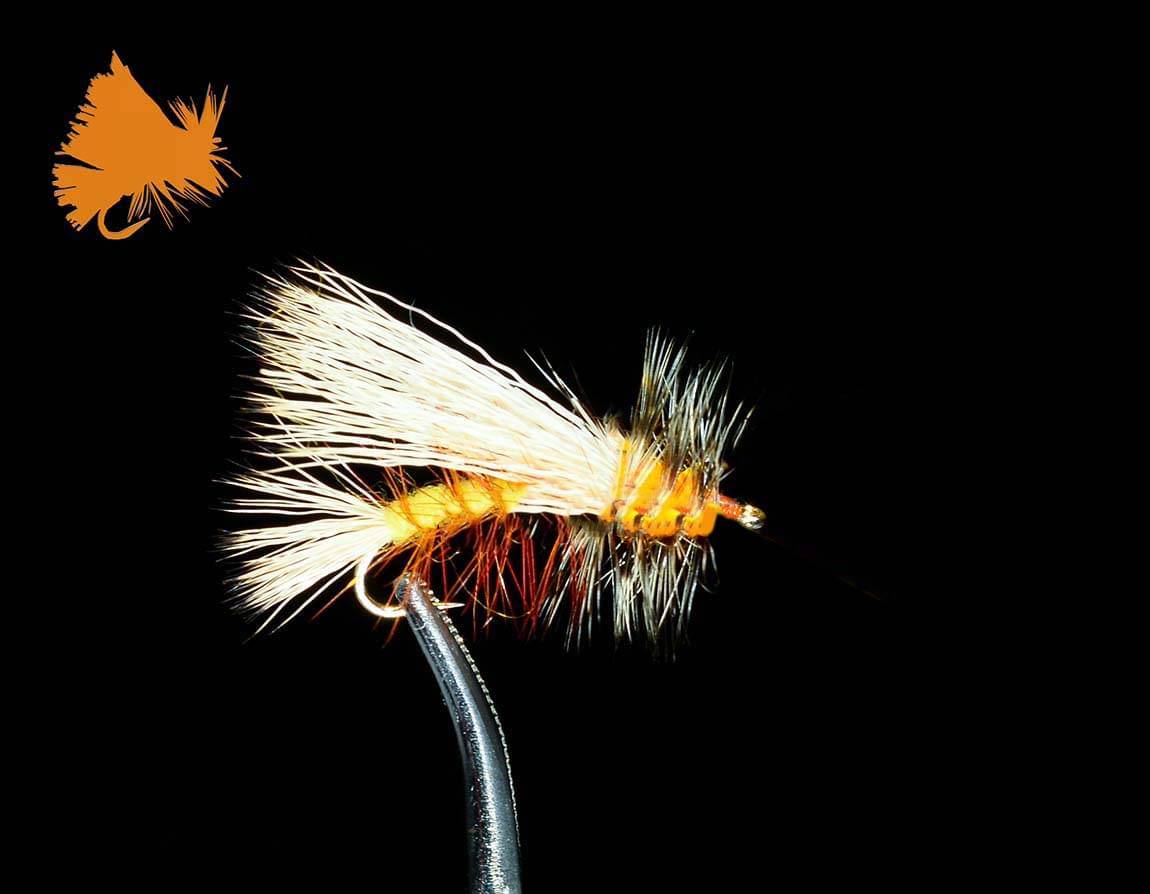
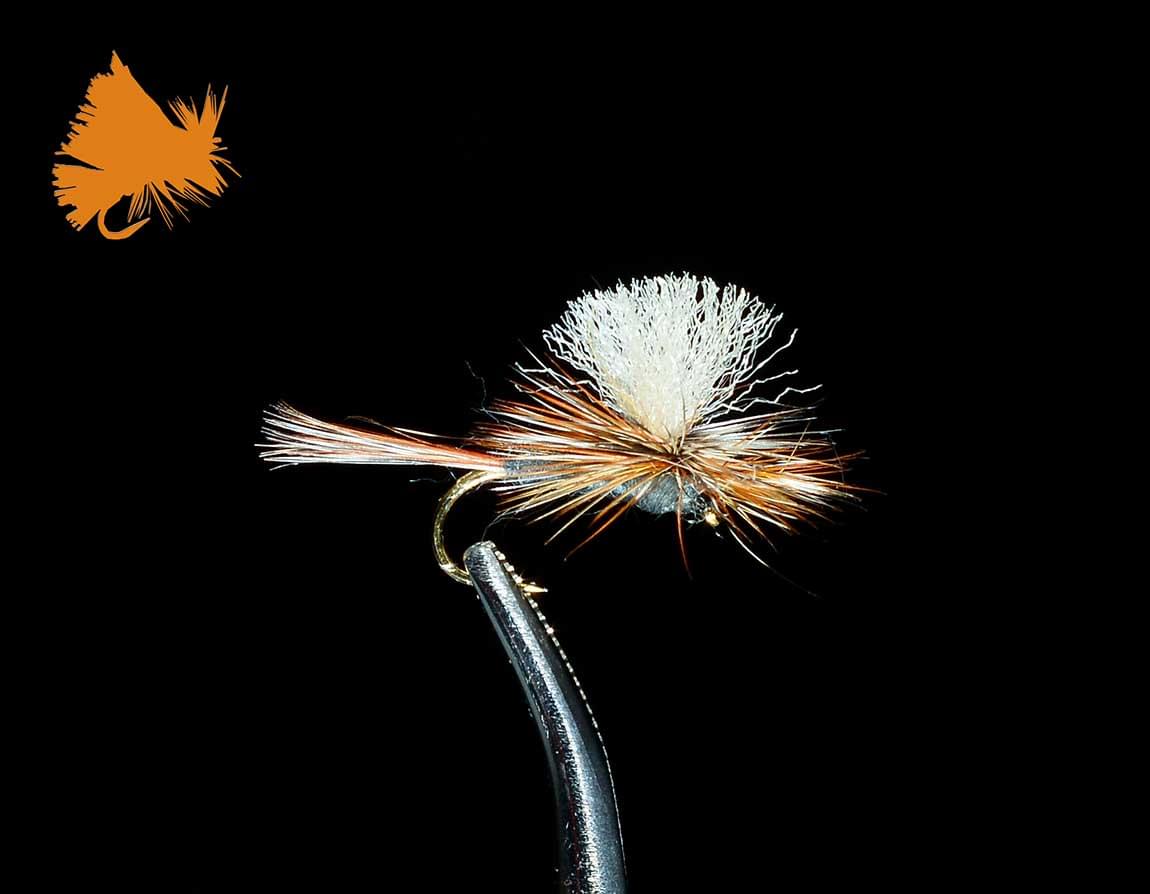

- A broad, all-around trout fly assortment built to cover dry flies, nymphs, and streamers.
- 72 flies | 6 patterns | 3 sizes of each pattern
- FREE shipping, 5-7 day delivery






