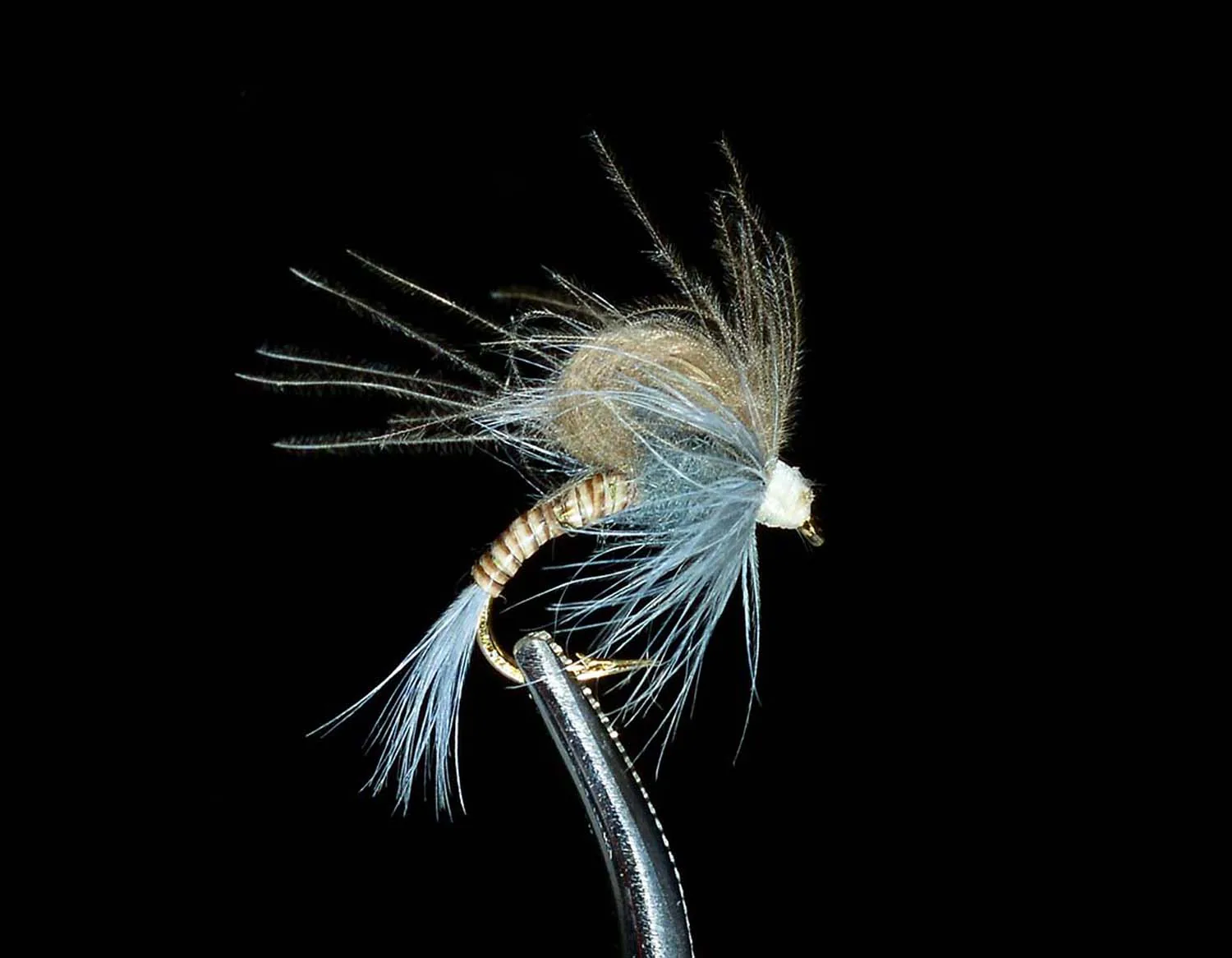
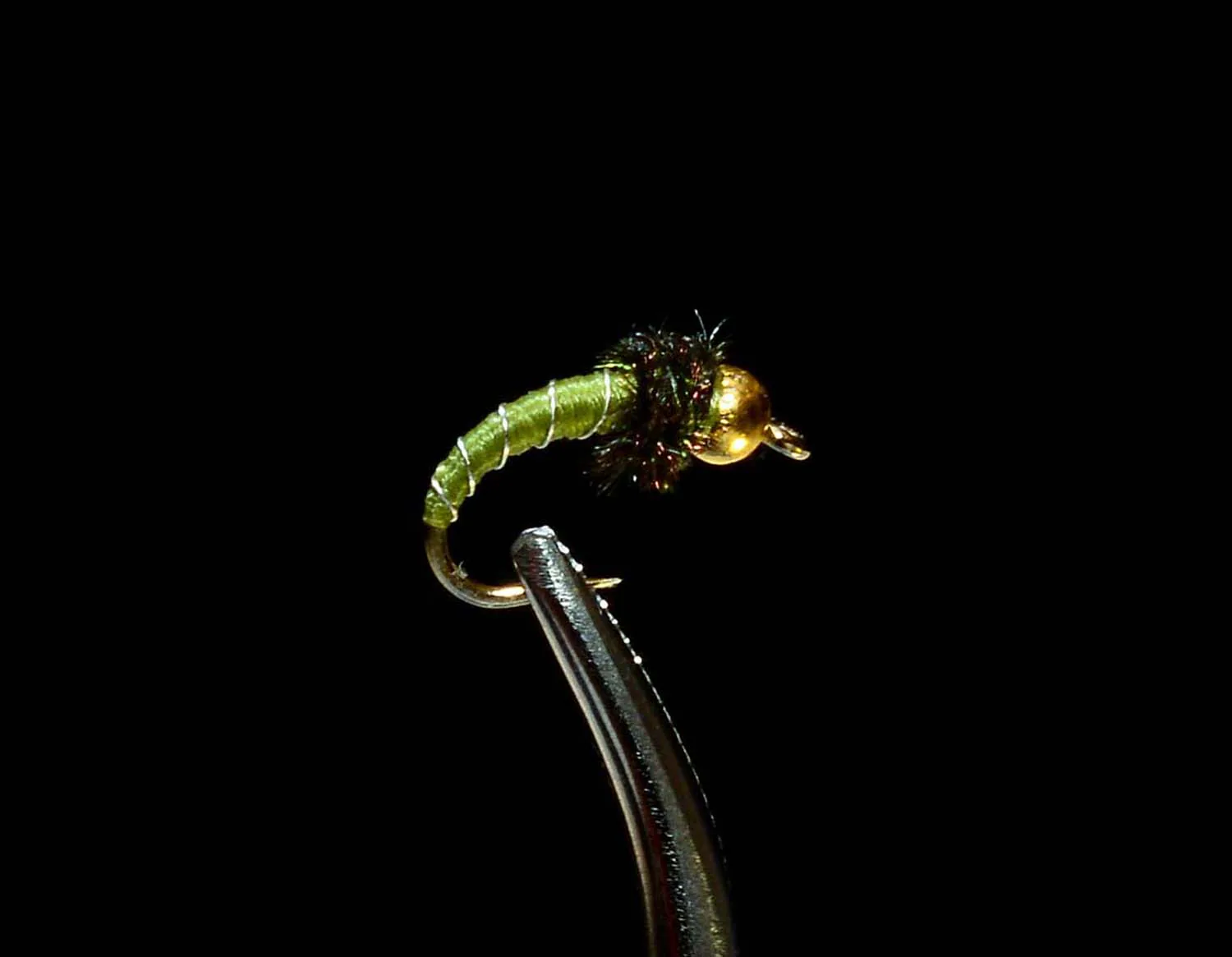
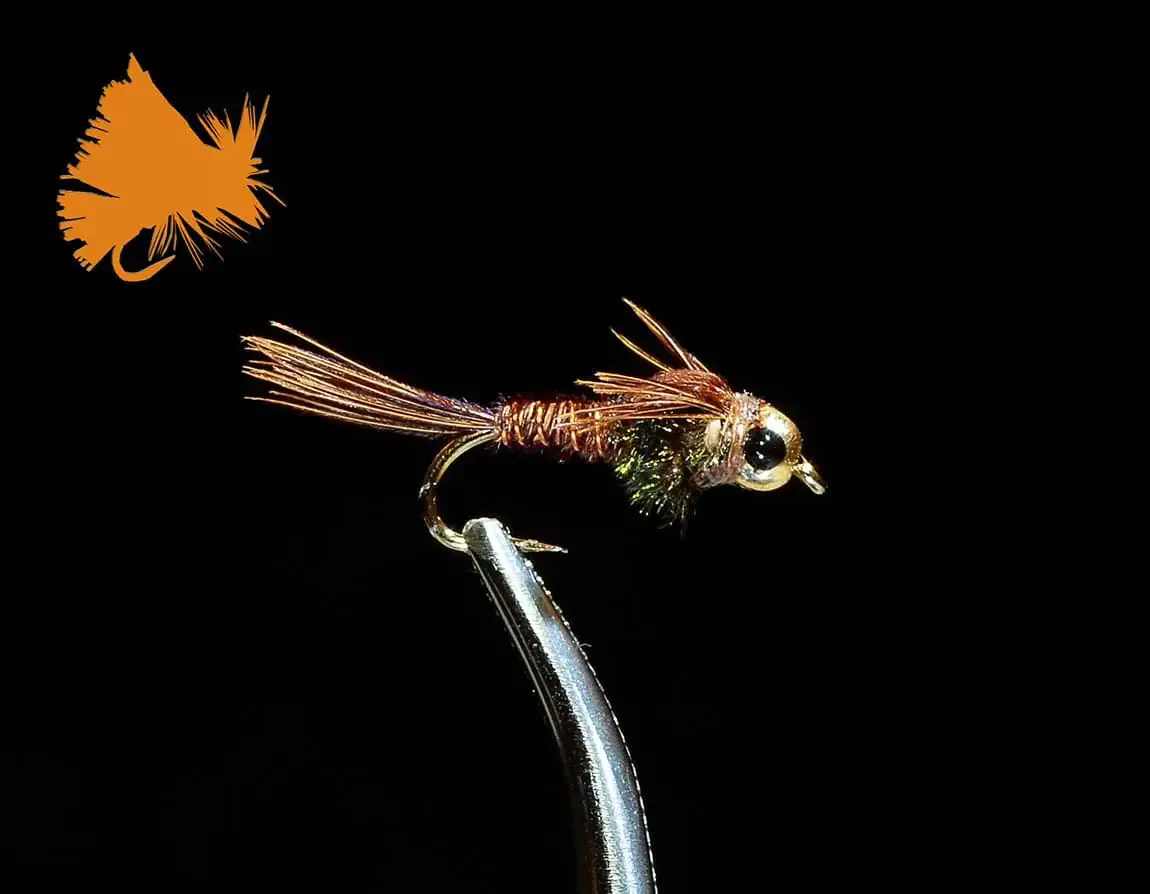
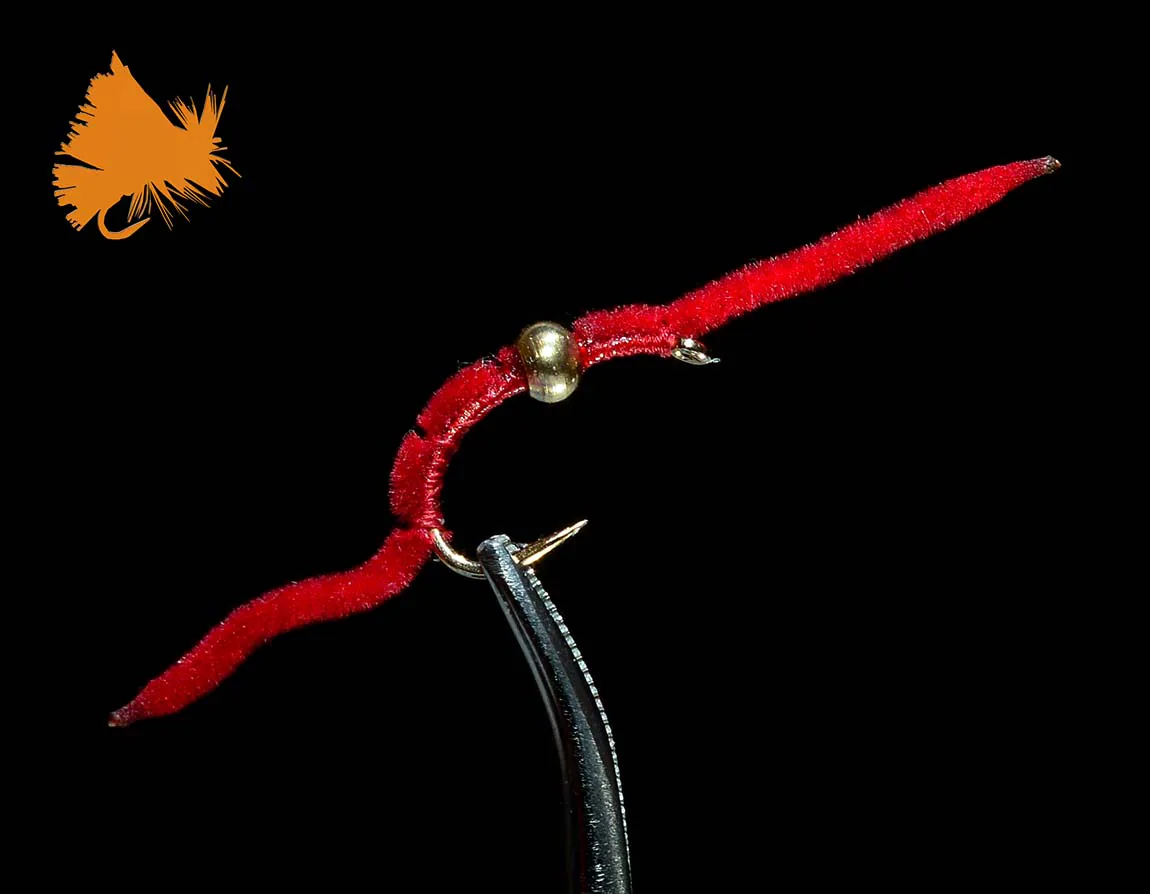
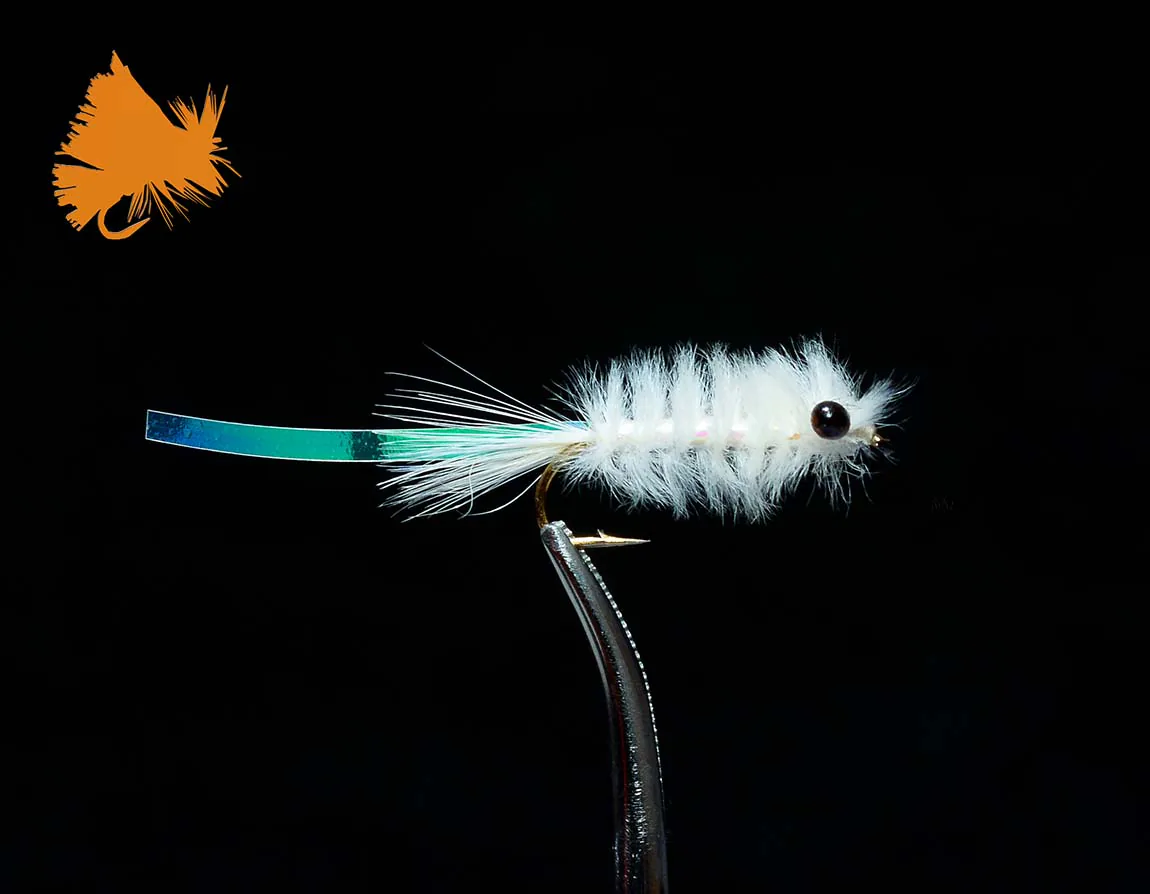
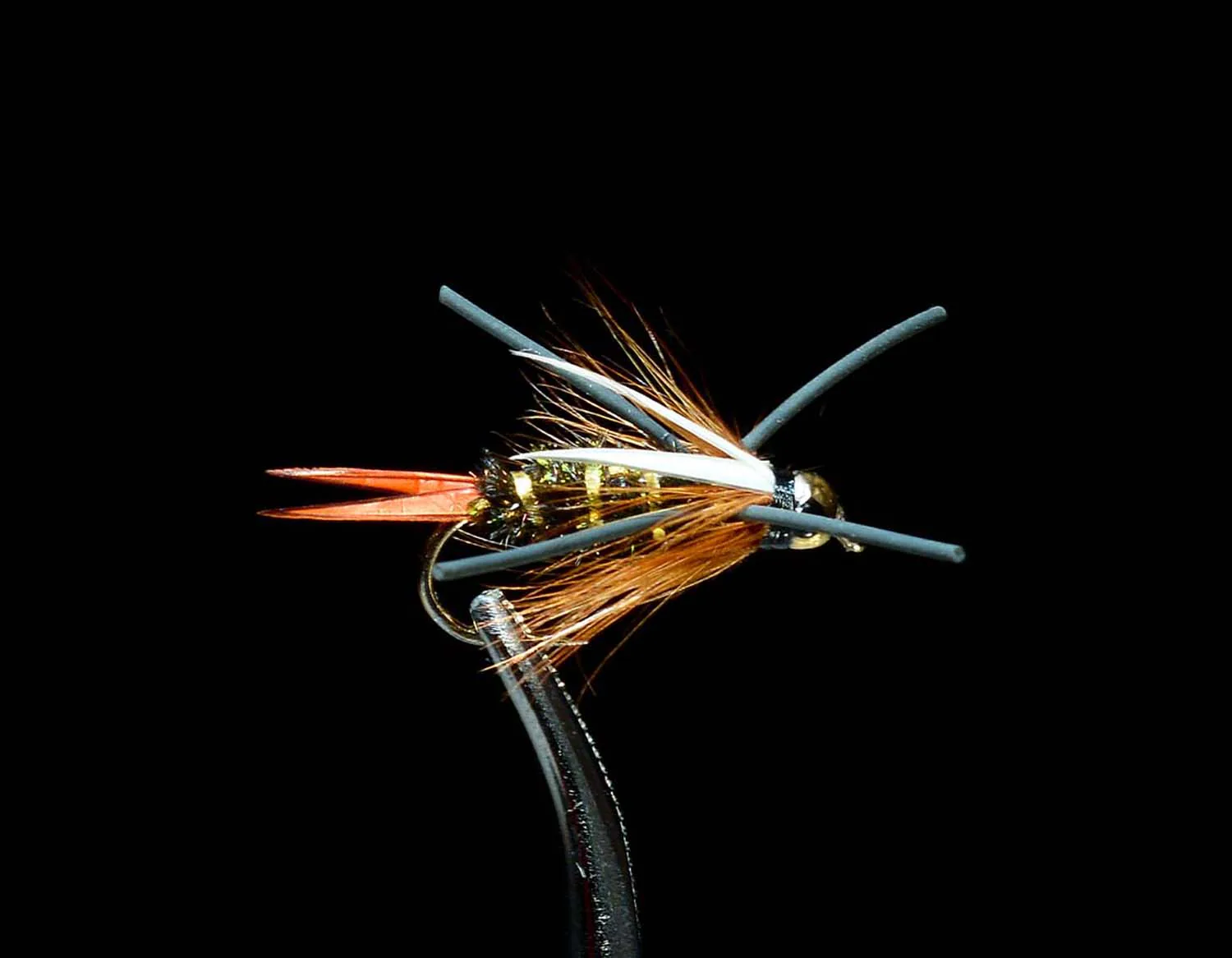
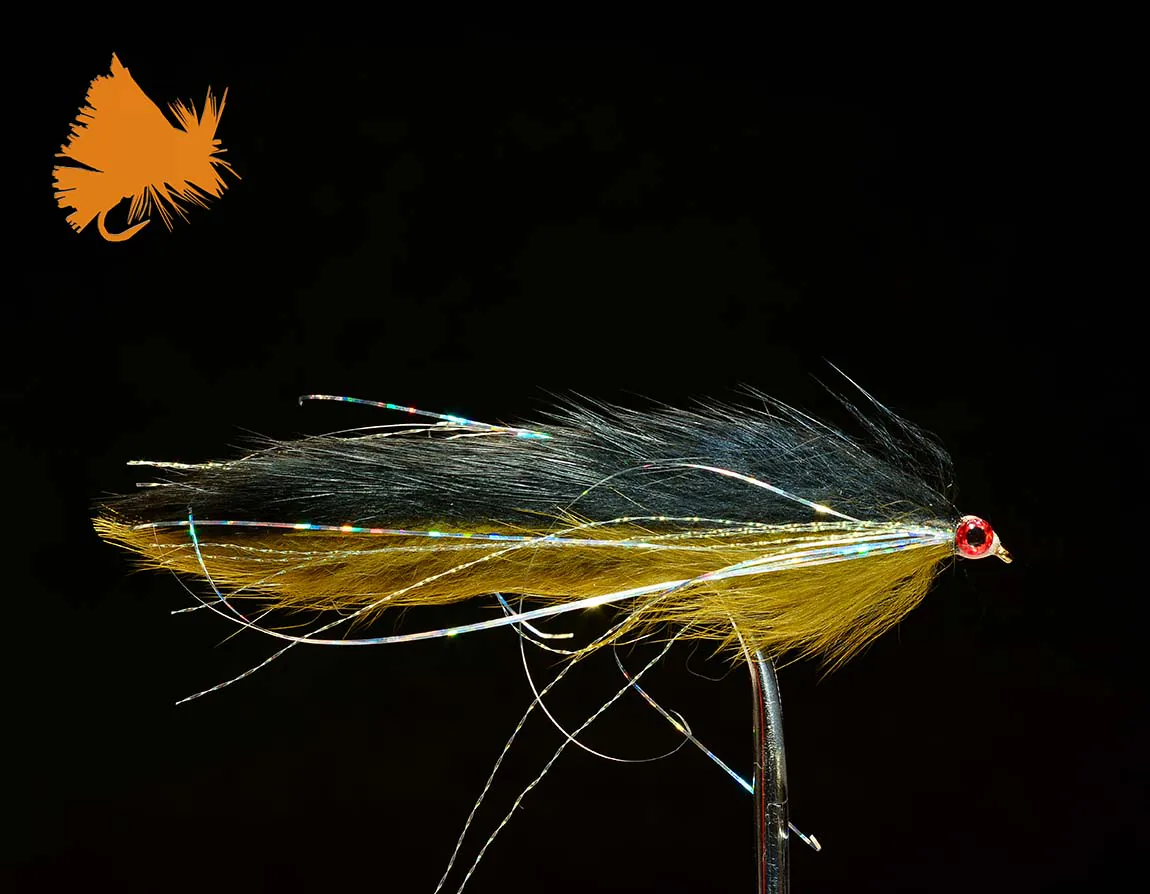
Here is the river from the top down. Each section has a genuinely different personality, and choosing correctly is the first pillar in action.
Middle Fork of the South Platte
The Middle Fork starts up by Alma and fishes well for brook trout in its highest water. As it works down toward Fairplay and below, brown trout take over with some rainbows mixed in. This is a small freestone stream running through the open country of South Park, and it fishes the way meadow water fishes: a lot of willing trout, most of them on the smaller side, holding in runs, undercut banks, and the deeper slots along bends.
Tomahawk and Spinney State Wildlife Areas are the primary sections most people fish, but much of the Middle Fork is public if you are willing to drive and look. That is genuinely part of the appeal here. This is a good area to explore and find spots for yourself rather than following someone else’s map. Access rates as medium, difficulty as easy.
The Middle Fork is a strong choice for beginners. Lots of small fish means lots of chances, and the fish are not nearly as picky as their downstream relatives. Dries and nymphs both produce well. Most intermediate anglers find this section fun but eventually get pulled toward the tailwaters where larger fish live. Best fishing runs spring through fall.
South Fork of the South Platte
The South Fork is nearly identical to the Middle Fork in character but with somewhat better access. The best water is on the 63 Ranch and the Knight/Ilmer State Wildlife Area, and both can be crowded on weekends. Like the Middle Fork, this is small water with lots of small fish and a pleasant, meandering meadow stream to work through.
The critical thing here is approach. There are no trees or structure to hide behind, so the fish get wary if you get too close to the water. Careful approach catches more fish, full stop. Stay low, stay back, and fish the water in front of you before you wade into it. This is one of those sections where the anglers who stand on the bank and make a good cast outfish the anglers who march into the middle of the stream.
The upper headwaters of the South Fork hold some brook trout fishing along with good camping. Difficulty rates as medium mainly because of that approach requirement, but access is easy. Dries and nymphs both work. Spring through fall is the window.
Dream Stream
The Dream Stream, officially the Charlie Meyers State Wildlife Area, is the tailwater between Spinney Mountain Reservoir and Eleven Mile Reservoir. Nearly three miles of public fishing water sits between the two, and it produces some of the biggest fish caught in Colorado each year.
Fish over thirty inches have been landed here during spring and fall as trout move up out of Eleven Mile Reservoir to spawn. Large resident fish live here too, and they are tough but rewarding to catch. There are a lot of fish in this section. It gets crowded, and you should expect that, but it stays a rewarding place to fish. During fall, Kokanee run up the river and give you a chance to catch them on the fly.
Difficulty is hard. This is medium-sized tailwater with clear water and fish that see a lot of pressure. Though there is some good dry-fly fishing from time to time, it is sporadic, and this section is most commonly a nymph fishery. Access is easy, which is part of why it is busy. Fishable year-round, with spring and fall being the marquee windows.
If you fish here during the spawn, be thoughtful. Leave fish that are actively on redds alone and fish the water below them instead.
Wildcat Canyon
Wildcat Canyon is the section most people skip, and the reasons are honest ones. It is a tough hike in and out, the name is accurate about the cougar population, and it sits between two world-class fisheries. You either pass over Eleven Mile Canyon and the Dream Stream, or you pass over Cheesman Canyon and Deckers, all of which are easier to reach and heavily celebrated.
What that means is a lot of fishable water that stays fairly untouched throughout the year. Browns and rainbows live here, mostly in the twelve to sixteen inch range with a few getting bigger. It is a freestone canyon reach with medium difficulty, but hard access. Both dries and nymphs produce.
Plan accordingly before you attempt this section. Be in good enough shape to make the trip and get out the same day, because getting stuck in cougar country overnight is not the trip you signed up for. Bring more water than you think you need and give yourself daylight margin. Spring through fall is the practical window.
Cheesman Canyon
Cheesman Canyon deserves its reputation. Many anglers call it the most technical fishery in the country, and there is good reason for that. It is a steep canyon, so access is tricky and requires a hike, which keeps the less adventurous out. Once you get down to the water, you are looking at some of the clearest trout water anywhere, and the fish know exactly what you are.
Everything difficult about a river is rolled into this one canyon. The large granite boulders create multiple and crossing currents, which means you need a genuinely drag-free drift through complex water. The fish are spooky. They are indicator shy and split shot shy. Small flies are usually required for success. It is mainly a nymph fishery, though there are hatch windows worth watching for.
Fish range twelve to eighteen inches here and can get considerably bigger if you know where to look. Rainbows and browns. Difficulty is hard, access is hard, and it fishes year-round.
Here is the honest pitch for the place: you cannot really have a bad day in the canyon. Some days are outstanding. Other days you spend hours without a fish and the water is still gorgeous, and you will see more fish than you do on most rivers anywhere. The canyon gives you a bird’s-eye view of trout from the big boulders above, and watching fish feed from up there teaches you more about trout behavior than most instruction ever will. Plenty of good anglers spend half a day just observing before they make a cast.
Deckers to the North Fork Confluence
On the other side of the private Wigwam Club water below Cheesman, the Deckers section begins and runs down to the confluence with the North Fork of the South Platte. This section holds a tremendous number of fish and sits only sixty to ninety minutes from the Front Range, which makes it one of the closest and most attractive places to catch sizable trout on a Colorado tailwater.
That proximity to Denver means it gets crowded. With some driving, though, you can find open water. There are miles of fishable river here. Most of the time there are more fish above the bridge in Deckers, but there are also roughly three times the crowds. Fishing downstream of the bridge often yields more fish and fewer people, and there are real beasts down there, so do not overlook those stretches.
Fish here range from ten inches all the way up to twenty-four, and the section consistently produces big trout every year. Plenty of eighteen-inch-plus fish are worth a photo. Rainbows, cutbows, and browns all live here. Practice good catch and release, because these fish get pressured hard and they need to survive being caught repeatedly.
Difficulty is hard, but access is easy, which is an unusual combination and part of why it is such a popular destination. Nymphing is the primary technique. Fishable year-round.
Waterton Canyon
Waterton Canyon is a tailwater less than thirty minutes from Denver, which makes it one of the most practical fishing destinations on the Front Range. It requires a hike to get in and it can get crowded, but the trail is easy and you can bike in, which makes the upper reaches accessible and those upper reaches see noticeably less pressure. Biking past the first mile or two is the single best move you can make here.
Brown and rainbow trout live in this canyon. Most run twelve to eighteen inches, with fish over twenty inches present. The fishing is similar to Deckers with one important exception: fly selection. Scuds and sowbugs carry real importance in this section, layered on top of the standard caddis, midges, mayflies, and stoneflies you find elsewhere. If you show up with a tailwater box and no scud patterns, you are leaving fish on the table here.
This section works well as a full day trip or as an evening session for a few hours after work, which is genuinely rare for water this good. Difficulty is hard and access is medium. Nymphing is the primary technique. Fishable year-round.
Denver Section
The Denver section runs through town and it is a different animal entirely. During winter, when the water cools, you can catch a few trout in the city and some of them reach good size. There are not many, however, and most days you will do better going to Waterton or Deckers.
Spring through fall, this stretch is an excellent carp fishery. If you like chasing carp on the fly, there is abundant access through town and carp well over thirty inches live in this water. Bring streamers as well, because you may find a shot at smallmouth bass or the occasional trout.
Difficulty is medium and access is easy. Best season is winter for trout, spring through fall for carp. It is worth knowing about even if it never becomes your first choice, because it is the closest fishing to a lot of people and it offers something the rest of the river does not.