
Fishing Flies
Fishing Flies once began many decades ago with nothing more than a hook, some thread and a feather. Today, however, fishing flies have quickly evolved to not only thousands of more natural and synthetic materials, but also where they are used and what species of game fish they target. What used to be a simple endeavor to understand the top ten fishing flies, has now become very overwhelming for fly fisherman of all skills and ages. From triple-articulated game changer streamers to double humpy dry flies, the list, and lack of taxonomy leads to a lot of confusion for anglers.
Before we get into this complete guide on fishing flies, I hired a math wizard by the name of CHAT GPT-4 to do some calculating. I spent about 3 hours with it to understand the hierarchies and all possible combinations of fishing flies for both saltwater and freshwater and at a bare minimum there are over 40,500 freshwater fly pattern options and 6,480 saltwater fishing fly options.
Then if you get down to the fact that a zebra midge and a mercury midge would be the same in that calculation, you have to multiply 40,500 by the average number of patterns in each of those combinations, which is at least 2, giving you over 81,000 options. Multiply that by possible colors and sizes in each fly pattern and you get a staggering 3,402,000! So if you’re ready to geek out as an expert angler, or just want a better understanding of fishing flies as any skill level angler, you’re going to want to grab a cup of coffee or a beer, sit down and read this huge article on fishing flies.
In this comprehensive guide to fishing flies, we’re going to help you decipher this vast world of fly patterns to help you become better equipped to choosing the flies for your adventure. There are categories of fishing flies that we describe as fly anglers that help us understand what we’re talking about, but in reality, those 10 categories have overlap and the ability to be combined. For example, two ways to categorize fishing flies is by insect and by stage. A midge larva fly imitation for example could be called a midge nymph. A Zebra midge is an example of an imitative midge nymph pattern. We combine two categories of fishing flies to make a name that we understand. The insect and the stage of the insect. Most anglers will understand that a nymph is also a type of fishing fly that is categorized by technique (nymph fishing). An insect larva and nymph are commonly used inter-changeably. So for this example we combined two of the major categories.
You can do this in tens of thousands of ways and at the end of the day, we use them all. This is why it is important to understand the categories and what they are referring to in order to understand what, where and why a fishing fly is used. We’re going to go over the 10 major categories of fishing flies and ALL of the examples and names in each category for you to use as a reference list. Share this, save this to your bookmarks and as a growing angler, you’re going to refer back to this often for clarity and understanding.
This is not a short article, which is why we’ve created a table of contents to let you quickly jump around. We hope you get a ton of value out of this as we get asked a lot about the differences of fishing flies and what use they have. The knowledge we share in here will be a big step forward in your ability to answer those questions yourself and there’s nothing we love more at The Catch and The Hatch than to help you become a self-sufficient angler that catches more fish and finds new adventures.
We are going to try to go through the categories in the widest set down to the smallest set, so you can see how the grand hierarchal structure works.
FISHING FLIES BY WATER TYPE
The best place to start when thinking about how to categorize fishing flies is to begin with water type. The two major types of water are pretty straightforward and don’t need much explaination if you made it past the 1st grade:
The best place to start when thinking about how to categorize fishing flies is to begin with water type. The two major types of water are pretty straightforward and don’t need much explaination if you made it past the 1st grade:
The best place to start when thinking about how to categorize fishing flies is to begin with water type. The two major types of water are pretty straightforward and don’t need much explanation if you made it past the 1st grade:
Freshwater
Most of us, especially trout anglers live our world inside this category and the vast majority of this article disucss details of freshwater fishing flies Within freshwater, however there are some additional categories that further provide structure into the world of fishing fly patterns: Coldwater and Warmwater
Coldwater fishing flies
Coldwater refers to the bulk of trout fishing both in Stillwater lakes and in freshwater, cold creeks, brooks and rivers. This also makes up another large category of steelhead and salmon, though both steelhead and salmon can be in both saltwater and freshwater depending on the season in their lives. Coldwater also refers to things like pike, musky and other freshwater northern or high elevation fish.
Here’s the list to keep in mind for Coldwater fishing flies categories:
- Stillwaters
- Creeks, Brooks and Rivers
Warmwater fishing flies
Warmwater refers to a few different species but primarily bass, carp (both common carp, mirror carp and grass carp) and panfish. While some will target walleye on a fly rod with fishing flies, most of the fly fishing fish targets in fresh, warmwater environments will be bass, carp and panfish.
Here’s the list to keep in mind for Warmwater fishing flies categories:
- Stillwaters
Saltwater
Saltwater has a variety of fly fishing opportunities and species to target making it an entire category unto itself for fishing flies. Both what you target and where you target will dictate what kinds of fishing flies to use. Saltwater has flats, surf, Stillwater and deep sea/blue ocean opportunities as well as coastal fishing opportunities from a boat.
Saltwater has a variety of fly fishing opportunities and species to target making it an entire category unto itself for fishing flies. Both what you target and where you target will dictate what kinds of fishing flies to use. Saltwater has flats, surf, Stillwater and deep sea/blue ocean opportunities as well as coastal fishing opportunities from a boat.
Here’s the list to keep in mind for Saltwater fishing flies categories:
- Stillwater: Flats, Lagoons and Estuaries
- Deep Sea / Blue Ocean
- Coastal Boat Opportunities
- Surf/Tidal Fly Fishing
Water type is often not thought of when thinking about fishing flies, but if you zoom out a bit and look at the entire industry in perspective, it really is the first step. If you live in Colorado like me, you don’t walk into a fly shop and say I want to buy some flies and the first question is, “Well, ya fishing saltwater or freshwater?” Same would go true for a fly outpost down in the Florida Keys. Some things are just a given in conversation and context, but it’s still important to mention this because, after all, this is the comprehensive guide to fishing flies! Lets move onto a fun next category: Fishing Flies by Target Species.
FISHING FLIES BY FISH SPECIES
If the fish eats food, fly fisherman have made a fly for it. From crab patterns for permit to bread and cotton patterns for carp, and just about everything else in between, there are fishing flies for every type of game fish that exists in the world. This is also an often overlooked category of flies because most people don’t have access to multiple species that require a ton of different flies. However, it’s an important category to set because fishing flies for salmon have nothing to do with permit flies. Let’s go over the top for both freshwater and saltwater in terms of popularity.
Top Freshwater Fly Fishing Fish Species
- Trout (Rainbow, Brown, Brook, Cutthroat, and we’ll group up Whitefish here even though they’re not a trout)
- Steelhead
- Salmon (Chinook, Coho, Atlantic, etc.)
- Bass (Largemouth, Smallmouth, White and Striped)
- Panfish & Perch (Bluegill, Sunfish, Crappie)
- Carp (Common, Mirror, Grass)
- Pike (Northern, Musky)
- Grayling
- Char (Dolly Varden, arctic char, etc)
- Gar (Alligator, Longnose, etc.)
Top Saltwater Fly Fishing Fish Species
- Redfish
- Bonefish
- Tarpon
- Snook
- Permit
- False Albacore
- Giant Trevally
- Roosterfish
- Marlin
- Sharks
The list could be longer on fish species because as we stated earlier, you can target anything that will eat a fly you make, and they’ve made a fly for everything.
Let’s dive into the more detailed areas now of trout fishing flies and the categories that will help you as an angler figure out what to fish and if you have the right flies in your box.
FISHING FLIES BY TECHNIQUE
Trout fly fishermen and women have a variety of different techniques we employ in our fly fishing arsenal. This is because trout will sometimes only feed sub-surface (below the water) and other times, they will be very willing to eat dry flies above the water, or right on the surface. As anglers over the years, we’ve developed many methods or techniques to target these different feeding behaviors and have created fishing flies around these techniques. Let’s go over them now with a little explanation of each and fly examples.

Parachute Adams
Dry Fly Fishing
Likely the most fun, but not always the most productive, dry fly fishing presents fishing flies that float on the water’s surface allowing a trout to come up and visually eat the fly. Spin fisherman and bass anglers will call this, “Top water action” and is the equivalent to dry fly fishing.
Examples of a dry fly:
- Parachute Adams
- Smokejumper midge
- Elk hair caddis

The Nymphing Section
Traditional Nymphing
This technique involves the use of a detection device that floats on top of the water to see when a fish eats your sunken fly below. We call this a strike indicator in fly fishing, but it’s pretty much a bobber. Then below it are nymph flies, which imitate the immature aquatic insects trout eat before the insects emerge and become dry flies. This all goes into the lifecycle of an insect and we go into full detail on it in our online entomology course. Any nymph (sub-surface fly) will work with traditional nymphing, but some of the top producers are:
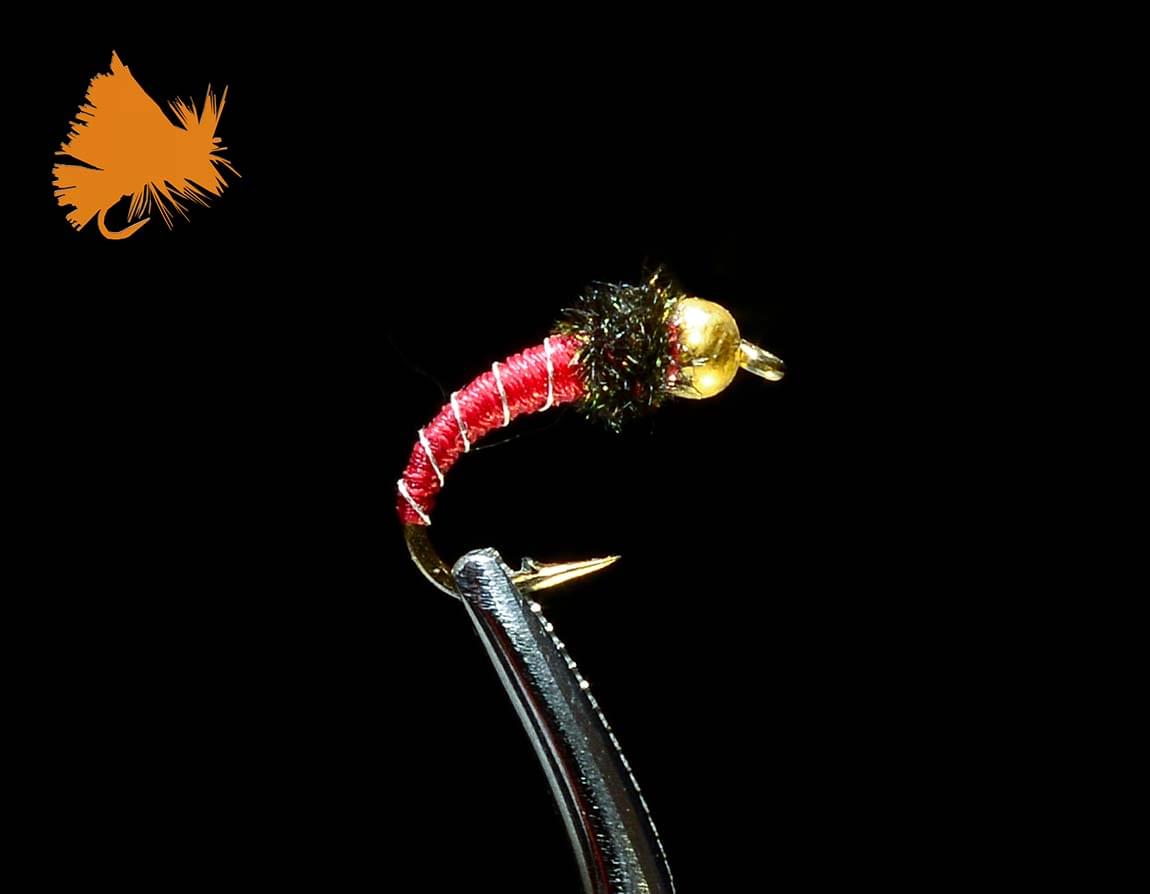
- Zebra Midge
- Beadhead Pheasant Tail
- Tungsten Beadhead Hares Ear
- Pat’s Rubberleg Stonefly
Euro Nymphing
Euro style nymphing refers to a group of fly fishing techniques that come from fly fishing competitions and uses only the line as the indicator of a fish eating a fly sub-surface. This can include vibrant-colored sighter line, tightly wrapped line that makes a coil that floats gently on the water and other ideas that come from Czech Nymphing, Spanish Nymphing, Polish Nymphing and French Nymphing. These all roll up into Euro nymphing and the main difference in these flies is their variety of weights (beadheads) used and their profile. Euro nymphs are meant to be durable, versatile and to sink quickly into the feeding zone of trout. Some of the most popular example of euro nymph fishing flies are:
- Perdigon
- Frenchie
- Walts Worm
- Soft Hackle Hares Ear
- Rubberleg Copper John
Euro Nymphing Course
Catch More Fish Than You Thought Possible
Lifetime Access: $199
Your Price: $49.75
Fully Online | Self Paced | Lifetime Access
7 Lessons | 90+ Pages | 20 Videos | Pics | Diagrams & More
What You’ll Get In This Course
- 7 Lessons that teach the entire euro nymph technique
- Perfect for beginner to intermediate skill levels
- Catch more fish than ever thought possible
- Get unlimited access, take as many times as you want
- Get three, 50% off coupons for our euro nymph assortments or other courses
- Guaranteed to make you a better angler or your money back
- Access through our app for offline reading
Lifetime Access: $199
YOUR PRICE: $49.75
Wet Flies
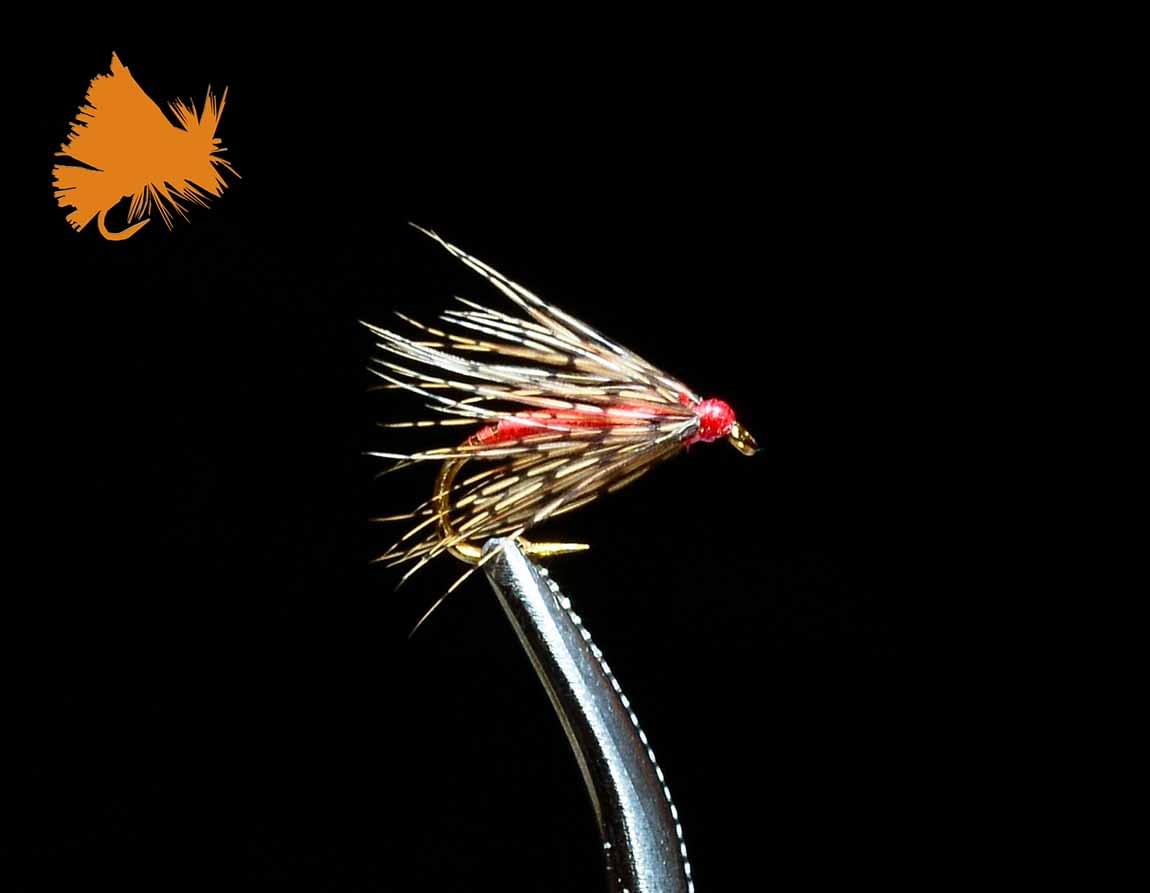
Wet flies is a term used to describe a certain style of flies that often have soft-hackle materials to them to imitate emerging insects as well as any fast swimming insect like a baetis nymph. You can dead-drift or swing these wet flies as part of the technique and it can be a very gentle, simple and enjoyable way to fly fish. You can use any fly that has a soft hackle wrap to it like:
- Partridge with Orange
- Alexandry Wet Fly
- Woolly Buggers
- The Black Spider
- The Silver Doctor
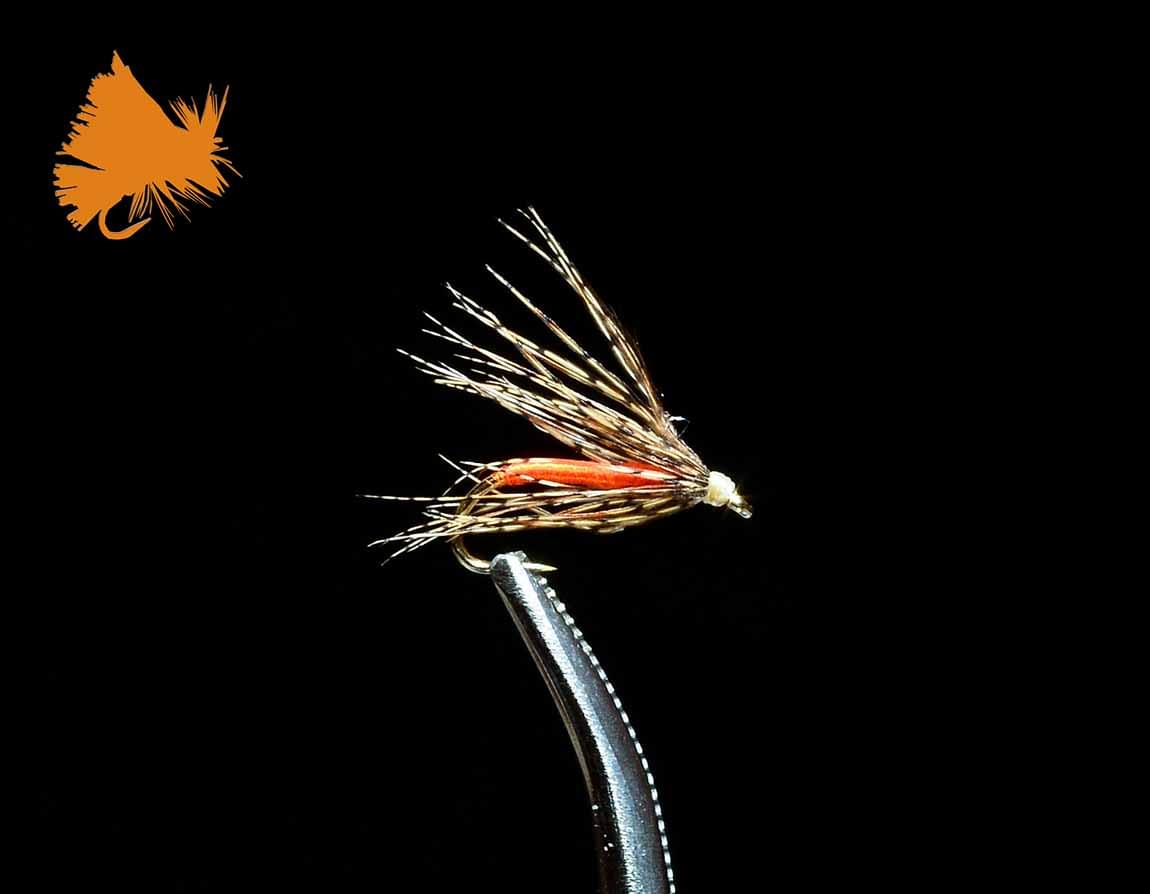
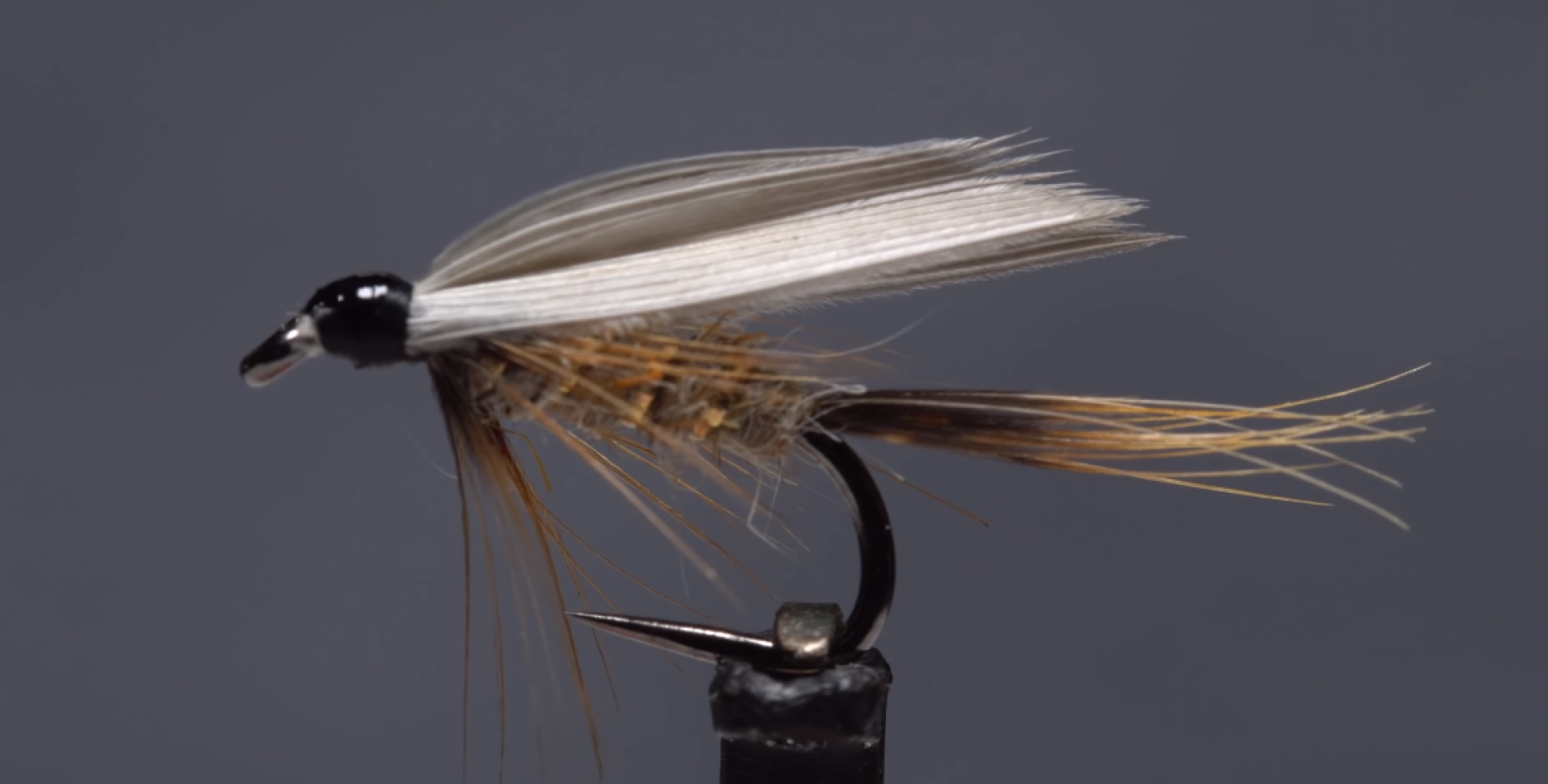
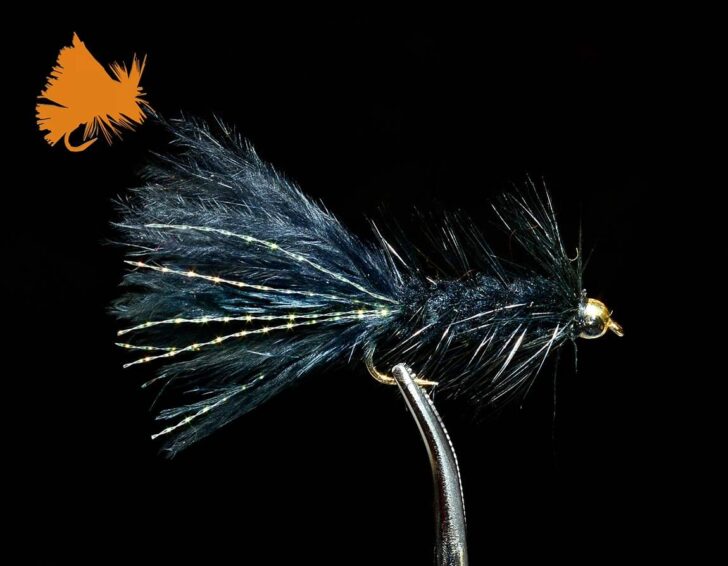
Some people use wet flies and nymph flies as the same name, so be sure to clarify if you think it is necessary. Often wet flies will have hooks that have a pointed up hook-eye that helps it be retrieved when pulled in like a streamer. Salmon and steelhead flies often utilized this technique. I have always thought of wet flies as a soft hackle of some kind and then fished in a traditional wet fly manner and I think that’s likely the simplest way to look at it.
Streamer fishing and flies
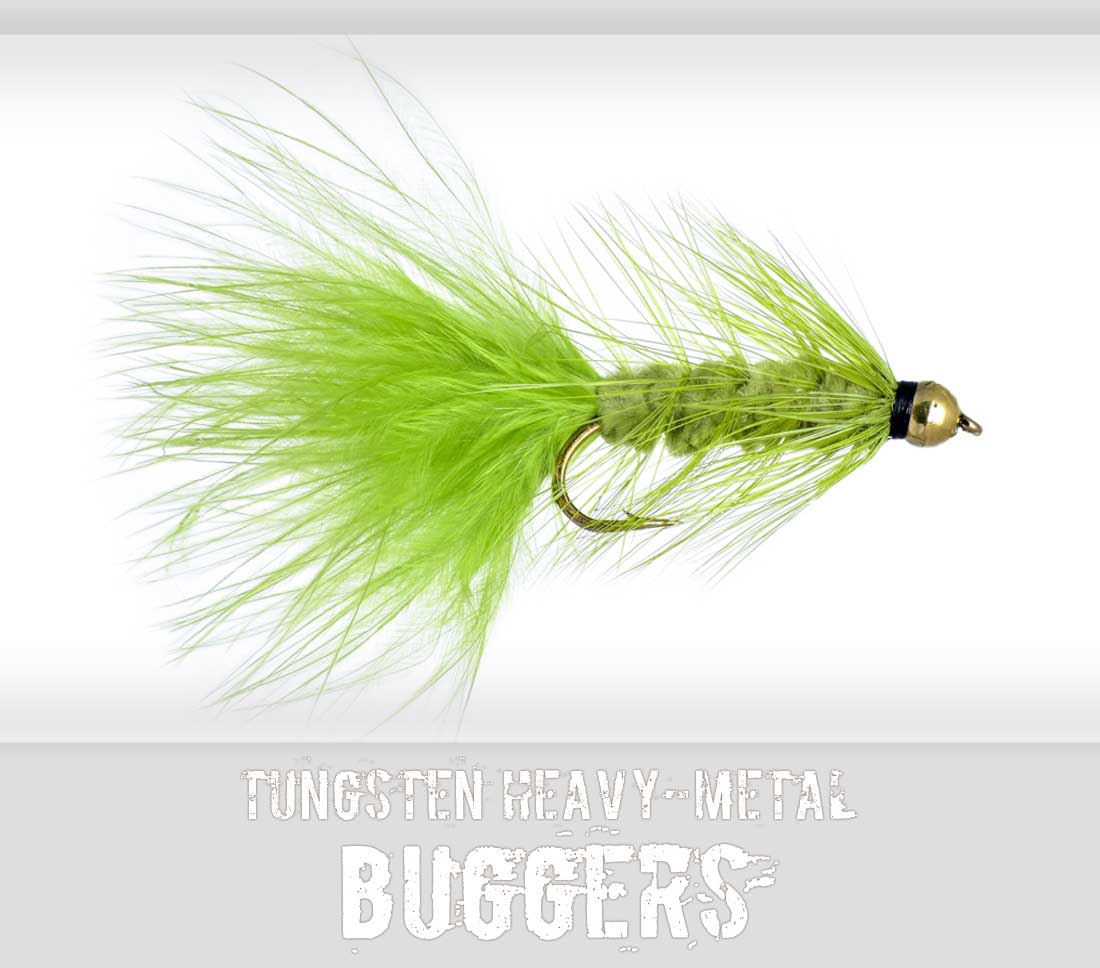
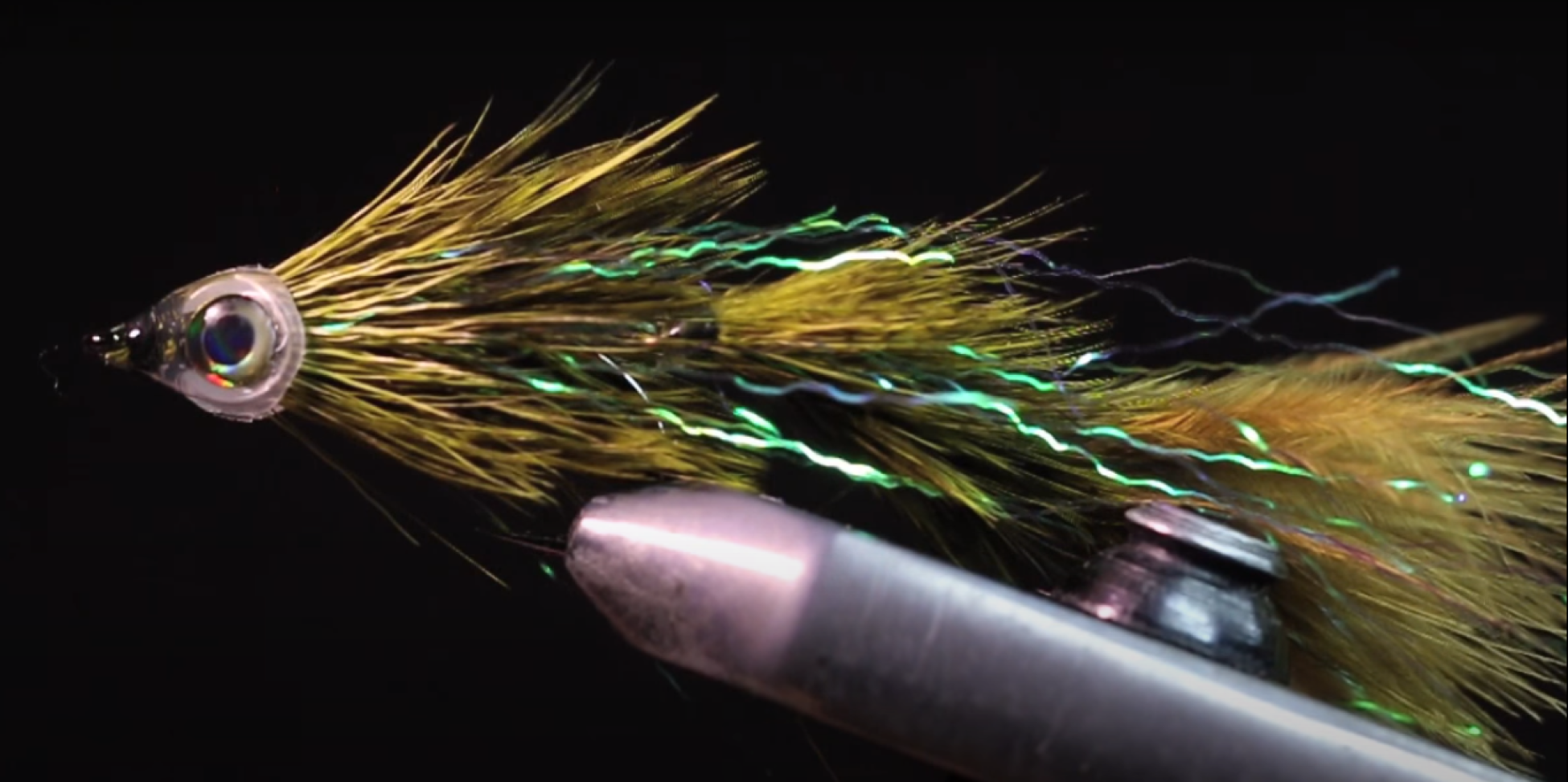
Streamer flies are likely the most versatile fishing fly as long as you use its versatility both in use and in tying materials. Streamers can catch just about any game fish because nearly all are predatory towards other fish. Match the baitfish and you’ll find the game fish you want to catch on a fly. There are both freshwater streamers and saltwater streamers and for every fish that you target on a fly, there is a customized streamer for that situation. This article would get far too long (it probably is anyway but it’s a big subject!) to list every fish combination with 4 or 5 streamer pattern recommendations, but we’re going to highlight a few streamers that when tied with the right materials for fresh vs saltwater can prove to be effective just about anywhere.
Woolly Bugger Streamer
Streamer flies are likely the most versatile fishing fly as long as you use its versatility both in use and in tying materials. Streamers can catch just about any game fish because nearly all are predatory towards other fish. Match the baitfish and you’ll find the game fish you want to catch on a fly. There are both freshwater streamers and saltwater streamers and for every fish that you target on a fly, there is a customized streamer for that situation. This article would get far too long (it probably is anyway but it’s a big subject!) to list every fish combination with 4 or 5 streamer pattern recommendations, but we’re going to highlight a few streamers that when tied with the right materials for fresh vs saltwater can prove to be effective just about anywhere.
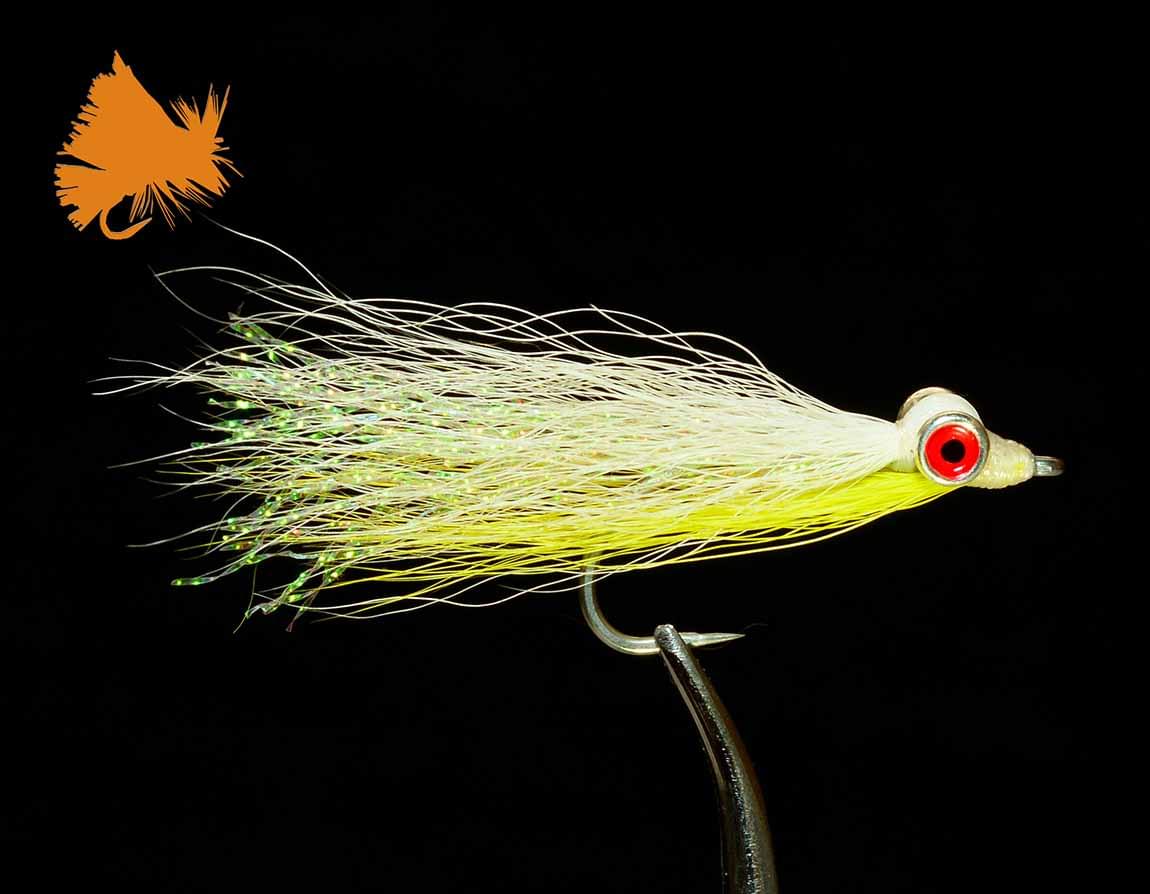
Clouser Minnow
The clouser performs much like a woolly bugger but does a better job imitating baitfish and schooling baitfish and will likely outperform a woolly bugger in most saltwater applications. I’ve caught trout on Clousers but woolly buggers usually are more available and more widely used. These two work well as two, go-to patterns for streamers to have around when you need them. The availability of different color dyed buckskin for clousers makes them simple, durable and easy to match to the baitfish that your target fish species wants to eat. If you only have one, go chartreuse and white. It’s an over simplification, but does seem to work well for me.
Tenkara Flies
Tenkara fishing is a Japanese style of fly fishing with no reel, just the line and an often long, low weight fly rod that uses one fly to provide very subtle presentations to trout in a variety of water conditions. Some love it, some hate it, but it deserves a spot in the categorization of fishing flies because they are tied in a certain way and for a certain fly fishing technique. The Sakasa Kebari or reverse-hackle fly is a unique variation on fishing flies that allows the fly to be skated on the waters surface with ease and imitate a variety of insects. See below on some photos of tenkara flies and you’ll see the difference in their tying style.
This wraps up the fishing flies by category section on fishing flies by technique. The next several are particular to trout because they are sub categories of fishing flies by insect stage, type, imitation style and other categories that are referring to insects. If you target fish eats insects and lives in freshwater, these will likely apply to you.
FISHING FLIES BY STYLE
Tenkara Flies
You’ll hear anglers talking about attractor nymphs, or search patterns, but often, beginner anglers don’t really understand what this means. This categorization of fishing flies comes direct from fly tyers because it deals with the materials used and the desired intent of the fly. Trout will eat flies because they look like an exact insect, or they look close to a variety of insects to look like food, or because they are responding out of aggression or predation on a base instinct. We’ve learned this as fly fisherman and tyers, so we developed four styles of fishing flies. I’ve written an entire article on the 4 kinds of fishing flies if you’d like to go into the deeper explanation of this category, but generally speaking here are the four types of styles with definitions:
Imitative Patterns
Impressionistic Patterns
Attractor Patterns
Search Patterns
As you can see, there is a trade-off between realism, and flashiness with the goal to get a fish to eat your fly. This blend helps anglers fish in a variety of situations with success. Changing water clarity, fishing pressure, water conditions and more bring about different reasons for using any of these four fishing fly styles. We then as anglers, can use these four styles as adjectives to describe any fly pattern.
For example, a beadhead hares ear nymph can be described as a search pattern, because it imitates a variety of insects, but it does not do so with extreme accuracy like a zebra midge or mercury midge. It can look like a mayfly nymph, stonefly nymph, scud, caddis and more. So we describe it as a search pattern.
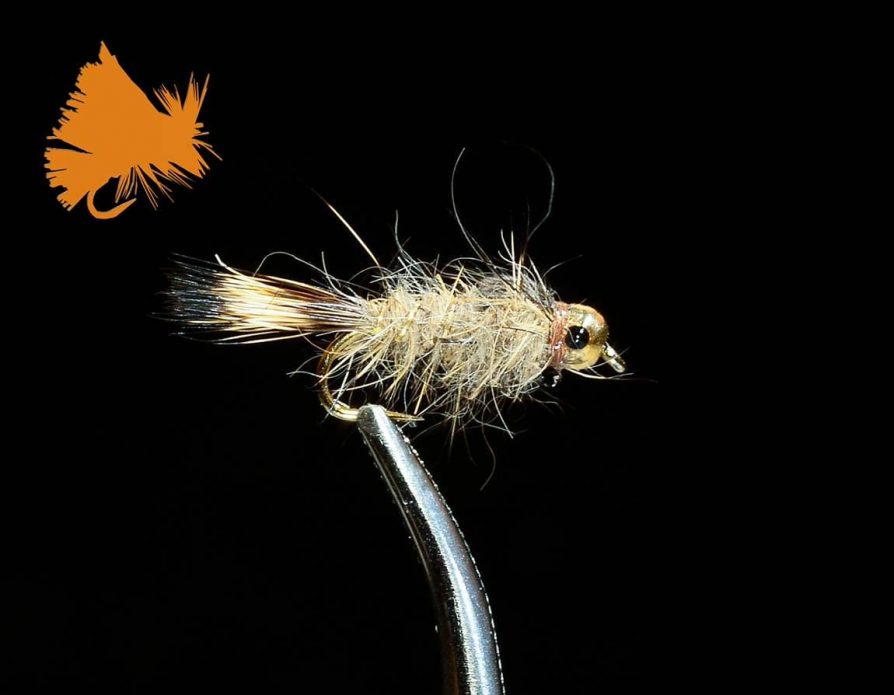
A true searching pattern... The Hares Ear Nymph
Lastly this also comes into play when discussing fly categories in relation to the common type fly shops or stores may use. Let’s get into that now to see how these blend together.
FISHING FLIES BY STYLE
Flies can be organized in a ton of ways as I’m sure you’ve seen in this article already, but most commonly we simply find them organized online or in fly shops as dry flies, nymphs, emergers, and streamers. However, this is really just a simplification because a chubby chernobyl dry fly is not the same really at all to a cdc pmd comparadun. Yes, they are both dry flies, but they are wildly different in size, and when you’d use them. A beginner angler may not understand this clearly and so fly shops can often use the fly styles we mentioned below to expand the categories.
With this in mind, you get categories like attractor nymphs, attractor dries and so on. With 4 categories and 4 styles, there’s up to 16 options. In addition, there’s commonly some overlap on tying materials that make up classes of their own like parachute style patterns, and beadhead or standard nymphs. This brings in a bunch of options, but not all are commonly seen. Commonly, you’ll see these in fly shops or on websites selling fishing flies for trout.
NYMPHS
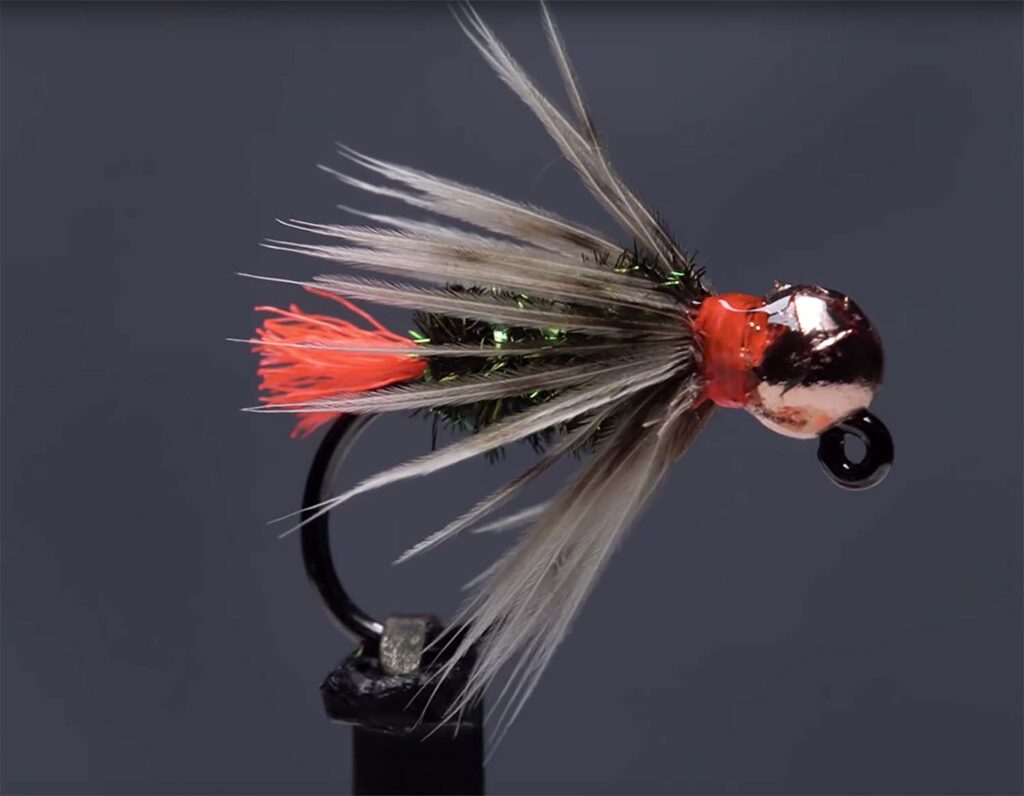
Attractor Nymphs
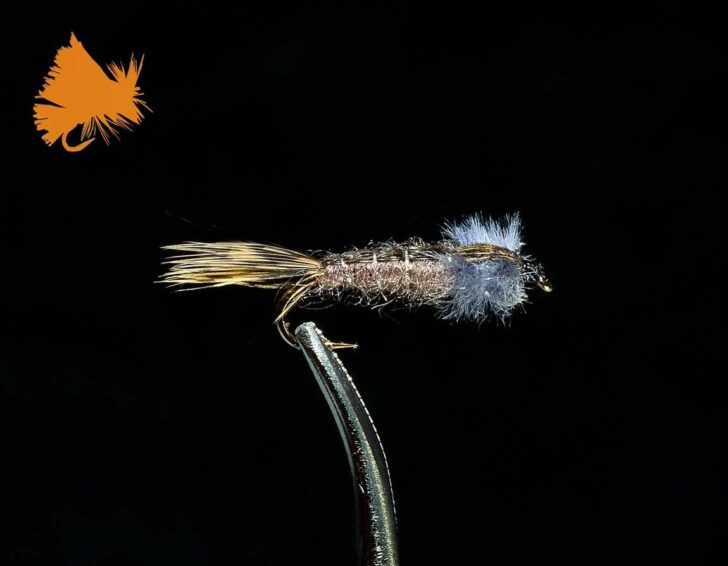
Standard Nymphs
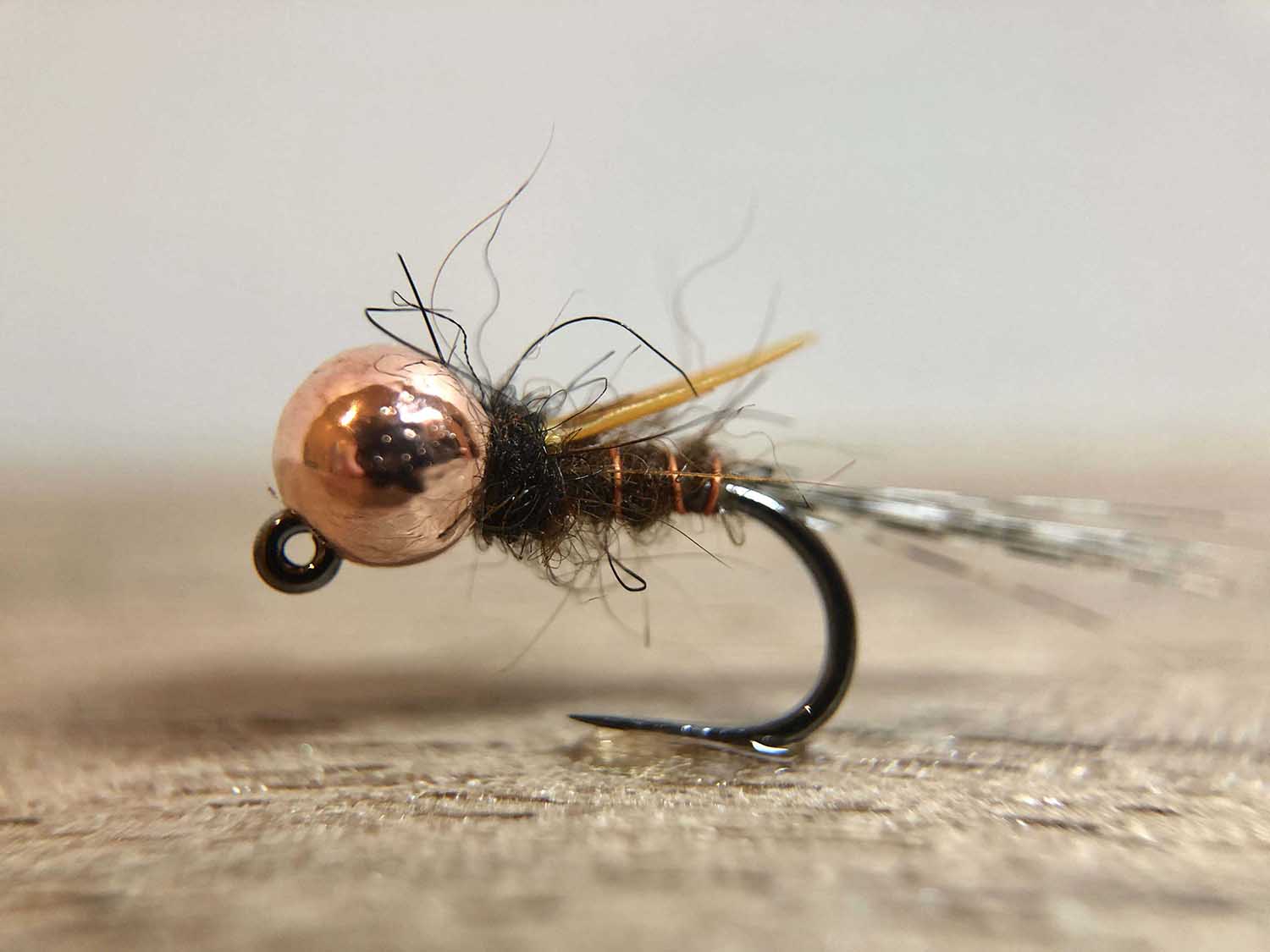
Beadhead Nymph
Emergers
DRY FLIES
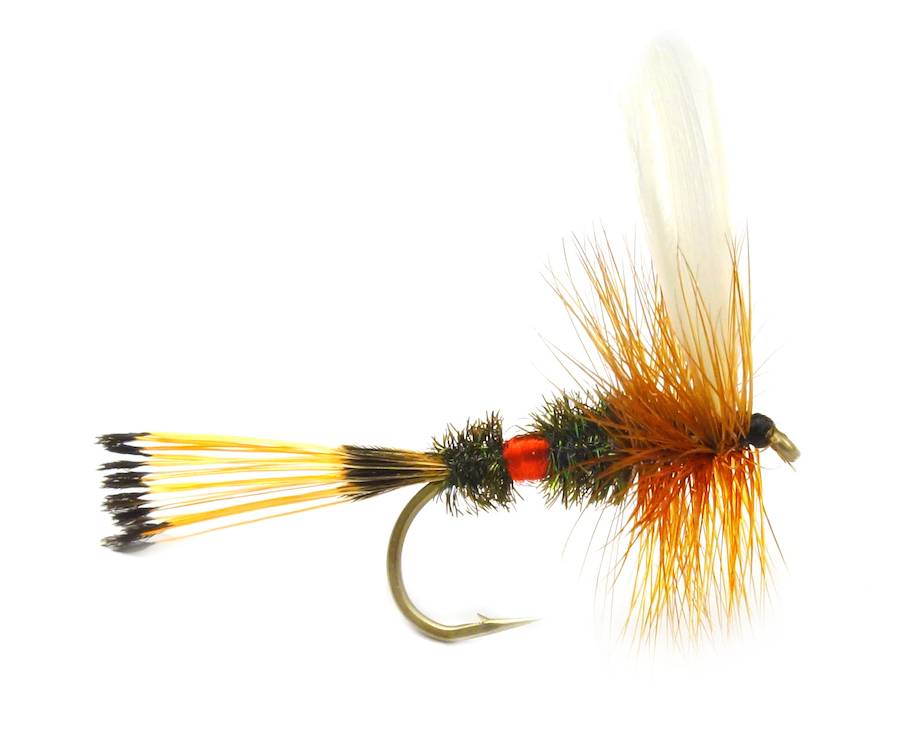
Attractor Dry Fly

Parachute Dry Fly
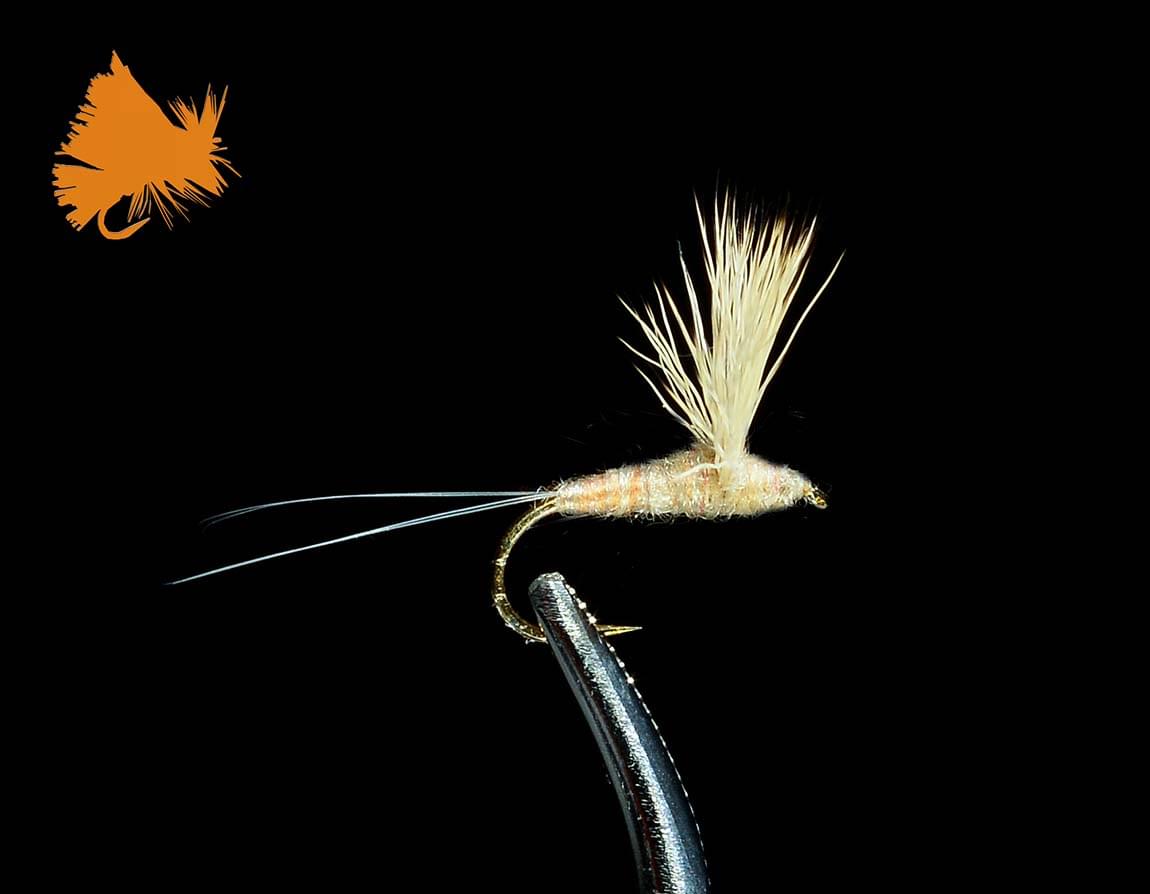
Comparadun Dry Fly
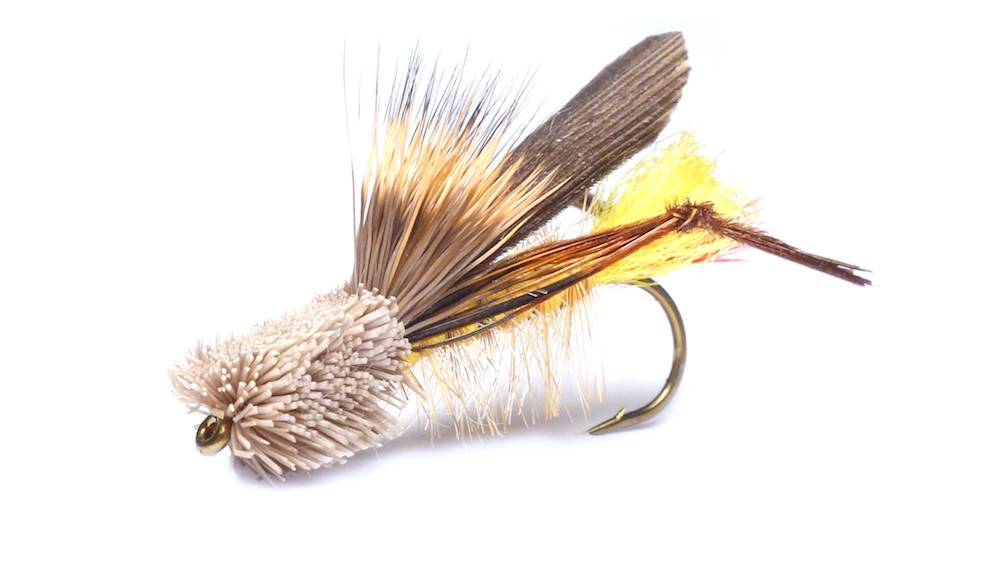
Hopper and Terrestrials
Streamers
FISHING FLIES BY INSECT STAGE
This is where my greatest expertise lies and as an avid trout fly fisherman, it is essential to understand these categories of insect types, stages and so on. Trout live in diverse eco-systems with at least 23 different insect categories and stages that they will eat. Those 23 insect categories also come in 4-8 colors giving you 1000’s of options that a trout could be eating in any given day. It’s our job as a trout fly fisherman or fisherwoman to figure out the right fly the fastest. We refer to this as fly selection and it is one of the three pillars of fly fishing that helps you figure out how to catch trout (and any fish really) on the fly. The insect stages and types can be better understood in our match the hatch squared article we provide, but we’re here to provide a quick breakdown of all the options that exist in fishing flies. This categorization can help you memorize and learn what you should have in your fly boxes at any time of the year.
Insect stages refer to their lifecycle. Insects begin underwater as aquatic insects that breathe with gills. They go through incompleted or complete metamorphosis like butterflies or mayflies and as they move into different stages of their lifecycle, we as anglers, imitate those stages that trout will feed on them. There are four stages, with some nuanced words. I will explain both, but understand the confusion often comes when you are blending fly fishing words with scientific nomenclature that causes confusion because they sound like two different things. As an angler, it’s simply four stages:
Nymph – Insect Stage of Fishing Flies
The nymph stage gets referred to as nymphal, larva, larval, and sometimes even pupa or pupate stages of an insects life. To simplify, when fly fisherman refer to “nymphs” they are referring to a type of fishing fly that sinks below the water and imitates the first stage of an insects life cycle that trout care about. These nymphs are a wide ranging category and you can combine fly fishing techniques like euro nymphing to make “euro nymph fishing flies” which are a specific style of nymphs.
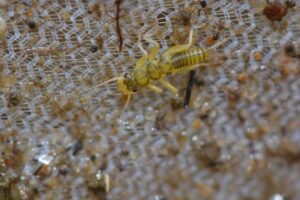
See how we blend and mix and match all the time? This is why it can get robust and confusing. Hopefully this article is laying it all out and showing the overlap so you can understand the underlying ideas of fishing flies
Emergers
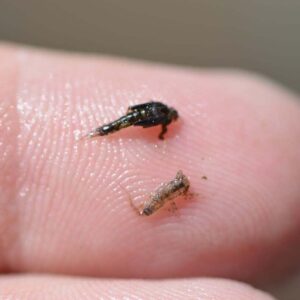
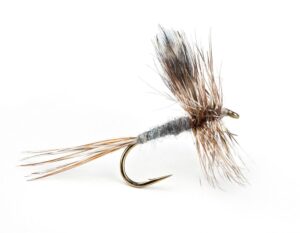
Emergers is the next stage of insects that are transitioning from nymph form to dry fly form. These insects are usually vulnerable in this state and are predated upon by trout. As anglers, we refer to these emerger fishing flies because of the insect stage they are referring to. Emerger patterns often have a partial wing case or hackle wrapped body to imitate what an emerging insect looks like. See the photos below of both emerging insects and the fly patterns that imitate them to get an idea of what emerging fishing flies look like and why we categorize them differently from other fishing flies.

Dry Fly Patterns
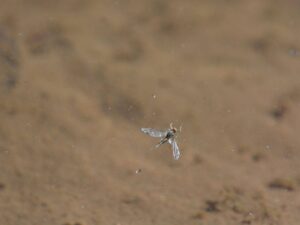
Dry fly patterns are usually the most recognizable and iconic fishing fly because we’ve seen it in movies like The River Runs Through It and dry fly fishing is where fly fishing began. A dry fly pattern imitates a mature adult insect that sits on top of the water. Insects do this after they emerge, and need to dry their wings before taking off, or they will sit on top of the water as female insects to lay their eggs after mating. When this happens, trout feed on them and as anglers, we get to imitate that so we can catch them. We categorize dry fly patterns separately because they are tied with buoyant materials to help the fishing fly float and imitate this insect behavior. Take a look at some pictures of adult insects and their imitative fishing fly that goes with them to get an idea of how this differs from other fishing flies of other insect stage imitations.
Spinner Flies
While also imitating an adult insect, a spinner fly is a special category of dry fly that helps us imitate dead or dying insects. For example, when mayflies are done mating, such as a trico mayfly, they fall from the sky and land on the water lifeless. Their wings are often layed flat to the sides instead of straightened up like a sailboat. Because they have those wings layed flat, we tie them a bit differently and thus, categorize them differently when talking about them as fly fishermen. Keep this in mind when you’re selecting dry flies or spinner fishing flies because you are imitating two different stages of the insects lifecycle and behavior.
Often with words like spinners, and duns and sub-imago and imago etc. These words are coming from the realm of science. Anglers adopt a fair amount of these words, but then add common language to describe the same thing too. I’ve found it most helpful to simply focus on what is the simplest and easiest for you to remember. I stick with nymph, emerger, dry fly, spinner cause it’s four easy to remember words and it directly syncs to the fishing fly patterns we use.
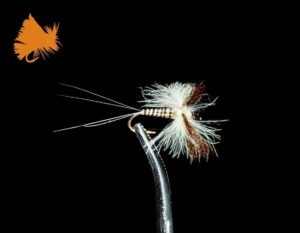
This completes the section on understanding the different options for categorizing fishing flies by insect stage. Now, we combine insect types, or species to really get in-depth.
FISHING FLIES BY INSECT TYPE
We literally wrote an online course covering the 23 insect/stage combinations that you need as an angler to catch trout anywhere in the world. With over 13,000 students completing the online entomology course, we’ve continued to grow it and improve it. We mention that because we want to show you we’ve done our homework on this subject and tried to simplify it as much as possible. There are over a 1,000s of unique species of insects, but using the taxonomic hierarchy that science uses, anglers can stick to the “orders” of insects most times, avoiding the headache of identifying species.
For that reason, we can simplify it down to 23 category combinations of insects and their stages as follows:
- Midge Fishing Flies aka Chronomids
- Midge Nymphs
- Midge Emergers \ Midge Pupas
- Midge Dry Flies
- Midge Flies
- Mayfly Fishing Flies
- Mayfly Nymphs
- Mayfly Emergers
- Mayfly Dry Flies
- Mayfly Spinners
- Caddis Fishing Flies
- Caddis Nymphs / Larva
- Caddis Emergers / Pupa
- Caddis Dry Flies
- Stonefly Fishing Flies
- Stonefly Nymphs
- Stonefly Dries
- Terrestrial Fishing Flies – Dry Flies Only
- Hopper Patterns
- Ant Patterns
- Beetle Patterns
- Annelid Patterns (Aquatic Worms) – Nymphs Only
- Scud Fishing Flies – Nymphs Only
- Sowbug Flies – Nymphs Only
- Damsel Fishing Flies
- Damsel Nymphs
- Damsel Dry Flies
- Dragonfly Fishing Flies
- Dragonfly Nymphs
- Dragonfly Dry Flies
- Water Boatman Fishing Flies – Nymphs Only
- Streamer Patterns
- Leech Patterns – Streamers Only
- Baitfish Patterns of All Kinds – Streamers Only
- Crayfish Patterns – Streamers Only
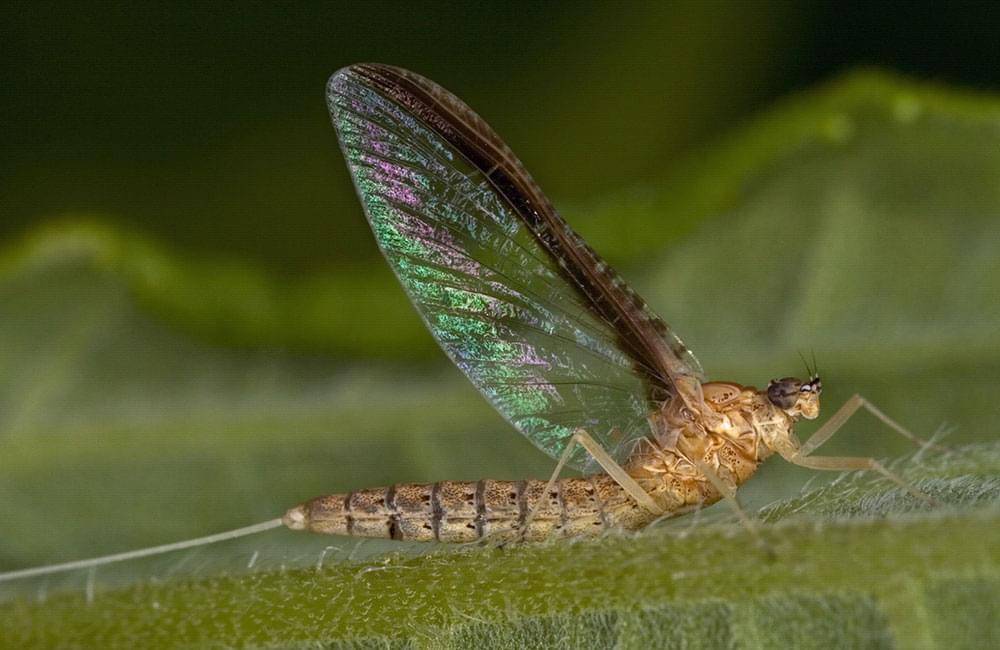

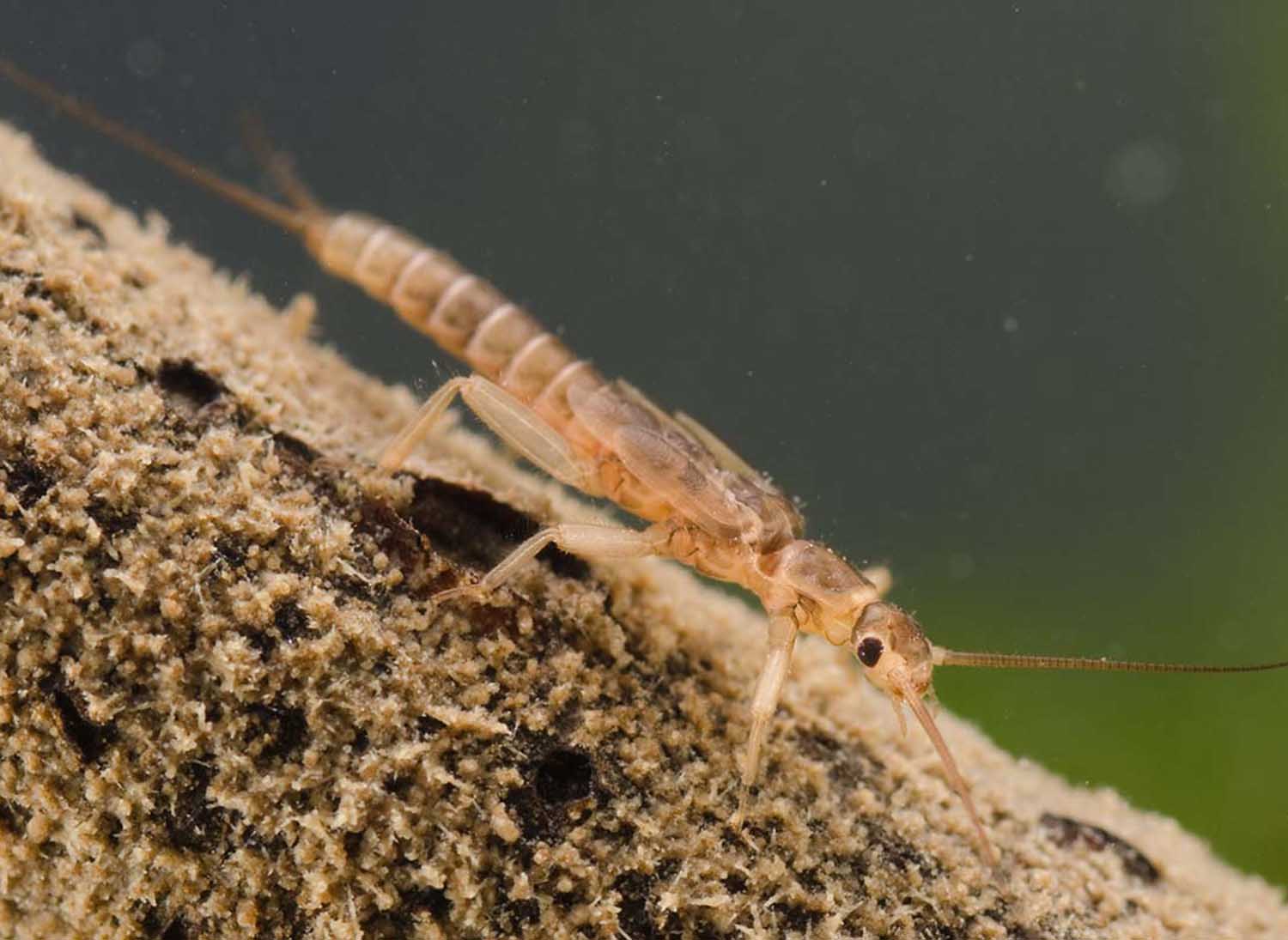
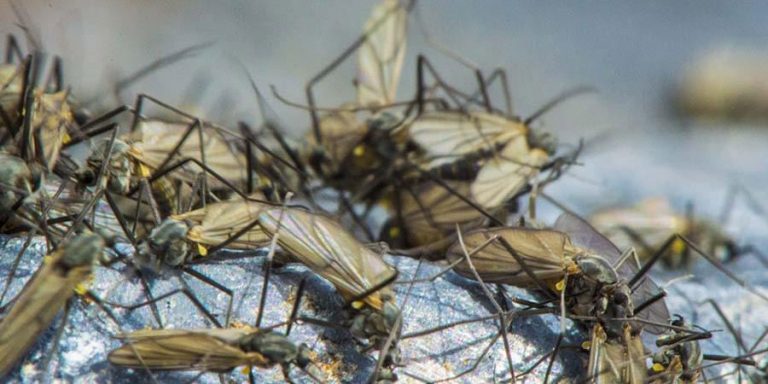
These are actually 27, but from an entomology course perspective, trout rarely target dragonfly dries, and streamers aren’t directly covered as they are fish and leeches jump in with annelids which are in the category or worms. We simplified here because if you expand out too much further it gets into the 100’s and 1000’s quickly, and while this article may seem overwhelming, it’s helpful to know that you can pull from any section here and simplify things down for your fly box, or for your personal fly selection.
This is the end of the major ways in which we categorize and talk about fishing flies. However, I think there are a couple bonus options to consider when you are really geeking out on fishing flies. Let’s take a look at them quickly.
BONUS ROUND
FISHING FLIES BY SPECIALTY MATERIALS OR TECHNIQUES
There are a ton of different materials or tying techniques that can set a category for fishing flies. To understand this fully, you need to be a fly tyer. However, we can give a few examples to show how there are many fly tying materials that set entire categories of fishing flies. Either the material itself is unique, or the way it is used creates such a style that it warrants its own category.
Flies by specialty materials or technique
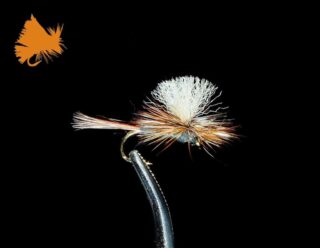
Parachute patterns (right top photo) are probably one of the most popular and easy to understand. Adding a parachute post to the top of a dry fly makes it more visible to the angler, without scaring off trout and allows the fly to often be more buoyant. Parachute materials vary, but tying it with a parachute post really sets the category.
Another example of an exact material is biots. Biots are a specific part of a feather from a bird that allow you to wrap the body of a fly providing realistic segmentation and getting a very slim profile on the body of the fishing fly. This is great for realistic (imitative) styles of fishing flies. Biot body dry flies and nymphs exist as their own fly tying category and show up in some discussions for categorizing fishing flies.
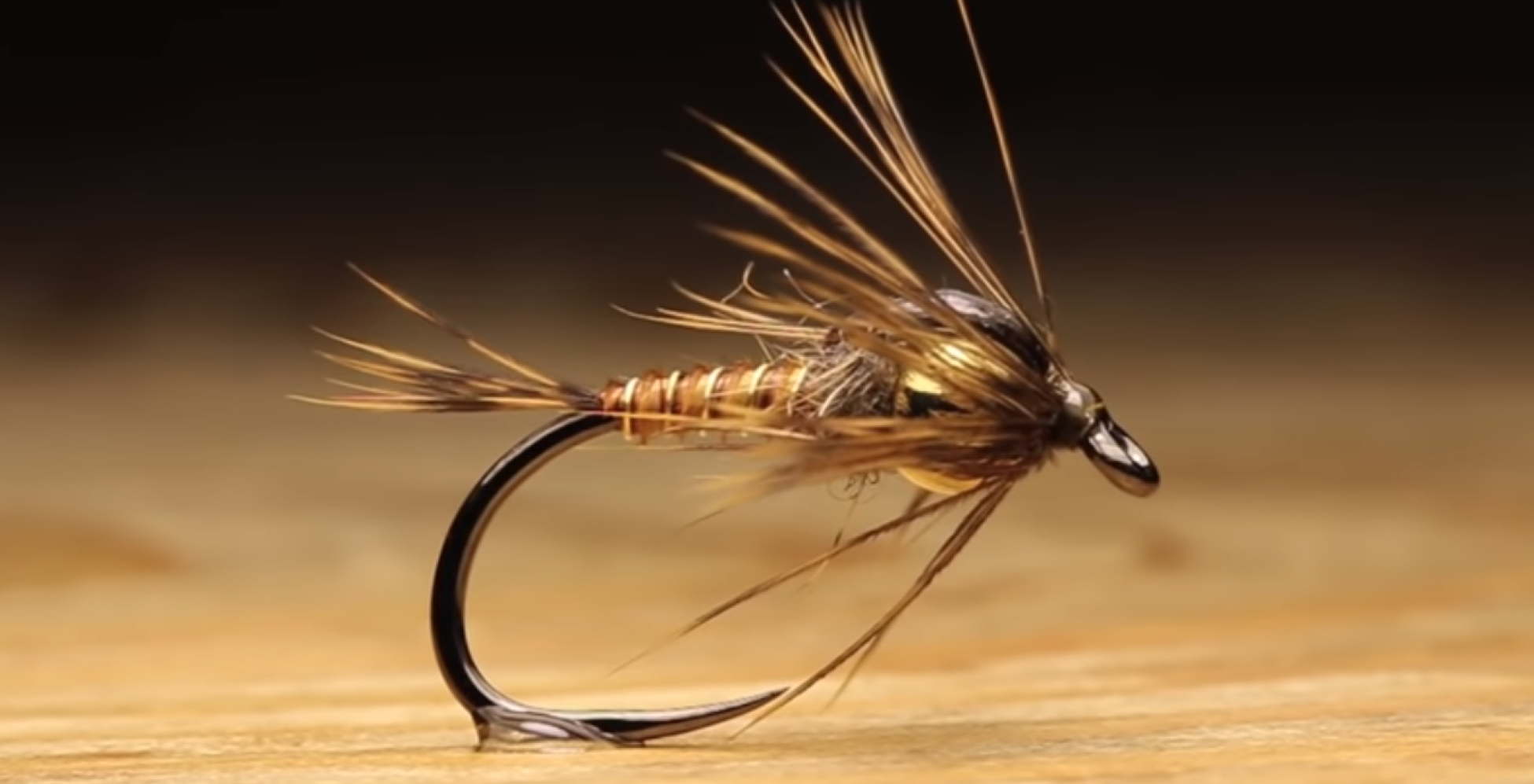
A biot body fly
Here’s a list of 10 more specialty materials that often generate their own fishing fly categories:
- Parachute Posts
- Compardun Wings
- Biot Bodies
- Jig-style flies (aka euro nymphs)
- Articulated flies
- Barbless fishing flies
- Beadhead nymphs
- Zonker streamers
- Hackle-stacked dry flies
- Extended body flies
There are a lot more, but this should give an idea of some tying materials or tying techniques that are given their own category.
Flies by author
Lastly, there are fishing flies created by certain popular fly tyers. You can make a case there are no new fy patterns, just new materials, and I think they may be on to something there, but certainly some of the first patterns to ever be invented had authors as well as some popular anglers today that have their own style of how they tied flies. Joan Wulff, Gary LaFontaine, Lefty Kreh, Ted Leeson, Kelly Galloup and more have signature styles and really innovated in their time with certain fly patterns. This would be the last category of fishing fly in which you could discuss.
It’s time to combine
Now that we have literally thought of every way to talk about fishing flies and all their categories. Let’s just bring it all together in to a few combinations that are commonly talked about and some common patterns and what categories they fit in.
Caddis Dry Flies
This is a simple two combination fly category containing adult caddis (dry flies) and the term dry flies letting us know these are meant to imitate adult caddis and float on the surface of the water.
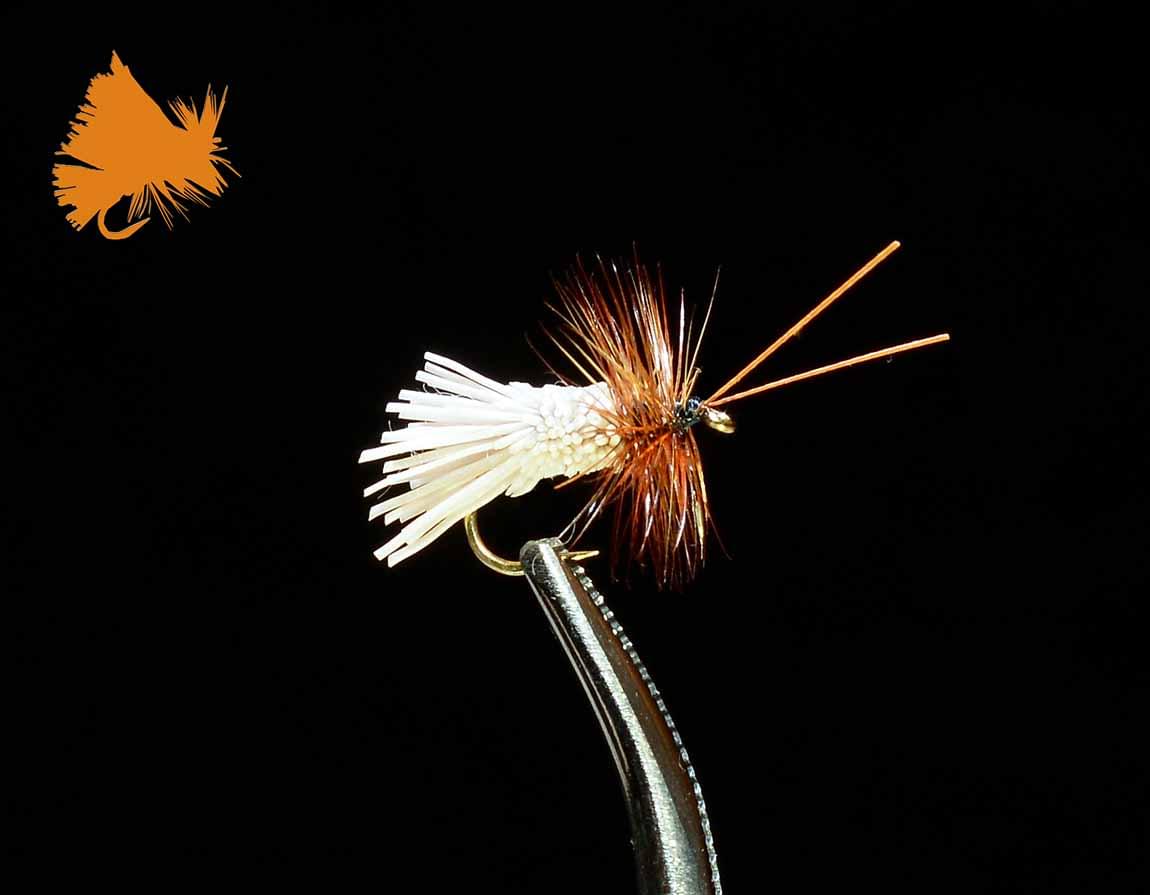
Comparadun Green Drake
This is combining a specific mayfly species and a hatch (Green Drake Mayfly Hatch) with a specific tying style. Comparadun enthusiasts may look for this if they are going to fish a green drake hatch but want the low-profile, super realistic (imitative) pattern that a comparadun style wing provides.

Flashback Beadhead Rubberlegs Hares Ear
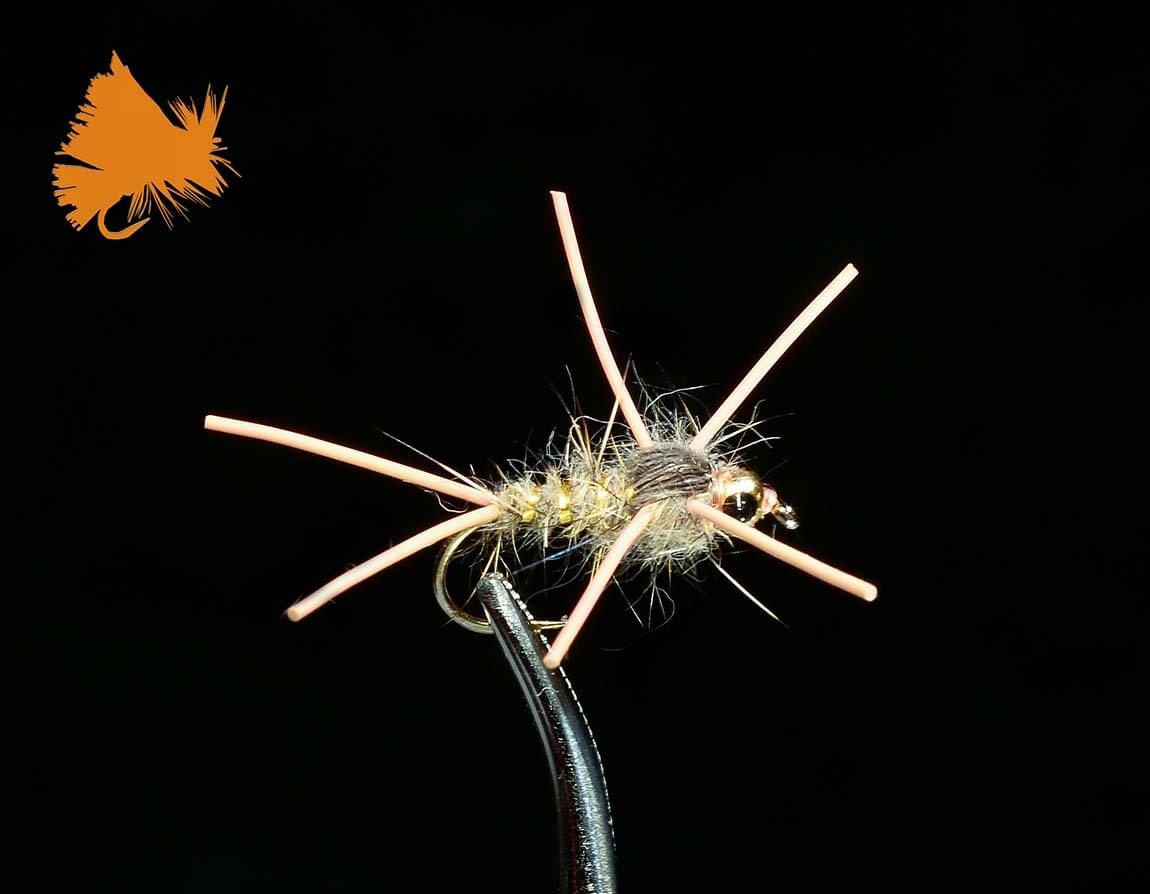
That’s a mouthful for the trout and for us. This lists three major materials and pairs it with a hares ear. It’s a specific variation of a hares ear and this is common to hear this or read about. Don’t get overwhelmed by it because it is just a common hares ear pattern, with a specified variation of materials to further it’s application.
The list can go on and on. As we mentioned before there’s at least 80,000+ fishing fly combinations for freshwater alone. When you add in color combinations and fly sizes, it grows into the millions. However, if you read and understood most of this article, you are miles ahead of most anglers in understanding what a fishing fly is trying to accomplish beyond just getting a fish to eat it.
ARE YOU STILL WITH ME?
IF SO, CONGRATS YOU REACHED YOUR DESTINATION!
Are you still with me?
If you made it this far, I’m very proud. This is one of those articles that I’ve written in a very comprehensive way, but unfortunately, the world is full of short attention spans and headline readers and you can’t go over 750 words or people get bored. I just refuse to write that way all the time and this has been something I’ve been working on for a few months, but have been researching and thinking about for years.
I believe it’s really important to think about taxonomies and categories in all areas of life. It gives structure and allows you to organize thoughts, actions and create meaningful growth in your pursuits. It’s similar to first principles thinking where you break things down the basics to better understand and problem solve. Fly fishing (and fishing flies it seems) is a complicated subject with many, many combinations and variables. If we can categorize them, we may be able to improve our ability to make decisions off them, which ultimately leads to more fish caught and a better appreciation to the art of fly fishing. Thanks for reading. If you liked this, give it a share on whatever social media platform you use, or reach out to us directly on our contact us form. Thanks and have a great day.
