The short answer is this: let the water decide. Current speed, depth, and where the fish are holding should determine your presentation before you ever make a cast. Stripping is the default for most anglers, but it is only the right choice in specific conditions. Slower water, cold-water fish, deep pockets, and transition seams all call for something different. This guide will walk you through when each presentation fits, how to choose one on the water, and what a realistic session looks like across three distinct water types.

Should You Strip, Swing, Drift, or Jig a Streamer?
How to match the presentation to the water
The Water Chooses the Presentation
Most anglers learn to strip a streamer and then strip it everywhere. Fast water, slow pools, deep runs, tight pockets – same retrieve every time. And they catch some fish that way, which reinforces the habit. The problem is that stripping works well in certain conditions and poorly in others, and if you only have one mode, you will consistently leave fish on the table.
Think about what a trout is actually doing when it eats a streamer. It is committing energy to chase something that looks like food. Whether it does that depends on water temperature, current speed, how far it has to move, and how much time it has to decide. A streamer presentation has to match those variables.
There are essentially six types of water in a trout river: riffles, runs, pools, pocket water, seams, and tailouts. Each has a different current speed and depth, which puts fish in different positions and different moods. A mid-depth freestone run with steady current rewards a strip because fish have clear sight lines, there is enough current to add natural-looking movement to the fly, and a moving target triggers the chase response. A slow tailwater pool does not reward a strip in the same way. The fish there are used to seeing things drift naturally, they are holding near the bottom, and a fast retrieve just pulls the fly away from them before they can commit.
Matching the presentation to the water is not about having a trick for every situation. It is about understanding what position the fish are in and what kind of movement they are most likely to respond to. When you read the water first, the presentation choice usually becomes obvious.
When to Strip
Stripping works best when conditions actually favor it. Here are the specifics.
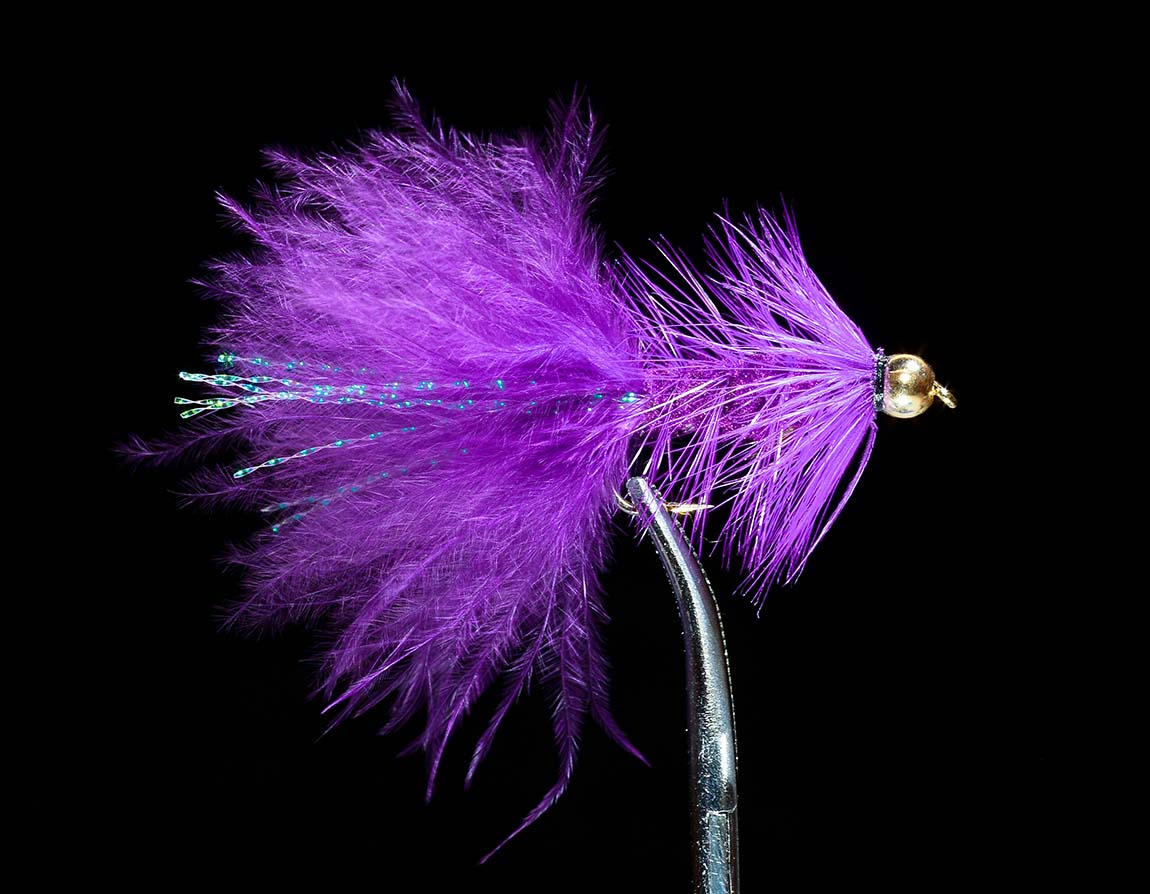
Active fish in moving water are the ideal strip scenario. A medium-depth run with a consistent current, good visibility, and fish spread across the column – this is where a strip-and-pause retrieve gets results. The current already gives the fly some movement between strips. A pause lets the fly drop and flutter, which mimics a baitfish that just got stunned. That pause is often where the eat happens.
Speed matters and should vary. Start with a moderate retrieve and a pause after every few strips. If you are getting follows without commitment, slow down and pause longer. If nothing is tracking the fly at all, try a faster, more erratic retrieve. The goal is to trigger a reaction, and you may need to experiment to find the speed that works on a given day.
The Beadhead Woolly Bugger is the foundational pattern for this approach. It has been around forever because it works across a huge range of speeds, colors, and conditions. The marabou tail breathes and pulses on every pause, which keeps it looking alive even when you stop stripping. It is the first fly to tie on in a new run, and if you are trying to learn streamer presentations, it is the one to learn with.
The most common failure mode with stripping is applying it in water where fish are not positioned to chase. Cold early-season water, slow pools, and deep pockets with fish holding tight to the bottom all punish a fast retrieve. The fly moves too quickly through the zone, spends almost no time where the fish are, and the trout never get a good look at it. If you have been stripping without results for several runs, that is usually the signal to switch presentations rather than switch flies.
When to Swing Drift or Jig
These three presentations are different from each other, but they share a common idea: they keep the fly in the strike zone longer and with less angler-induced speed.
Swinging works best in moderate current where fish are holding along seams, along the far bank, or in transition zones where fast water meets slow water. Cast across or slightly downstream, let the current load the fly, and swing it through the zone in a controlled arc. The fly moves broadside to the fish and stays in their window of vision longer than a strip would. When you get a follow on a swing and the fish does not eat, slow it down on the next cast, or mend upstream to give the fly more time in the seam.
The failure mode for swinging is letting it happen too fast. If there is too much current and no mend, the fly races through the zone and the trout cannot catch it, or it looks unnatural. A good swing should feel slow and controlled from where you are standing.
Dead drifting or near-dead drifting a streamer is underused and underappreciated. It fits cold water, sluggish fish, slow pools, and technical tailwaters where trout are used to seeing things move with the current. Mend to achieve drag-free or near-drag-free movement and let the fly travel with the current at the same speed as the water. Fish holding in slow pools will often not chase, but they will eat something that drifts naturally in front of them. This is essentially treating a streamer like a large nymph.
On a river like the Fryingpan tailwater – slow, clear, and full of fish that see pressure every day – a dead-drifted leech or minnow-style pattern can be more effective than anything stripped through the same pool. The fish there have minnows and leeches available year-round, and they are used to food that moves naturally with the current.
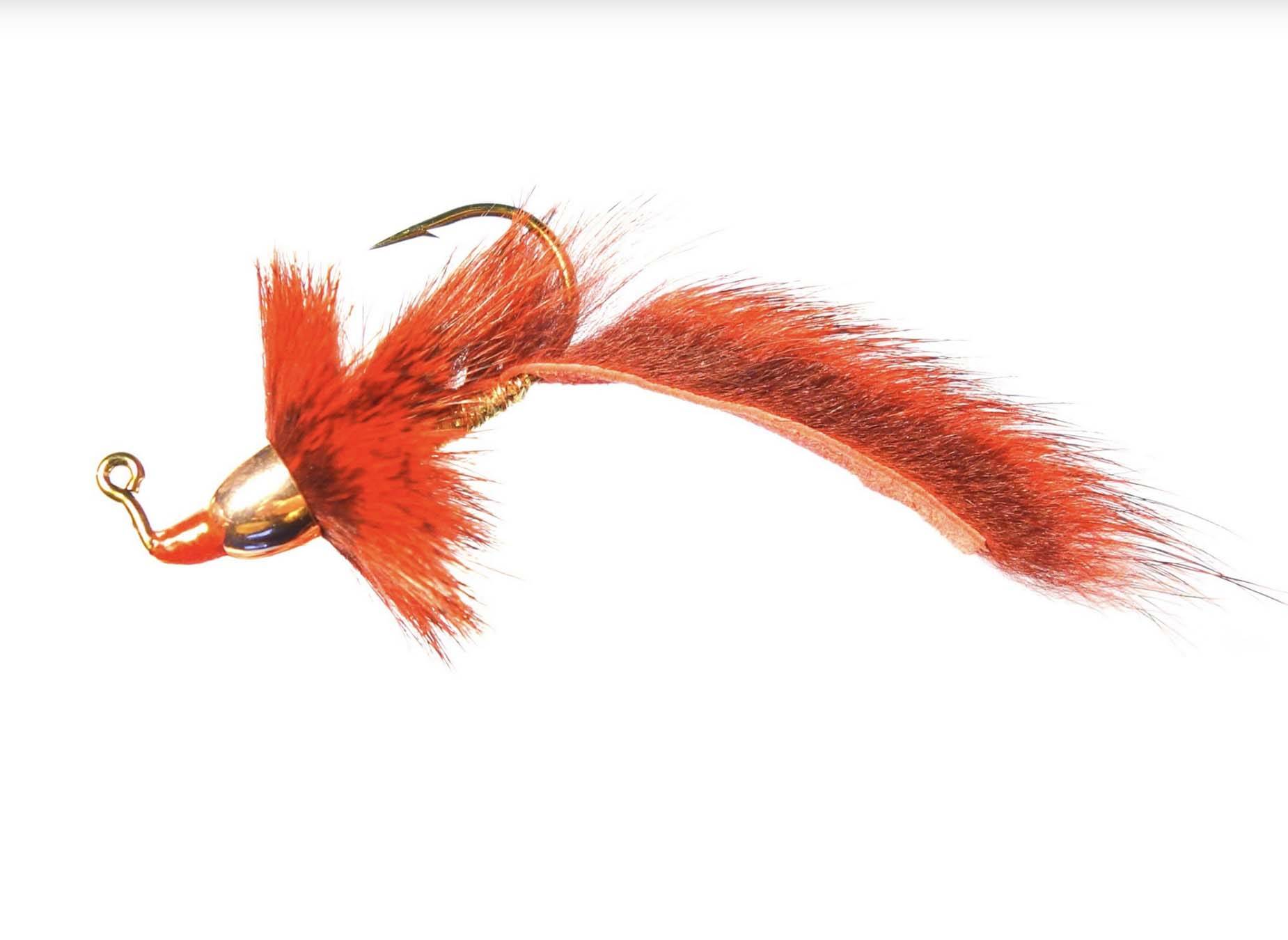
Jigging is the right choice in deep pockets, plunge pools, and tailouts where fish are holding very close to the bottom and you need to get the fly to their level and keep it there. Cast upstream or directly above the target, let the fly sink, then lift the rod tip to pop the fly up and let it flutter back down. The up-down movement imitates a crayfish or baitfish holding near the bottom. It is a tight, controlled presentation rather than a long-distance retrieve.
The Slumpbuster is a good pattern for this because it sinks well and has enough material to pulse on the drop. The failure mode with jigging is not giving the fly time to sink before the first rod lift. If you rush the jig, the fly barely gets below the surface and never reaches the fish.
A Presentation Decision Process
Here is a simple sequence you can run through before you make your first cast on any new piece of water.
Step 1: Identify the water type. Is this a riffle, a run, a pool, a seam, a tailout, or pocket water? This tells you the basic current speed and likely depth.
Step 2: Estimate where the fish are holding. In fast shallow water, fish hold near the bottom or behind structure. In slow deep pools, fish may be suspended or spread throughout the column. In seams, fish sit on the edge between fast and slow water.
Step 3: Match the presentation to that position. Fish actively holding in a moving run can chase – strip. Fish holding deep in cold water probably will not – drift or jig. Fish sitting on a seam edge – swing through it. Fish in a slow pool – drift or swing slowly.
Step 4: Start and observe. Make several casts with the presentation you chose and watch what happens. Did you get a follow? A refusal? Nothing at all? Each response tells you something.
Step 5: Adjust. A follow without an eat usually means slow down. No interest at all usually means change the depth or the speed. A short strike often means something about the fly itself, but try slowing the presentation first before switching patterns.
The failure mode this process is designed to fix is skipping steps one through three and going straight to habit. Most anglers tie on a streamer, start stripping from the first position they step into, and fish the same retrieve for the next two hours regardless of what the water looks like or what the fish tell them. This process forces you to slow down for thirty seconds before you cast, and that pause alone will change your results.
A Worked Example Through Three Water Types
Imagine a single morning walk along a stretch of river. You will encounter at least three distinct water types, and the right streamer presentation is different in each one.
Water Type 1: Large Freestone Run
You start at the top of a wide, open run. The water is mid-depth, moving at a steady walking pace, with clear sight lines from bank to bank. This is classic strip water. Tie on a Beadhead Bouface Streamer – a larger, weighted fly that pushes water and is visible in a moving current. Cast at a quartering downstream angle toward the far bank and retrieve with three or four strips, then pause. Let the fly drop and then strip again. Fish in this water are actively holding in the current and positioned to chase. Work across the run from top to bottom before moving down.
You get a follow on your third drift through – a brown trout tracks the fly to within a foot of your feet and then turns off. That is feedback. It means the fish was interested but not committed. On your next cast to the same lane, pause earlier and longer. Let the fly sink. Give the fish time to decide. A follow with a short refusal at the bank often means you pulled the fly away too fast right at the end of the retrieve.
Water Type 2: Slow Tailwater Pool
Fifty yards downstream the current slows and deepens into a long, flat pool. This is completely different water. The fish here are not holding in a chase posture. They are watching things drift past at the same speed as the current. A fast strip through this pool will be ignored.
Switch to a dead drift or a very slow swing. Cast upstream and mend line to kill the drag. Let the fly sink and drift naturally downstream. A Zonker Streamer or a dark Woolly Bugger in a natural color works well here – something that looks like a small minnow or leech moving with the current. If you feel resistance or the line ticks slightly off the natural drift, set the hook. Strikes in dead-drift streamer fishing are subtle compared to the vicious eat you sometimes get on a strip.
Water Type 3: Tight Pocket Water
Near the end of your stretch the river compresses and drops over a series of ledges into short, deep pockets. This is jig water. Each pocket is only a few feet wide but potentially chest-deep, and fish that hold there are tight to the bottom.
Tie on a Slumpbuster or a heavily weighted Woolly Bugger. Cast directly upstream into the pocket and immediately raise the rod to feel the fly sink. When you feel it hit bottom or the line stacks up, lift the rod tip sharply to pop the fly up, then let it drop again. Work each pocket with three or four jig cycles before moving to the next. You do not need a long cast here. A short, precise cast that drops the fly directly into the pocket is worth ten casts that land in the fast water above it.
If you get a take on the drop, it will feel like a sudden weight or the line going slack when it should still be falling. Set immediately.
Trout University
The Best Way to Master Fly Fishing for Trout
Everything you need to learn how to fly fish for trout.
From fly selection to presentation and location, all in one place.
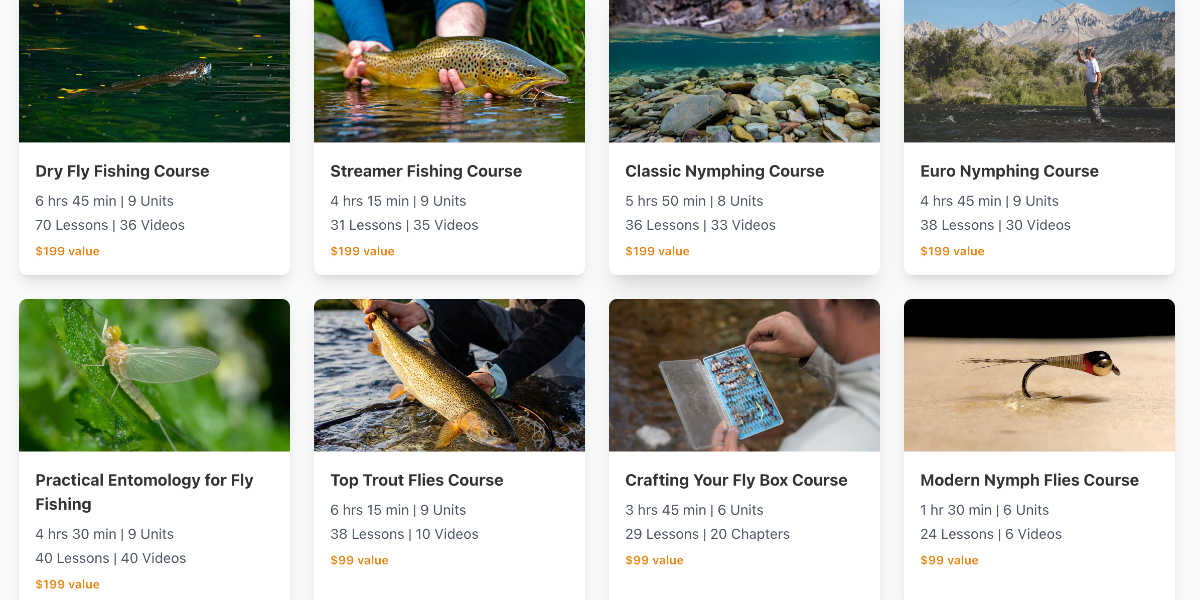
8 Premium Courses
~1,600 Pages & 30+ hrs of Video covering the most important topics
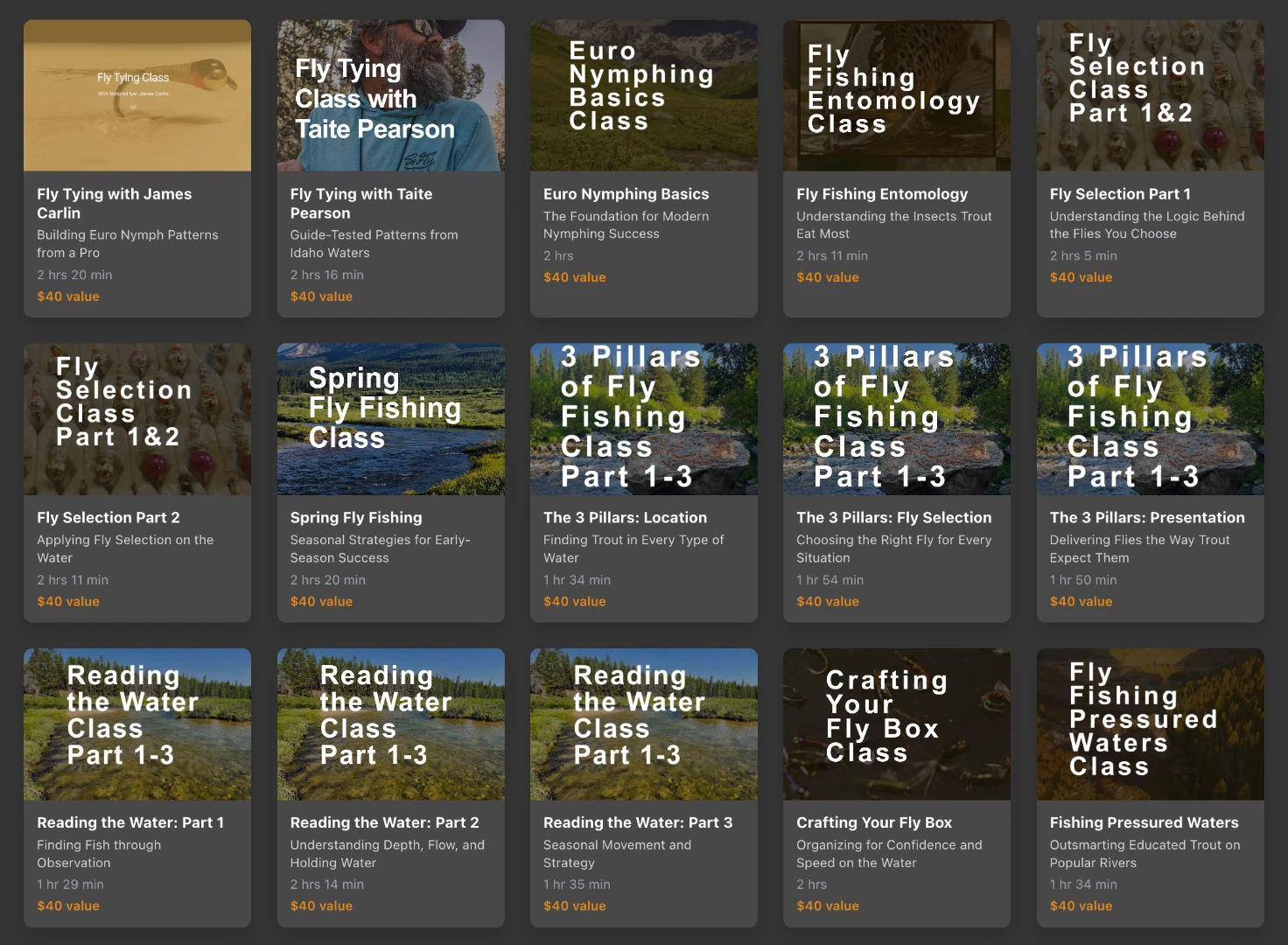
15 Video Classes
1-2hr Power Classes on Key Subjects and solidify your learnings
6 Streamside Courses
10+ Hours of Fishing to See Our Methods in Action
Recommended Reading
If you want to understand what to do after a fish responds to your streamer – whether it follows, flashes, or refuses – this article breaks down what different responses mean and how to adjust: What Does a Streamer Follow Tell You?
Presentation and depth are connected. If your streamer is not getting into the strike zone, the presentation does not matter much. This article covers how to actually know where your fly is fishing: How Deep Is Your Streamer Really Fishing?
If you want to build a more complete understanding of how depth, line angle, water type, and retrieve all work together across every streamer scenario, the Streamer Fishing Course covers each of these elements in detail and gives you a framework you can apply on any water you fish.