
The Complete Guide to Summer Dry Fly Fishing
Use the three pillars of fly fishing to catch more fish on the surface all season long.
Summer dry fly fishing is the reason a lot of us got into this sport in the first place. There is nothing quite like watching a trout rise to a fly you tied on, reading the water, picking the right pattern, and placing a drift right in the feeding lane. The fish eats. You set the hook. That moment never gets old.
Master summer dry fly fishing by optimizing location, fly selection, and presentation, the three pillars that determine success on the water.
- Prioritize water temperature and stable flows; fish early morning and cooler stretches when temperatures exceed 65 to 68°F.
- Match fly size first, then profile and color, by observing rise forms and insects on the water before.
- Achieve a clean dead drift through mending, reach casts, and upstream positioning to avoid drag that causes refusals.
- Use the three pillars as a diagnostic tool: if fish are not rising, check location.
- Plan ahead with local fly shop intel, a stocked fly box for likely hatches, and a thermometer.
Summer brings the widest variety of hatches of the entire year. Caddisflies, PMDs, Green Drakes, Tricos, hoppers, and more can all be on the water at different times of day and in different stretches of river. The fish are active, the days are long, and the opportunities to fish dry flies are as good as they get. It is genuinely the most exciting time of year to be on the water with a dry fly rod in hand.
But summer dry fly fishing can also be humbling. You show up expecting caddis and the fish are keying on PMDs. You find rising fish but cannot get a take. You pick a stretch of river that looks perfect on paper, but the water is too warm or too low. These are not random bad days. They are gaps in one of three areas: location, fly selection, or presentation.
Those three areas are the three pillars of fly fishing, and they are the framework we use for everything we teach at The Catch and The Hatch. Get all three right on the same day, and you will catch fish. Miss one, and you will struggle to figure out why. This guide walks through all three pillars as they apply specifically to summer dry fly fishing, so you can spend less time guessing and more time watching trout eat off the top.
Dry Fly Fishing Course
Master the most iconic and exciting technique
to catch trout with expert instruction from Dave Karczynski
- 9 Units & 70 Lessons (38 Chapters)
- 36 HD Videos
- Learn from Dave Karczynski (21 Years Experience)
- Master the Art of Dry Fly Fishing
- Lifetime Access and Coupons to Save $225+
- Get Expert Answers on Fly Fishing as Course Member
The Three Pillars of Fly Fishing
Location, fly selection, and presentation: why this framework changes how you think on the water.
Before we get into the specifics of summer, it helps to understand why the three pillars matter as a framework in the first place.
Fly fishing is a game of variables. On any given day, there are dozens of reasons you might not be catching fish. The water could be wrong. The fly could be wrong. The drift could be wrong. Without a way to organize those variables, you end up changing everything at once and learning nothing. Or worse, you change nothing and just hope the fish cooperate.
The three pillars give you a structure for diagnosing what is happening and making deliberate adjustments.
Location is about being in the right place at the right time. That means the right river, the right stretch, the right time of day, and the right water type for the conditions you are fishing.
Fly selection is about having the right fly on the end of your line. In summer dry fly fishing, that means understanding which hatches are likely, what stage the fish are eating, and which pattern in your box best matches what is on the water.
Presentation is about delivering that fly in a way that convinces a trout to eat it. A great fly in the wrong lane, or with drag pulling it off course, will get refused every time.
The reason this framework is so useful is that it narrows down where your problem actually is. If you are in a good location with rising fish and you know the hatch, but you are not getting takes, the problem is probably presentation. If you are presenting well but nothing is rising, the problem might be location or timing. If fish are rising and your drift looks good but they keep refusing, look harder at fly selection.
Fly fishing is a process of elimination. The three pillars give you a map for that process.
If you want to go deeper into this framework and how it applies to dry fly fishing specifically, the Dry Fly Fishing Course covers all three pillars across 70 lessons with detailed video instruction and diagrams. It is one of the most thorough dry fly resources we have built.
Step 1: Location
Find the right water before you worry about anything else.
No amount of fly selection skill or presentation finesse will save you if you are fishing the wrong water. Location is the first pillar for a reason. Get this right and the other two pillars become much easier to execute.
Water Temperature Comes First
In summer, water temperature is the single most important location variable for dry fly fishing. Trout are cold-water fish. When water temperatures climb above roughly 65 to 68 degrees Fahrenheit, trout become stressed. They stop feeding actively, move to cooler water, and are much harder to catch on the surface. Fishing warm water is also hard on the fish, which is a good reason to call it a day when temperatures climb.
Check water temperature early and often. A simple stream thermometer is one of the most useful tools you can carry. Fish early in the morning when temperatures are at their lowest, and plan to be off the water or switching to shaded, cooler stretches by early afternoon on hot days. Tailwaters, spring creeks, and high-elevation freestone rivers tend to hold cooler temperatures longer into the day and are worth prioritizing on hot summer weeks.
Read Stream Flows Before You Go
Stream flow data tells you whether a river is fishable before you drive two hours to find out the hard way. Most states have USGS gauge data available online, and many local fly shops post weekly flow reports.
What you are looking for is a stable trend. A river that has been running at a consistent level for several days is more likely to have settled fish and readable water than one that is rising or dropping quickly. After runoff, flows drop through early summer. Once they stabilize, dry fly fishing on freestone rivers often opens up significantly.
Pay attention to:
- Current CFS and recent trend: Is the river rising, falling, or holding steady?
- Clarity: High, off-color water makes dry fly fishing difficult. Clear water is what you want.
- Seasonal context: What is normal for this river at this time of year? Local fishing reports and fly shop calls are worth the five minutes it takes.
Local Fishing Reports and Fly Shop Intel
Local knowledge is underrated. A quick call to a fly shop near your target water can tell you what hatches are happening, what flies are working, and whether the river is worth the trip. Guides and shop staff are on the water constantly. They know things that no gauge or weather app can tell you.
Do not skip this step. A five-minute phone call can save you a wasted day and point you toward water that is actually fishing well.
Weather and Cloud Cover
Summer weather has a direct effect on dry fly fishing. Overcast days are often better for surface activity than bluebird sunny days. Cloud cover keeps light levels low, which encourages insects to hatch and trout to feel comfortable feeding on the surface.
On bright, sunny summer days, the best dry fly action often happens in the early morning before the sun gets high, and again in the evening as light fades. Midday can be slow on exposed, sunny water. Shaded stretches of river, canyon sections, and north-facing banks can fish better during the bright hours.
Watch for afternoon thunderstorms, which are common in mountain regions during summer. A storm rolling in can trigger a burst of insect activity and surface feeding just before it hits. Just be smart about lightning and get off the water when you need to.
Choosing Your Water Type
Different water types fish differently for dry flies in summer.
- Riffles and pocket water hold well-oxygenated water and active fish. Trout in broken water are generally less selective and easier to fool. Good for attractor patterns and searching.
- Runs and flats are where you find selective rising fish during a hatch. These fish have more time to inspect your fly, so presentation and pattern accuracy matter more.
- Pools can hold big fish but are often slow on the surface during midday. Better early and late.
- Seams and eddies concentrate food and fish. Look for the foam lines and current edges where insects collect.
Step 2: Fly Selection
Match what is on the water, not what you wish was on the water.
Summer brings the most diverse hatch calendar of the year. That is the good news. The challenge is that with so many insects potentially on the water, you need to be observant and deliberate about what you tie on. Guessing randomly through your fly box is not a strategy.
The Major Summer Hatches
The specific hatches you encounter will vary by region, elevation, and river type. That said, these are the insect families most likely to drive summer dry fly fishing across much of the country.
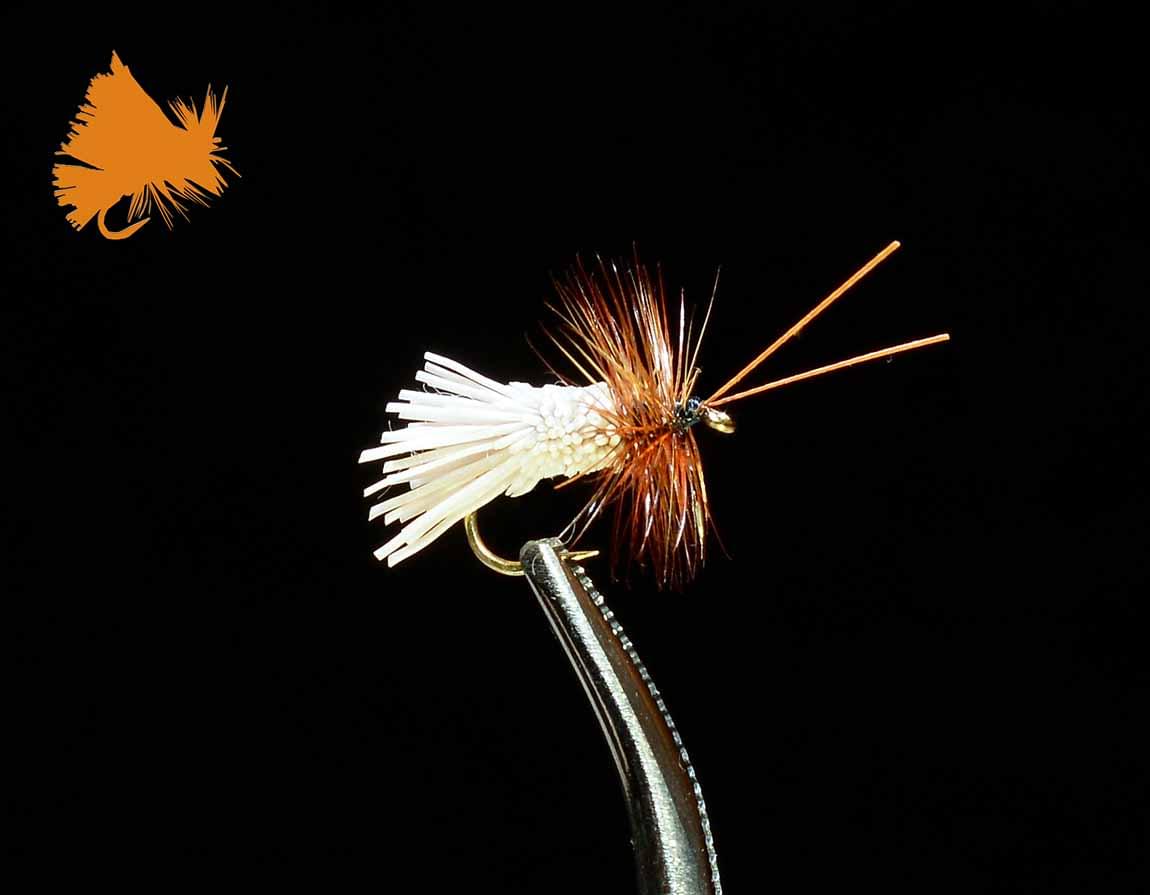
Caddisflies are one of the most important summer dry fly insects. They hatch in large numbers on many rivers from late spring through summer and into fall. Adult caddis are active and skittery on the surface, which means trout often take them with aggressive, splashy rises. When you see that kind of rise form, caddis are a strong first guess. Carry adult caddis patterns in tan and olive in sizes 14 through 18. A Goddard Caddis in tan is a reliable, high-floating option that can be useful in broken water.
| General Hatch Chart | Jan | Feb | Mar | Apr | May | Jun | Jul | Aug | Sep | Oct | Nov | Dec |
|---|---|---|---|---|---|---|---|---|---|---|---|---|
|
Caddis Sizes: #10 - #22
|
Pale Morning Duns (PMDs) are a staple summer mayfly on many Western rivers. They tend to hatch in the morning and early afternoon, often in good numbers on tailwaters and spring creeks. PMD hatches can make trout very selective. The fish key in on the emerger or the dun, and they will refuse a pattern that is even slightly off in size or color. Carry PMD patterns in sizes 14 through 18 in light yellow and pale olive.
| Regional Hatch Chart | Jan | Feb | Mar | Apr | May | Jun | Jul | Aug | Sep | Oct | Nov | Dec |
|---|---|---|---|---|---|---|---|---|---|---|---|---|
|
Region: West, Northwest, East, Southeast, Midwest
PMD Sizes: #14 - #20
|
Green Drakes are one of the most anticipated hatches of the summer season. They are large mayflies, sizes 10 through 14, and when they come off, they bring big fish to the surface. Green Drake hatches tend to be short and intense, often in the afternoon or evening. Be on the water and ready when they start. A Green Drake dry in size 12 is a good starting point.
| Regional Hatch Chart | Jan | Feb | Mar | Apr | May | Jun | Jul | Aug | Sep | Oct | Nov | Dec |
|---|---|---|---|---|---|---|---|---|---|---|---|---|
|
Region: West, Northwest, Midwest
Green Drake Sizes: #8 - #14
|
||||||||||||
|
Region: East
Green Drake Sizes: #8 - #14
|
Tricos are tiny mayflies, sizes 18 through 24, that hatch in the early morning during summer. The spinner fall is what drives the dry fly action, and it can create some of the most technical fishing of the year. Trout sipping Trico spinners in a flat are not easy fish. But when you crack the code, it is incredibly satisfying.
| Regional Hatch Chart | Jan | Feb | Mar | Apr | May | Jun | Jul | Aug | Sep | Oct | Nov | Dec |
|---|---|---|---|---|---|---|---|---|---|---|---|---|
|
Region: West, Northwest
Trico Sizes: #18 - #26
|
||||||||||||
|
Region: East, Southeast, Midwest
Trico Sizes: #18 - #26
|
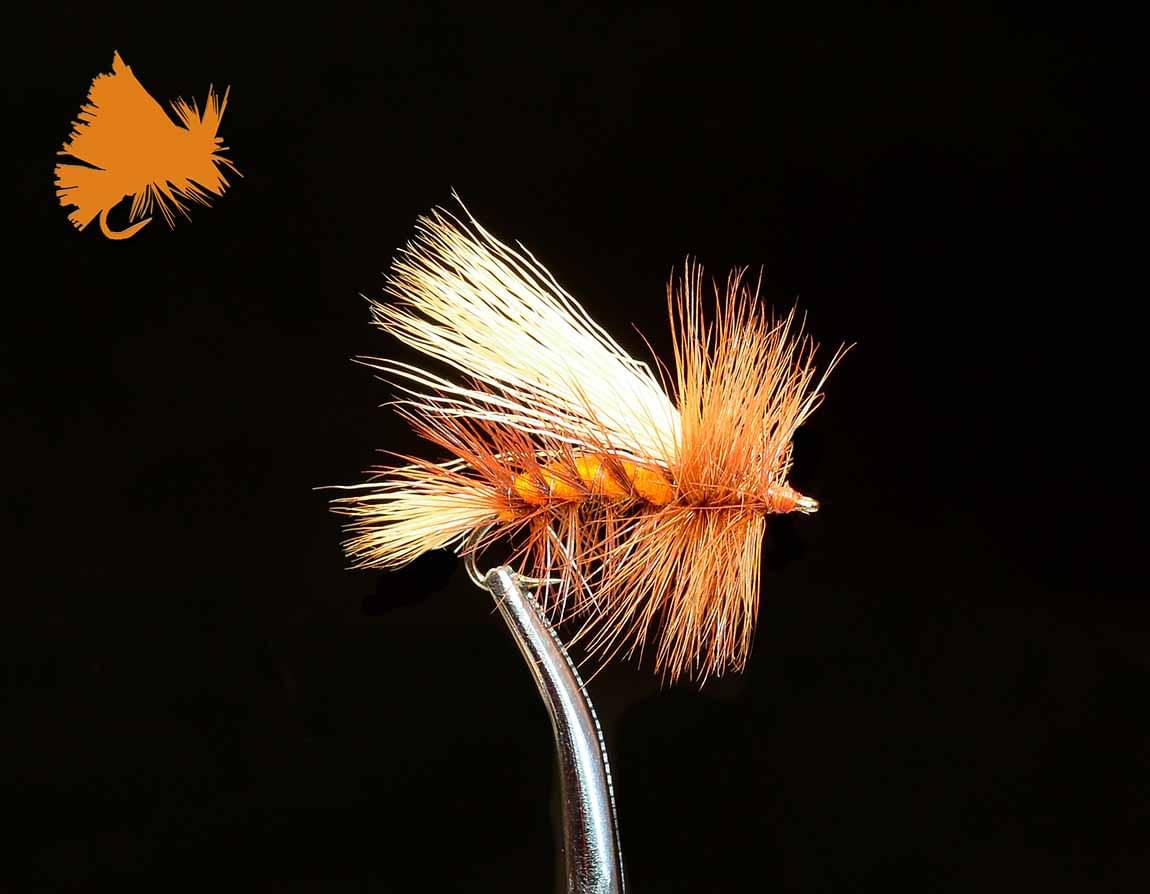
Stoneflies vary significantly by region, but large stonefly adults on the water in early summer can produce some of the most exciting dry fly fishing of the year. Big, orange and tan dry stonefly patterns in sizes 8 through 12 can draw aggressive strikes from large trout. An Improved Sofa Pillow in orange is a classic pattern for this.
Terrestrials become increasingly important as summer progresses. Grasshoppers, ants, and beetles fall into the water from streamside vegetation and trout eat them opportunistically. By mid to late summer, a hopper pattern fished along grassy banks can be one of the most worth checking dry fly approaches of the day, especially on windy afternoons.
How to Narrow Down Fly Selection on the Water
Carrying a lot of flies is not the same as knowing which one to use. Here is a practical process for narrowing it down when you get to the river.
Step 1: Look before you tie anything on. Spend five minutes watching the water before you rig up. What insects do you see on the surface? What are the rise forms telling you? Splashy, aggressive rises often mean caddis or stoneflies. Subtle sipping rises often mean small mayflies, spinners, or midges. Trout porpoising just under the surface often mean emergers.
Step 2: Match the size first. Size is the most important variable in dry fly selection. If you are one size off, you will get refusals even if the color and profile are close. When in doubt, go smaller rather than larger.
Step 3: Match the profile and color. Once you have the size close, look at the silhouette and color of what is hatching. Is it a low-riding emerger or an upright dun? Is it tan, olive, yellow, or gray?
Step 4: Watch the refusals. If fish are rising but refusing your fly, that is information. A refusal usually means something is off in size, profile, or drift. Change one variable at a time so you know what made the difference.
A well-stocked summer dry fly box should cover these bases. Carry a few flies in each core size so you can replace lost flies without having to dig through your whole pack. Losing your last size 16 Goddard Caddis at 6 PM during a hatch is a painful experience that is easy to avoid.
Having flies worth testing in your box before you get to the river is part of the preparation that makes the next decision more deliberate. The Summer Assortment covers the major summer hatches with 72 flies across six core patterns in three sizes each, including dry flies for caddis, mayfly, and stonefly activity.
If you want to understand the entomology behind these hatches at a deeper level, knowing not just what to tie on but why, the Fly Fishing Entomology Course is worth a look.

Step 3: Presentation
The right fly in the wrong lane, or with drag, will not catch fish.
You can be in the right location with the exact fly on your tippet and still not catch fish if your presentation is off. Presentation is the third pillar, and in dry fly fishing, it is where a lot of anglers leave the most room for improvement.
Reading Rise Forms
Rise forms are one of the most useful pieces of information available to a dry fly angler. They tell you what the fish is eating and how it is eating it, which directly informs your fly choice and presentation approach.
- Faster, splashier rises: The fish is chasing something active on the surface. Caddis, stoneflies, and hoppers often produce this kind of rise. The fish is committing hard and moving to intercept the fly.
- Subtle sips: The fish is eating something small and low in the surface film. Spinners, small mayfly duns, and midges often produce this. The fish barely breaks the surface.
- Porpoising or head-and-tail rises: The fish is eating just below or in the film. Emergers are a strong first guess here. The dorsal fin and tail break the surface in a rolling motion.
- Bulging: The fish is pushing water without fully breaking the surface. Almost always emergers or nymphs just below the film.
Matching your fly to the rise form is often more useful than trying to identify the exact insect species. If you see subtle sipping rises, start with a small, low-riding pattern. If you see aggressive splashing, try a skittered caddis or a hopper.
One Dry Fly vs. Dry-Dropper
One of the most practical decisions you make when rigging for summer dry fly fishing is whether to fish a single dry fly or a dry-dropper setup.
Single dry fly is the right choice when:
- Fish are actively rising to a specific hatch and you want the cleanest possible presentation
- You are fishing flat, slow water where a dropper would create drag or spook fish
- You are working a specific rising fish and need precision
- The hatch is heavy enough that you do not need to cover multiple food sources
Dry-dropper is the right choice when:
- Fish are not visibly rising but you want to cover both surface and subsurface feeding
- You are fishing broken water like riffles and pocket water where a dropper is easy to manage
- You want to search water efficiently without switching rigs
- You are not sure whether fish are eating on top or just below the film
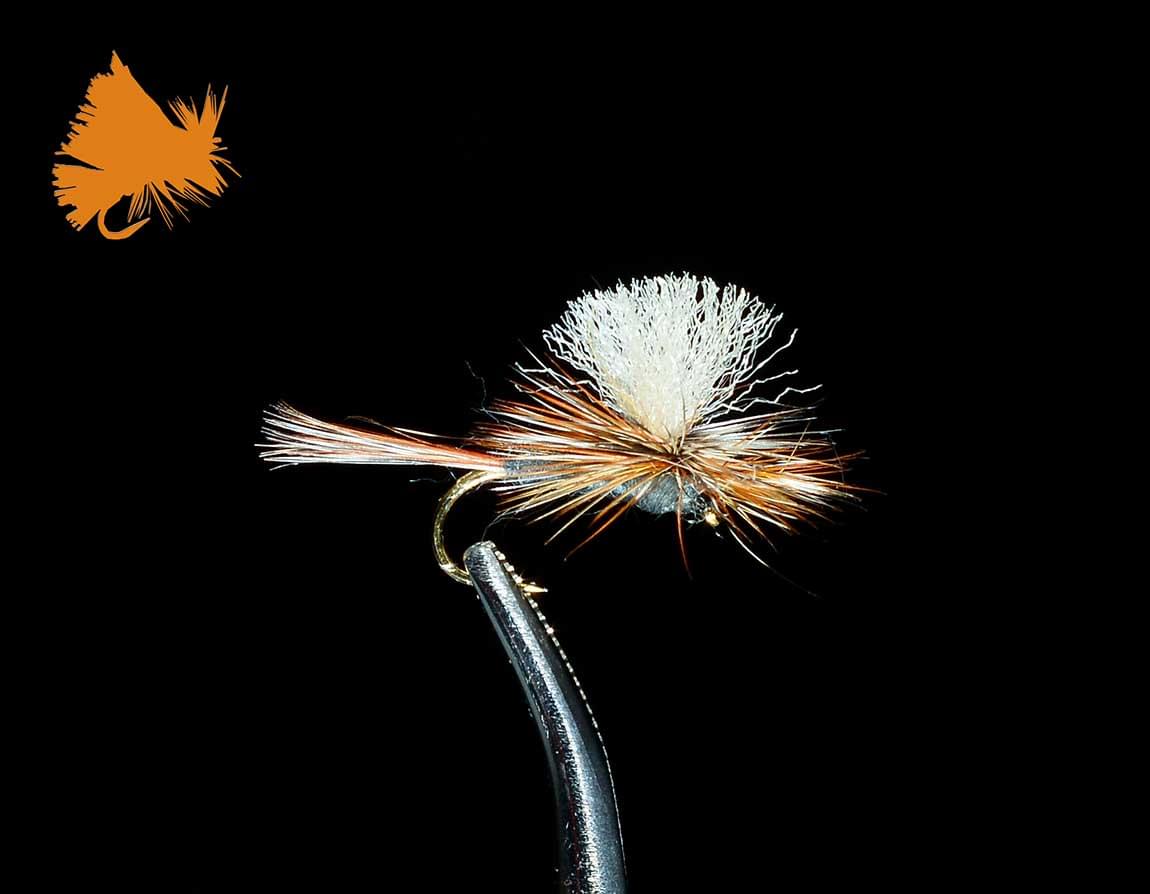
A dry-dropper rig uses a buoyant dry fly as both a strike indicator and a surface offering, with a nymph or emerger pattern trailing 12 to 24 inches below it on a short tippet section. The dry fly needs to be buoyant enough to support the dropper. A Goddard Caddis, Improved Sofa Pillow, or a large Parachute Adams can be useful as the dry in this setup.
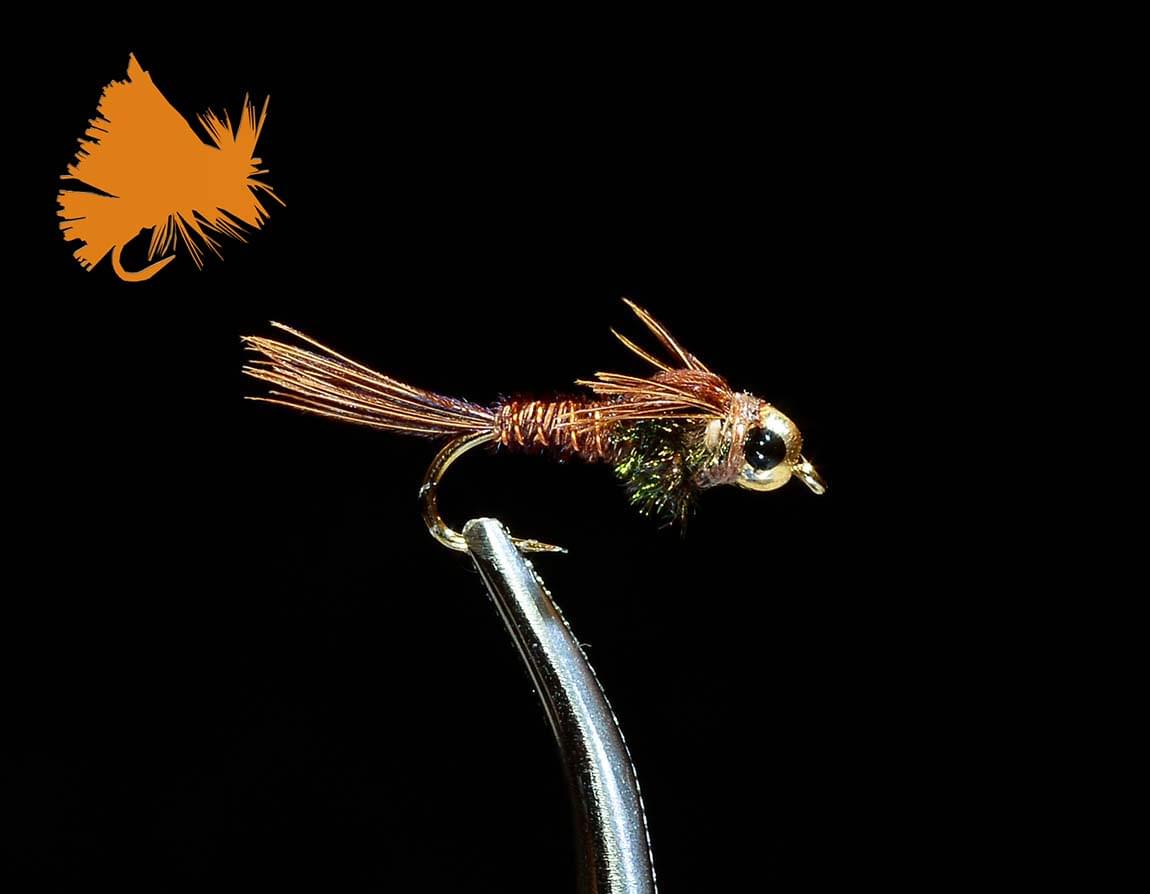
In summer, a dry-dropper with a PMD emerger or a small Beadhead Pheasant Tail as the dropper can be a very effective way to cover water when you are not sure exactly what stage the fish are eating.
The Drift: Getting It Right
Drag is the enemy of dry fly fishing. Drag happens when the current pulls your fly line at a different speed than the current carrying your fly, causing the fly to skate or pull unnaturally across the surface. Trout that are feeding selectively will refuse a dragging fly almost every time.
The goal is a dead drift: the fly moving at the exact speed of the current it is floating in, with no unnatural movement.
Here is how to improve your drift:
Mending: After the cast, flip your fly line upstream to give the fly more time to drift naturally before the current catches the line and creates drag. Mending is a skill that takes practice but pays off immediately.
Reach cast: During the cast itself, reach your rod tip upstream as the fly lands. This builds slack into the presentation and buys you more drift time before drag sets in.
Upstream casting: When possible, position yourself below or across from a rising fish and cast upstream. This gives you the clean drift and keeps your fly line away from the fish.
Leader length and tippet: A longer, finer tippet gives the fly more freedom to drift naturally. In summer, 5X or 6X tippet is common for smaller dry flies. Going lighter improves your drift but requires more care when fighting fish.
Position: Where you stand matters. Getting into a position where you can make a shorter, more accurate cast is almost always better than making a long cast from a comfortable spot. Shorter casts are easier to mend and control.
Presentation Tips for Specific Summer Situations
Fishing a caddis hatch: Caddis adults are active on the surface. A dead drift works, but a slight twitch or skitter can trigger a take when fish are keying on the movement of the natural. Try a dead drift first, then add a small twitch if you are getting refusals.
Fishing a PMD hatch: PMD fish are often selective. Focus on a dead drift with a well-matched pattern. If fish are refusing the dun, try an emerger pattern or a cripple. The fish may be eating the struggling insect rather than the fully hatched adult.
Fishing hoppers: Hoppers are terrestrials and they land with a splat. Do not be afraid to make a slightly louder presentation along a grassy bank. A hopper that lands with some impact can actually attract attention. Fish it with a dead drift, but an occasional twitch can help.
Fishing spinners: Spinner falls happen when adult mayflies return to the water to lay eggs and die. The spent wings lie flat in the film and the fish sip them quietly. Use a spent-wing spinner pattern and focus on a perfect dead drift. These fish are often the most selective of the day.
Fishing pocket water: In broken water, trout have less time to inspect a fly. Accuracy matters more than A controlled drift. Get the fly into the seam or pocket and let it ride through. A high-floating attractor pattern like a Parachute Adams is a good choice here.
Summer Assortment
Balanced Dries and Nymphs for Peak Season
A seasonal trout fly assortment designed to cover the most common summer fishing scenarios with balanced nymphs and dry flies.
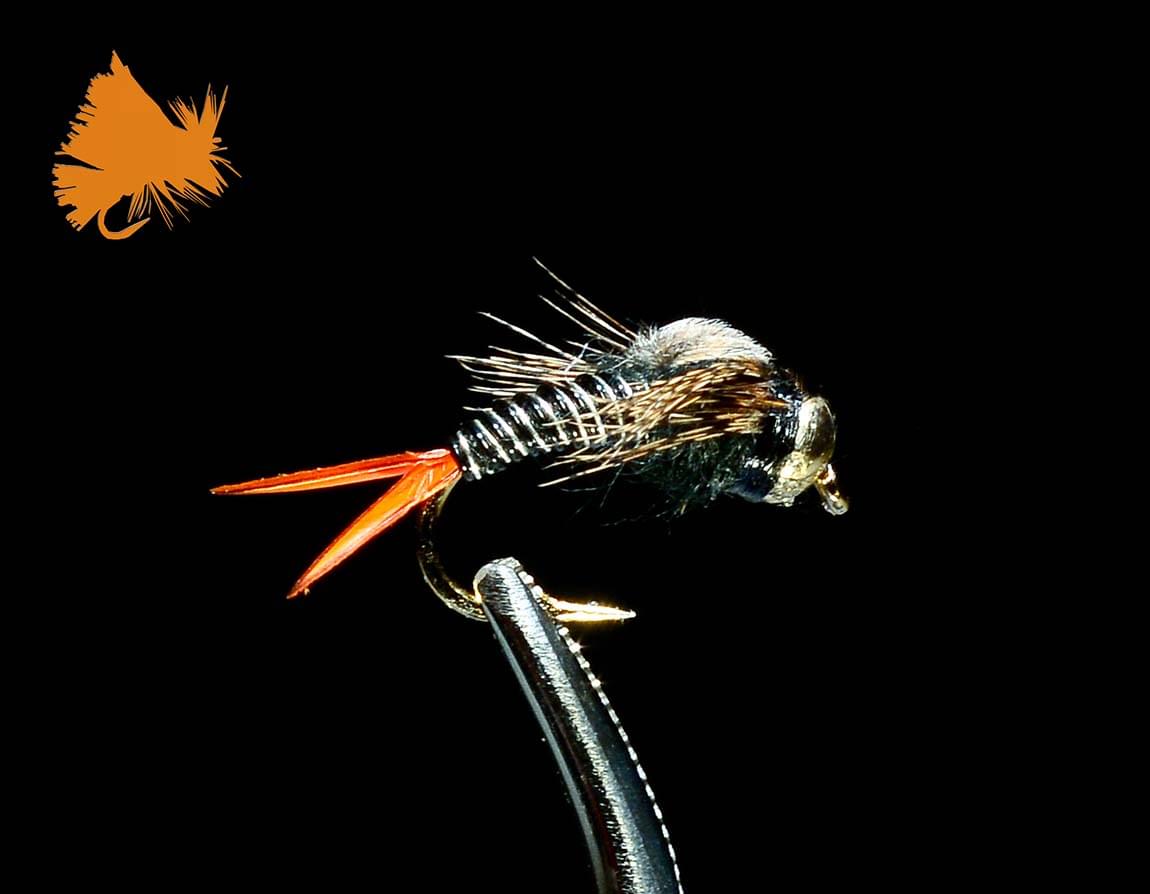




- A seasonal trout fly assortment designed to cover the most common summer fishing scenarios with balanced nymphs and dry flies.
- 72 flies | 6 patterns | 3 sizes of each pattern
- FREE shipping, 5-7 day delivery



Putting the Three Pillars Together on the Water
The real value of the three pillars framework is not in understanding each one separately. It is in using them together as a diagnostic tool when things are not going the way you expected.
Here is how that looks in practice.
You arrive at a river on a summer morning. You check the temperature: 58 degrees. Good. The flow is stable and the water is clear. You watch the water for five minutes before rigging up. You see a few insects on the surface but no rising fish yet. You decide to start with a dry-dropper in a productive-looking riffle while you wait for activity to pick up.
An hour later, you notice fish starting to rise in a flat below you. You watch the rise forms: subtle sips, low in the film. You look at the surface and see small, pale insects. PMDs. You switch to a single dry fly, tie on a size 16 PMD dun, and work into position below the rising fish.
First few casts: no takes. You watch your drift and notice the fly is dragging slightly at the end of the presentation. You adjust your position, make a reach cast, and mend immediately after the fly lands. The fly drifts cleanly through the feeding lane. The fish rises. You set the hook.
That is the three pillars working together. Location put you on the right water at the right time. Fly selection matched what the fish were eating. Presentation delivered the fly in a way the fish accepted.
When things are not working, go back to the pillars:
- Not finding rising fish? Check location. Are you in the right water type at the right time of day? Is the temperature too warm?
- Finding rising fish but not getting takes? Check fly selection first. Are you matching the right insect and stage? Then check presentation. Is your drift clean?
- Getting takes but missing fish? That is usually a presentation issue: hook set timing, tippet size, or fly size.
One variable at a time. That is how you learn what is actually happening and make adjustments that stick.
For a structured, step-by-step approach to all of this, the Dry Fly Fishing Course covers location, fly selection, and presentation in depth across 70 lessons and 36 HD videos. It is built for anglers who want to understand the why behind every decision, not just the what.
Planning Your Summer Dry Fly Season
A little planning before you leave the house makes a big difference in how your day unfolds. Summer dry fly fishing rewards anglers who show up prepared.
Check water temperature and flow data for your target river a day or two before your trip. Look for stable flows and temperatures in the fishable range.
Call the local fly shop. Ask what hatches are happening, what flies are working, and whether there are any access or condition issues worth knowing about.
Build your fly box around the likely hatches. If you are fishing a river known for PMD hatches in July, make sure you have PMD duns, emergers, and spinners in the right sizes. Do not show up with only attractor patterns.
Plan your day around temperature and light. Fish early when temperatures are coolest. Take a break during the hottest part of the afternoon. Get back on the water in the evening for spinner falls and caddis activity.
Have a Plan B. Hatches do not always cooperate. Know what else might be happening on the water and have flies for it. A dry-dropper rig with a nymph dropper gives you a fallback when the surface is quiet.
Carry a thermometer. Check the water temperature periodically throughout the day. If it climbs above 65 to 68 degrees, consider moving to cooler water or calling it a day.
Field Checklist: Summer Dry Fly Fishing
Use this before and during your next trip to keep the three pillars in focus.
- Location: Check stream flows, water temperature, and local fishing reports before you go. Plan your day around cooler morning and evening windows.
- Fly selection: Watch the water for five minutes before rigging. Match size first, then profile and color. Carry multiples of your core patterns so you can replace lost flies.
- Presentation: Choose single dry fly or dry-dropper based on conditions. Focus on a clean dead drift. Mend early and reposition when needed.
- Rise forms: Read what the fish are telling you. Splashy rises mean active insects. Subtle sips mean small food in the film. Adjust your fly and approach accordingly.
- Adjust one variable at a time: When fish are refusing, change one thing (size, pattern, or drift) before changing everything at once.
- Protect the fish: Check water temperature. If it is too warm, rest the fish quickly and consider moving to cooler water or ending the day.
The Path Forward
Summer dry fly fishing is the best time of year to be on the water. The hatches are diverse, the fish are active, and the opportunities to fool a trout on the surface are as good as they get. Bring flies worth testing, read the water, and trust the process. The three pillars will get you there.
If you want to go deeper on any part of this, the Dry Fly Fishing Course is the most thorough resource we have for building real dry fly skills from the ground up. And if you want to make sure your fly box is ready for summer, the Summer Assortment has 72 of the top summer patterns already picked and packed for you.
Get out there and enjoy it. Summer does not last forever.
Dry Fly Fishing Course
Master the most iconic and exciting technique
to catch trout with expert instruction from Dave Karczynski
- 9 Units & 70 Lessons (38 Chapters)
- 36 HD Videos
- Learn from Dave Karczynski (21 Years Experience)
- Master the Art of Dry Fly Fishing
- Lifetime Access and Coupons to Save $225+
- Get Expert Answers on Fly Fishing as Course Member
