
How to Fly Fish Small Streams
Use the three pillar framework – location, fly selection, and presentation to catch more trout in tight water
Small streams offer some of the most rewarding fly fishing experiences, but they demand a different approach than larger rivers. Success comes down to mastering three fundamental skills: finding the right spots (location), choosing effective flies (fly selection), and delivering them naturally (presentation). Get enough of these things right, and you can find a lot of fish on the small streams you fish in your area.
Master location, fly selection, and presentation to consistently catch trout in small streams.
- Target pools, undercut banks, current seams, and pocket water while approaching low and slow from downstream.
- Prioritize versatile patterns in sizes 14-18 that match general characteristics over exact imitations.
- Use 7-7.5 foot leaders and short, accurate casts to achieve drag-free drifts in tight quarters.
- Adjust one variable at a time when presentations aren’t working to identify what’s effective.
- Apply all three pillars together systematically, starting with location before selecting flies and presentation methods.
Here’s how to apply the three pillars of fly fishing to consistently catch more trout in small streams.
Quick Field Checklist for Small Stream Success
Before diving deep into each pillar, here’s your quick checklist for small stream fishing:
Location Essentials:
- Target pools, undercut banks, and current seams
- Look for cover like fallen logs, overhanging branches, and boulder pockets
- Fish the head and tail of pools, not just the middle
- Stay low and approach from downstream when possible
Fly Selection Priorities:
- Match size and color over exact pattern
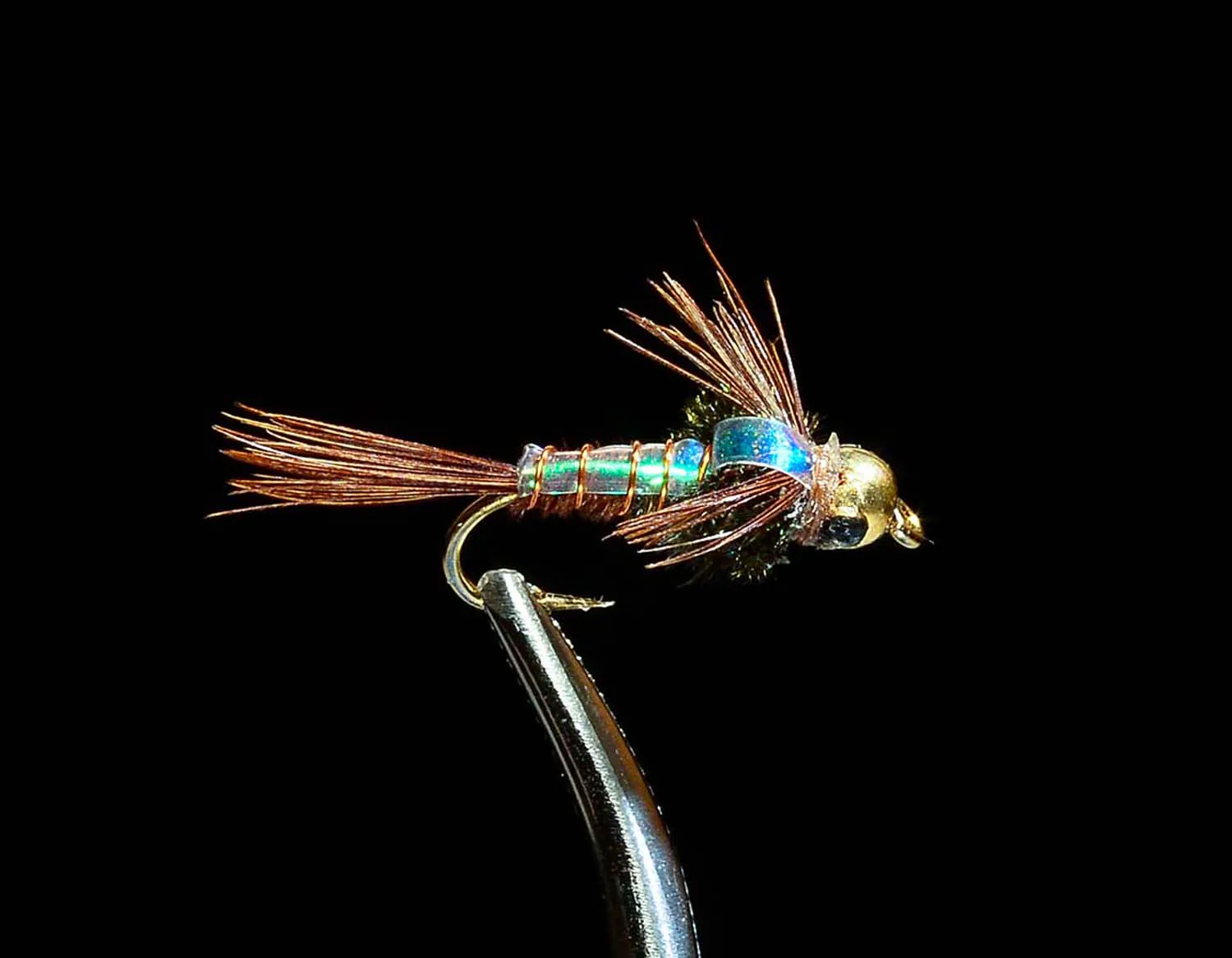
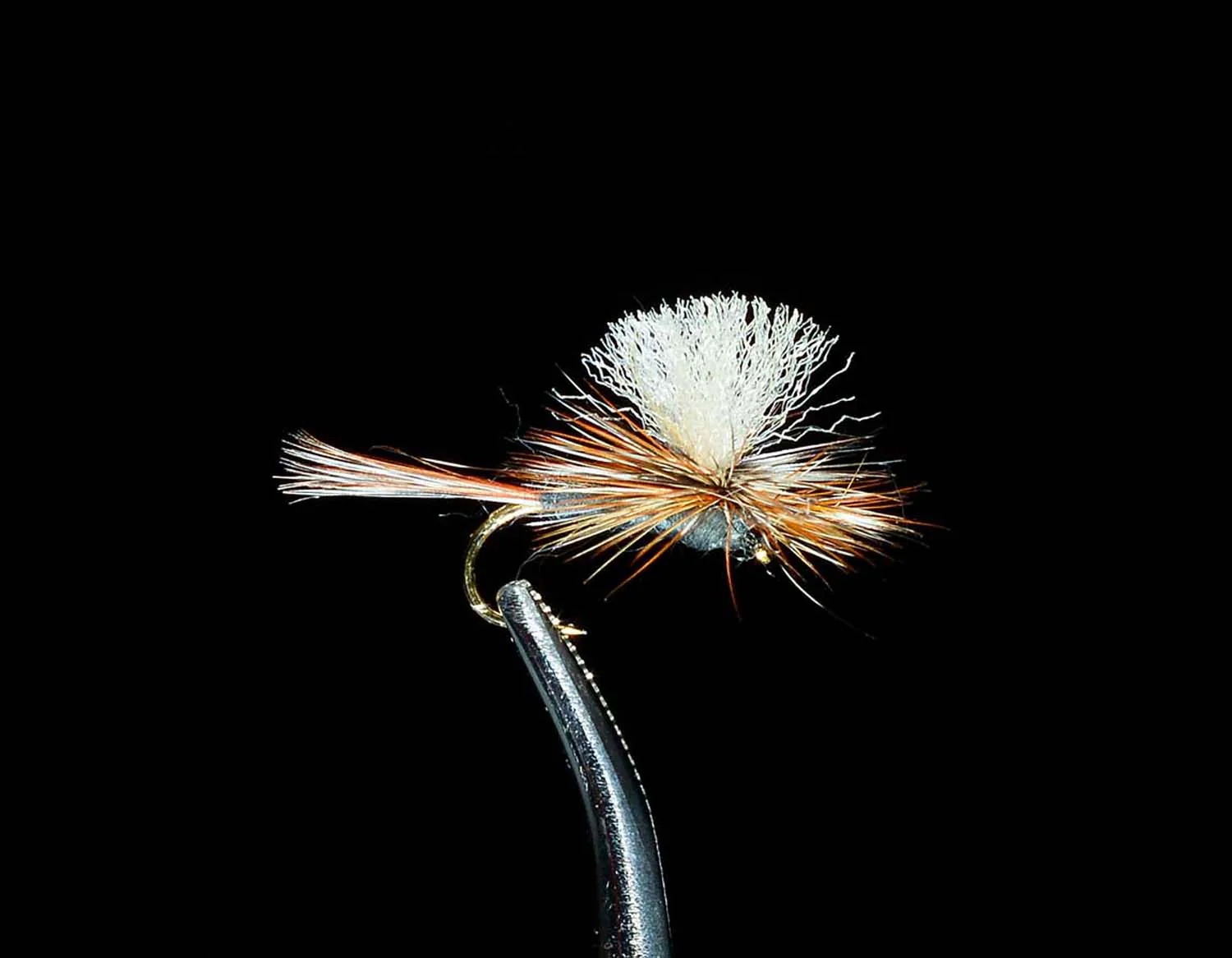
- Carry versatile patterns like Beadhead Pheasant Tail Flashback and Parachute Adams
- Use beadhead nymphs for quick depth in shallow water
- Keep terrestrials handy during summer months
Presentation Keys:
- Use shorter leaders (7-7.5 feet) for control
- Make short, accurate casts
- Focus on drag-free drifts
- Stay out of the water when possible
Start with each pillar and how it applies specifically to small stream fishing.
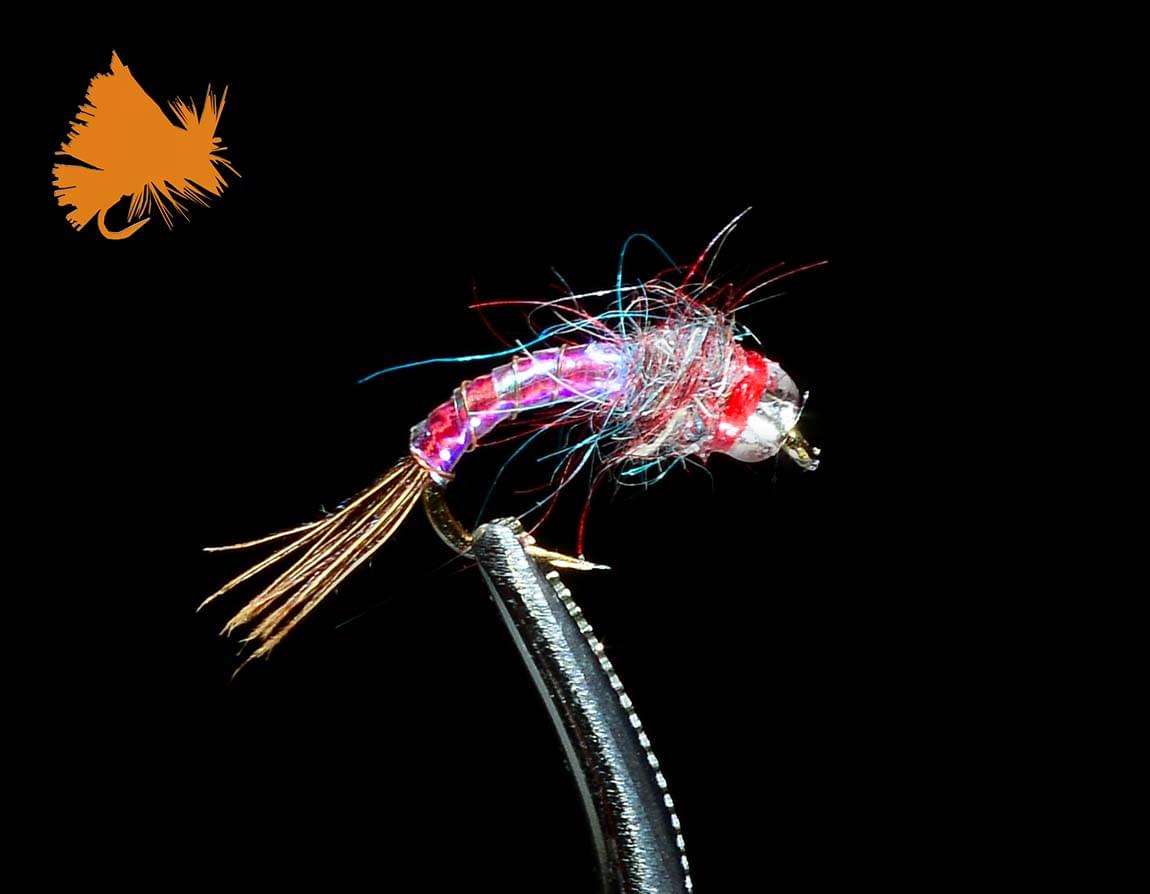
Dry – Dropper Fly Assortment
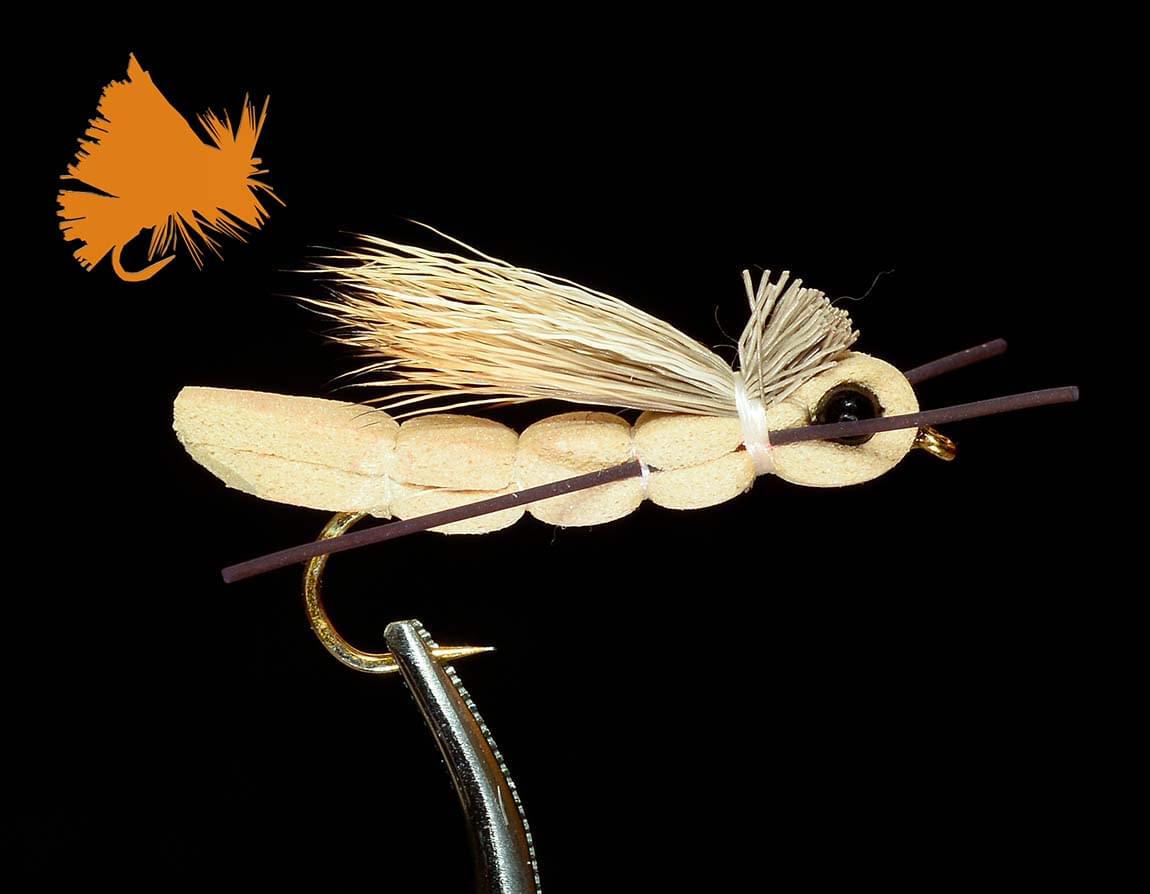
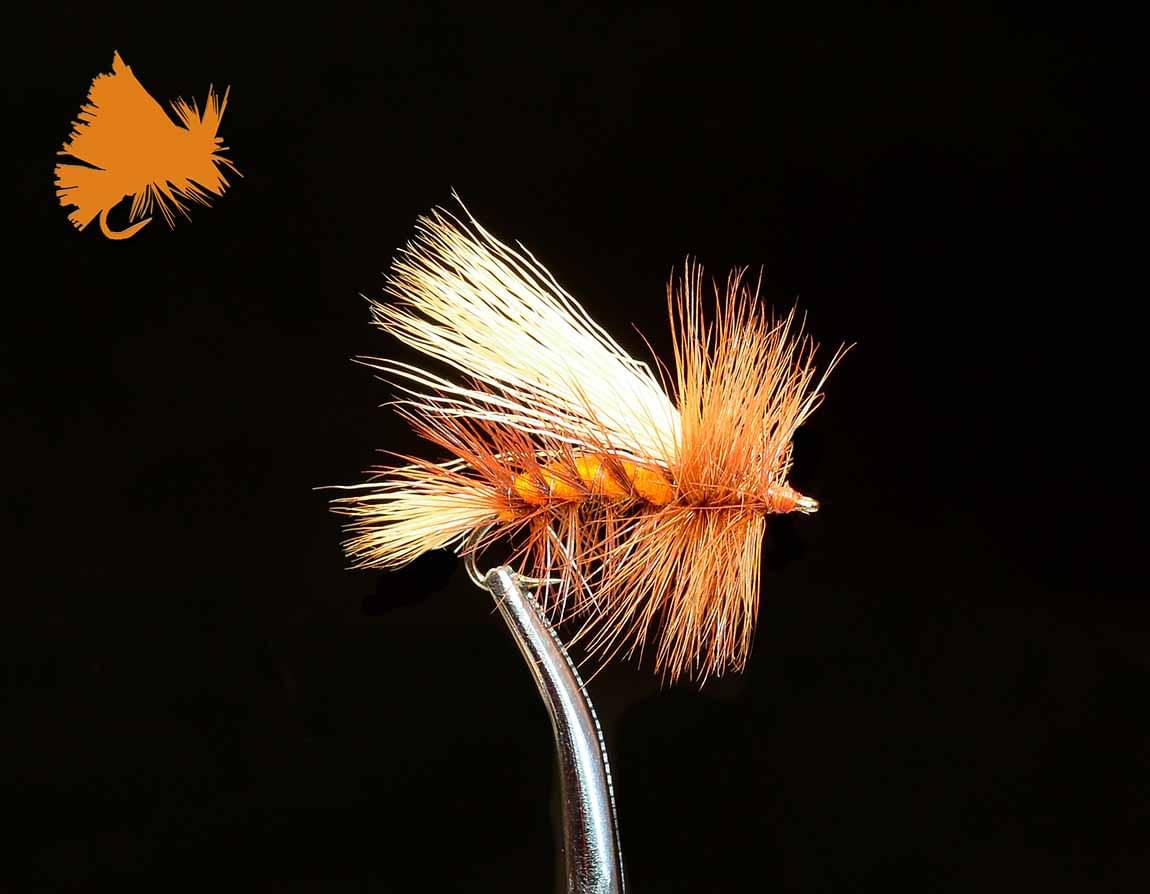
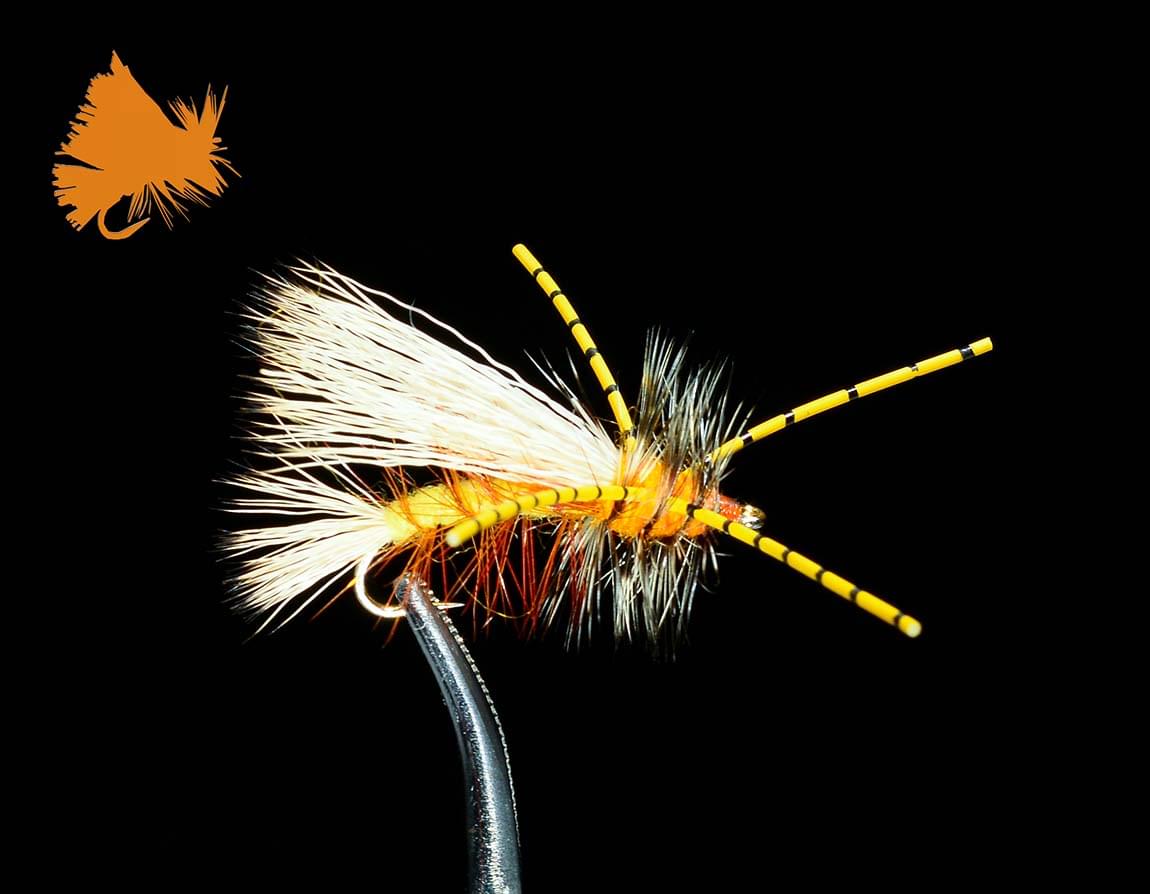
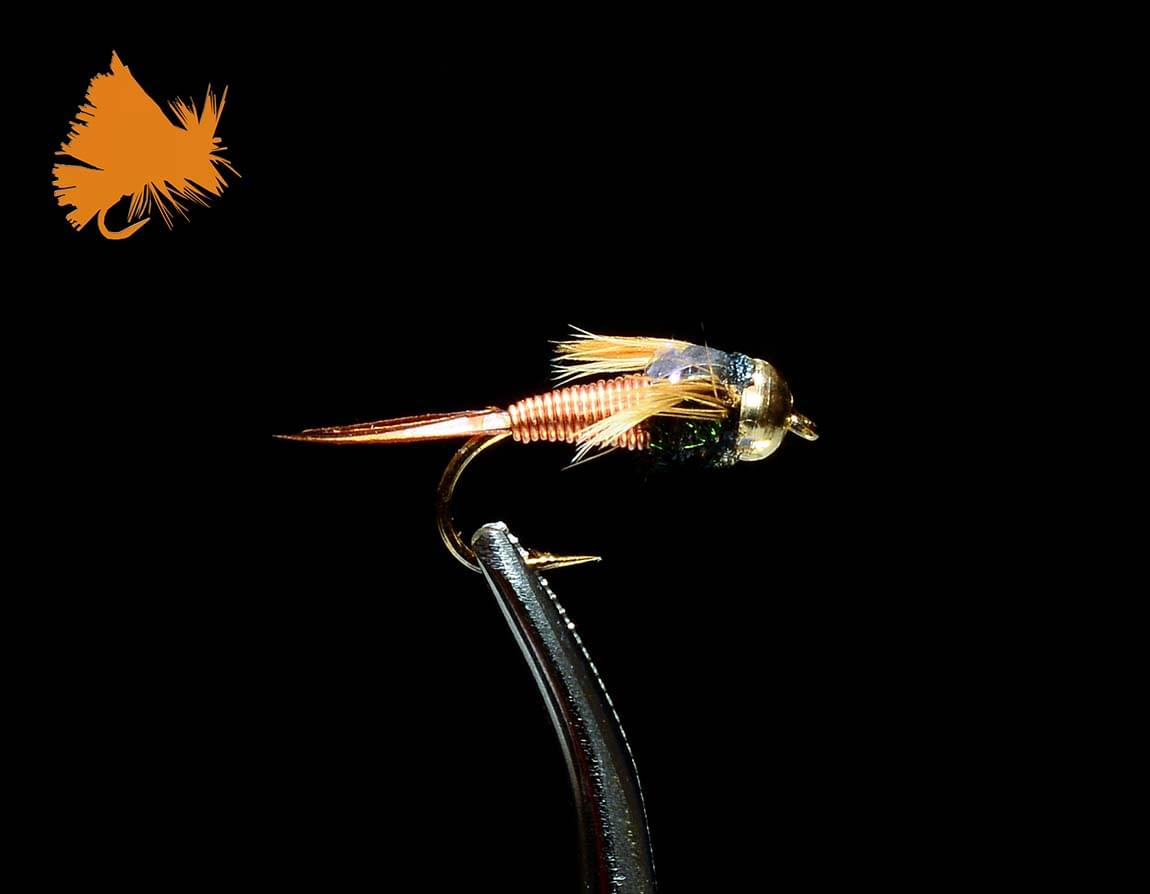
Best Flies for Dry Dropper Rigs
A purpose-built dry-dropper assortment featuring trusted dry flies paired with effective nymph droppers.
- A purpose-built dry-dropper assortment featuring trusted dry flies paired with effective nymph droppers.
- 72 flies | 6 patterns | 3 sizes of each pattern
- FREE shipping, 5-7 day delivery







Location: Reading Small Stream Water
Start by identifying useful water types. Small streams concentrate trout in predictable spots because fish have limited options for feeding, shelter, and safety.
Pools are your primary targets. Look for deeper sections where the current slows down. Trout use these areas to rest while staying close to feeding lanes. Fish the head of the pool where food funnels in, the deeper middle section where larger trout often hold, and the tail where the water shallows and speeds up again.
Undercut banks provide useful holding water. Current carves away soil and rock, creating overhangs that offer both cover and feeding opportunities. These spots can be especially useful during bright conditions when trout seek shade and protection from predators.
Current seams mark feeding zones. Where fast water meets slow water, you’ll find trout positioned to intercept drifting food with minimal energy expenditure. These transition areas can be particularly useful because insects and other food items collect along these natural conveyor belts.
Don’t overlook pocket water. Boulders, fallen logs, and other structure create small eddies and calm spots that hold trout. Even tiny pockets behind rocks can harbor fish in streams where every good lie matters.
Approach matters as much as location. Small streams mean close-quarters fishing. Trout in these environments are especially spooky because they have limited escape routes. Stay low, move slowly, and approach from downstream when possible. Your shadow on the water can end your chances before you make a cast.
Fly Selection: Matching the Small Stream Menu
Prioritize versatility over exact imitation. Small stream trout are typically opportunistic feeders that can’t afford to be overly selective. A Beadhead Pheasant Tail Flashback in size 14-18 can cover mayfly nymphs, while a Parachute Adams handles most dry fly situations.
Size and color matter more than pattern specifics. If you see small, dark insects, a size 18 black pattern can be more useful than an exact imitation in the wrong size. Small stream trout key in on general characteristics rather than minute details.
Beadhead nymphs can be useful in shallow water. Unlike deeper rivers where you need heavy tungsten to reach bottom, small streams rarely exceed three feet deep. Brass or standard tungsten beadheads get your flies to the strike zone quickly without overdoing the weight. This prevents your nymphs from dragging bottom and allows for more natural presentations.
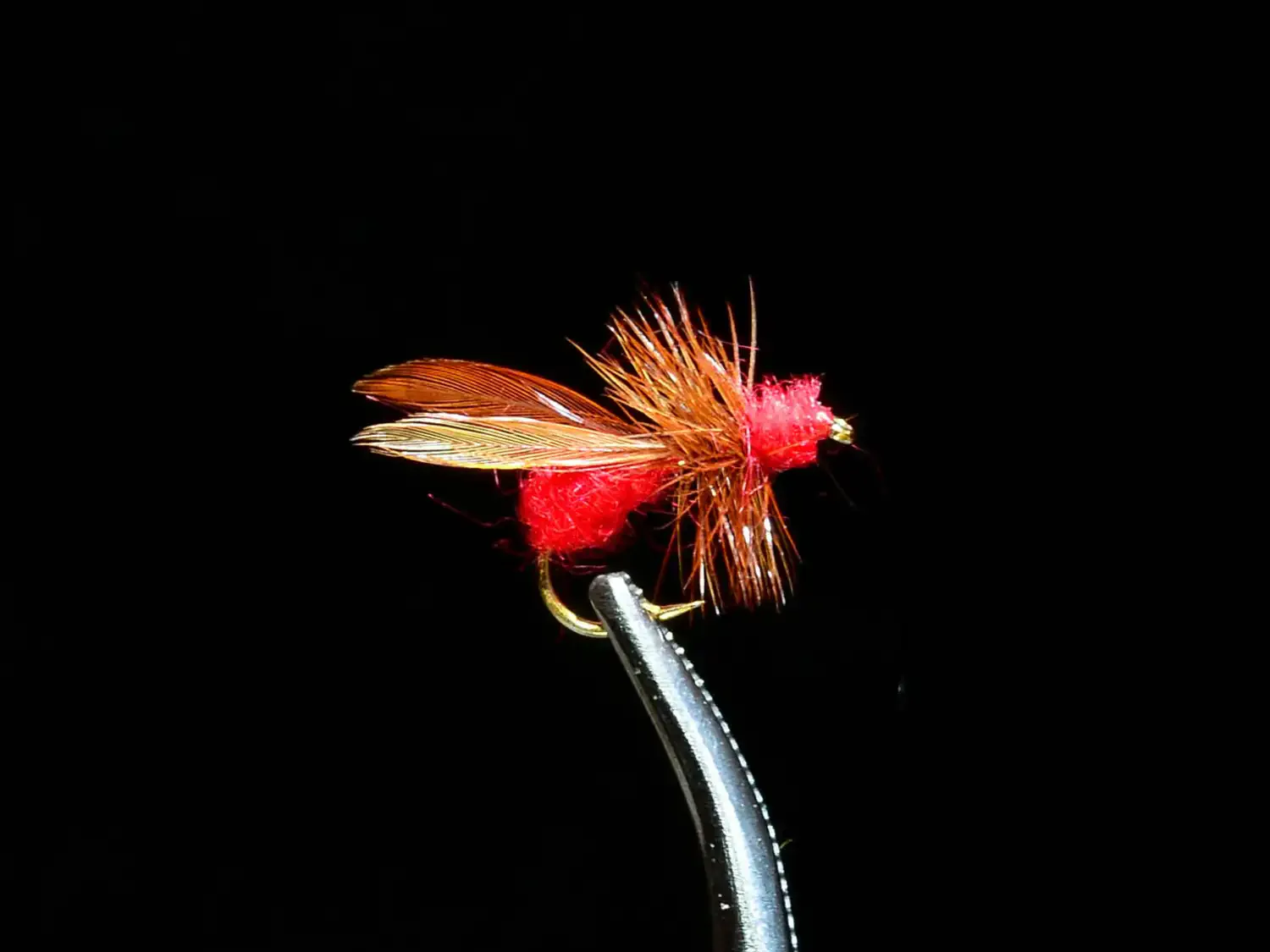
Terrestrials become useful during summer. Ants, beetles, and grasshoppers fall into small streams regularly, especially in areas with overhanging vegetation. A Flying Ant or simple foam beetle can produce when aquatic insects aren’t active.
Keep your selection focused. Small streams don’t require dozens of patterns. A core selection might include:
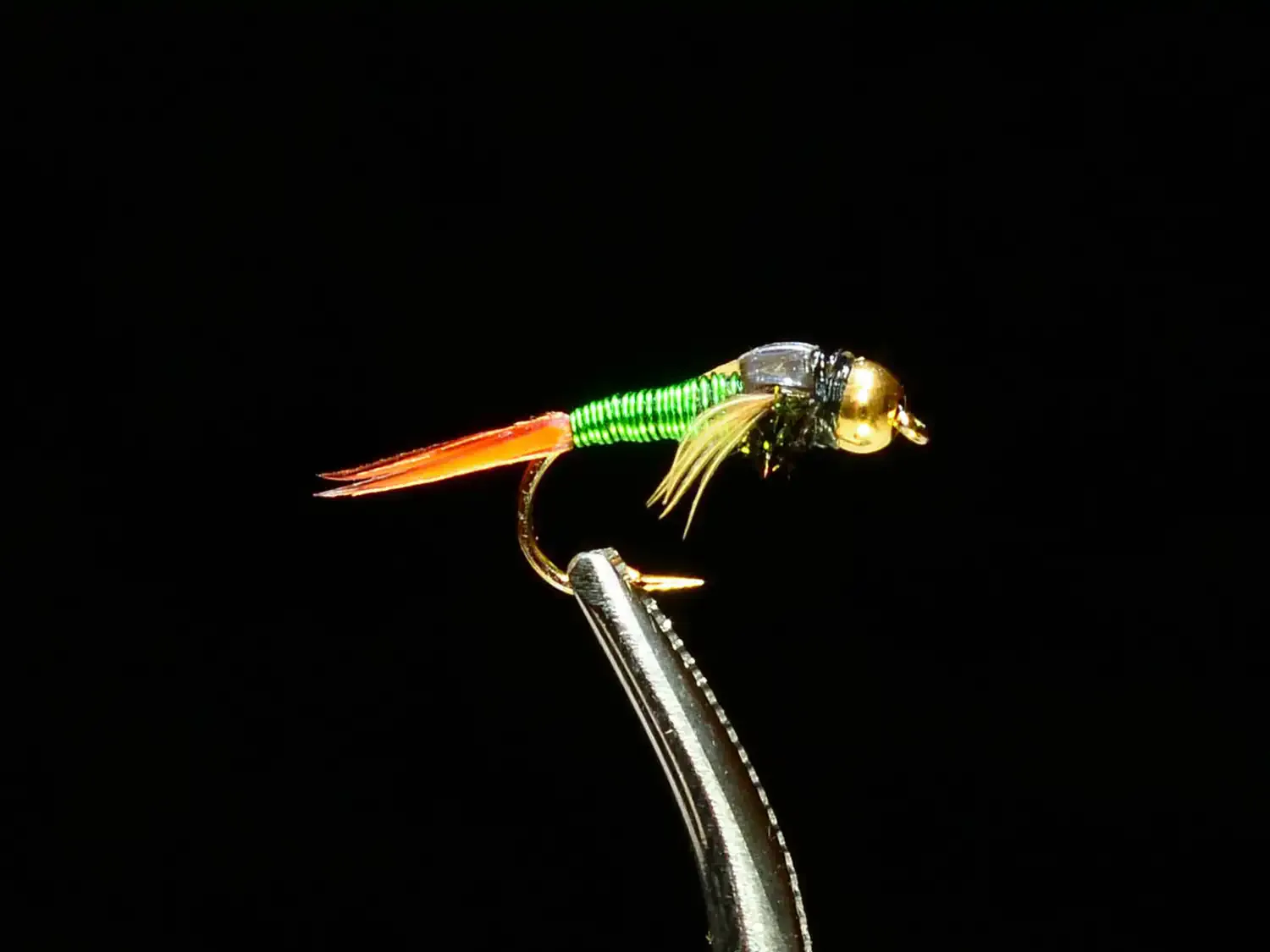
- Beadhead nymphs in sizes 14-18 (Pheasant Tail, Copper John)
- Dry flies for surface activity (Adams, Blue Wing Olive)
- Terrestrial patterns for summer fishing
- A few small streamers for fish willing to move
Match your flies to observed activity. Spend five minutes watching the water before rigging up. Are insects emerging? Are fish rising? Are there terrestrials falling from overhanging trees? Let the stream tell you what to tie on first.
Presentation: Delivering Flies Naturally in Tight Quarters
Shorten your leader for better control. While larger rivers often demand 9-12 foot leaders, small streams are easier to evaluate with 7 to 7.5-foot leaders. This gives you better accuracy in tight spots and more control when fighting fish around structure.
Master short, accurate casts. You rarely need to cast more than 20-30 feet on small streams. Focus on placing your fly precisely rather than distance. A 15-foot cast that lands exactly where you want it beats a 40-foot cast that’s close but not quite right.
Prioritize drag-free drifts. Small streams have complex currents that can create drag quickly. Use pile casts or reach casts to create slack in your line. The smaller the fly, the more critical this becomes. Any unnatural movement can spook fish in clear, shallow water.
Stay out of the water when possible. Wading in small streams creates a chain reaction of spooked fish pushing upstream and alerting others. Fish from the bank whenever you can, and when you must wade, move slowly and deliberately.
Use the dry-dropper technique when conditions allow. This setup can be useful on small streams because it covers both surface and subsurface feeding simultaneously. Use a buoyant dry fly like a Hemmingway Caddis with an 18-24 inch dropper to a small nymph. This rig covers many small stream situations.
Adjust your presentation to water type. In pocket water, make quick, short drifts and move on. In pools, take time for longer drifts and multiple presentations from different angles. In riffles, focus on getting your fly down quickly and maintaining contact.
Perfect your approach angles. Cast across and slightly upstream to achieve natural drifts. Avoid casting directly upstream in very shallow water, as your line landing on the surface can spook fish. Side-arm casts help keep your line lower and less visible.
Putting the Three Pillars Together
Success requires all three pillars working together. You might find useful water (location) and choose a reasonable fly (selection), but poor presentation will still result in refusals or spooked fish. Conversely, clean presentation can’t overcome fishing the wrong water with the wrong fly.
Start with location, then adjust the other two. Find useful water first, observe what’s happening, then select your fly and presentation approach. This systematic approach prevents the habit of fishing the same setup everywhere regardless of conditions.
Make adjustments systematically. If you’re not catching fish, change one variable at a time. Try a different depth first, then fly size, then pattern, then presentation angle. Random changes make it impossible to learn what’s working.
Practice the fundamentals. Small streams are excellent teachers because they provide immediate feedback. Poor approach techniques, sloppy casts, or wrong fly choices become obvious quickly. Use these waters to refine your skills in all three pillars.
Field Checklist for Your Next Small Stream Trip
Keep these reminders handy for quick reference on the water:
- Approach low and slow – Stay out of sight and minimize disturbance
- Target structure and transitions – Pools, undercuts, seams, and pocket water
- Match size and color first – General characteristics matter more than exact patterns
- Use shorter leaders – 7-7.5 feet for better control and accuracy
- Create slack for drag-free drifts – Essential in complex small stream currents
- Fish systematically – Cover water methodically and adjust one variable at a time
Small streams reward anglers who master the fundamentals. By focusing on the three pillars of location, fly selection, and presentation, you’ll find more fish and develop skills that translate to all types of trout water. The key is understanding how each pillar adapts to the unique challenges of fishing in tight quarters with spooky fish.
For more detailed guidance on improving your small stream techniques, check out our comprehensive guides that dive deeper into reading water, fly selection strategies, and advanced presentation methods.
Dry Fly Fishing Course
Master the most iconic and exciting technique
to catch trout with expert instruction from Dave Karczynski
- 9 Units & 70 Lessons (38 Chapters)
- 36 HD Videos
- Learn from Dave Karczynski (21 Years Experience)
- Master the Art of Dry Fly Fishing
- Lifetime Access and Coupons to Save $225+
- Get Expert Answers on Fly Fishing as Course Member
