
Learn Why Certain Fly Patterns Benefit You as an Angler
Gain confidence & make decisions easy →
why do certain fly patterns benefit you more than others?
To answer this question, we’ll start by debunking the myth that the more fly patterns you have in your box, the better. Not true. Rather, it’s better to have multiple variations of the same reliable pattern! Let me explain.
As you might’ve already read in our article about the four kinds of fishing flies, generally, all fly patterns fall under one of four categories: they’re either imitative, impressionistic, a search pattern, or they’re an attractor pattern. Imitative patterns mimic one insect incredibly closely, impressionistic flies and search patterns mimic several insect species, and attractor patterns don’t really imitate anything at all — they’re meant to either piss off, or fascinate the fish with their gaudy, flashy looks. I’ll show you a couple examples:
-
- Thorax PMD - PMD Mayfly
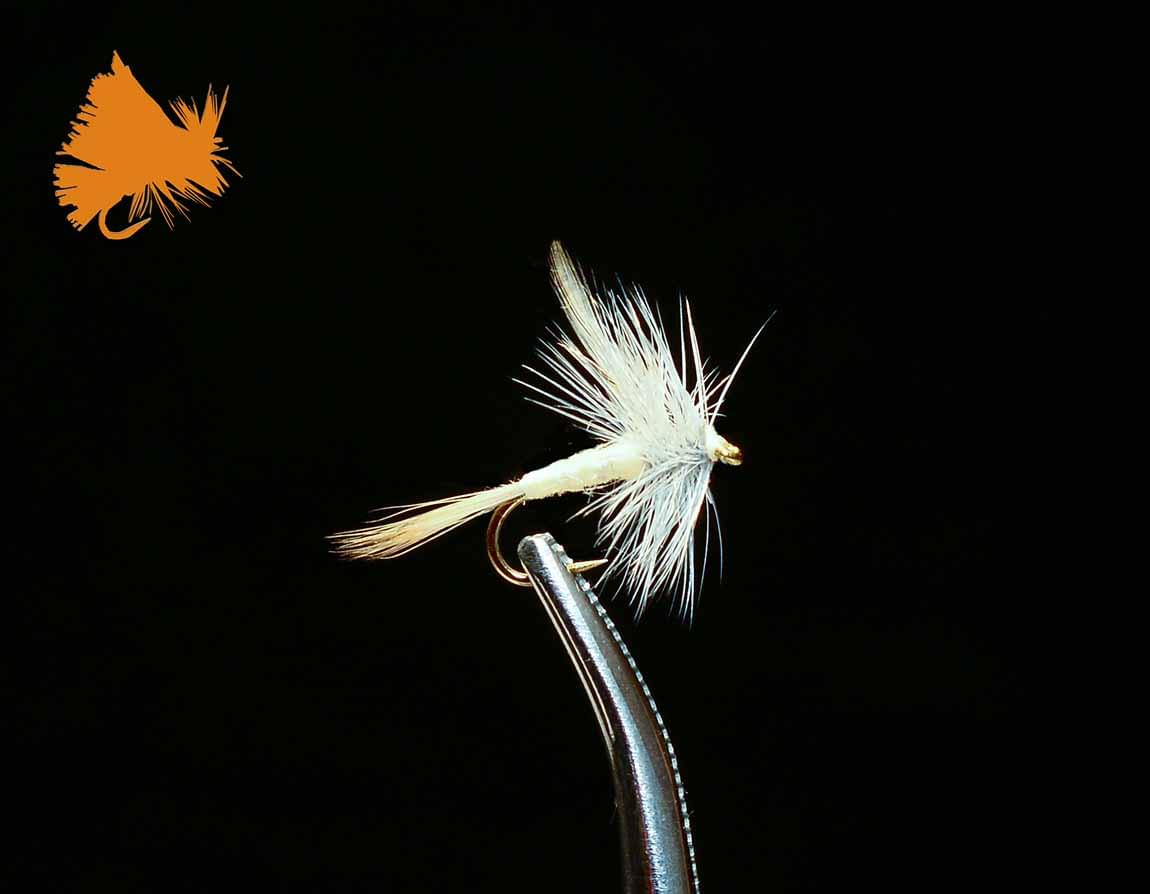

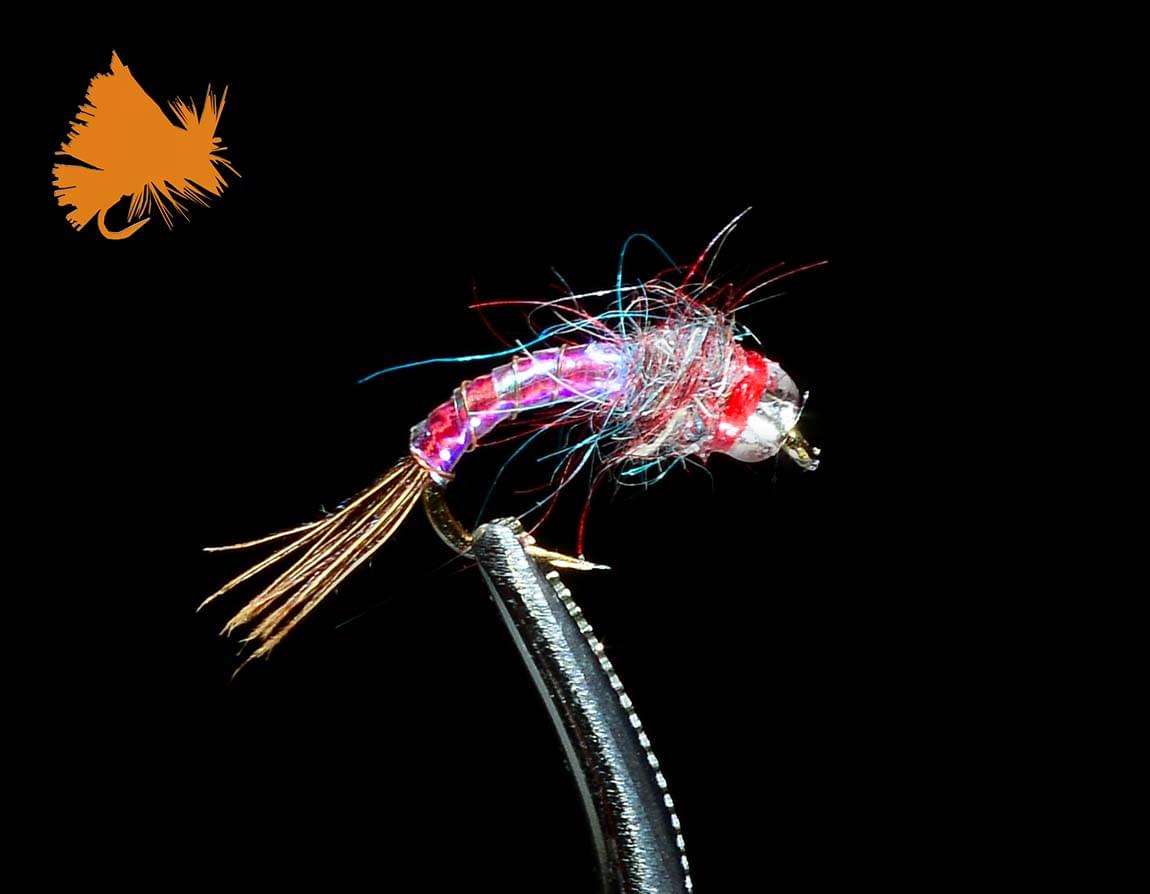

To start, I’ll name these four types of fishing flies from left to right, and tell you a little bit about them:
1. Imitative Fly Pattern – Thorax PMD. Looks very VERY similar to an adult pale morning dun fly. Still, while it’ll imitate a PMD extremely well, it won’t imitate any similar mayfly like a green drake or a baetis.
2. Impressionistic Fly Pattern – CDC Caddis Emerger. While this pattern is made to best imitate emerging caddis (makes sense, right?) it can also pass for an emerging mayfly that meets the size and color criteria.
3. Attracter Pattern – Rainbow Warrior. This is one of my all-time favorite flies because it’s just flashy enough to get the attention of most of the trout we’re after. I mean, just look at its outfit! With its pheasant tail, bright read thread, and shiny tinsel wrapped around rainbow dubbing, this fly could be going to the Oscars. In all seriousness, though, it can’t imitate nearly as many bugs as the Beadhead Hares Ear describe below, but it CAN imitate an emerging mayfly, or midge pretty well. For the most part, though, fish attack this fly because its looks intriguing OR it pissed them off!
4. Search Pattern – Beadhead Hares Ear. Ah, the famous Hares Ear! This is one of ur all time favorite search patterns, and a staple fly in a most angler’s fly boxes. In terms of this article, THIS is the sort of pattern that can benefit you as an angler NOW. Notice how the body is tied with errant hair coming out from all directions, and the overall profile and taper of the pattern is even from back to front. This allows the pattern to imitate stoneflies, mayflies, caddis and SO much more. Fish see this pattern and if it’s close to what they see and are eating in the water, they’re going to be all over it. Meaning, if you have this pattern, or a variation of this pattern in your fly box…odds are the trout are going to bite no matter the time of year, or the type of water you’re fishing.
All in all, search patterns, as well as impressionistic patterns, are going to be the flies with multiple variations that impersonate multiple insects well. As a result, they’re going to be the most useful in any scenario because impressionistic patterns, like the CDC Caddis Emerger, and search patterns, like the Beadhead Hares Ear, will be the patterns in your box that you can easily, quickly, and confidently pick when you’re out on the river.
Importantly, they’re also going to be the flies that you can make minimal changes to (dress up or dress down) to better imitate certain insect species. Add rubber legs to the Beadhead Hares Ear, and suddenly, it looks just like a stonefly to a hungry trout. Or, tie that same Beadhead Hares Ear in tan, olive, or black, and easily imitate a variety of caddis, mayfly, and stonefly nyphms. It’s that easy!
Now, let’s talk a little bit more about how these fly patterns/masters-of-disguise like the Hares Ear can benefit you:
Too Many Fly Patterns In Your Box = Confusion, Guaranteed
Let’s address this common issue
A Quick Note →
If all this mayfly, midge, caddis stuff is confusing you, we have a great series on learning the art of fly selection, as well as an entire course on fly fishing entomology. Check these out if you are feeling a little confused about what insects trout eat, and how to choose a quality, fish-catching fly from you box:
Match the Hatch Free Guide
Enter your email below, and even if you’re on our list already, you’ll receive our Fly Selection Mastery Series which contains 5 free lessons to help you fully understand the art of fly selection.
[wpam_subscribe plan=”5″]
Now, Let’s Talk about WHY having too many patterns in your fly box can harm you.
I’ll start with a common scenario.
Say you’re out on the river with four or five fly boxes ready to go in your backpack. Are these boxes full of flies? Yes. Do you have something that will work? Probably. Are they organized, and is it going to be easy to find the fly you need? Probably not. As a result of the clutter, you spend the first hour of your long-awaited fishing day fidgeting with the flies in your box, only to discover that the fly you tied onto your rig is imitative and doesn’t actually match the hatch. Two hours into your day, you still haven’t ripped any lips (que sad music).
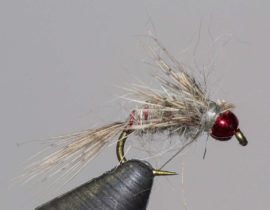 Now, if you had filled your box with multiple variations of the Beadhead Neverbug, you probably could’ve confidently tied a variation of this pattern that looked like the insects you’re seeing on the water, and caught a couple fish too. Touch dubbing used to create the head of the fly enhances its overall “buggy appearance” and allows it to imitate everything and nothing all at the same time. For the most part, though, we love to use the Beadhead Neverbug to imitate emerging caddis, mayflies, or stoneflies.
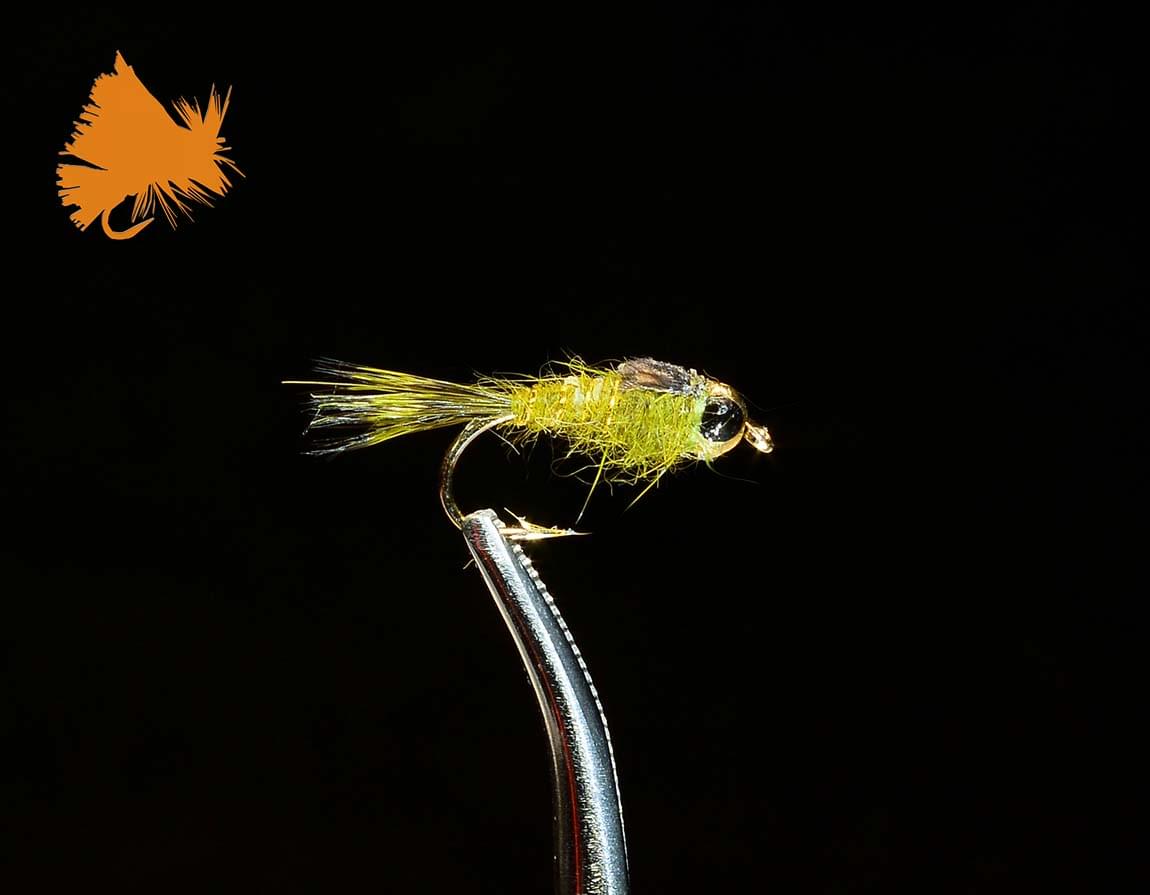
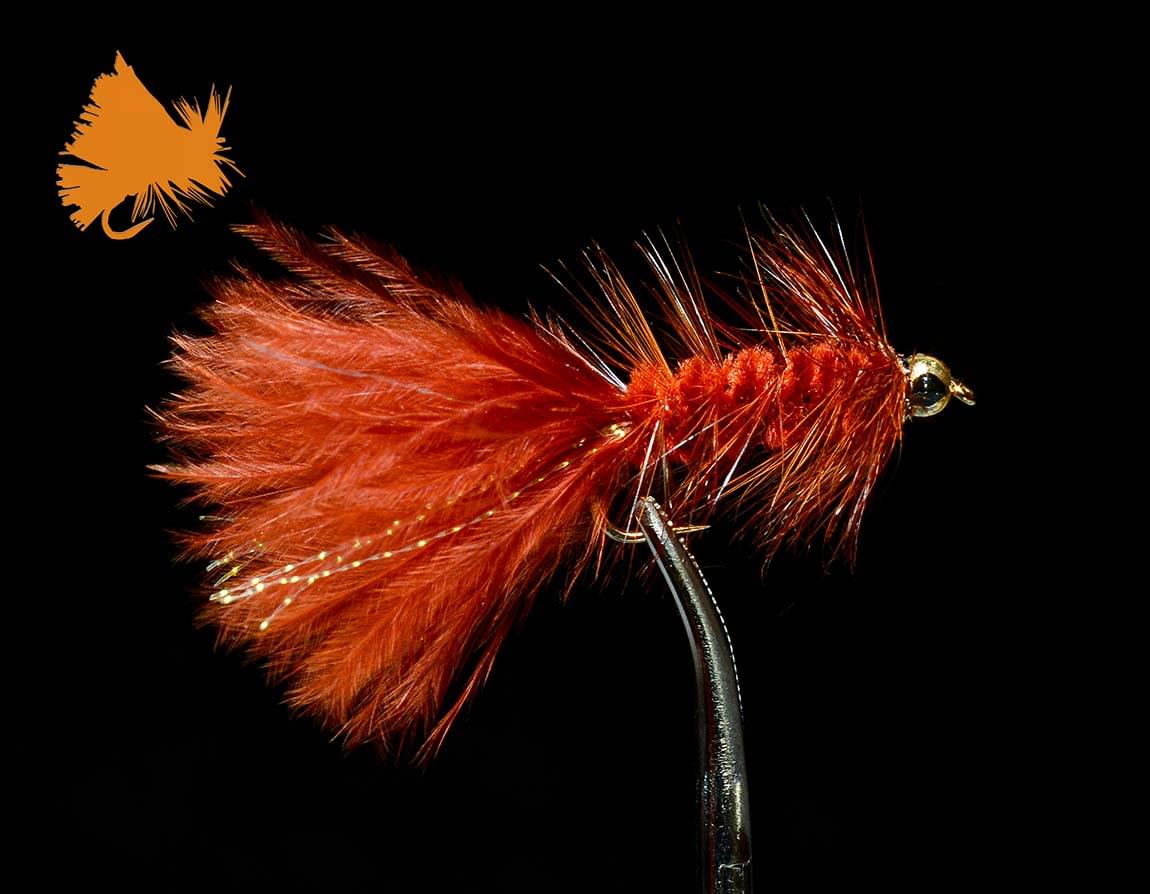
Here are a few more examples of search patterns that are great additions to any fly box. All of these have multiple variations that imitate several common insect species, that will in turn, help you to avoid selection confusion on the river:

Why Fewer Patterns Benefit You
Makes Fly Selection Easy. Gains Confidence. Catches More Fish.
Now, say you had filled your box with multiple variations of the same reliable pattern — like the Parachute Adams. If you aren’t familiar with this freaking awesome pattern already (shown above), the Parachute Adams is an awesome dry fly pattern that imitates a wide variety of aquatic-born insects during their adult stages (mayflies, midges, caddis, you name it).
So, if you see bugs floating on the river’s surface and aren’t entirely sure exactly what they are, you can probably mimic that insect using a parachute adams pattern of a similar color. Wham, bam — you’re fooling trout into thinking you’re presenting them with their preferred lunch, and as a result, they’re eating your fly.
We go into extreme detail on the Parachute Adams fly in my Top Trout Flies course, untangling the web that is understanding wildly effective patterns like this one. From that course, if you can fill your fly box with patterns that have multiple variations like the Parachute Adams, Hares Ear, Wooly Bugger…etc., your decisions on the river will be much easier.
With too many options comes too much compilation and a whole lot of confusion. Instead, simplify your life. Get impressionistic + search patterns that will work in a variety of scenarios. And, of course, spend MORE time with your fly actually in the water.
Like I mentioned before, we cover all of this in even greater detail in out Top Trout Flies Course, and if you’re on a mission to become an all-around better angler, I recommend you give it a read.
Until then, thanks again for tuning in.
Download our Catch and The Hatch Bug ID App
Need a little extra help identifying insects when you’re actually out on the river?
Follow the link to download our Catch and The Hatch Bug ID App! Using this fully-offline app, you can access the Bug ID function, your online courses, and purchase flies at the click of a button anytime, anywhere.
 KATIE GILBERT
 KATIE GILBERT
Want to Learn the Top 10 Flies
That REALLY Work Best?
Lifetime Access: $99.99

Fully Online | Self Paced | Lifetime Access
111 Pages | 100+ Fly Images | Seasonal Fly Charts
Top Trout Flies Course
13 Lessons | 100+ Pages
Seasonal Fly Charts
- Master the top 10 trout flies
- Always have the right fly
- Assemble the perfect fly box
- Catch fish faster
You’ll also get this with the Course
- $10 coupon for free flies
- FREE Fly Fishing Basics Lesson
- A PDF of the course for offline viewing (on request)
- FREE Access to our fly selection mastery series
- 50% Off our Online Entomology Course
