The eight best trout flies for summer are the Chernobyl Ant, Fat Albert, Half Chubby Chernobyl, Griffith's Gnat, Parachute Adams, Beadhead Pheasant Tail Nymph, Copper John, and CDC Caddis Emerger. That list is only useful, though, if you know which conditions call for which pattern. Summer is not one fishing situation – it is a sequence of changing light, food, water types, and fish behavior that shifts from morning to evening and changes again week to week. The sections below give you the framework to match each fly to the moment it actually belongs.

The 8 Best Trout Flies for Summer
How to choose flies as summer conditions change
Summer Fly Choice Starts With Conditions
Most fly lists hand you eight names and leave you to figure out the rest on the water. The problem is that the same river on the same week can require completely different approaches at 7 a.m., noon, and 7 p.m. Before you even think about which fly to tie on, you need to work through four questions.
What type of water are you fishing?
A small freestone creek and a tailwater behave differently even when they are a mile apart. Fast, broken freestone water is forgiving. Trout in riffles and pocket water are opportunistic, and a foam dry like the Chernobyl Ant or Fat Albert floating through a seam does not need to be perfect. Slower tailwater is another matter. Clear, flat water gives fish plenty of time to look at your fly, and they will refuse anything that drags even slightly.
What food forms are likely available at this time of day?
Terrestrials – ants, beetles, and hoppers – are summer's most consistent surface food. They fall into the water throughout the day, with activity picking up as the sun warms the streamside vegetation. Caddis are often most active in the evenings, with adults fluttering around the surface after emerging earlier. Midges hatch across all seasons and water types, often producing quiet sipping rises that anglers mistake for nothing happening. Mayflies, depending on your region, can show up in the morning or early evening windows.
How is the light, and how clear is the water?
Bright midday sun pushes fish out of exposed runs and into shaded lies – undercut banks, deep slots, and the shadows under overhanging brush. Low light in the morning and evening brings fish up and makes them more willing to commit to a surface fly. Clear, low summer flows also mean smaller flies and finer tippet on pressured water.
Are fish feeding on top, in the film, or holding deep?
If you see fish rising, the answer is obvious. If you do not, that is information too. Fish holding deep in midday heat are much more likely to respond to a subsurface nymph than a dry fly. The absence of surface activity is not a dead end – it is a signal to go under.
These four variables work together like a short checklist. Answer them before you rig up, and your starting fly selection will make sense instead of being a guess.
The Eight Flies and What Each One Solves
Foam Terrestrials and Attractor Dries
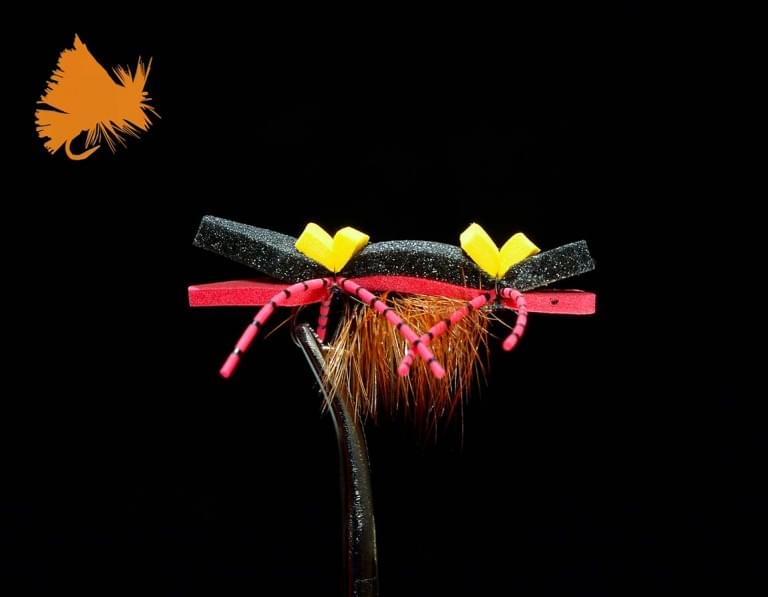
Chernobyl Ant
The Chernobyl Ant is the foundation of summer freestone fishing. Its foam body keeps it nearly unsinkable even with a nymph hanging off the bend, which makes it the go-to dry-dropper base when you want to cover both the surface and the water column at once. It imitates stoneflies and hoppers depending on size and color, and because terrestrials like ants and hoppers are present across so many river systems through June, July, and August, the Chernobyl Ant fits naturally into a wide range of conditions. Fish it on fast water where trout need to make quick decisions, and carry a few color combinations. Yellow and tan cover hoppers; black and brown cover ants and stoneflies.
Fat Albert
The Fat Albert is a dedicated hopper pattern built for the mid-to-late summer terrestrial window – July through September is when it earns its place in the box. The rubber legs add movement that other hopper patterns do not match, which is especially useful in slower water where trout have time to look. Foam construction keeps it floating high even when you attach a beadhead nymph below as a dropper. Brown trout in particular respond to the large profile and the action of those legs twitching in the current. If you are on freestone water with grassy banks and the sun is up, this is a sensible first choice.
Half Chubby Chernobyl
The Half Chubby Chernobyl fills a specific gap that the full-size foam patterns miss. When fish are noticeably shying away from large, splashy dries – or when you are fishing smaller mountain streams where the fish are simply not big enough to engulf a size 8 hopper – the Half Chubby Chernobyl gives you the same foam float and dropper-carrying ability in a smaller, quieter package. It works well as the top fly in a double-dry rig during the peak summer terrestrial season, trailing a smaller pattern like a Griffith's Gnat or a CDC Caddis Emerger below. Its months on record run June through September, squarely in summer's heart.
Parachute Adams
The Parachute Adams is the most versatile attractor dry on the list. It suggests a mayfly without committing to a specific species, which makes it useful anytime you see trout rising and cannot identify exactly what they are eating. The white parachute post is easy to track in low light and on fast water. Size it to match the approximate size of the naturals you see on the water – a size 14 or 16 covers most summer mayfly situations, but do not hesitate to go smaller on technical tailwater where fish have seen a lot of pressure.
Griffith's Gnat
The Griffith's Gnat belongs in every summer box because it solves a specific and frustrating problem: trout rising to tiny midges or clustering insects that you can barely see. When you spot soft, sipping rises in a flat or in a slow eddy and the fish refuse everything else, the Griffith's Gnat is usually the answer. Fish it as a single dry, or trail it off the back of a larger dry as a tandem setup. It imitates both individual midges and midge clusters depending on the size you tie on, and it floats better than most flies in its size range because of the palmered hackle construction.
Subsurface Patterns
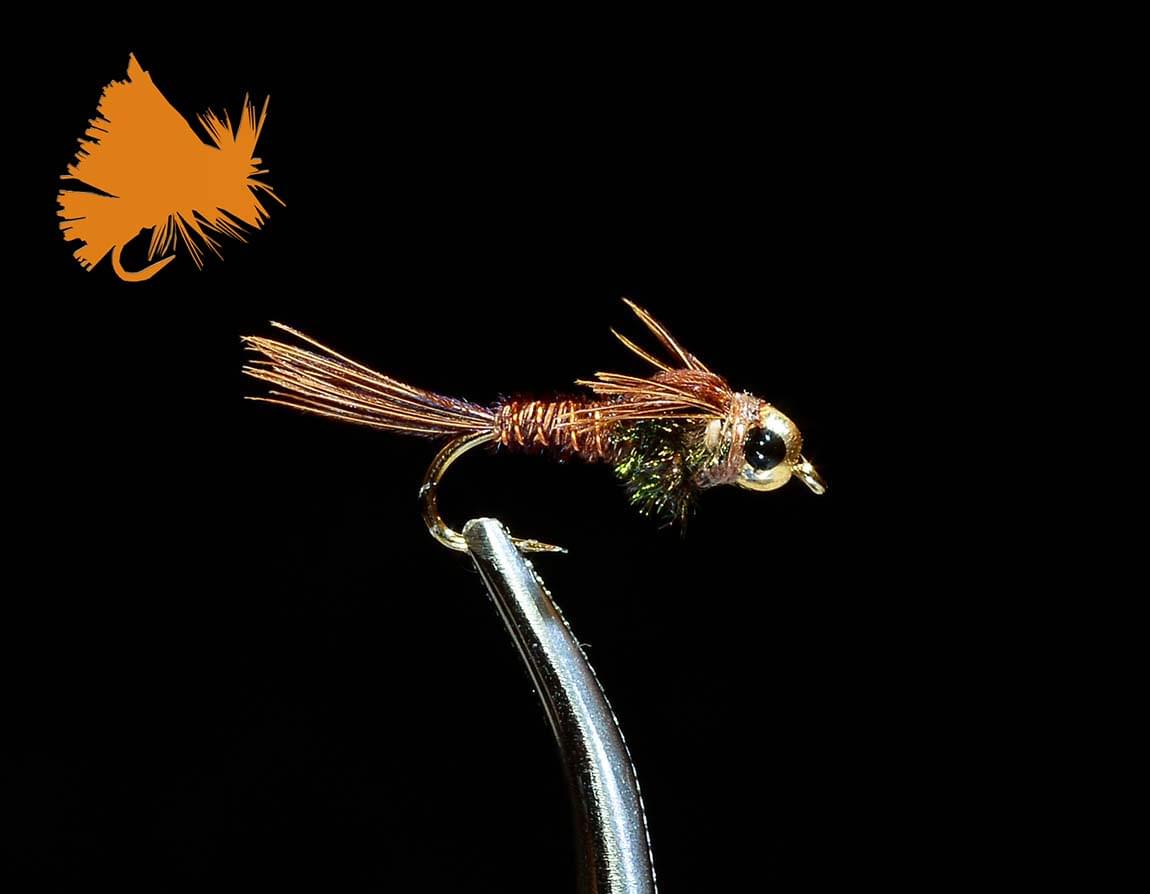
Beadhead Pheasant Tail Nymph
The Beadhead Pheasant Tail Nymph is the subsurface workhorse of this list. It imitates mayfly nymphs in a natural, slim profile that trout recognize across river types and seasons. In summer, when midday heat pushes fish off the surface, a Pheasant Tail trailing 18 to 24 inches below a foam dry or drifted under an indicator through deeper runs will produce fish that have completely ignored anything on top. The bead gets the fly into the strike zone quickly, which matters in faster pocket water. Natural brown pheasant tail works in most conditions; add a flashback version when you want a little extra draw in off-color water.
Copper John
The Copper John carries more weight than the Pheasant Tail and sinks faster, which gives it an advantage in deeper runs and heavy riffles where you need the fly to reach the bottom of the water column before drifting past the fish. The wire body and epoxy wingcase give it a flash and density that acts more like an attractor nymph than a strict imitation. In fast summer water where trout are opportunistic, that attractor quality works in your favor. Use the Copper John as the point fly in a two-nymph rig, with a lighter pattern like the Pheasant Tail riding above it at mid-depth.
Transition Fly
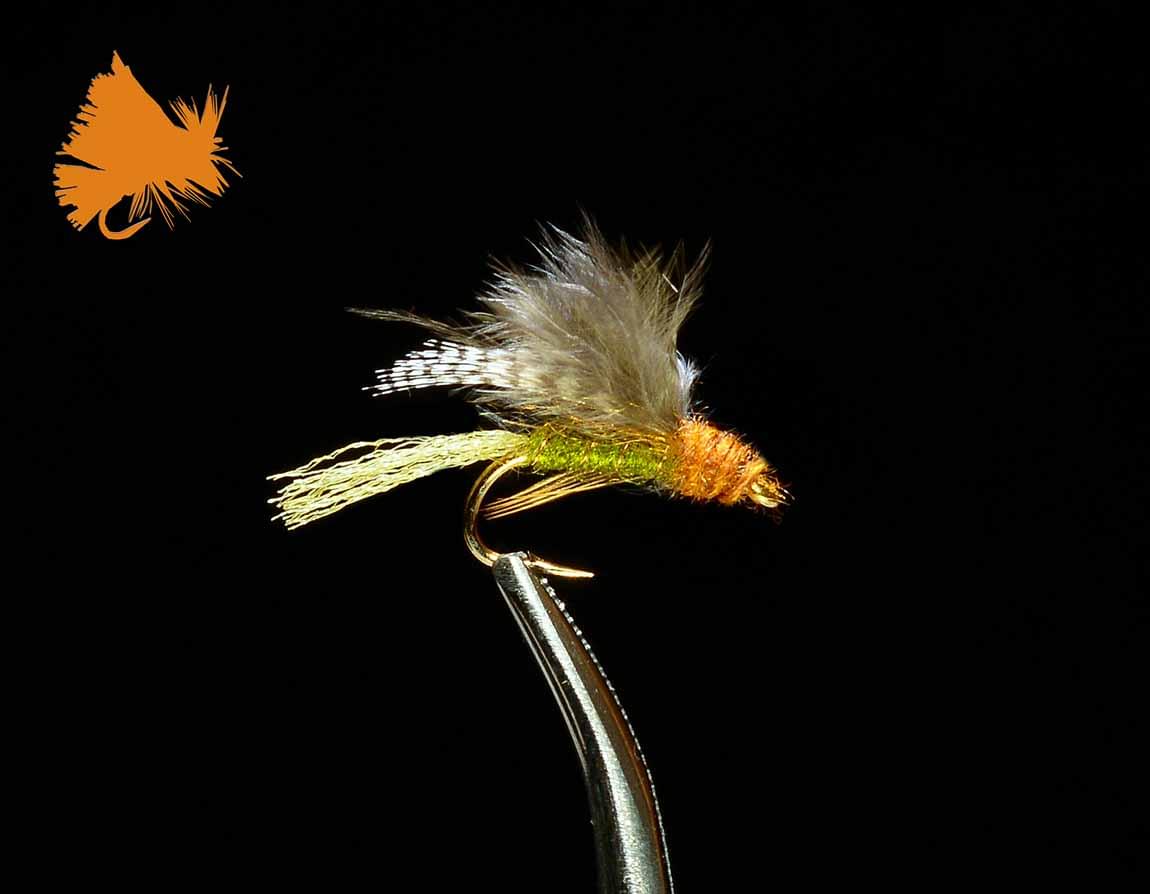
CDC Caddis Emerger
The CDC Caddis Emerger is the pattern for the transition moment between subsurface and surface activity, particularly during caddis activity. It sits in or just under the film, imitating a caddis pupa breaking through to the surface. Caddis are present across a wide range of freestone rivers through summer, with activity often concentrated in the evening hours. When you start seeing consistent surface disturbances that do not look quite like clean dry fly rises – more of a slashing or bulging motion – trout are likely taking emergers just below the surface rather than fully hatched adults. That is when the CDC Caddis Emerger outperforms a fully dressed dry. The CDC fiber wing traps air and helps the fly hang in the correct position without fully floating or sinking.
Build a First Plan for the Day
Before you rig up, run through four quick questions and let the answers point you toward a starting setup.
1. What type of water am I fishing today? Fast, broken freestone water favors foam dries and attractor nymphs. Slow, clear tailwater demands smaller flies and precise drifts.
2. What food is likely active at this time of day? Morning before the sun hits the water: think midges and whatever leftover caddis activity carried over from the evening. Mid-morning through early afternoon on a freestone stream with grassy banks: terrestrials are your baseline. Evening: caddis emergers and mayfly activity depending on your river.
3. How bright is the light and how clear is the water? Full sun and gin-clear water pushes toward smaller flies, less conspicuous patterns, and presenting to shaded holding water. Overcast conditions and a bit of color in the water allows bigger, more visible patterns to work.
4. Are fish visible or giving any signals? Rising fish tell you to match the surface. No visible fish activity in midday light tells you to go subsurface.
A practical starting rig for a summer freestone morning: Chernobyl Ant or Fat Albert on top as the dry and indicator, Beadhead Pheasant Tail Nymph or Copper John as the dropper, spaced roughly 18 inches below. That covers the surface and the water column in one cast. Adjust from there based on what you see.
A Worked Example From Morning to Evening
Imagine a small freestone stream in the mountains – a creek with clear water, broken riffles, undercut banks, and a mix of brook and brown trout. The insect suite on water like this typically includes ants, beetles, caddis, hoppers, stoneflies, and a morning and evening mayfly presence. Here is how the day might reasonably unfold.
Early Morning
You arrive at first light. The water is clear, the air is cool, and there is no surface activity yet. The fish are likely holding in feeding lanes in the riffles and at the heads of pools. Start with a Chernobyl Ant as your dry-dropper base and attach a Beadhead Pheasant Tail Nymph below it. You are not expecting the Chernobyl to get many takes yet – it is functioning more as a floating indicator while the Pheasant Tail does the work. Cast to the seams at the edges of riffles and the deep pockets behind mid-stream boulders. Work systematically upstream.
Mid-Morning
The sun has been on the water for an hour and you start seeing occasional rises. A few small brown trout are working the surface near overhanging brush on the far bank. You switch the Pheasant Tail out and try a Parachute Adams as a second dry behind the Chernobyl Ant, or simply fish the Adams alone to those rising fish. The key is a drag-free drift that carries the fly along the exact current lane where you saw the rise. If the fish refuse the Adams but keep rising, downsize to a Griffith's Gnat. That change alone will often convert a frustrating series of refusals into takes.
Midday
The sun is high, the air is warm, and surface activity has dropped off. The fish have moved into shaded water – the undercut banks, deeper pools, and any pocket behind large rocks that gets shade from the canyon walls. This is the time to ditch the dry-dropper and go heavier. Rig the Copper John as your lead fly and trail the Pheasant Tail 12 inches behind it. Get both flies deep into the shaded holding water. Your presentations will be shorter and more targeted than the morning drifts – you are putting the fly in front of specific fish, not searching the whole run.
Hoppers also start making sense as the afternoon heats up, especially on streams with grassy banks. Switch to the Fat Albert on the surface and let it drift along the bank with a natural thwump. Brown trout that have been sulking in the shade since noon will sometimes blast a Fat Albert that lands close to the bank.
Evening
As the light drops and the shadows lengthen, fish begin working the water again. Caddis are often the story in the evening on freestone streams. You start seeing winged adults dancing above the surface and disturbance patterns that are more aggressive than the morning sipping. Tie on the CDC Caddis Emerger and fish it in the film, especially in the softer current at the tail of pools where fish can hold and pick off emerging caddis at their leisure. If you see good surface activity and cannot tell whether fish are taking emergers or adults, put a Parachute Adams on and watch the rise form carefully. A slow, deliberate sip often means emerger. A splashy, aggressive take often means the fish went for an adult.
As the light fades completely, a Griffith's Gnat in a size 18 fished in the flat water below a riffle can produce some of the best dry fly action of the day on midge-heavy water.
How to Change Flies Without Guessing
Three failure signals tell you what to adjust. Learning to read them saves you from blind searching.
Drag
If you are not getting takes but feel like your fly and water type should be working, check your drift before you change flies. A dry fly dragging across the current leaves a visible wake and is almost always refused. An indicator moving at a different speed than your nymph puts your subsurface fly in an unnatural position. Fix the drag with a better cast angle, a reach mend, or a shorter drift before you change the pattern. Most of what looks like a "wrong fly" problem is actually a presentation problem in disguise.
Consistent refusals on a dry
If fish are rising to your fly and repeatedly refusing it, the problem is usually size or profile, not color. Try the next size smaller first. A size 16 Parachute Adams to a size 18 is often all it takes. If refusals continue, consider whether fish are actually eating in the film rather than on top – swap the dry for a CDC Caddis Emerger fished just beneath the surface, or try the Griffith's Gnat for fish keyed onto tiny midges.
Missed strikes on top
If fish are moving to your dry but missing it, or you are feeling light taps on your dry-dropper rig that do not connect, the fish may be taking the nymph rather than the dry. This is a common situation in summer when subsurface feeding and surface curiosity happen at the same time. Adjust the depth of your dropper, or switch to the Beadhead Pheasant Tail on a longer tippet to put the fly right in front of where the fish are actually holding.
The general rule: before you change flies, confirm your drift is clean. Then adjust size before you adjust pattern. Then adjust depth before you change the fly family entirely.
Trout University
The Best Way to Master Fly Fishing for Trout
Everything you need to learn how to fly fish for trout.
From fly selection to presentation and location, all in one place.
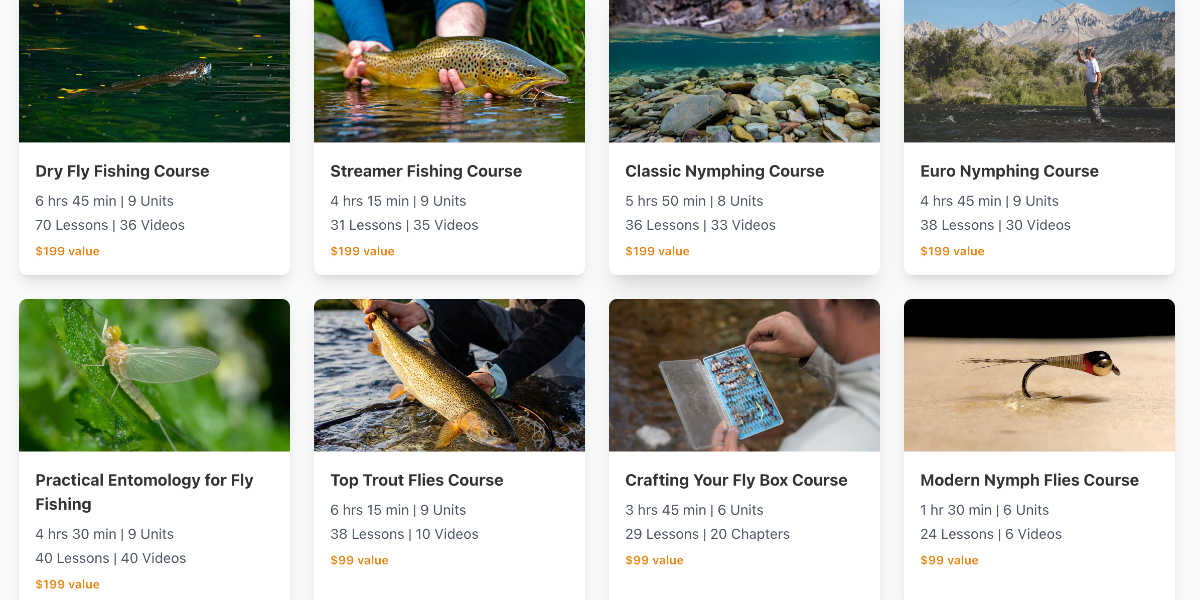
8 Premium Courses
~1,600 Pages & 30+ hrs of Video covering the most important topics
15 Video Classes
1-2hr Power Classes on Key Subjects and solidify your learnings
6 Streamside Courses
10+ Hours of Fishing to See Our Methods in Action
Recommended Reading
Summer fly selection connects directly to what trout are actually feeding on when there is no obvious hatch. If you want to understand the between-hatch periods better, What Do Trout Eat Between Hatches? is a good place to dig in.
If the eight-fly list raises the question of how much you really need to carry on any given day, How Many Trout Flies Do You Really Need? works through that decision practically and without overcomplicating it.
If you want to build a deeper understanding of which patterns earn a permanent place in your box, how to size and modify them across seasons, and why certain designs outperform others in specific conditions, the Top Trout Flies Course walks through exactly that. And if you want a full learning path that covers fly selection alongside reading water, presentation, and the rest of the decision-making process, Trout University brings all of it together in one place.