
How to Classic Nymph: The Fundamentals Most Anglers Never Learn
Why Classic Nymphing Is the Most Important Skill You Can Build
You already know how to nymph. You’ve got an indicator on the line, a couple of flies below it, and you’re catching fish. Some days are good. Some days are slow. That feels normal.
Then you notice the angler fifty yards downstream. Same stretch of river. Same conditions. Probably similar flies. And that person is hooking up every few minutes while you’re watching your indicator drift past for the twentieth time without a twitch.
What’s different? It’s not luck. It’s not a secret fly. It’s that classic nymphing fundamentals run much deeper than most anglers ever learn. The gap between “I indicator nymph” and “I nymph with precision” is where most of the fish live. And most anglers never close that gap because they don’t know it exists.
The difference between catching fish occasionally and catching fish consistently isn’t talent. It’s system. This guide covers the classic nymphing fundamentals most anglers skip, and shows you what a complete nymph presentation system actually looks like.
If you want to build a complete nymphing system from the ground up, our Classic Nymphing Course walks you through every layer with video instruction and real-water examples.
Before we get into the mechanics, it’s worth understanding why this technique deserves more of your attention than almost anything else in fly fishing.
Trout feed subsurface 80 to 90 percent of the time. That number gets repeated so often it starts to lose its punch, but sit with it for a moment. If you spend most of your time fishing dry flies because they’re exciting (and they are), you’re voluntarily ignoring the feeding window that accounts for the vast majority of a trout’s diet. Classic nymphing puts your fly where the fish actually are, not where you can see the action.
It works every season, every river, every condition. Unlike dry fly fishing, which requires the right hatch at the right time, indicator nymphing produces year-round. Cold water in January. Off-color water after a storm. Post-runoff in June. Mid-winter tailwaters. When location and fly selection are right, a clean nymph drift is what closes the deal.
It’s the gateway to everything else. The skills you build in classic nymphing transfer directly to euro nymphing, dry-dropper fishing, and even streamer presentations. Understanding depth control, drift management, and strike detection makes you a better angler across every technique. If you want to improve at fly fishing broadly, start by getting your nymphing dialed in.
Learn To Nymph
The Right Way
Access step-by-step expert instruction, immersive visuals, and lifetime access.
- 8 Units & 36 Lessons (66 Chapters)
- 30+ HD Videos
- Learn the most reliable way to catch fish
- Learn strategy, rigging, casting, drift, landing and more
- Lifetime access & coupons for over $225 in savings
- Take at your own pace – easy to read and remember
Classic Nymphing Gear: What to Use and Why It Matters
Let’s keep this practical. The goal isn’t a gear review. It’s showing you how each gear choice directly affects your nymph presentation.
The rod and line. A standard 9-foot, 5-weight rod is the workhorse for indicator nymphing, and most anglers already own one. Pair it with a weight-forward floating line. What matters more than the specific rod or line is how you manage that line on the water, which we’ll cover in the drift section below.
The indicator. This is the most important and most misunderstood piece of the classic nymphing system. Yarn indicators (like the New Zealand Strike Indicator) offer the best sensitivity and adjustability. Plastic indicators like Thingamabobbers float well and require less maintenance but sacrifice sensitivity. Foam indicators land somewhere in between.
Here’s the critical point most anglers miss: indicator placement is not a set-and-forget decision. It changes with depth and current speed constantly. A general starting point is to set your indicator at roughly 1.5 times the depth of the water you’re fishing. In slow water, 1.25 times is closer. In fast water, you may need up to 3 times the depth. If you set it once and fish it all day, you’re out of the strike zone more often than you’re in it.
Weight (split shot or tungsten putty). Split shot is how you control depth. Most beginners use too little weight and spend their entire session fishing above the strike zone without realizing it. The bottom contact principle is your guide: if you’re occasionally ticking the bottom (roughly once every ten drifts), you’re in the zone. If you never touch bottom, add weight. If you’re snagging every few casts, lighten up.
Flies. Two-fly rigs are standard and legal in most waters. The heavier anchor fly does the sinking. The lighter trailing fly does the imitating. Together, they cover two depth zones and two insect types simultaneously.
If you want a proven starting point for your nymph box, the Top Nymph Assortment covers the patterns that produce across seasons and water types, so you can focus on presentation instead of wondering if you have the right fly.
How to Rig a Classic Nymph Setup (Step by Step)
Most “how to nymph fish” articles show you the basic rig and call it done. That’s like showing someone a golf club and saying “hit the ball.” The rig matters, but understanding the logic behind every decision is what separates anglers who catch fish from anglers who just go through the motions.
The basic rig, top to bottom: Fly line connects to a 9-foot tapered leader (4X or 5X works for most trout water). Add a tippet section below the leader. Attach your indicator. Below the indicator, add split shot. Below the split shot, tie on your anchor fly. Below the anchor fly, add another section of tippet, and tie on your trailing fly.
The Depth Equation
This is where most anglers get it wrong, and it’s the single biggest reason people fish all day without catching much.
- Indicator to split shot distance should roughly equal the depth of the water you’re targeting, multiplied by the speed factor (1.25x for slow, 1.5x for medium, up to 3x for fast water)
- Split shot to anchor fly: 6 to 12 inches
- Anchor fly to trailing fly: 12 to 18 inches
If any of these distances are wrong, you’re not in the strike zone regardless of what fly you’re fishing. A perfect Pheasant Tail nymph drifting two feet above the fish catches exactly zero trout.
Adjusting the Rig for Different Water
Here’s the habit that separates good nymphers from great ones: re-evaluate your depth every time you move to new water.
Shallow riffles and deep runs require completely different setups. The mistake most anglers make is setting the rig once at the truck and fishing it unchanged all day. When you walk from a 2-foot riffle into a 5-foot run, your rig needs to change. When you move from slow water to fast water, your weight needs to change. This constant adjustment is not optional. It’s the core of the technique.
Tippet Diameter and Material
Tippet size affects more than just breaking strength. It affects sink rate and how naturally your fly moves in the current. Fluorocarbon sinks faster than monofilament and is less visible underwater, making it the preferred material for nymphing tippet. Match your tippet diameter to your fly size: larger flies (sizes 10 to 14) tolerate 4X, while smaller flies (sizes 18 to 22) need 5X or 6X for a natural presentation.
Do I Really Need to Adjust My Rig That Often?
Yes. And here’s why.
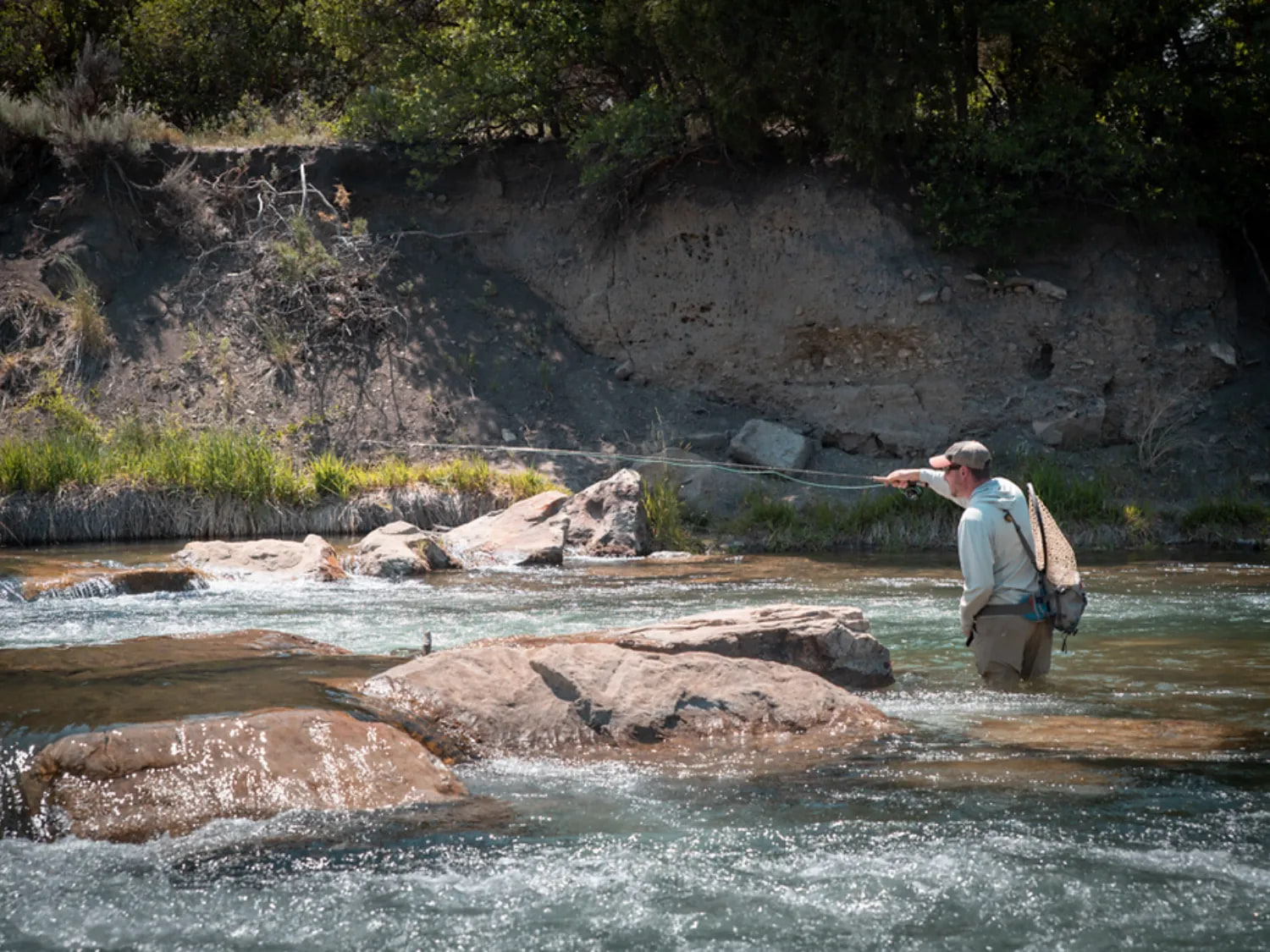
Think about it this way. A river is not one uniform body of water. Within a single 100-yard stretch, you might encounter a 4-foot-deep run, a 1-foot riffle, a 6-foot pool, and a seam where fast and slow water meet. Each of those water types has different depth, different current speed, and different fish behavior.
If you fish the same rig through all four, you’re only optimized for one of them. In the other three, you’re either too shallow (flies floating above the fish), too deep (snagging constantly), or dragging unnaturally because your weight doesn’t match the current.
The anglers who catch the most fish treat rig adjustment as a continuous process, not an interruption. Move your indicator. Add or remove a split shot. It takes thirty seconds and can be the difference between a two-fish day and a twenty-fish day.
The Classic Nymph Drift: Where Fish Are Won and Lost
This is the heart of classic nymphing fundamentals, and it’s where the real gap between casual and consistent anglers reveals itself. Most anglers cast and watch. A complete drift system involves a series of micro-decisions happening during every single presentation.
The Cast and Entry
Cast upstream at roughly a 45-degree angle. Your flies need time to sink before they reach the strike zone, so casting directly across or downstream means your flies never get deep enough before the drift is over.
Entry angle matters. A hard, splashy entry spooks fish and delays the sink. The goal is a quiet entry where the flies land, begin sinking immediately, and reach depth before they reach the fish. Think of it as under-powering your cast slightly so the rig lands softly.
Mending: The Most Underrated Skill in Nymphing
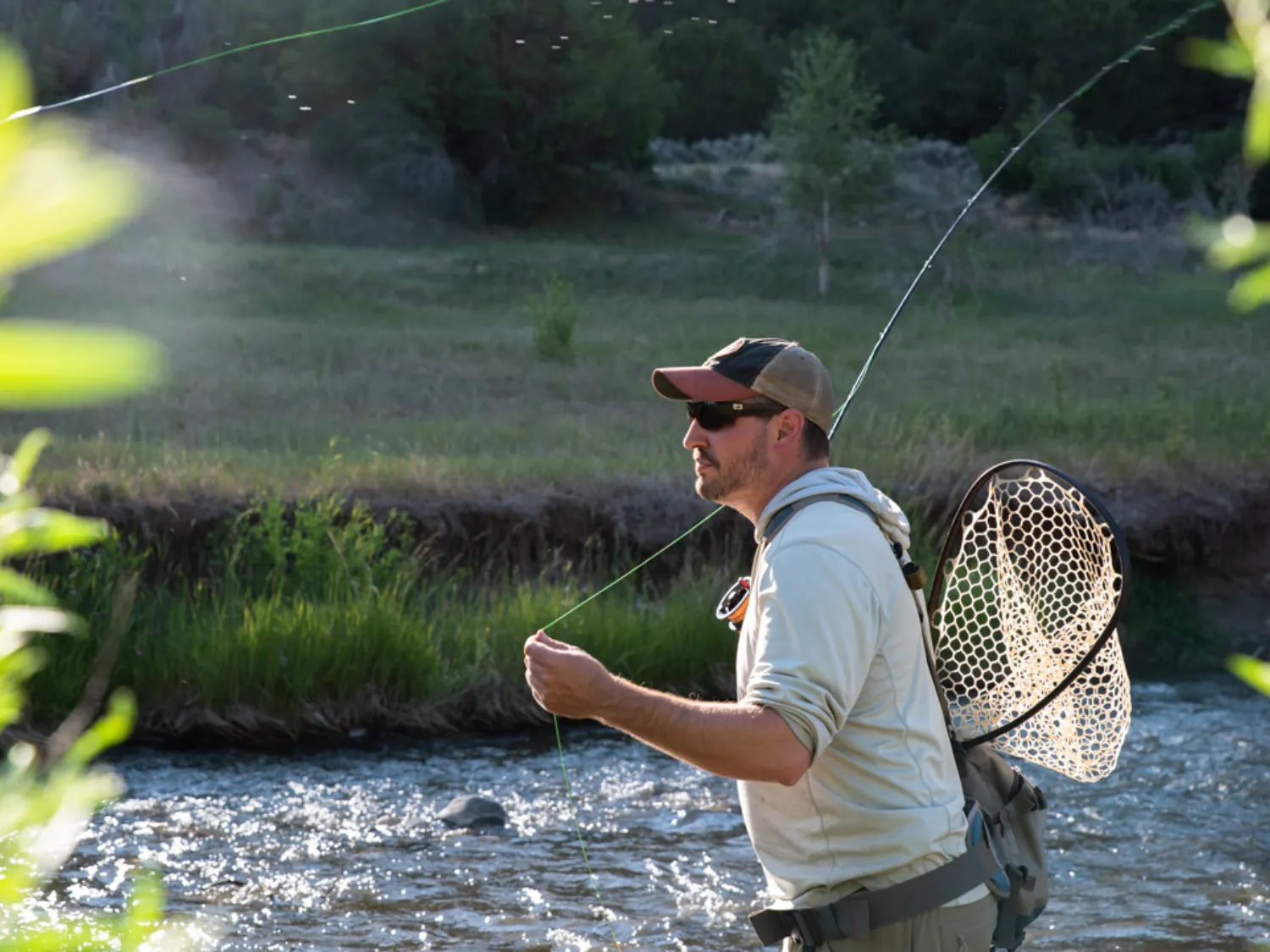
Mending is repositioning the fly line on the water to control drift speed. Without mending, the fly line bows downstream faster than the flies, creating drag that makes your nymph move unnaturally. Trout notice this. They refuse it.
The upstream mend: Immediately after the cast, flip the line upstream. This buys drift time and lets your flies sink without being pulled by the line.
Stack mending: Multiple mends during a single drift to extend the natural presentation. Each mend resets the clock on drag.
Most anglers mend once and think they’re done. The best nymphers are mending constantly. It’s an active skill, not a one-time adjustment. If you watch a really good nymph angler, their rod hand is almost never still during a drift.
Trout University
The Best Way to Master Fly Fishing for Trout
Everything you need to learn how to fly fish for trout.
From fly selection to presentation and location, all in one place.
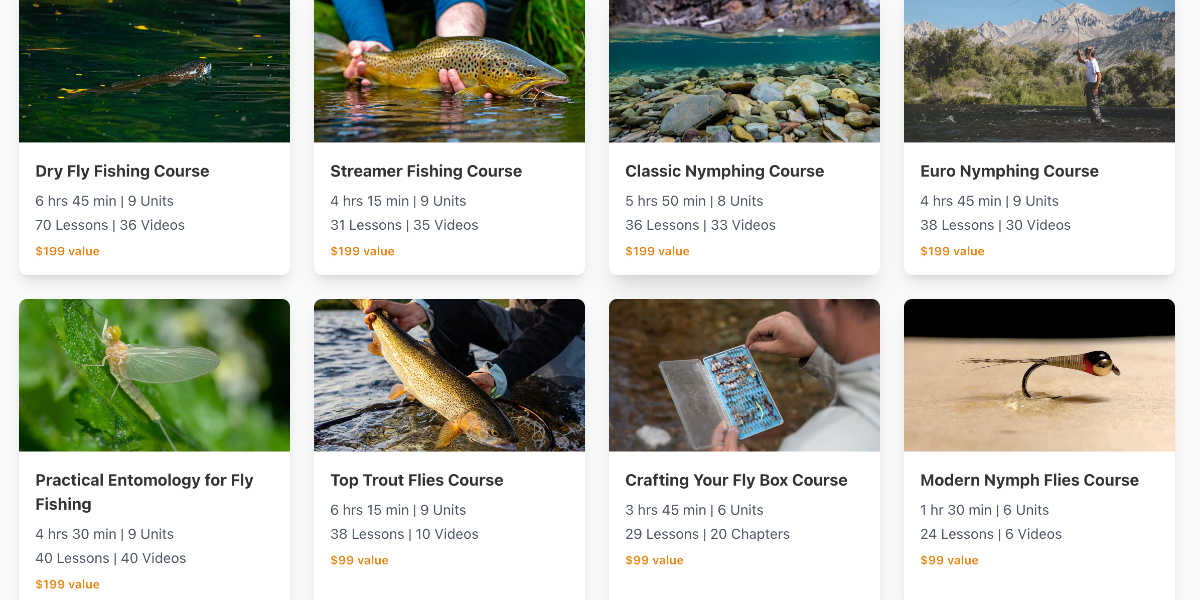
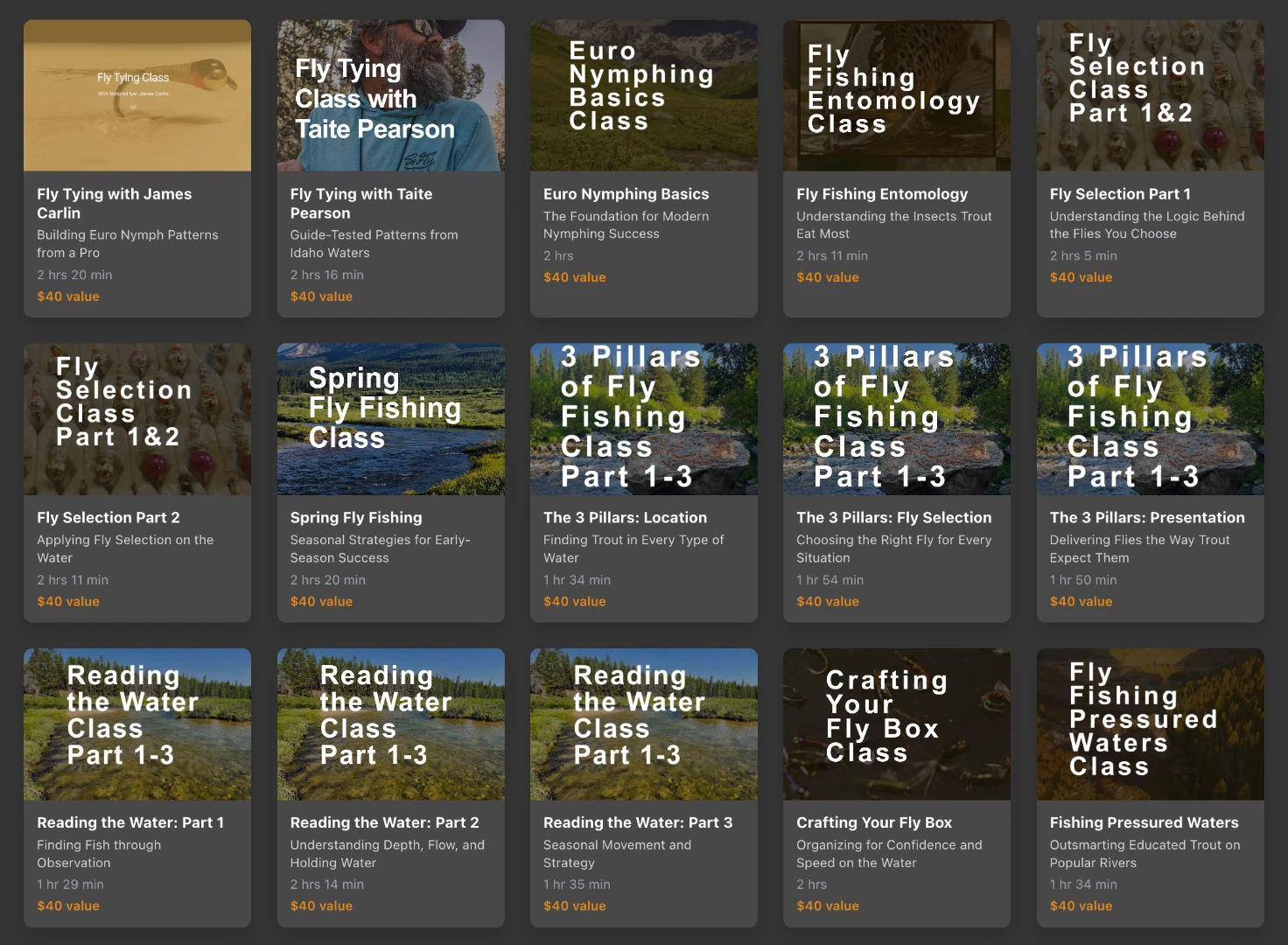
8 Premium Courses
15 Video Classes
1-2hr Power Classes on Key Subjects and solidify your learnings
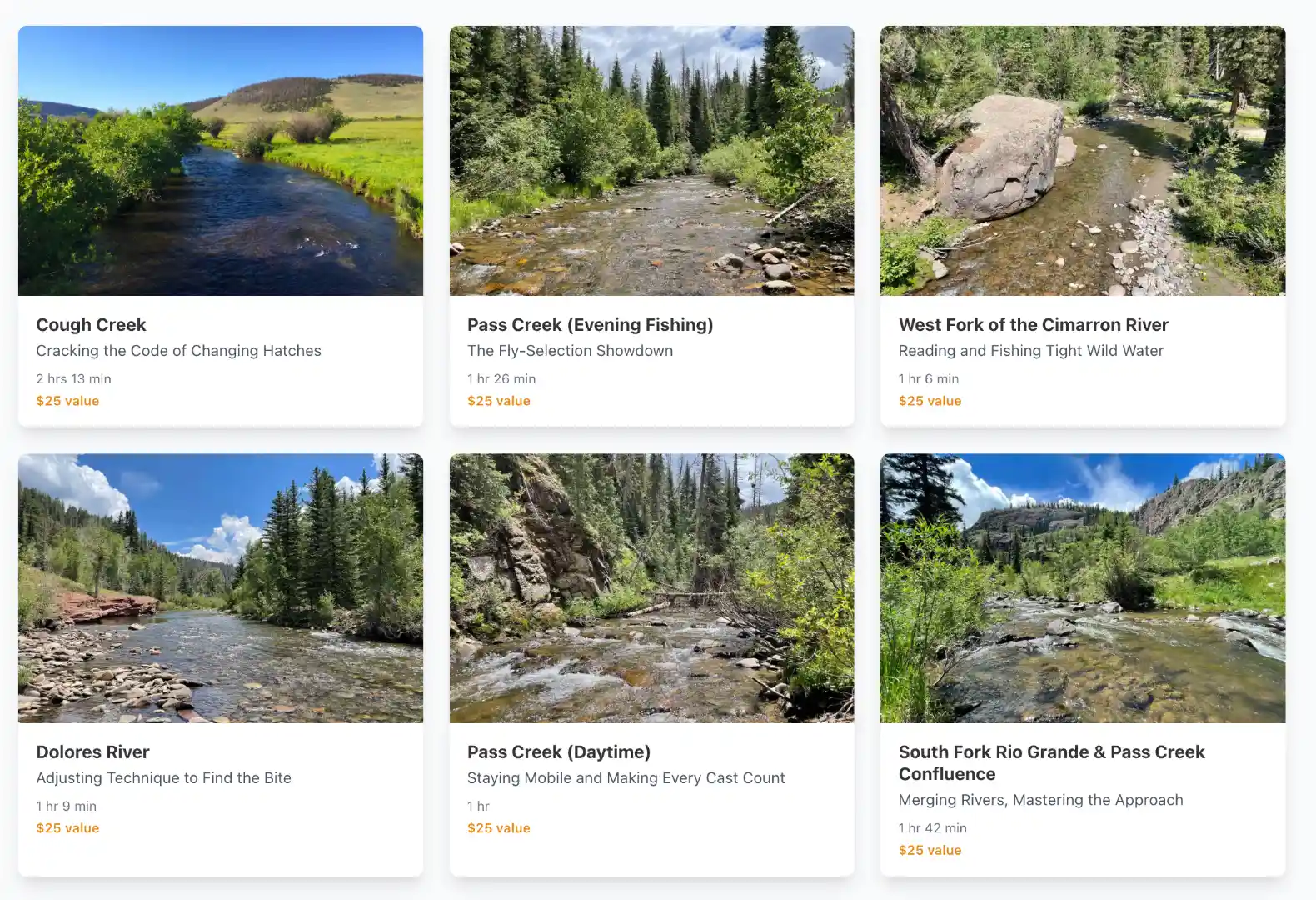
6 Streamside Courses
10+ Hours of Fishing to See Our Methods in Action
No Credit Card Required or Auto Renewal
Reading the Indicator
A good drift looks like this: the indicator moves at current speed with a slight downstream angle. No skating. No dragging. No sudden acceleration.
Here’s what to watch for:
- Indicator stops suddenly: Set the hook. This is the most common take signal.
- Indicator dips below the surface: Set the hook. A fish pulled it down.
- Indicator moves upstream: Set the hook. This is rare but unmistakable.
- Indicator accelerates unnaturally: Set the hook. Something grabbed the fly and moved.
The rule is simple: when in doubt, set the hook. Hook sets are free. The cost of a missed set is zero. The cost of a missed fish is the whole point of being out there. Pretend there is no bottom and there are no rocks. If that indicator does anything unexpected, set the hook.
The Hookset
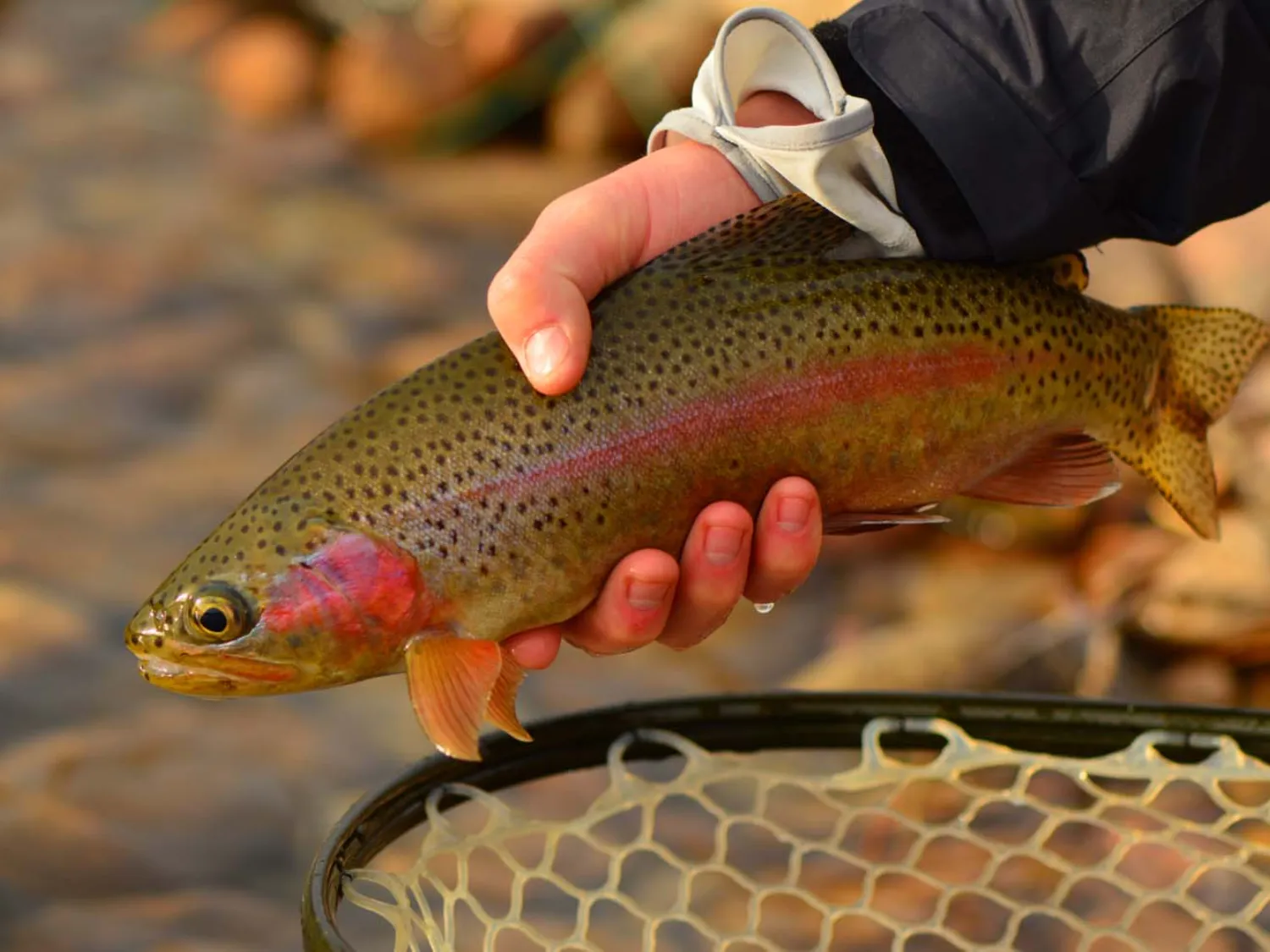
Set the hook upstream and to the side, not straight up. A straight-up set pulls the fly out of the trout’s mouth. A side set drives the hook point in. Speed matters because indicator nymphing takes can be subtle and brief. After the set, maintain tension and let the fish run. Don’t horse it.
Drift Length and Reset
Fish a drift all the way through. Don’t pick up early. Many takes happen at the end of the drift as flies swing and rise in the water column, imitating emerging insects. Stopping your rod tip at the end of the drift causes the flies to lift, and this often triggers a strike from fish that were watching but not committing.
Reset efficiently. Pick up, recast, and get back in the zone quickly. Every second of good dead drift matters, and time spent false casting is time your flies aren’t fishing.
Where to Fish: Reading Water for Classic Nymphing
Classic nymphing is a presentation technique, but it only works if you’re in the right water. Location and presentation are inseparable.
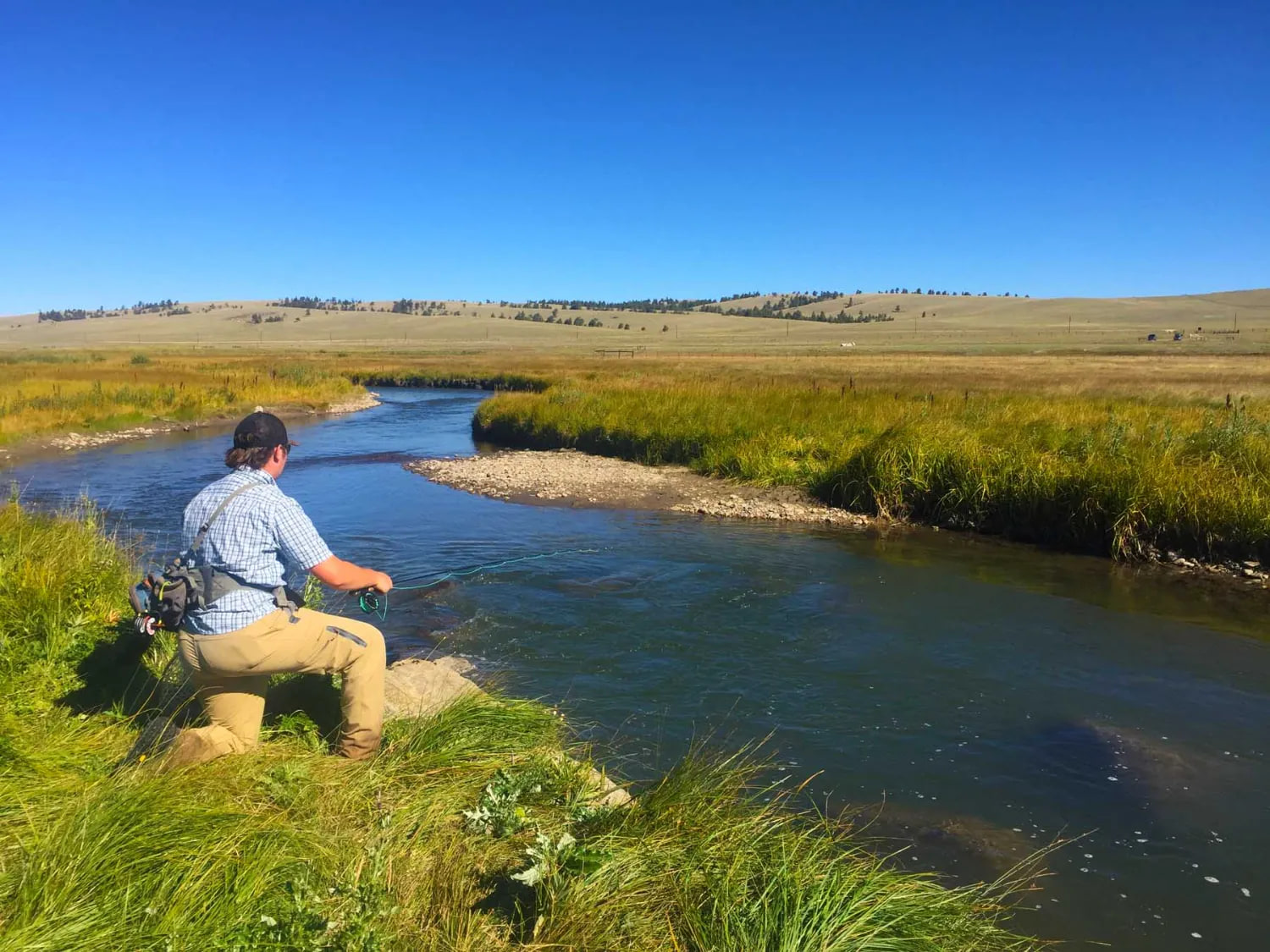
Runs are the bread and butter of indicator nymphing. Consistent depth, moderate current, uniform flow. This is where you’ll catch the most fish on most days.
Riffles are shallower and faster. They require lighter weight, a shorter indicator depth, and shorter drifts. Fish move into riffles when oxygen is low or when insects are emerging.
Pools and tailouts hold fish deep in slower water. Heavier weight, longer leader, and patience are required. Tightline techniques sometimes outperform indicators in very slow water because the indicator creates drag.
Seams are where fast and slow water meet. These are prime feeding lanes. Trout stack along seams because food funnels through while the fish can hold in slower water with less effort.
Seasonal Location Adjustments
- Winter and early spring: Fish hold deep and slow. Weight up, slow down, target the deepest available water.
- Spring and runoff: High water pushes fish to edges and slower pockets. Adjust your position accordingly.
- Summer: Fish move to oxygenated riffles and faster water. Lighter rigs, shallower depth.
- Fall: Fish become more aggressive and predictable. Runs and seams produce consistently.
The Location Diagnostic
Before you cast, ask yourself one question: do I actually believe feeding fish are here?
If the answer is no, move first. Don’t just change flies. Location is always diagnosed before presentation, and presentation before fly selection. This diagnostic order saves more fishing time than any other single habit.
Choosing Nymph Flies: The System Behind the Selection
The Two-Fly Logic
Your anchor fly is heavy, visible, and gets the rig to depth. Pheasant Tail nymphs, Hare’s Ear nymphs, and stonefly patterns all work well in this role. Your trailing fly is lighter, more imitative, and does the actual work of fooling fish. Midge patterns, small BWO nymphs, and caddis larvae are common trailing flies.
Two flies double your coverage of insect types and depth zones simultaneously.
The Seasonal Starting Point
- Winter: Midges and small BWO nymphs in sizes 18 to 24. Dark and subtle.
- Spring: BWOs, caddis larvae, small stoneflies in sizes 14 to 18.
- Summer: Larger stoneflies, PMDs, caddis in sizes 10 to 16.
- Fall: Baetis nymphs and midges returning in sizes 16 to 22.
When Fly Selection Actually Becomes the Problem
Most anglers blame the fly first. But location and presentation are almost always the real issue. The diagnostic order is: location, then presentation, then fly selection. When you’ve confirmed fish are there and the drift is clean, then start changing flies.
Knowing which fly to change to, and why, requires understanding what’s actually drifting in that river at that time of year. That’s entomology, and it’s the difference between educated guesses and confident decisions.
Why Most Anglers Plateau with Classic Nymphing
See if any of these sound familiar.
- Not enough weight. Fishing above the fish all day, wondering why nothing is happening. You never touch bottom, so you’re never in the zone.
- Set-and-forget indicator depth. Never adjusting as water depth changes. Consistently out of the strike zone without knowing it.
- One mend and done. Line bows, flies drag, fish refuse. You think the fly is wrong. The drift is wrong.
- Changing flies before fixing the drift. The fly isn’t the problem. The presentation is. But it’s easier to tie on a new pattern than to honestly evaluate your drift quality.
- Missing subtle takes. Watching the water instead of the indicator. Setting too slow when the indicator pauses.
- Fishing the same water type all day. Not adjusting location as conditions change. Staying in one hole for an hour when the fish moved to riffles two hours ago.
Every one of these mistakes has the same root cause: fishing without a complete system. You know what to do, but not always why or when. That’s the gap most anglers never close.
Putting It All Together: The Three Pillars of Classic Nymphing
Everything in this article connects to three pillars.
Location: Reading water to find where fish are holding and why, before a single cast. Diagnosing whether you’re in productive water before blaming your flies.
Presentation: The complete drift system. Rig setup, depth control, mending, indicator reading, hookset. This is where classic nymphing lives.
Fly Selection: The educated, sequential process of choosing what’s on the end of the line based on what’s actually in the river.
When a day isn’t working, the answer is always in one of these three places. The angler who can diagnose which pillar is broken, and fix it, is the angler who catches fish when everyone else goes home empty.
That’s not talent. That’s a system. And systems can be learned.
You’re Closer Than You Think
You now understand classic nymphing at a level most anglers never reach. The rig logic. The drift system. The location decisions. The fly selection hierarchy. The diagnostic order that tells you what to fix first when things aren’t working.
But reading about it and doing it are two different things. The real breakthroughs come from video instruction, real-water examples, and a complete curriculum that builds each skill on top of the last.
That’s what Trout University was built for, and it’s where anglers who are serious about improving go to close the gap between knowing and doing.
Inside, you’ll find the complete Classic Nymphing Course with over 30 instructional videos covering every layer we touched on today, plus the Euro Nymphing Course so you have both methods at your disposal, the Fly Fishing Entomology Course so fly selection stops being a guess, and the Top Trout Flies Course so you know exactly what to tie on and when.
Start with 30 days free. No commitment. Just access to everything, and a real chance to see what a complete system does for your fishing.
Field Checklist: Classic Nymphing Fundamentals
- Set your indicator at 1.5x water depth as a starting point, and re-adjust every time you change water
- Add enough weight to tick bottom roughly once every ten drifts
- Mend upstream immediately after every cast, and keep mending throughout the drift
- Set the hook on any indicator hesitation, stop, dip, or acceleration
- Diagnose problems in order: location first, then presentation, then fly selection
- Move to new water if ten minutes pass without a take in water you believe holds fish
The anglers who improve fastest aren’t fishing more. They’re learning better. That’s how you close the gap.
Trout University
The Best Way to Master Fly Fishing for Trout
Everything you need to learn how to fly fish for trout.
From fly selection to presentation and location, all in one place.
8 Premium Courses
15 Video Classes
1-2hr Power Classes on Key Subjects and solidify your learnings
6 Streamside Courses
10+ Hours of Fishing to See Our Methods in Action
No Credit Card Required or Auto Renewal
