
Why are some flies ‘better’ than others?
Trout play Favorites. here’s why →
Why are some flies ‘better’ than others?
If you haven’t noticed, fly fisherman over the years have invented thousands (maybe even tens of thousands) of fly patterns.
Now, if you chat with the creator of each pattern, they’ll tell you it’s the best fly ever invented. Even so, when you actually start to track the success of the flies in your box, the winners always make themselves known. It’s not up to anglers to decide which fly is best, that honor goes to the trout — and they play favorites.
Hey, don’t judge them! They’re just trying to eat, survive, and thrive. From an angler’s perspective, though, it’s interesting to examine the flies that trout start to eat more often than others. That’s when patterns begin to arise. Patterns in fishing flies then, in turn, teach us WHY some flies are simply better than others.
This is incredibly valuable knowledge. Once you learn the pervasive benefits of certain fly patterns, you can choose flies that have these characteristics and add them to your fly box. Then, you can move the flies that don’t have these properties to your “experimental box” (we all have one).
In this article you’ll learn the three characteristics of top-performing fishing flies (based on TCTH Founder Allen Gardner’s 15 years of fly fishing experience). So grab your fly box and look at the patterns you have to see if they match up!
While some patterns like—the top 10 we cover in our Top Trout Flies Course — seem to win out over the others, all good fly patterns will have these three characteristics. Let’s dive in.
Fishing Flies That Are Versatile
Good Fly Patterns will be able to imitate many insects
To know what makes a fly versatile, it helps to first understand what we define as the four kinds of fishing flies. You can read an in-depth explanation to learn more above, but there are four kinds of fishing flies in regards to how they perform: Imitative, Impressionistic, Search Patterns, and Attractors.
For a fly to be versatile, it must be both imitative enough to fool the trout into eating the fly, AND capable of imitating as many insects on the trouts menu as possible.
-
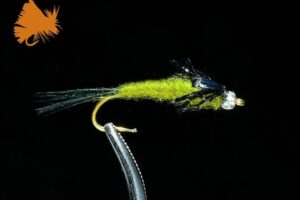
- mercury-baetis-oliveblack-sku-1214 Accurate & Imitative

-

- Minnow_mayfly_nymph_Baetidae-960x636 Actual Baetis Nymph

-
- beadhead-hares-ear-nymph-natural-sku-543-894x695 Impressionistic, But Not Imitative
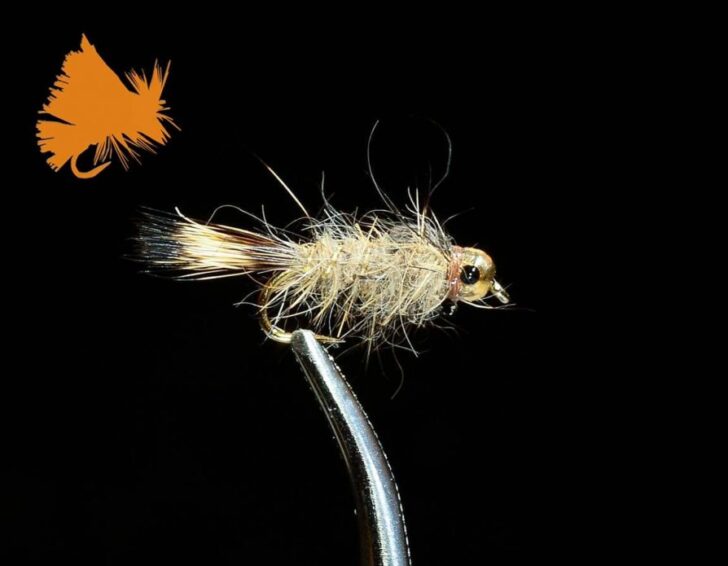
A good example of this is the Hares Ear nymph.
A Hares Ear nymph looks a lot like a mayfly nymph. It doesn’t imitate a BWO mayfly nymph as accurately as say, a Mercury Baetis, but it does a great job of imitating the general shape and color of most mayfly nymph insects found in the water. As a result of these characteristics, the Hares Ear nymph is what we call an impressionistic fly pattern. It looks like a specific insect AND it keeps the door open to fool trout eating other mayfly, caddis, or stonefly nymphs.
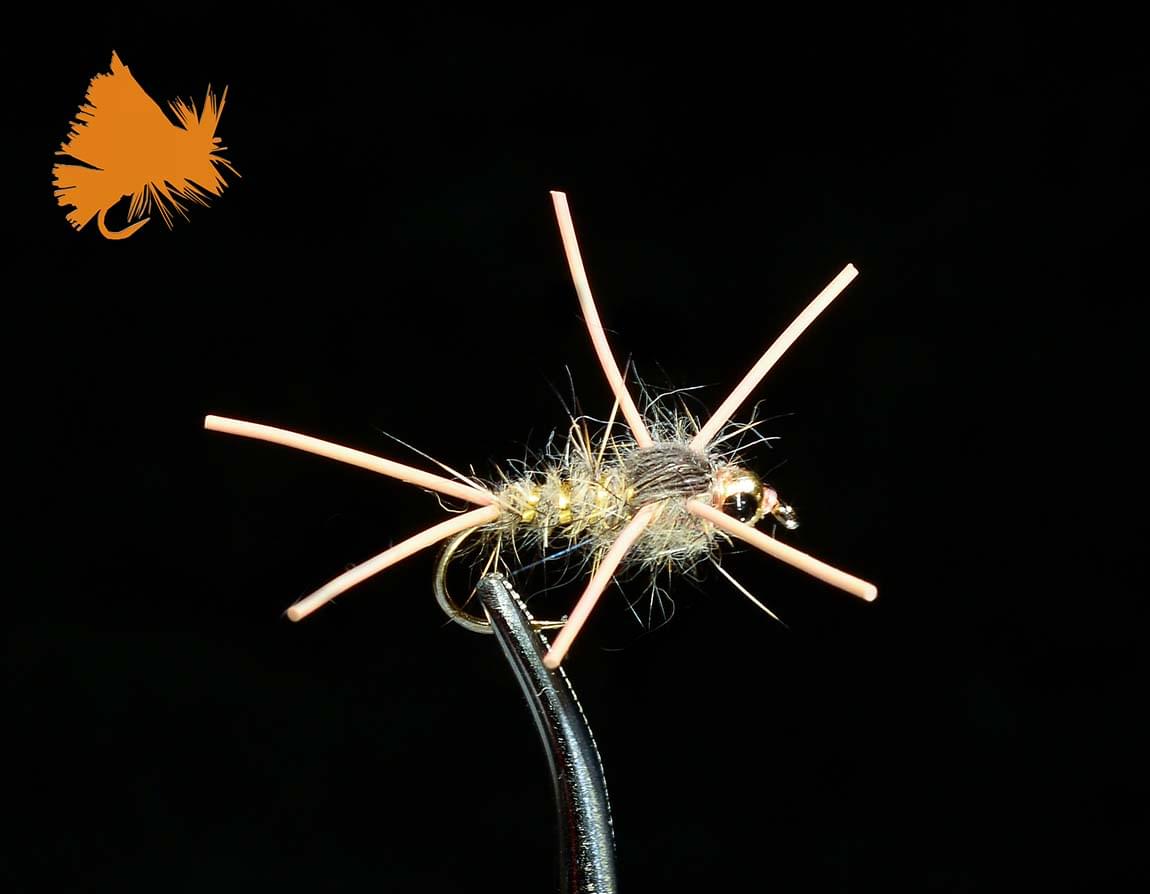
It’s important to note that impressionistic flies, like the Hares Ear nymph, can easily move up or down on the imitative scale using variations. For example, you can tie or buy a Hares Ear nymph that has a flashback casing and hot spot crafted out of bright orange-thread, giving it the ability to attract fish purely by its flash — we call this an attractor pattern. In the same way, you could refine a Hares Ear nymph’s profile using rubber legs. Now, the hairs ear imitates (is an imitative pattern of) a stonefly nymph.
Based off of all the factors discussed above, it’s easy to see why the Hares Ear Nymph was included as one of the top 10 flies in our Top Trout Flies Course! There are several other reasons you’ll discover in the course itself, but overall, there are many patterns outside of the Hares Ear that are versatile. Take a look at your box, and try to find flies that can 1) imitate a variety of insects well, and 2) situationally imitate an exact insect group…midge, mayfly, caddis, stonefly etc.
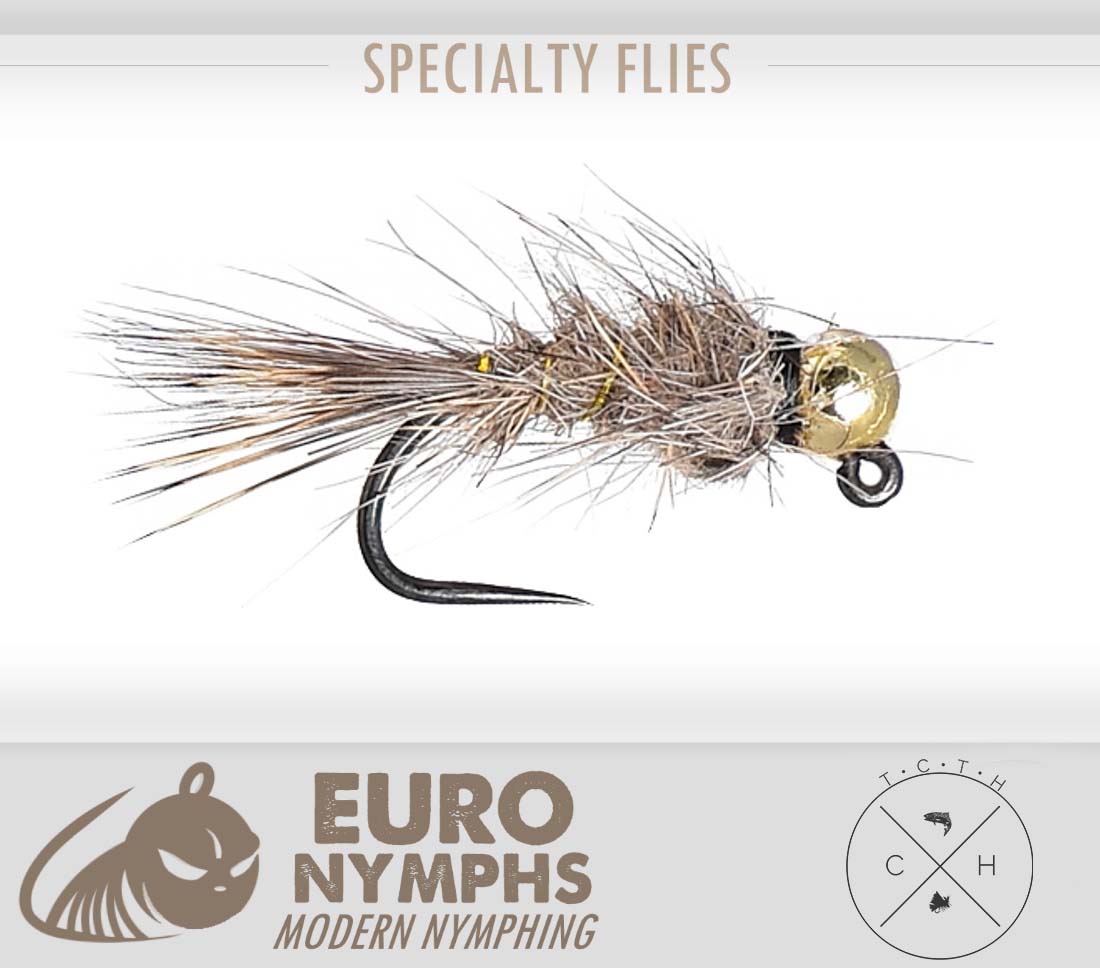
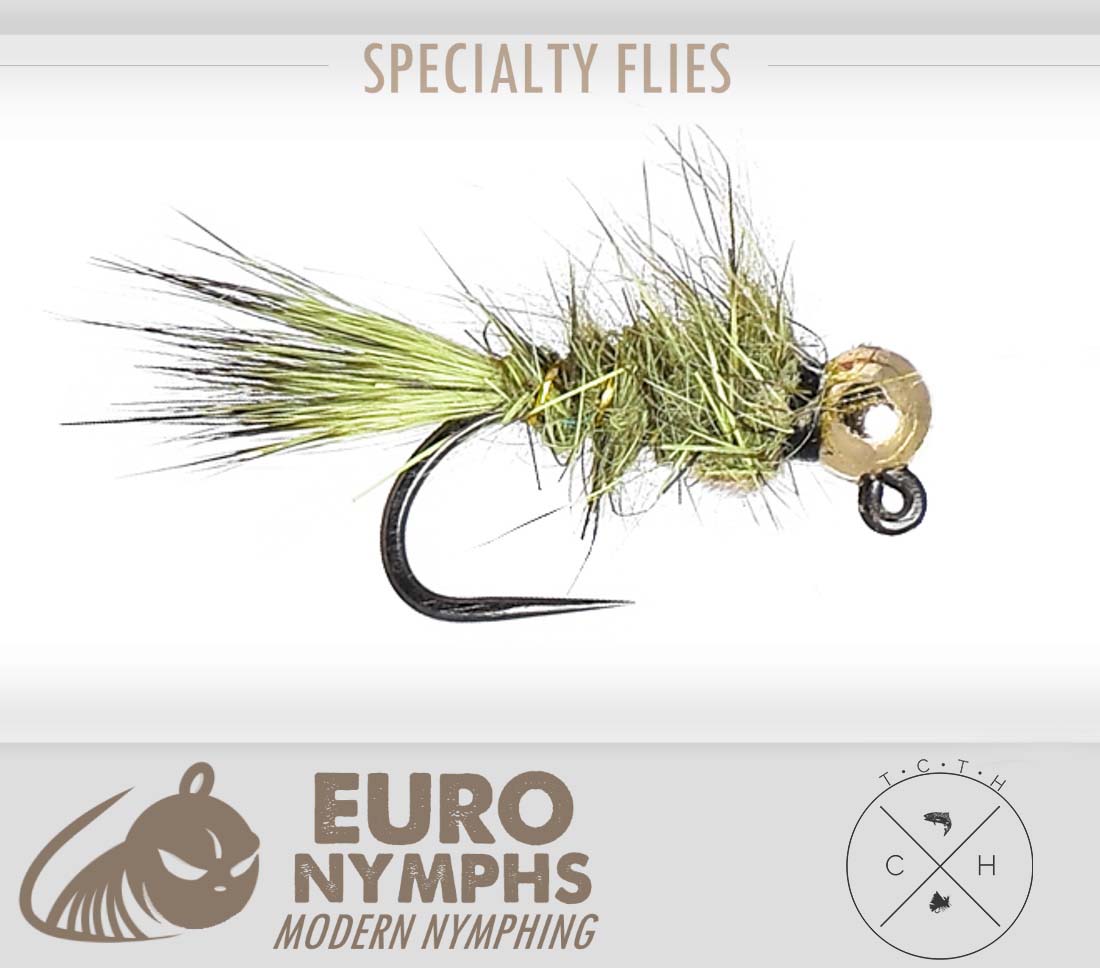
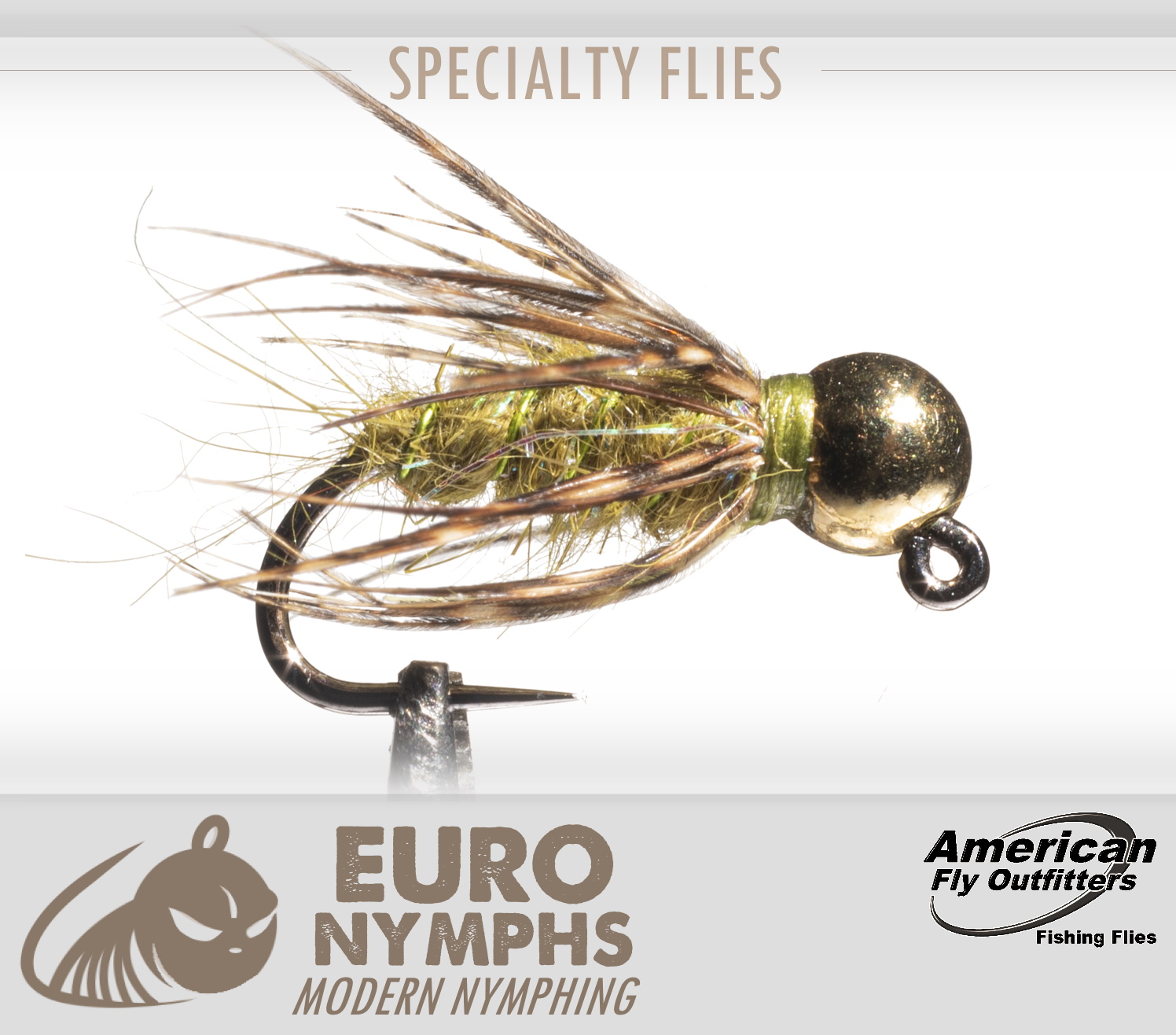
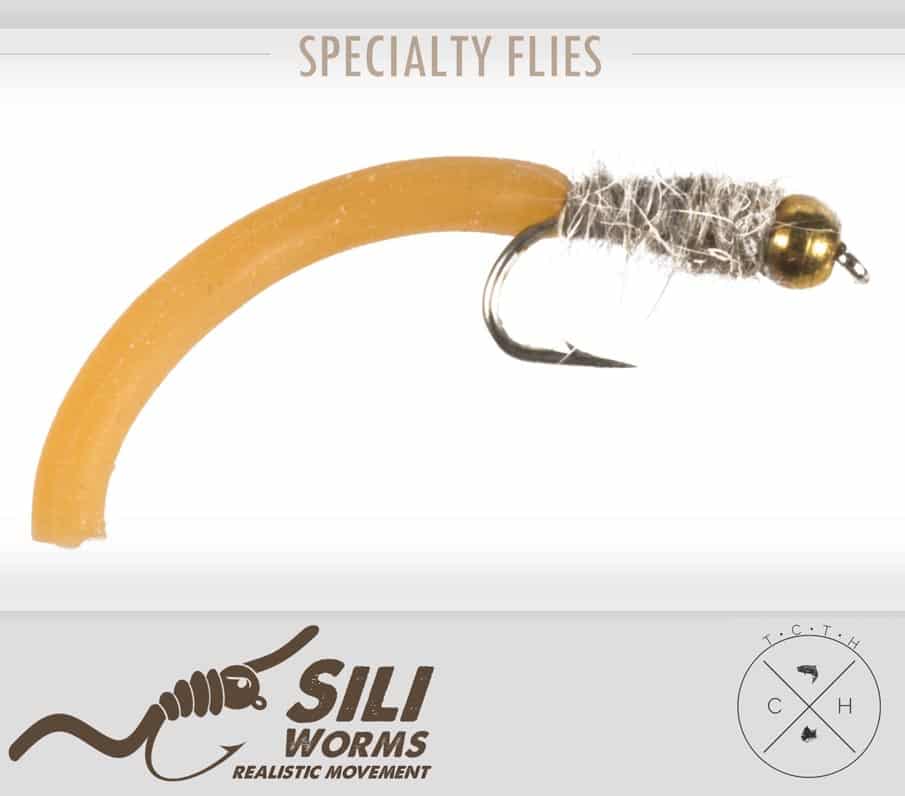
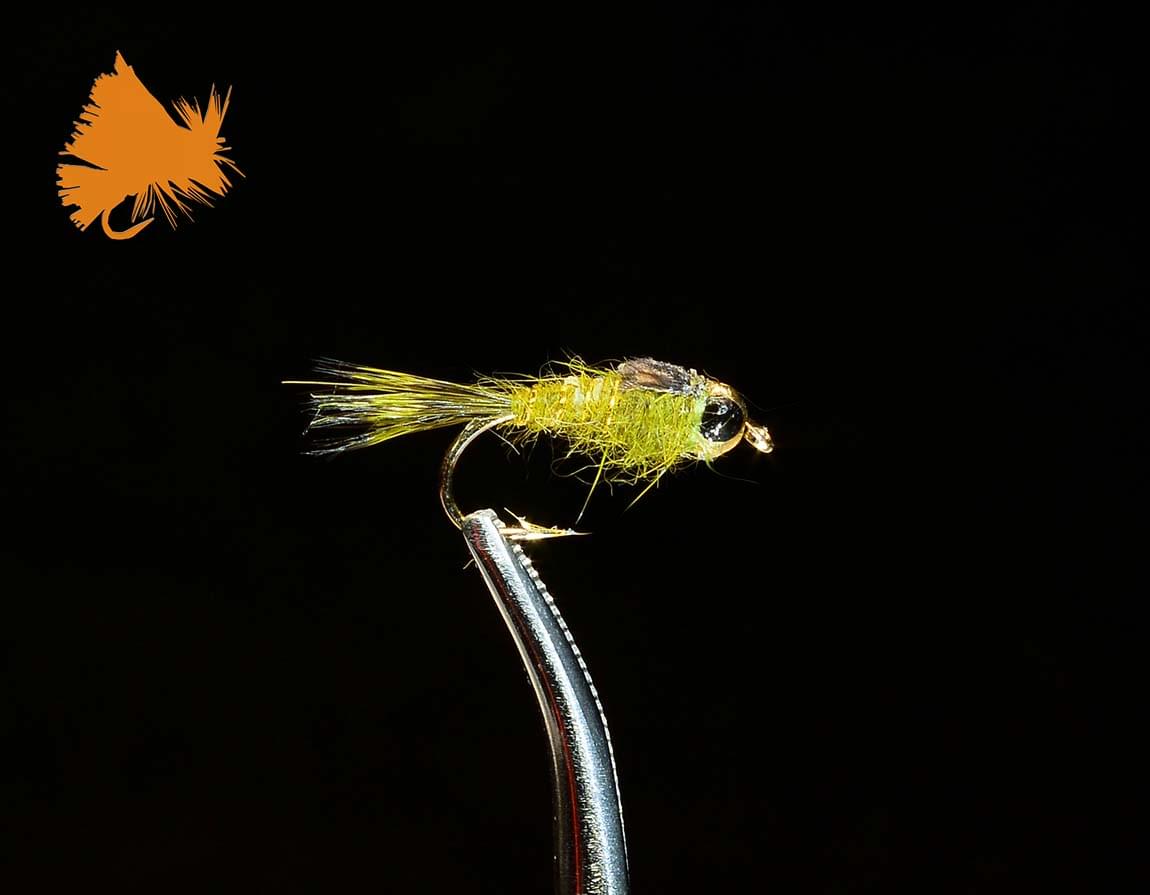
Now, all of the patterns you see below were Hares Ear nymphs to start. Some have added beadheads, others have a new style of tail, a few have some soft-hackle added, and some are just a variation of the standard in a different color. And, even though they’re all technically Hares Ear nymphs, these patterns have the versatility to imitate mayfly nymphs, caddis nymphs (free form and cased), stonefly nymphs (several species worth), even annelids (aquatic worms)! Look for patterns, like this one, that can dress up or dress down. That means it’s versatile, and it’s what you’re going to want in your fly box.

A Quick Note →
If all this mayfly, midge, caddis stuff is confusing you, we have a great series on learning the art of fly selection, as well as an entire course on fly fishing entomology. Check these out if you are feeling a little confused about what insects trout eat, and how to choose a quality, fish-catching fly from you box:
Fly Selection Mastery Series
Enter your email here (even if you’re on our list) and you’ll receive our fly selection mastery series which contains 5 free lessons to help you fully understand the art of fly selection.
Fly Fishing Entomology Course
Lifetime Access: $199.99
Flies That Are Durable
Flies that last = a Better bang for your buck
If your flies aren’t durable, your wallet will suffer.
If you’re losing or breaking flies every single time you catch a fish, you’re going to run through your fly box quicker than you think. Especially if you end up having a totally epic 15-20 trout day.
So it’s worth your time to purchase high-quality, durable flies — they’re a better investment overall. As they say, money doesn’t grow on trees, and it’s important that your fly box lasts. If you can make the most out of your flies, you’re ultimately making the most out of your investment, and in the long run…that’s pretty darn important.
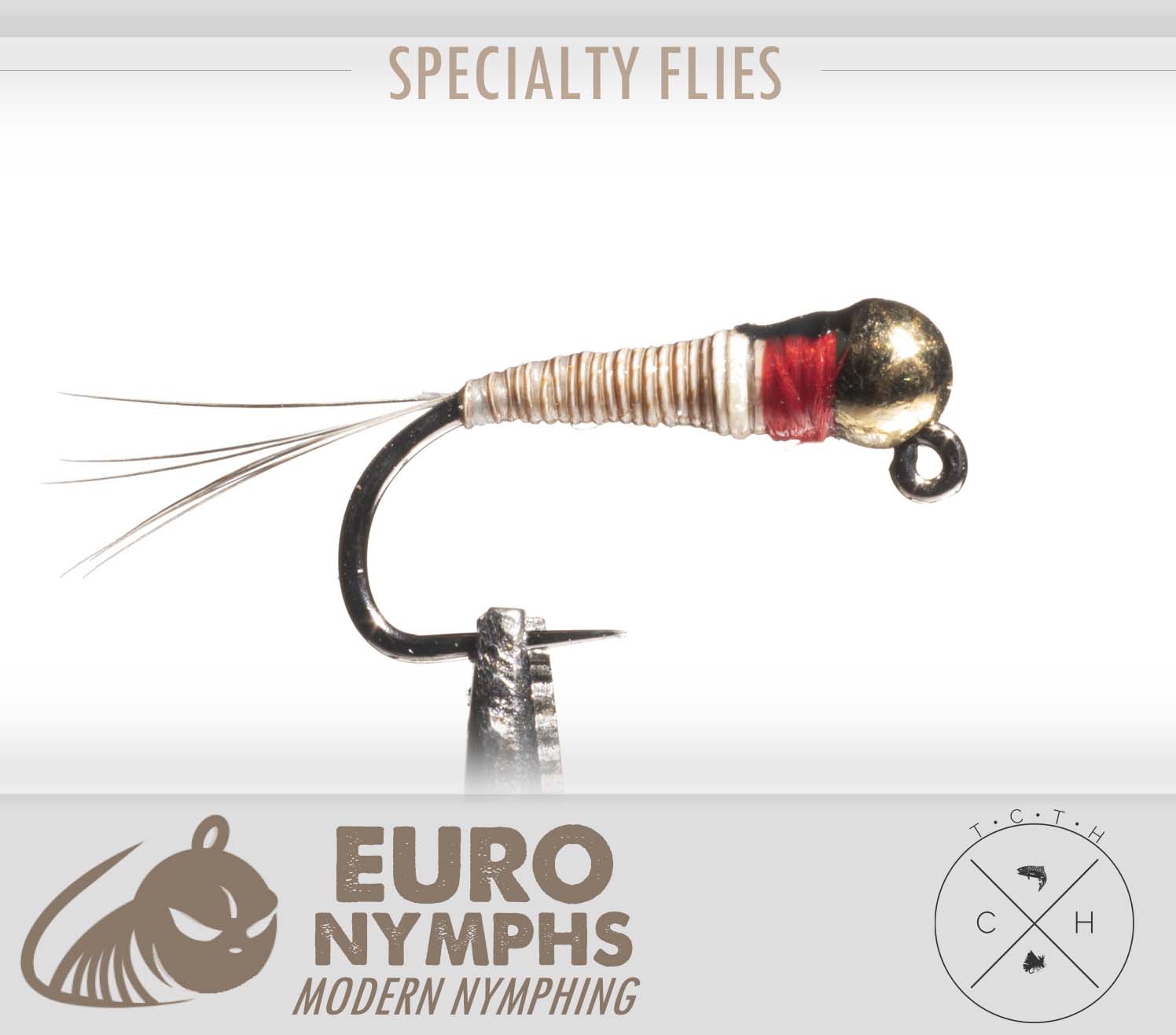
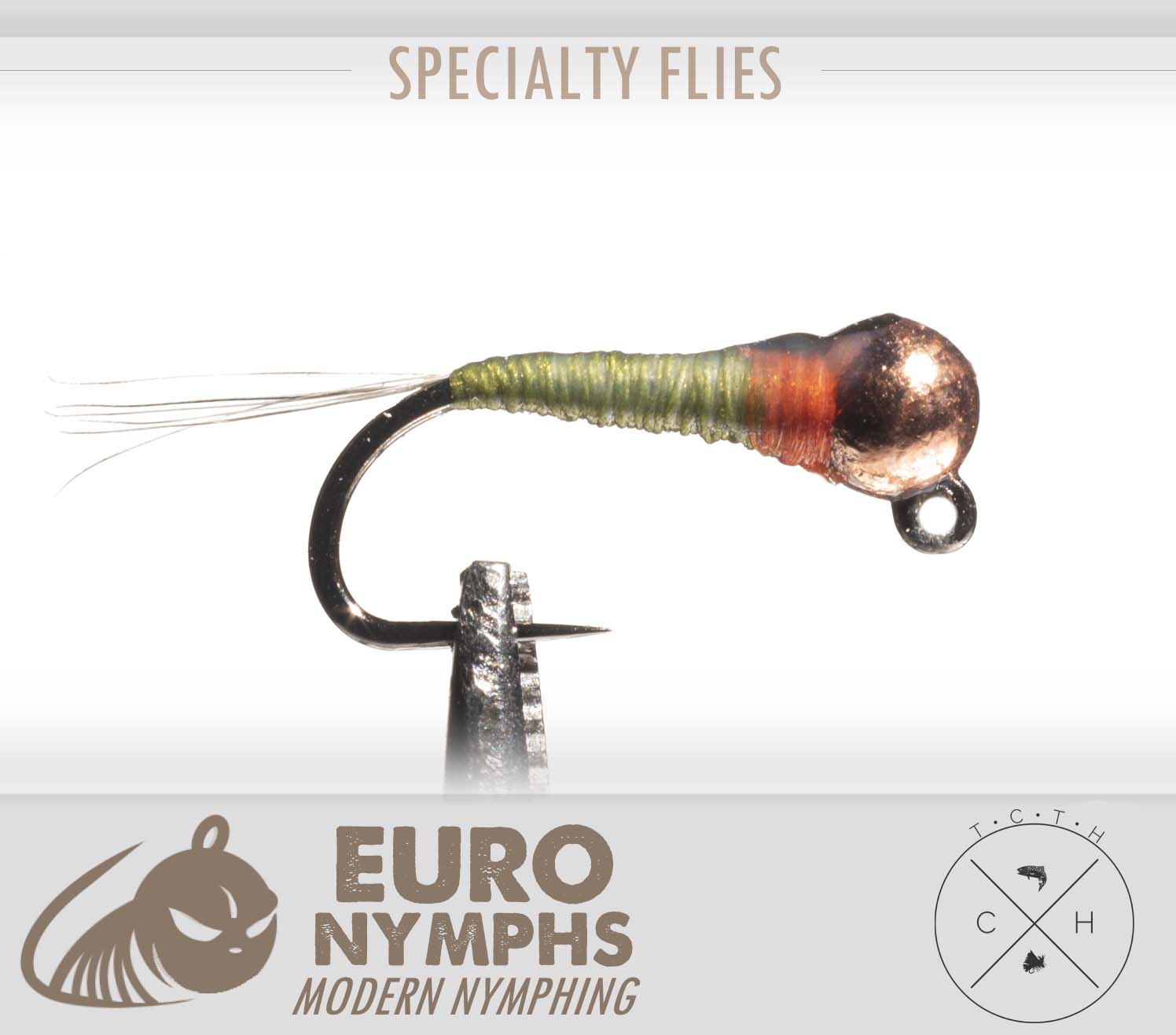
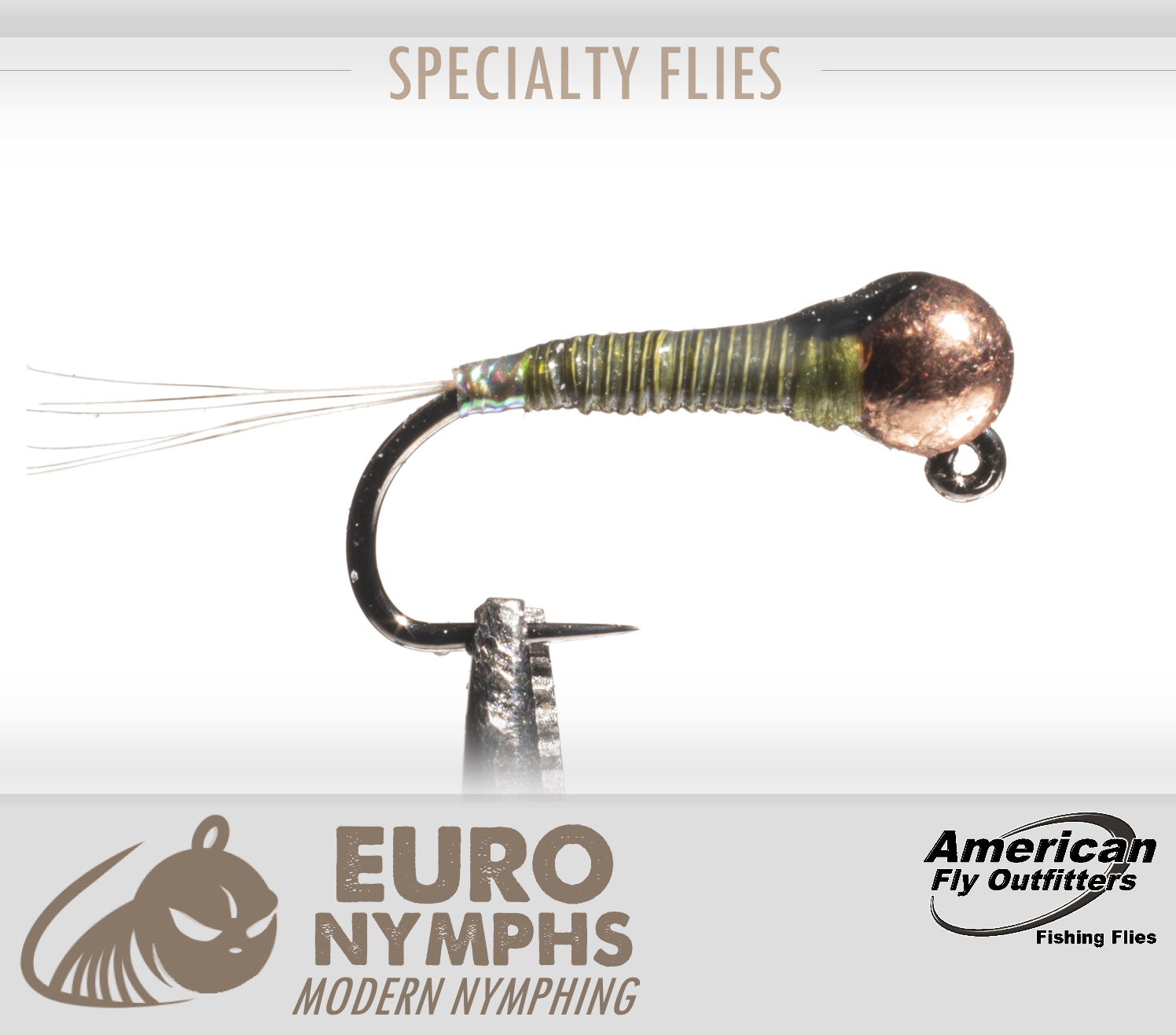
The Perdigon nymph is an excellent example of a durable fly that consistently catches fish.
They’re small and have a thin profile, yet they’re well weighted — making them GREAT for Euro Nymphing. However, what makes them durable is the fact that they’re typically tied with epoxy. The hardened shell of epoxy on the exterior of a Perdigon nymph (see below) can take a beating from a large, toothy trout, and make it out unscathed. On the opposite end of the spectrum, a pattern tied with, say, delicate quail feathers might take the brunt of the fight after having a fish on. Then, when you try to use it again, because it’s all banged-up, it won’t imitate the insect your attempting to imitate as well.
This is one of the many reasons we included three variations of the Perdigon nymph in my Euro Nymph Assortment. Like the Top Trout Assortment, the Euro Nymph Assortment includes patterns that possess all three of the important qualities discussed in this article. Those fish-catch flies + one tried and true fish catching technique = the ultimate fishing success.
Flies That Have a Proper Profile
They look at act like the insects they imitate
Flies that have a “proper profile” are flies that accurately imitate how insects look AND move on the water.
If a fish sees your fly, and it isn’t fooled into thinking it’s the insect they’ve been pigging-out on all afternoon, it’s just not gonna work that well. Whatever fly you were using probably didn’t have a proper profile.
As you’ll learn in our Top Trout Flies Course, some flies have better profiles than others — simply because of their composition and the ways in which they’re made.
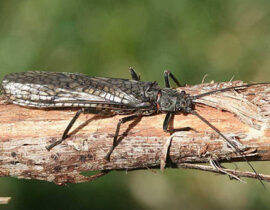
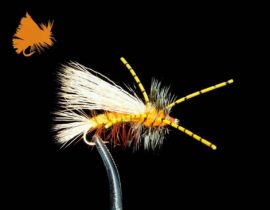 A Rubberleg Stimulator is a good example of this. We have an entire lesson on this incredible fly in our Top Trout Flies Course because it’s Allen’s favorite confidence fly — especially during late spring to mid-fall. For starters, the Rubberleg Stimulator is nearly unsinkable and it convinces fish from a distance to eat it (because of it’s profile, or, the way it looks + moves on the water). And, while it most accurately looks like a golden stone or salmonfly, it also acts as a close imitation of a half dozen other bugs including moths, hoppers, cicadas, and beetles.
Due to its composition (best large #4-#8, typically deer hair, rubber legs, and soft hackle, to name a few materials) when it sits hook-side down like it’s supposed to, it can look just like a struggling stonefly with its wings over its back — a little spread out, a little messy. Stoneflies almost never land on the water gracefully, and neither will this fly. It’ll look like an injured stonefly on top of the water, the fish will fall for it, and you’ll likely catch the fish as a result.
All in all, flies that have good profiles and actually imitate the way insects look AND act on the water will be the most productive. With a fly with a decent profile, you can better fool the fish into eating said fly. It’s really that simple.
To round this out, if you start by thinking about what makes a better fly — versatility, durability, and proper profile — you’ll start to understand which flies generally catch more fish despite the situation. It’ll make sense to you WHY certain fly patterns in your fly box work. All of this is incredibly important knowledge for an angler to have, especially if they’re interested in catching a whole lotta fish. Thanks again for reading.
Oh! One more thing if you’re interested….
We are running 50% off deal on our Top Trout Flies Course right now. Scroll down past my BIO to see the deal and grab it before the sale ends.
KATIE GILBERT
Hey, I’m Katie! I was born and raised in Washington State and currently reside in Bend, OR. Growing up, you’d find me causing trouble with my triplet siblings + older brother, practicing piano instead of doing homework, and encouraging my golden retriever to roll in whatever puddle it wanted too. Nowadays you can catch me untangling my dry flies from foliage, skiing Mt. Bachelor, hiking Smith Rock, and baking cookies nightly. I’m an intermediate-level angler, anxious to explore new spots around Oregon and master new techniques. Hopefully I’ll catch plenty of trout along the way too. Thanks for reading!
Over and tr-out!
Want to Learn the Top 10 Flies
That REALLY Work Best?
Lifetime Access: $99.99 | Sale Price: $49.99

Fully Online | Self Paced | Lifetime Access
111 Pages | 100+ Fly Images | Seasonal Fly Charts
Top Trout Flies Course
13 Lessons | 100+ Pages
Seasonal Fly Charts
- Master the top 10 trout flies
- Always have the right fly
- Assemble the perfect fly box
- Catch fish faster
You’ll also get this with the Course
- $10 coupon for free flies
- FREE Fly Fishing Basics Lesson
- A PDF of the course for offline viewing (on request)
- FREE Access to our fly selection mastery series
- 50% Off our Online Entomology Course
Normally: $99.99
Your Price: $49.99
Click the Button to Auto-Apply the Coupon
(Coupon Code is MASTER-FLY if it doesn’t auto apply)
