The eight best trout flies for the Arkansas River in summer are the Pats Rubberleg Stonefly, Beadhead 20 Incher Stonefly, Copper John, Beadhead WD-40, CDC PMD Tailwater Dun, CDC Caddis Emerger, Smokejumper, and Beadhead Zebra Midge. Each one earns its spot by matching a specific food form that is actually available in summer, not just by reputation. The Arkansas is one of the most insect-rich rivers in Colorado, and summer means stoneflies, caddis, hoppers, midges, and PMDs are all on the menu depending on where you are on the river and what time of day you show up.

The 8 Best Trout Flies for the Arkansas River in Summer
How to match flies to summer food and water
Start With the River Before the Fly
Most anglers choose a fly and then go looking for water that matches it. On the Arkansas, you're better off working the other way around. Figure out which section you're fishing first, then build your fly selection from what that water actually holds.
The Arkansas runs from the headwaters near Leadville all the way down to Pueblo Reservoir, and it changes character dramatically along the way. For summer fishing, four sections matter most.
The Upper Section runs through Hayden Meadows near Buena Vista. It's braided and slower-paced, with rainbows and browns that are generally less pressured and quicker to eat a dry. Dry-dropper setups work well here, and fish are willing to rise to searching patterns even when there's no visible hatch in progress. This is important to understand because a lot of anglers wait for something to happen on the surface before they throw a dry. The Upper Section rewards anglers who fish dries proactively, not reactively.
The Middle Section runs from Buena Vista downstream to Salida. This is Colorado's longest Gold Medal water, which means it ranks in the top 10 percent of fishable rivers in the state for size and quantity of fish. The insect life here is exceptional. Browns and rainbows in the 12 to 18 inch range are common. Nymphing, dry fly fishing, and streamers all produce, which makes this the most versatile stretch on the river and a good place to work through the full summer fly list.
The Lower Section continues from Salida down toward Pueblo Reservoir. This is where the famous Ark hatches are most consistent and concentrated. The canyon geography tends to push and concentrate insects, and the BWO, caddis, and stonefly hatches here can be some of the most reliable dry fly opportunities in Colorado. For an angler who wants to match a hatch and fish a dry with confidence, the Lower Section canyon water is often the right destination.
The Tailwater Section near Pueblo is regulated flow water below Pueblo Dam. It fishes well in summer but is most famous as a winter fishery. When summer flows settle down, midges and scuds remain the core food source, which shifts your fly selection toward smaller patterns.
Each section has a slightly different mix of food forms, and knowing which one you're fishing helps you decide which of the eight flies to lead with.
The Eight Summer Flies and Their Jobs
Summer on the Arkansas means multiple food forms are in play at once. The eight flies below cover the full range, and each one is connected to a specific food type, season window, and presentation.
Stoneflies and Nymphs
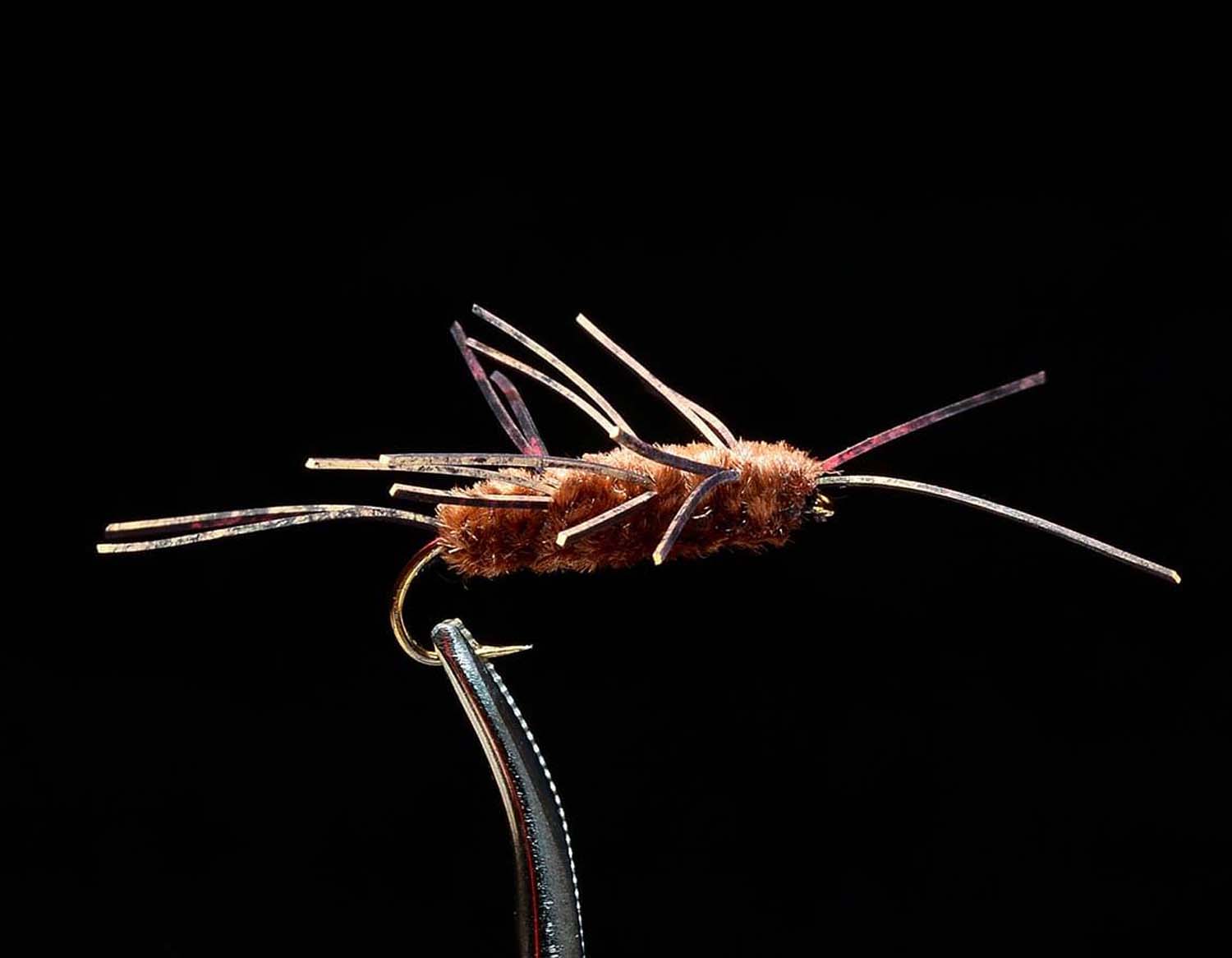
Pats Rubberleg Stonefly
Golden stoneflies are a primary hatch on the Arkansas from May through July, and the Pats Rubberleg is built to match them. This is a big, heavy stonefly nymph with rubber legs that pulse in the current. Fish it on a two-nymph rig with a shorter trailer, or run it as the lead fly under an indicator or dry on a tight-line setup.
The Pats Rubberleg belongs in the box because stonefly nymphs are available to trout all year – they live in the gravel for a year or more before hatching – and the larger fish in the river know exactly what they look like. In early to mid summer when golden stones are actively migrating and hatching, this fly picks up fish throughout the day even when nothing is rising. Run it close to the bottom in faster pocket water and riffles.
Beadhead 20 Incher Stonefly
The 20 Incher is a slightly slimmer, more imitative stonefly nymph profile compared to the rubber-legged patterns. The beadhead gets it down fast in broken water, and the more realistic silhouette can be useful when fish have seen a lot of rubber-legged flies. Think of the Pats Rubberleg as your searching and attractor stonefly nymph, and the 20 Incher as your "they've been pressured and want something a little more convincing" option.
Both stonefly nymphs belong on the Arkansas in summer because the golden stonefly hatch runs from May through July, and even after the adults have stopped appearing on the water, the nymphs remain in the system as available food.
Subsurface Mayfly and Midge Nymphs
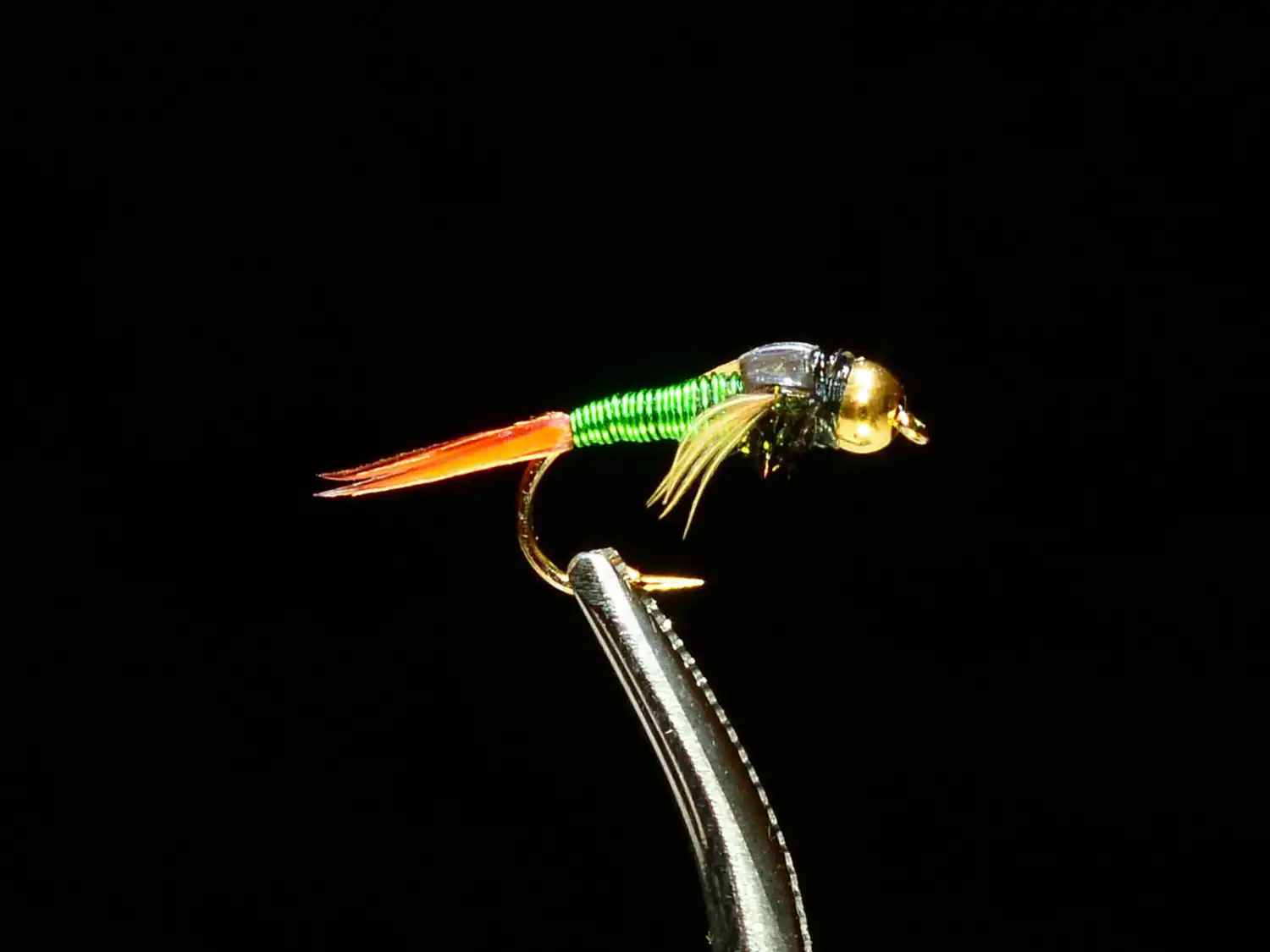
Copper John
The Copper John is one of the most effective subsurface flies on freestone rivers anywhere, and the Middle and Lower sections of the Arkansas are exactly the kind of water it was designed for. It imitates a general mayfly nymph – PMDs, BWOs, and others – but its flashy wire body also functions as an attractor in off-color or slightly turbid water. It sinks fast, which is an asset in the faster currents of the Arkansas.
On the Ark, PMDs are present in summer and the Copper John in a size 16 or 18 in red or copper covers that food form well. Run it as a dropper off a heavier lead fly, or fish it solo on a tight-line or Czech nymphing setup in the deeper channels of the Middle Section.
Beadhead WD-40
The WD-40 is a small, sparse midge and emerger pattern that earns its place on any tailwater or heavily pressured river. On the Arkansas, it fits the Tailwater Section particularly well but also produces on the Middle Section when fish are keyed in on midge larvae or small emerging midges subsurface. Midges are available as a food form on the Arkansas year-round, and summer is no exception.
Fish the WD-40 as a trailer in sizes 18 to 22 when fish are feeding selectively on small subsurface food. It's also a good choice on slower flat water where fish have time to inspect a fly carefully.
Dry Flies for Hatches
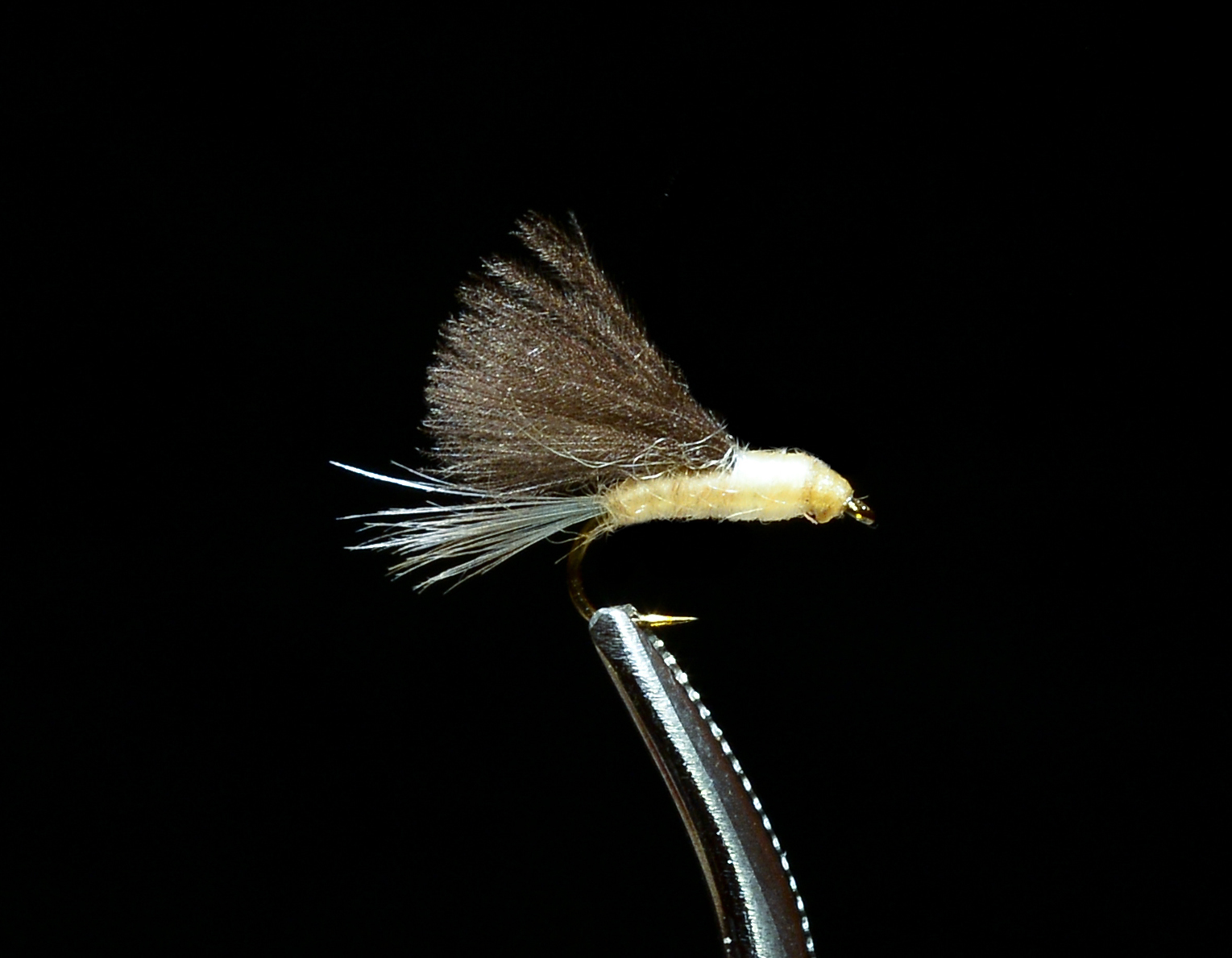
CDC PMD Tailwater Dun
Pale Morning Duns are confirmed on the Arkansas, and summer is when they matter. The CDC PMD Tailwater Dun is a low-riding CDC pattern designed for selective trout on tailwater-style water. The CDC wing gives it a realistic profile without sitting up too high above the film.
On the Arkansas, this fly belongs in your box for flat-water situations on the Middle and Tailwater sections where fish are rising steadily to emerging mayflies. When you see fish sipping in slower current and the rises are deliberate rather than splashy, a CDC dun in the right size and color – olive-yellow for PMDs – is the right answer. Dead drift it on a long, light tippet with no drag.
CDC Caddis Emerger
Caddisfly activity on the Arkansas runs from June through August as adult hatches, with pupa active subsurface from March through October. That extended window makes caddis one of the most important food forms in the summer fly box. The CDC Caddis Emerger targets fish that are eating caddis just below or in the surface film, which is often when they're most focused and hardest to fool with a standard dry.
On the Lower Section, where the caddis hatches can be prolific and consistent, this fly is particularly effective in the transition zone between the hatch building and full swing. Fish it in the film with a slight upstream presentation. In faster water, it can also be swung lightly at the end of a drift to imitate a caddis pupa rising to the surface.
Searching Dries and Terrestrials
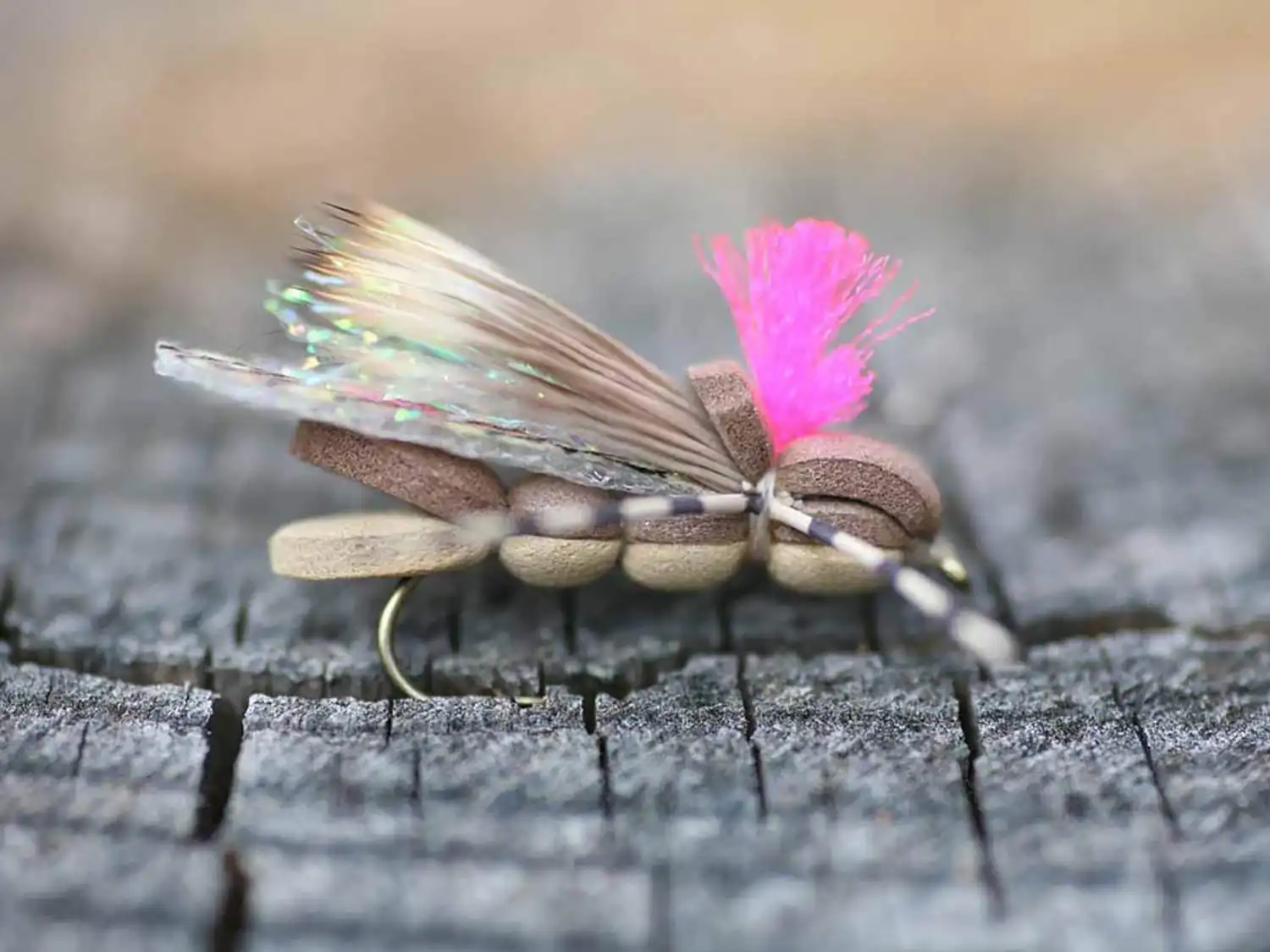
Smokejumper
The Smokejumper is a foam attractor dry that fills the searching dry role perfectly for the Arkansas. With hoppers active from June through September, the Smokejumper doubles as both a hopper imitation and a general attractor pattern. It floats well in rough water, has visible profile from a distance, and can be used as the indicator fly in a dry-dropper rig with a nymph trailing below.
On the Upper Section, this is an ideal lead fly. You don't need to wait for a hopper pattern to land naturally near the bank – this fly works from the start of summer because fish in the Upper Section are opportunistic and will eat a large foam dry whenever it drifts naturally through their lane. On the Middle Section, work it along grassy banks in July and August when terrestrial activity picks up.
Beadhead Zebra Midge
Midges are present and relevant year-round on the Arkansas. The Zebra Midge – a simple ribbed midge pattern with a silver or black rib and a small bead – is one of the most reliable midge nymphs in Colorado. On the Tailwater Section near Pueblo, it's a go-to pattern because the regulated flows keep the water productive even in summer, and the fish there eat midges constantly.
On the Middle and Lower sections, the Zebra Midge works as a small trailer when you're not sure what the fish are keying on. It's small enough to pass as a midge larva or pupa, and the bead gives it a little flash that attracts attention. Use sizes 20 to 24.
Match the Fly to the Water
With eight flies in the box, the decision comes down to reading the water type and time of day in front of you.
Fast pocket water and riffles – Lead with a stonefly nymph. Pats Rubberleg as the heavy lead fly with a Copper John or WD-40 as a trailer. These setups cover the bottom where fish hold in faster water and expect to see larger subsurface food tumbling through.
Mid-depth runs and channels – Two-nymph rigs with Copper John leading and a WD-40 or Zebra Midge trailing cover a broad range of food forms in the 3 to 5 foot depth range that characterizes the core of the Middle Section.
Slower flats and tailouts – Switch to a dry or a dry-dropper. If there's visible surface activity, match what you see. PMD duns rising means the CDC PMD. Caddis fluttering near the surface means the CDC Caddis Emerger. No visible hatch? Put the Smokejumper on as the dry with a WD-40 or Zebra Midge trailing 18 to 24 inches below.
Bank and structure water, warm afternoons – This is hopper and searching dry water. Smokejumper tight to the bank with a natural drag-free drift. Move it if it stalls and don't be afraid to let it sit for a moment at the end of a drift.
Tailwater Section – Lead with midge patterns. Zebra Midge and WD-40 in sizes 20 to 24 account for a lot of fish here. If there's a PMD or BWO hatch, step up to the CDC dun patterns.
A Worked Summer Day on the Arkansas
Here's how this plays out in practice.
You arrive at the Middle Section at 8 in the morning in mid-July. The water is clear and flows are stable at summer levels. No surface activity visible. You rig a Pats Rubberleg as the lead fly with a Copper John size 16 as the trailer, about 18 inches back. You work through a 60-yard riffle, reading the seams and dropping the flies into the deepest slot on each drift. The Pats Rubberleg drags the Copper John down near the substrate where the fish are holding in the cool morning current.
By 10 o'clock the sun is on the water and you notice a few fish sipping in the flat below the riffle. You watch for a minute. The rises are delicate, not splashy. You catch a quick look at something small and tan drifting in the film. PMDs. You switch to the CDC PMD Tailwater Dun in a size 18 on a 12-foot 5X leader and work the softer current along the near bank. Two fish in the next 30 minutes.
The PMD activity fades around noon. You walk upstream to a stretch with a grassy bank and riffle water. You put the Smokejumper on and drop a WD-40 size 22 behind it. The afternoon wind is picking up and you watch for any caddis activity. By 2 o'clock there are caddis moving near the surface in a slower section below a logjam. You pull the dropper and switch to the CDC Caddis Emerger, fishing it in the film with a downstream reach cast to minimize drag. Three fish in an hour.
The evening settles, the caddis increase, and you end the session with the CDC Caddis Emerger until the light goes. The Zebra Midge never got tied on today – that gets saved for the Tailwater Section. But the Pats Rubberleg, Copper John, CDC PMD, Smokejumper, and CDC Caddis Emerger all had their moment.
That's the point of this list: not every fly gets used every day, but every fly has a specific job tied to a food form and a water type, so you know when to reach for it.
How to Adjust When the First Plan Fails
When the fish aren't responding, there are a few common failure modes on the Arkansas in summer and each one has a straightforward fix.
You're waiting for a hatch before fishing a dry. This is the most common mistake on the Upper Section. Anglers stand in the water watching for rising fish and miss hours of productive fishing to searching dries. Trout are opportunistic feeders, especially on less-pressured water. Put the Smokejumper or a dry-dropper on early and move through the water rather than waiting for the river to come to you.
Your nymph rig isn't reaching the bottom. In faster, deeper runs, even a heavily beaded fly can ride too high if you're using too much tippet length or fishing a light indicator setup. Shorten the distance between your flies, add a small split shot above the lead fly, or switch to a tight-line nymphing approach that allows more direct contact and deeper placement.
Fish are rising but refusing your dry. This almost always comes down to size before color. Drop a size – if you're fishing an 18, try a 20. On the Arkansas, fish that have seen a lot of pressure in the Gold Medal sections can be particular about profile. The CDC patterns sit lower in the film than traditional duns and often do better on selective fish. Also check your drift: a good-looking fly on a dragging tippet will get refused every time.
You're fishing the right section but the wrong time of day. The Arkansas is an active river all day in summer, but hatches have timing. PMDs typically emerge in morning to midday. Caddis tends to pick up as the day warms and can be strong in late afternoon and evening. Stoneflies and searching nymph work holds up throughout the day. If the midday dries aren't working, drop back to nymphs and cover more water rather than standing in one spot waiting for the surface to come alive.
You've been fishing one spot for too long. The Middle Section has more fishable water than you can cover in a week. If a pool or run isn't producing after 10 to 15 minutes of methodical effort, move. The Arkansas rewards anglers who cover water and find active fish more than those who wait out one spot.
One more thing worth naming: if you're fishing the same three flies you always fish and they're not working, it's worth asking which food form you haven't tried yet. If you've been nymphing with stonefly patterns all morning, the fish might be keyed on something smaller. The WD-40 and Zebra Midge are easy to overlook when things are slow, but both patterns have saved sessions on days when the big flies weren't producing.
Keep Building the Skill
This list gives you eight patterns connected to real food forms and real water types on the Arkansas. But fly selection is only one part of the puzzle. Knowing which water to wade, how to present a fly without drag, and how to adjust when conditions change are the other pieces that make the difference between a good day and a slow one.
If you want to go deeper on how these patterns work across different seasons, sizes, and modifications – and how to build a complete fly box that makes sense for Colorado rivers year-round – the Top Trout Flies Course walks through the core patterns and explains why each one works, when to use it, and how to adjust it. It's the kind of detail that makes a fly list like this one click into place on the water.
For anglers who want a full learning path that covers reading water, matching food forms, and presentation alongside fly selection, Trout University brings all of those elements together in a structured, practical format.
Trout University
The Best Way to Master Fly Fishing for Trout
Everything you need to learn how to fly fish for trout.
From fly selection to presentation and location, all in one place.
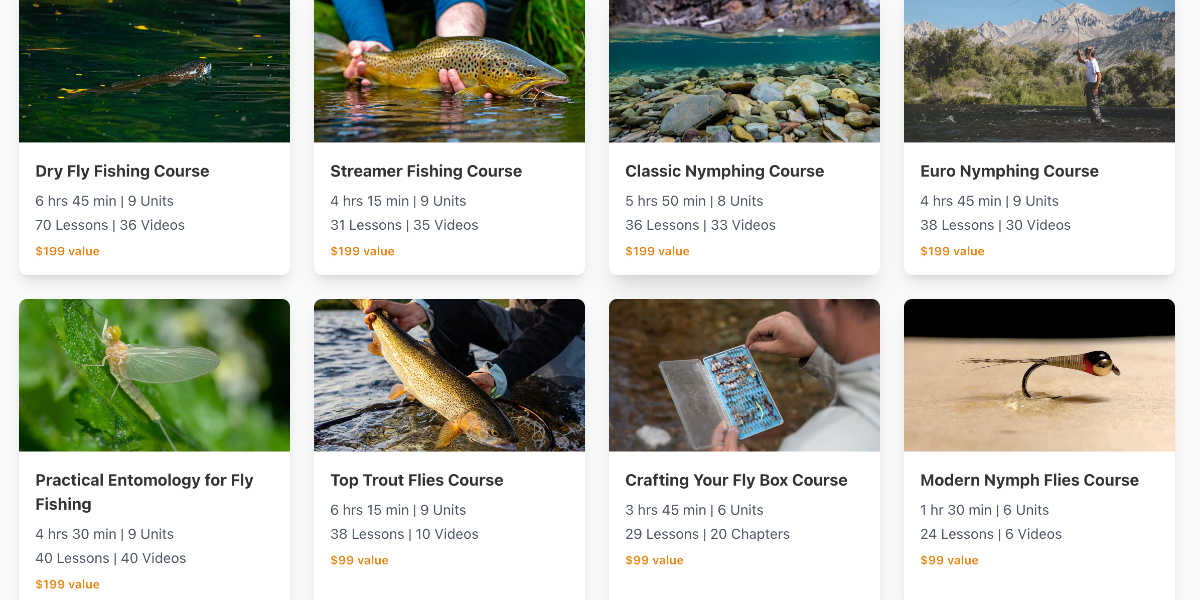
8 Premium Courses
~1,600 Pages & 30+ hrs of Video covering the most important topics
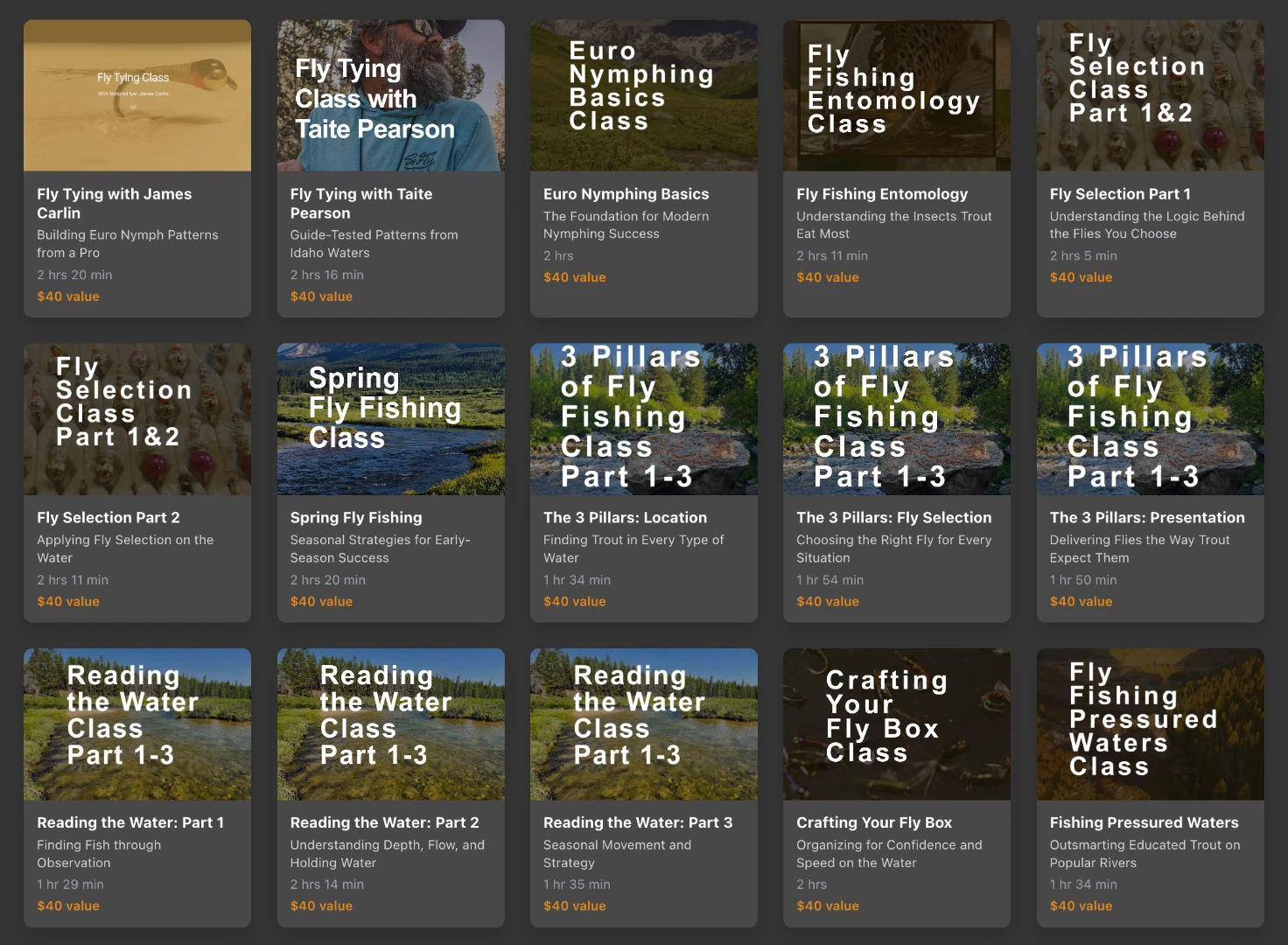
15 Video Classes
1-2hr Power Classes on Key Subjects and solidify your learnings
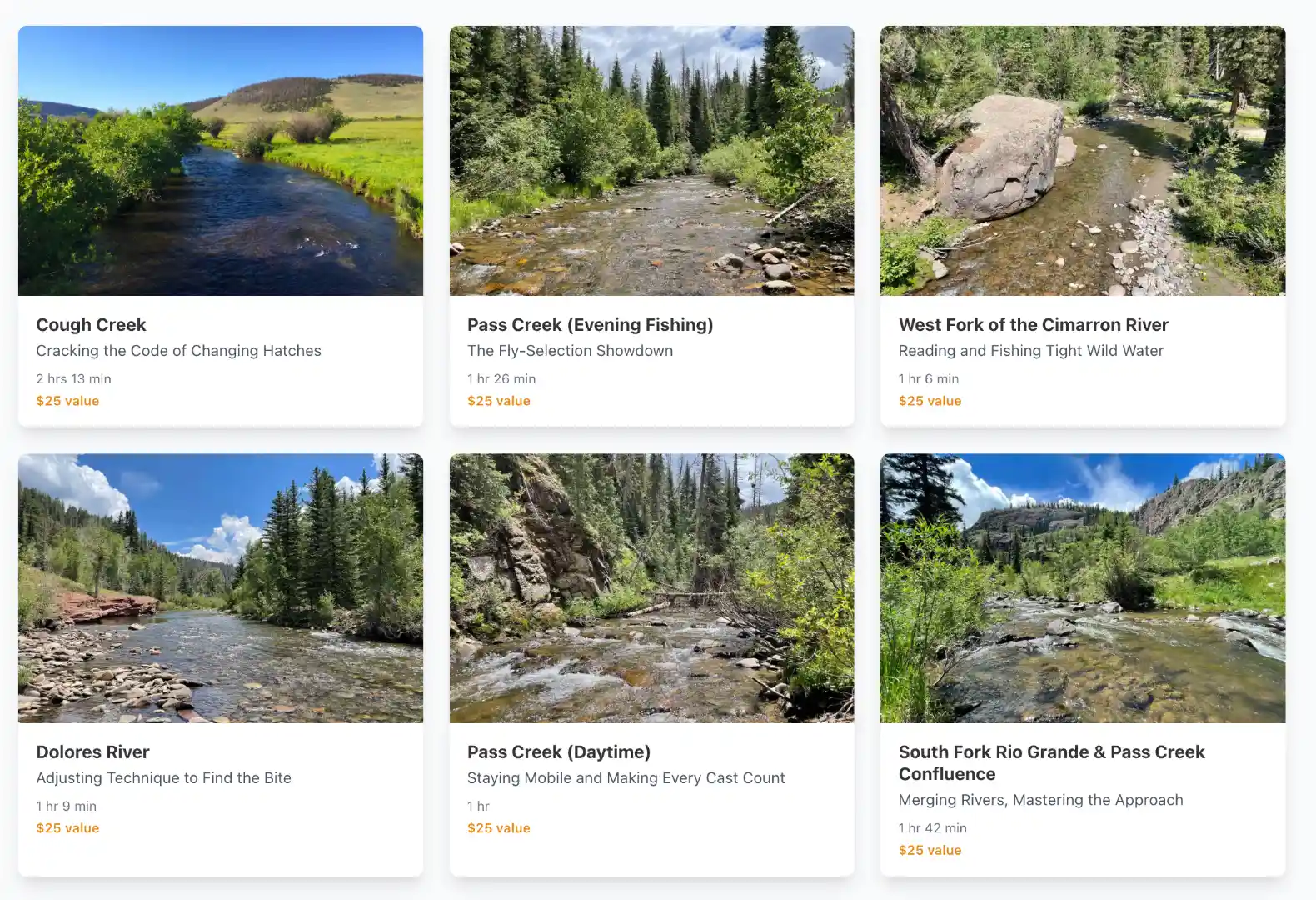
6 Streamside Courses
10+ Hours of Fishing to See Our Methods in Action
Recommended Reading
If this article raised some questions about what trout are eating when the hatch isn't happening – or why some flies work better than others on a given day – these two articles are worth your time:
What Do Trout Eat Between Hatches? – This one is particularly useful for understanding why the Copper John, WD-40, and Zebra Midge produce fish throughout the day, not just when a specific insect is hatching.
How Many Trout Flies Do You Really Need? – A practical look at how to think about building a focused, useful fly box instead of collecting every pattern you've ever heard of. Pairs well with any specific river fly list.