A full fly box feels empty because it has duplication, not coverage. The fix is to stop counting patterns and start counting jobs. Every distinct fishing situation – a specific water type, season, insect, and life stage – is a job that needs exactly one fly assigned to it. When you map your box against jobs instead of names, you'll find slots stacked with similar dries and entire stages left completely empty. That is the gap. Fix it by removing duplicates, adding the missing stages, and keeping one versatile pattern for each job category you don't fish often enough to specialize.

Why a Full Fly Box Still Feels Empty
How to build useful coverage instead of clutter
A Full Box Can Still Have Gaps
Here is a situation a lot of anglers recognize. You open the box before wading in, and there are flies packed wall to wall. You feel ready. Then the PMD hatch kicks off, fish start rising, and nothing you throw gets a look. You work through four or five patterns and come up empty. The box was full, but it didn't have what you needed.
The problem is almost never the number of flies. It's the distribution. Most boxes accumulate patterns the same way a junk drawer accumulates batteries – you keep adding things without removing anything, and you end up with a lot of the same item and none of the one you actually need.
Think about how a typical PMD box looks after a few seasons of casual buying. You might have a Parachute PMD, a Hi-Vis Parachute PMD, a CDC Direct Hackled PMD, and Arnot's New Age PMD. Those are all dry flies. They all cover the dun stage. Meanwhile, you have zero emergers and zero nymphs for that insect. The PMD has four life stages worth fishing – nymph, emerger, dun, and spinner – and your box covers one of them four times over.
All the fly selection knowledge in the world is worthless if you don't have the right fly in your box when it counts. An organized box geared toward your goals as an angler helps you make quicker, better-informed decisions on the water. The key phrase there is "geared toward your goals." Your goals are the water you fish, the seasons you fish it, and the insects that show up. When the box isn't organized around those things, it looks full and still leaves you short.
Count Jobs Instead of Patterns
Think of a fishing job as a specific problem you need to solve. The PMD nymph subsurface before the hatch is one job. The PMD struggling in the surface film during the hatch is a second job. The PMD sitting upright on the surface as a dun is a third. The spent PMD spinner after the hatch is a fourth. Four jobs. Four distinct fly needs.
The same logic applies to every major insect on your water. Blue-Winged Olives also run through nymph, emerger, dun, and spinner. Caddis have larva, pupa, and adult. Stoneflies have nymph and adult. Midges have larva, pupa, and adult.
When you lay it out that way, you can see immediately that a box full of dries is not a full box at all. It's a box that handles one job across many insects but ignores the other jobs entirely.
Here is the decision sequence for any hatch situation. Ask yourself four questions in order:
- What insect is active right now?
- What stage is it in?
- What does a fly that covers that stage look like in my box?
- Do I have it?
If you can answer yes to question four, you're set. If you can't, that's a gap – not because the box isn't full, but because the job isn't covered.
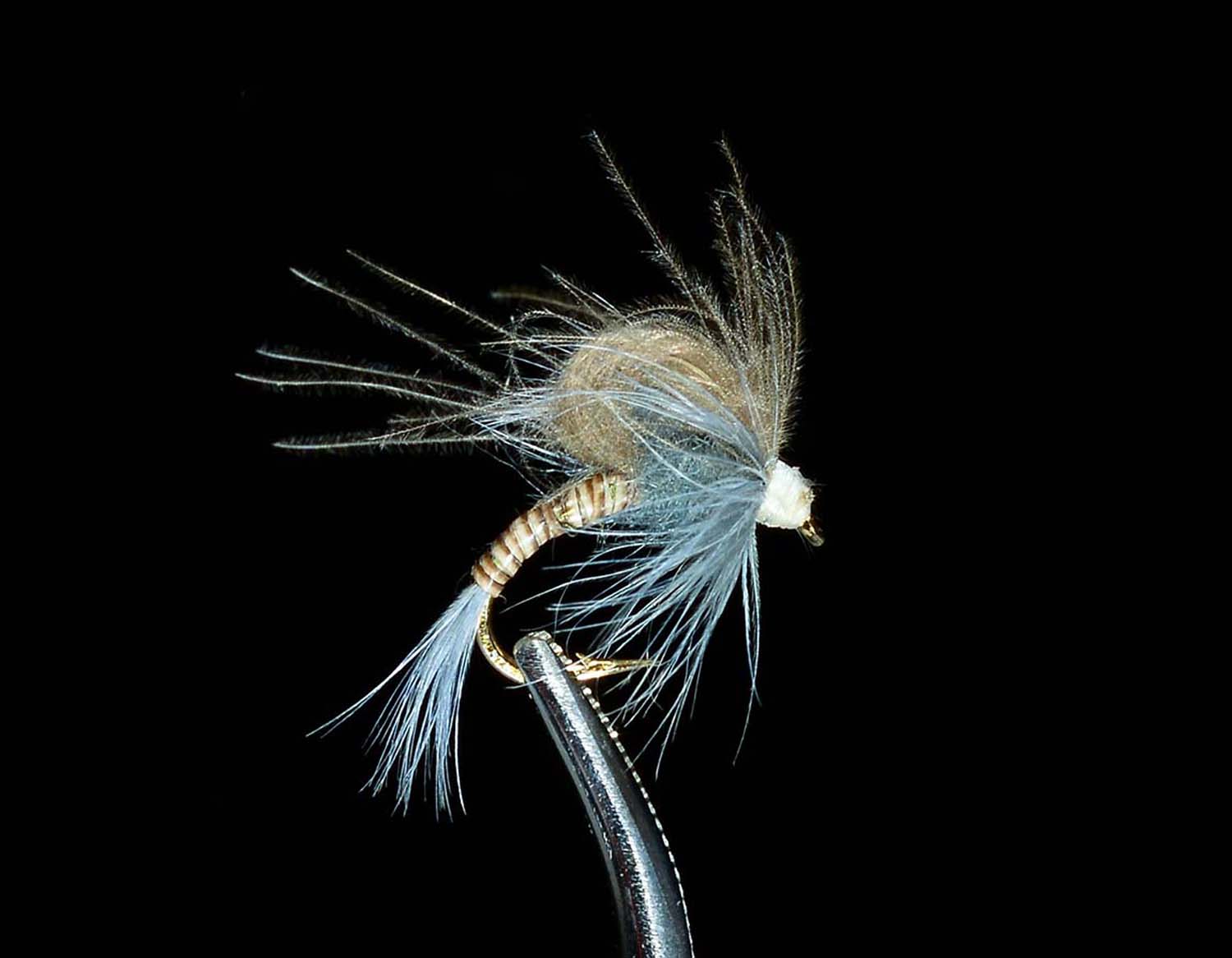
A BLM Mayfly nymph is a good example of a job-based slot filled well. It imitates BWOs, PMDs, Green Drakes, and Brown Drakes all at the nymph stage, and it works across cold-water rivers year-round. One fly covers the nymph-stage job for several of the insects your trout see most. A CDC Pale Morning Dun Cripple Emerger covers the emerger job specifically during a PMD hatch – trout keying on bugs stuck in the surface film. Those two flies together cover two jobs that most anglers never fill. A CDC Biot Spinner PMD covers the spinner job in the evening after the hatch. That is three separate jobs for one insect, each requiring a different fly.
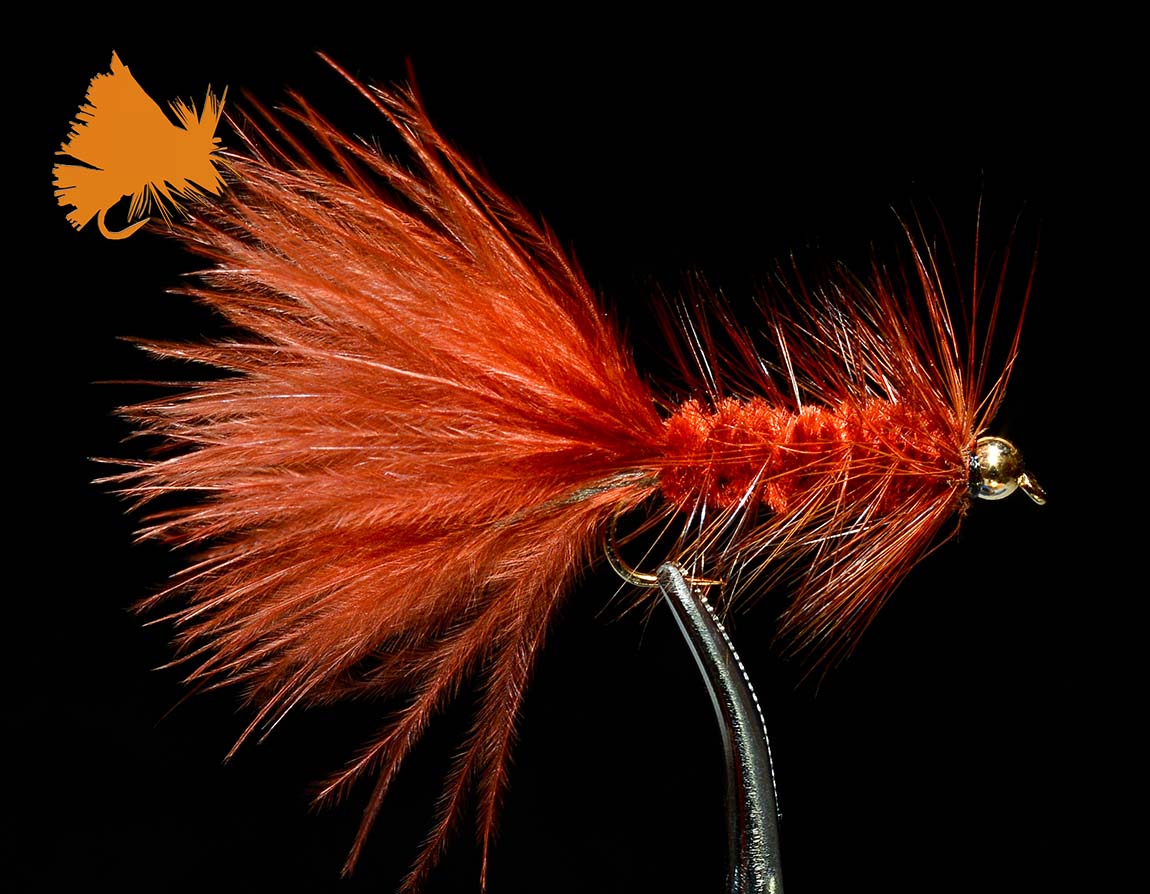
On the streamer side, the Beadhead Woolly Bugger covers the baitfish imitation job year-round in rivers and stillwater. It is one of the most versatile patterns in existence, effective in warm water and cold, in rivers and lakes. Carrying it in two or three sizes and colors handles your streamer job without needing eight different streamer patterns taking up room that could go to stage-specific nymph and emerger coverage.
Audit the Box You Already Own
Before you buy a single fly or remove one, run an honest audit of what you're carrying. This takes about twenty minutes and saves a lot of frustration at the water.
Start with the water and season you fish most. If you mostly wade freestone streams in Colorado from May through September, your audit has a clear scope. The insects that matter on that kind of water – PMDs, BWOs, caddis, stoneflies, midges, and hoppers in late summer – are your universe.
For each insect, map every fly in your box to a stage. Write it down if it helps. Something like this:
- PMD nymph: nothing
- PMD emerger: nothing
- PMD dun: four flies (Parachute PMD, Hi-Vis PMD, CDC Direct Hackled PMD, one more)
- PMD spinner: CDC Biot Spinner PMD (one)
- BWO nymph: BLM Mayfly (covers it)
- BWO emerger: nothing
- BWO dun: BWO Parachute (one)
That map tells you exactly where the gaps are. In this case you'd have duplication at the PMD dun stage and nothing for emergers across the board. That's not a full box – that's a one-stage box with extras.
Common failure modes to watch for during the audit:
Buying by name without checking stage. Pattern names can be confusing. Several flies with "Pale Morning Dun" in the name fill completely different jobs depending on their construction. If you're buying by name recognition alone, you'll often end up with more of the stage you already have.
Confidence fly stacking. Most anglers have two or three patterns they trust completely. Over time, those patterns multiply in the box because you keep restocking them after losing them. A box with six Copper Johns and no caddis pupa is a box that has swapped coverage for comfort.
Holding onto patterns from old water. If you moved from a tailwater to a freestone creek, or stopped fishing stillwater, your box may still carry a bunch of patterns tuned to that water. Those flies aren't wrong – they just aren't doing any work for the fishing you're actually doing.
The audit isn't about making the box smaller. It's about making the box honest. Once you can see the jobs covered and the jobs missing, the decisions get easy.
A Worked Example From Clutter to Coverage
Imagine you're wading a small freestone creek in late June. The water is clear and low, the kind of place where you spot fish holding in the current seams before you cast to them. A PMD hatch starts around 10 in the morning – a consistent hatch on this kind of water from late spring through August.
You see fish rising but not aggressively. A few are tipping up near the surface, but most aren't breaking the film cleanly. You tie on your PMD parachute dry and make good drifts. Nothing. You switch to the Hi-Vis PMD. Still nothing. You try the CDC Direct Hackled PMD. The fish ignores it.
This is not a presentation problem. The fish are feeding – they're just not feeding on duns sitting upright on the surface. They're eating bugs stuck in the film, the emergers that haven't quite made it out of the shuck. The job isn't a dry fly job right now. It's an emerger job.
You open the box and there's no emerger for the PMD. You have four dries and one spinner, but nothing for the stage the fish are actually eating.
Here's what job-based thinking does with that box before the next trip. You look at the five PMD slots. Four of them are doing the same job. Keep the best two – your most visible and your most realistic – and remove the other two. Add a CDC Pale Morning Dun Cripple Emerger in those freed slots. Add a BLM Mayfly in the sizes that match PMD nymphs.
Now your PMD coverage looks like this: one solid nymph that also covers BWOs and other small mayflies, one emerger for the hatch window, two dries for when fish are clearly eating duns, and one spinner for the tail end of the evening. Five flies, five jobs, no duplication.
You've added one fly to your total count – the spinner was already there – but you've more than doubled your coverage because you filled two jobs that were empty. That is the difference between a full box and a useful box.
What to Add Remove and Consolidate
Once you've run the audit and spotted the gaps, you have three moves available. Use whichever combination fits your box.
Add when a job has no fly. Prioritize the gaps that match the water and season you fish most. If you fish PMD hatches all summer and you have no emerger, that's your first add. If you're on freestone streams with caddis hatches and no caddis pupa, add that next. Stage-specific gaps that match your actual fishing calendar are the highest-priority additions.
Remove when two or more flies cover the same job with no meaningful difference in stage, size, or water type. The four-dry-PMD situation above is the clearest example. Carrying four versions of the same dry fly stage means you have three flies doing redundant work. Keep the one or two you trust most. Free the other slots.
Consolidate when a versatile pattern can handle a category well enough to free up space for more precise coverage elsewhere. The Beadhead Woolly Bugger is the most obvious example. One bugger in a couple of sizes and colors handles the baitfish-streamer job across all the water types you fish. You don't need six different streamer patterns taking up half the box unless you fish streamers intensively. Consolidate the streamer section, and use the freed slots for nymph and emerger coverage you're missing.
The Parachute Adams works the same way on the dry fly side. When no specific hatch is happening and fish are rising opportunistically, a Parachute Adams covers a wide range of small mayflies and midges well enough that you don't need a dedicated fly for every insect at that moment. One slot, broad coverage, saves you from buying an exact-match pattern for every minor insect on every river you fish.
The BLM Mayfly consolidates the nymph slot across multiple mayfly species – BWOs, PMDs, Green Drakes, Brown Drakes – in a single fly tied larger or smaller to match the insect size. One nymph pattern that you size to the hatch covers several insects without needing a dedicated nymph for each one.
The goal of all three moves is not a smaller box. It's a more deliberate box. The box should reflect the fishing you actually do, with one fly per job and no redundant slots eating capacity that could go to a missing stage.
If you want to build this framework out fully for your specific waters and seasons – fly by fly, box by box – the Crafting Your Fly Box Course walks through exactly that process in detail. It covers how to select the right flies for any occasion, how to map your box to the hatches and water types you actually fish, and how to think through stage coverage the way a guide would. If you're ready for the deeper learning path across all three pillars of fly fishing, Trout University builds on that foundation with guided instruction and a complete skill progression.
Trout University
The Best Way to Master Fly Fishing for Trout
Everything you need to learn how to fly fish for trout.
From fly selection to presentation and location, all in one place.
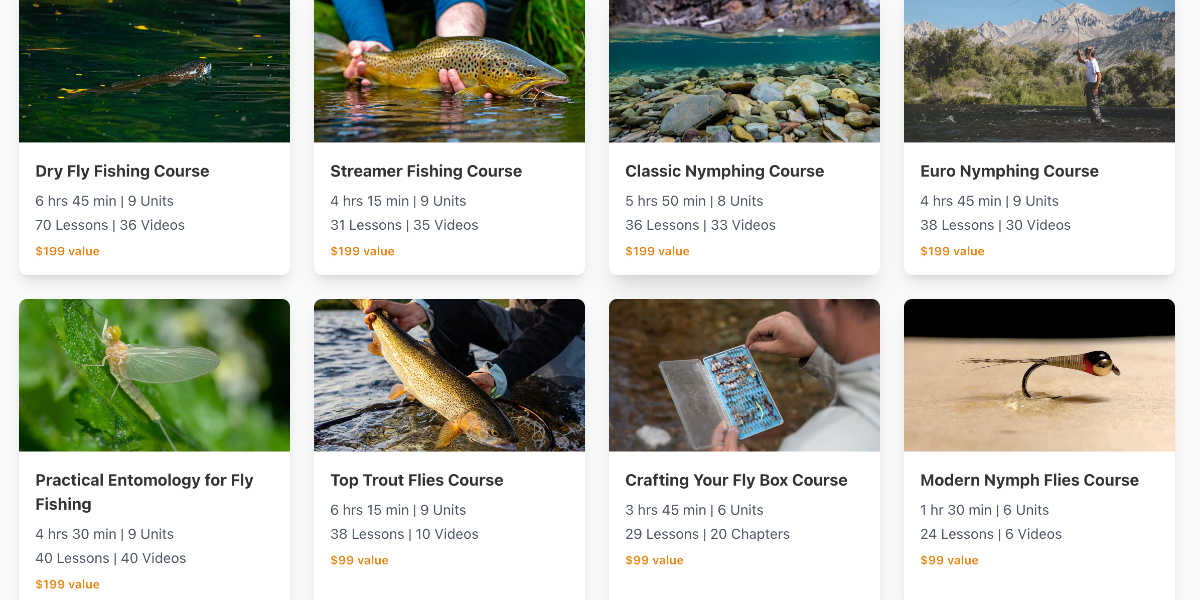
8 Premium Courses
~1,600 Pages & 30+ hrs of Video covering the most important topics
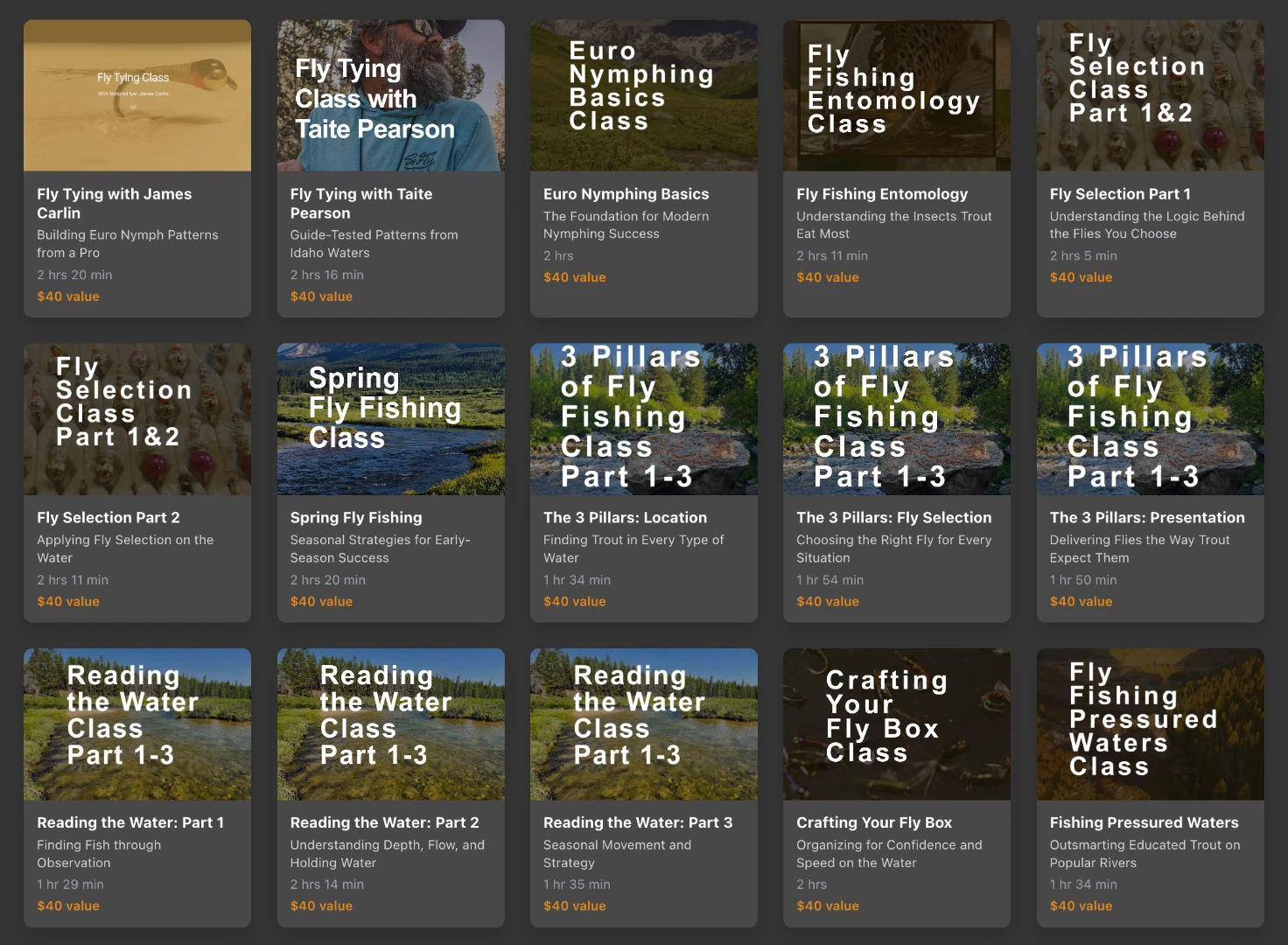
15 Video Classes
1-2hr Power Classes on Key Subjects and solidify your learnings
6 Streamside Courses
10+ Hours of Fishing to See Our Methods in Action

Recommended Reading
If this framework has you thinking about how insect life stages should drive your fly selection, Build Your Fly Box Around Insect Stages goes deeper on using the lifecycle as your primary organizing system. It's a natural next read after working through the audit here.
And if you've ever grabbed two flies with the same name from different tiers of your box and wondered why they fish so differently, Why Two Flies With the Same Name Fish Differently explains exactly why pattern names alone don't tell you what job a fly fills – which is precisely why the job-based approach matters.