
How to Set Up Your Spring Fly Box for Trout
Why a Seasonal Fly Box Matters
Essential Patterns for Western and Eastern Rivers
You’re standing on the bank in early April. The water is still cold, maybe 42 degrees, but you can see a few subtle rises in the tailout below you. You crack open your fly box and realize you’re staring at last summer’s leftovers: size 10 hoppers, a handful of big stonefly dries, and a random assortment of nymphs that worked great in July. Nothing in front of you matches what’s happening on the water right now. That moment of frustration is entirely preventable.
This guide will help you build a spring fly box setup that actually matches the season, whether you fish western freestones and tailwaters or eastern limestone creeks and Appalachian rivers. We’ll cover dry flies, classic nymphs, euro nymph patterns, and streamers, with specific fly names and quantities so you can stock your box with confidence before your next trip.
If you want to go deeper on seasonal fly box strategy, fly selection frameworks, and the “why” behind every pattern choice, Trout University VIP gives you access to full courses on all of it.
Spring is the season most dependent on correct fly selection. Four insect categories dominate spring activity: midges, mayflies, caddis, and stoneflies. These four groups account for nearly three-quarters of all bug life occurring in spring. If your fly box doesn’t reflect that reality, you’re fishing behind the curve before you even make a cast.
Here’s the core issue: every fly you add to your box displaces space for another fly. If your box is still loaded with summer terrestrials and big attractors, you’re underrepresenting the patterns that matter right now. A seasonal approach solves this by ensuring you carry only what is relevant to current conditions.
Benefits of a seasonal spring box:
- You find the right fly in seconds instead of digging through three boxes of irrelevant patterns
- Gaps become visually obvious, so you know exactly what to restock before your next trip
- You carry less weight and fewer boxes while being better prepared
- You match hatches faster, which means more time with your fly in the water
The more time your fly spends in the water, the greater your chances of catching fish. Time spent searching through disorganized boxes is time not fishing.
Building a seasonal fly box also connects directly to the Three Pillars of Fly Fishing: Location + Fly Selection + Presentation = Catch Fish. Your spring fly box is the physical expression of the Fly Selection pillar. Without the right flies organized for the season, even perfect location choices and flawless presentation will fall short.
Trout University
The Best Way to Master Fly Fishing for Trout
Everything you need to learn how to fly fish for trout.
From fly selection to presentation and location, all in one place.
8 Premium Courses
15 Video Classes
1-2hr Power Classes on Key Subjects and solidify your learnings
6 Streamside Courses
10+ Hours of Fishing to See Our Methods in Action
No Credit Card Required or Auto Renewal
The Spring Fly Box Checklist: Your Quick-Reference Overview
Before we dive deeper into each category, here’s the full picture at a glance. Use this as a shopping list or a box-audit checklist.
Dry Flies (Spring)
- Griffith’s Gnat (sizes 16-20)
- Smokejumper (sizes 18-22, black and olive)
- Parachute Adams (sizes 16-20, gray and olive)
- Foamwing Parachute BWO (sizes 18-20)
- Elk Hair Caddis (sizes 14-18, tan and black)
- Hemingway Caddis (sizes 14-20, black and gray)
- Crystal Stimulator (sizes 12-16, tan and yellow)
Classic Nymphs (Spring)
- Beadhead Pheasant Tail (sizes 12-18)
- Beadhead Hare’s Ear (sizes 12-16, tan and olive)
- Zebra Midge (sizes 16-22, black, olive, brown)
- Mercury Midge (sizes 18-24, black, olive, red)
- Mercury Baetis (sizes 18-22, olive)
- Pat’s Rubberleg (sizes 10-14, black)
- Squirmy Worm (sizes 12-16, red and pink)
- BH Scud (sizes 16-20, olive and pink)
- Rainbow Warrior (sizes 18-22)
Euro Nymphs (Spring)
- Perdigon (sizes 14-18, olive, black, brown)
- French Euro / France Fly (sizes 10-16, gold and black/orange)
- Walt’s Worm (sizes 14-16, tan and olive)
- Thread Body Nymph (sizes 16-20, olive and brown)
- Pheasant Tail Euro (sizes 14-18, natural)
Streamers (Spring)
- Conehead Woolly Bugger (sizes 6-10, olive, black, brown)
- Egg-Sucking Leech (sizes 6-10, purple)
- Clouser Minnow (sizes 6-10, chartreuse/white)
Quantities: For nymphs and dries, carry approximately 3 of each size per color. For streamers, 1-2 of each size is sufficient since they’re lost less frequently than smaller flies.
Now let’s break down the most important categories in detail.
Dry Flies for Spring: Small, Sparse, and Ready for the First Hatches
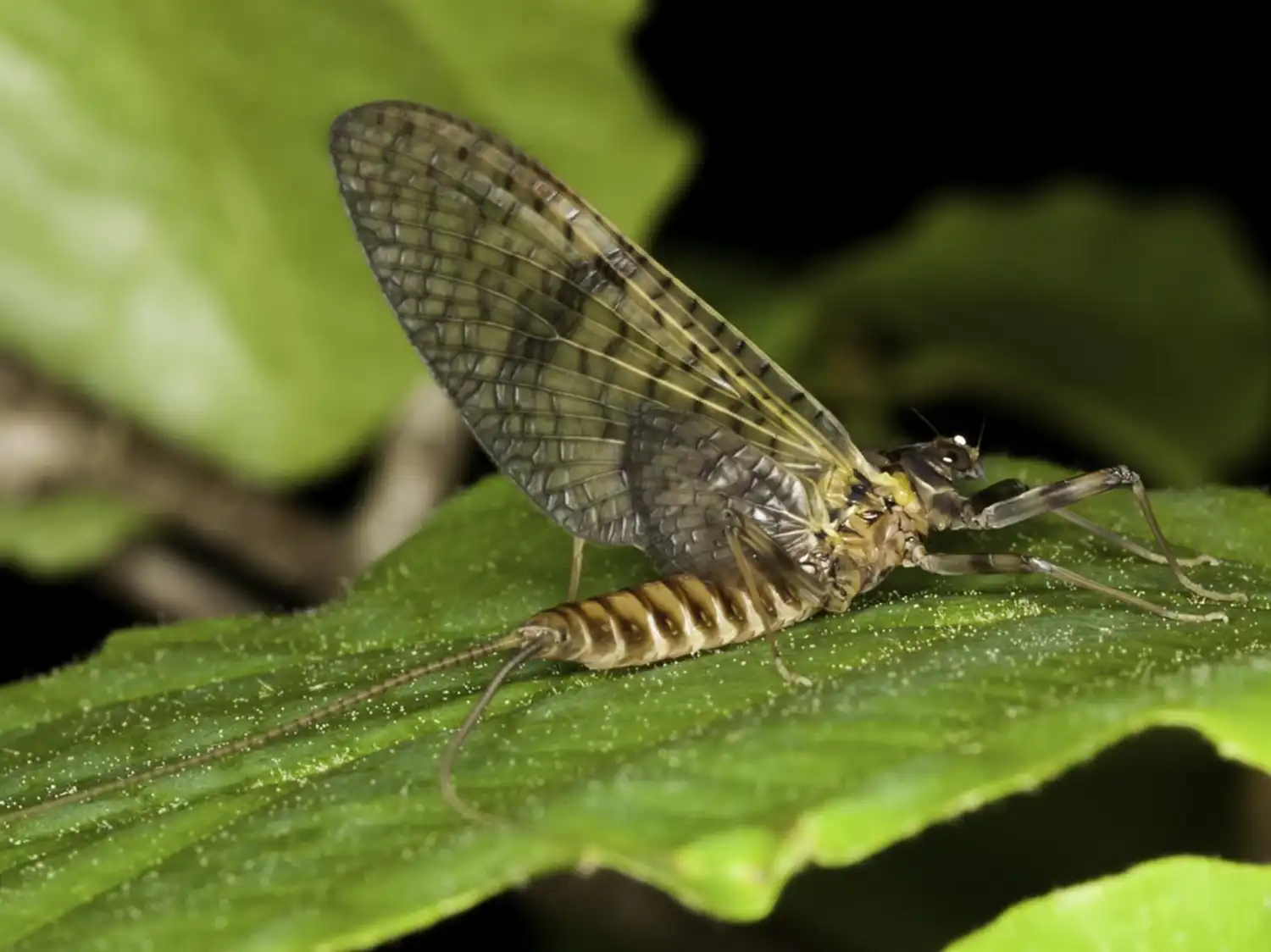
Spring dry fly fishing is a game of patience and precision. You’re not going to see the explosive surface action of summer. Instead, you’ll encounter slow, methodical rises on midges and Blue-Winged Olives (BWOs), with caddis and small stoneflies joining the menu as water temperatures climb through April and May.
Midges come first. In the early weeks of spring, midges are the dominant food source. Fish eat every life stage: nymphs, emergers, and dries. Your spring dry box needs small midge patterns in the size 16-22 range. The Griffith’s Gnat is your workhorse here. It imitates a cluster of midges on the surface and is visible enough for you to track on the water. Pair it with Smokejumpers in black and olive (sizes 18-22), which do double duty as both midge and BWO emerger/dry imitations.
BWOs are the marquee spring hatch. As water temperatures push into the mid-40s and above, Blue-Winged Olives become the primary mayfly event. Overcast, drizzly days are prime time. Stock Foamwing Parachute BWOs in sizes 18-20 (olive) and Parachute Adams in olive and gray (sizes 16-20). The Parachute Adams is one of the most versatile dry flies ever designed. By adjusting the body color, you can cover BWOs, PMDs, and other mayflies with a single pattern platform.
Caddis and small stoneflies appear mid-to-late spring. As things warm up, caddis emergers and adults start showing. Elk Hair Caddis in tan and black (sizes 14-18) are essential. The Hemingway Caddis in black also doubles as a Little Black Stonefly imitation early in the season, giving you two insects covered with one pattern. If you fish water with golden stonefly or yellow sally activity, a few Crystal Stimulators in tan and yellow (sizes 12-16) round out the box.
Organizing tip: Arrange your spring dry box from smallest on top to largest on bottom. Midges and BWO patterns go in the top rows, caddis and emergers in the middle, and any larger stonefly dries at the bottom. This mirrors the seasonal progression and makes pattern selection intuitive.
For a deeper look at dry fly fishing in colder conditions, check out our guide on Winter Dry Fly Fishing: How to Find and Fish the Narrowest Window of the Year. Many of those principles carry directly into early spring.
Classic Nymphs: The Backbone of Your Spring Box
If there’s one category you cannot afford to shortchange in spring, it’s nymphs. Trout feed subsurface roughly 80-90% of the time, and in early spring that percentage is even higher. Cold water keeps insects on the bottom longer, and trout are not going to expend energy rising to the surface unless there’s a compelling reason.
Midges and BWO nymphs are your starting point. Zebra Midges in black, olive, and brown (sizes 16-22) are impressionistic patterns that cover a wide range of midge and small mayfly nymphs. Mercury Midges in sizes 18-24 give you a more imitative option when fish are being picky. Rainbow Warriors (sizes 18-22) serve as attractor-style midge and BWO nymph imitations, and they’re one of the most consistently productive patterns on tailwaters year-round.
For BWO-specific coverage, Mercury Baetis in olive (sizes 18-22) are hard to beat. These are imitative patterns that closely match the BWO nymph profile.
Mayfly and stonefly nymphs fill out the box. Beadhead Pheasant Tails (sizes 12-18) and Beadhead Hare’s Ears (sizes 12-16) are two of the most versatile nymph patterns ever tied. Between them, you can impressionistically cover mayflies, caddis larvae, and even small stoneflies. Pat’s Rubberleg in black (sizes 10-14) handles the larger stonefly nymph imitation, which becomes increasingly important as spring progresses and stoneflies grow toward their emergence size.
Don’t overlook “junk flies” in spring. Squirmy Worms in red and pink (sizes 12-16) are particularly effective in spring when aquatic worms are naturally dislodged by higher flows and snowmelt. BH Scuds in olive and pink (sizes 16-20) cover tailwater and spring creek situations where scuds are a year-round food source.
A reliable early spring nymph rig: Start your day with a stonefly nymph (like a Pat’s Rubberleg) as the anchor fly, a BWO nymph (Mercury Baetis) in the middle, and a small midge (Zebra Midge) as the trailing fly. This combination covers the three most likely food sources and gives you a built-in process of elimination to figure out what fish are eating.
If you want a thorough walkthrough of indicator nymphing fundamentals, our guide on How to Classic Nymph: The Fundamentals Most Anglers Never Learn covers rigging, drift management, and strike detection in detail.
Learn To Nymph
The Right Way
Access step-by-step expert instruction, immersive visuals, and lifetime access.
- 8 Units & 36 Lessons (66 Chapters)
- 30+ HD Videos
- Learn the most reliable way to catch fish
- Learn strategy, rigging, casting, drift, landing and more
- Lifetime access & coupons for over $225 in savings
- Take at your own pace – easy to read and remember
Euro Nymphs: Getting Deep When It Matters Most
Euro nymphing is one of the most effective techniques for spring trout fishing. Cold water means fish hold tight to the bottom, and euro-style flies are designed to get there fast with minimal bulk. The slim profiles and heavy tungsten beads that define modern euro nymphs give you a direct line to the strike zone.
The core euro nymph patterns for spring:
Perdigon (sizes 14-18, olive, black, brown): The quintessential slim-profile euro nymph. Fast-sinking, durable, and effective as both a searching pattern and an impressionistic imitation. Tie or buy these in at least three bead weights per size so you can adjust to different water depths without changing the fly itself.
France Fly / French Euro (sizes 10-16, gold and black/orange): A versatile impressionistic pattern that covers stonefly and mayfly nymph silhouettes. The gold version works well as a general searching pattern, while the black/orange version pulls double duty during stonefly nymph activity.
Walt’s Worm (sizes 14-16, tan and olive): A buggy, slightly bulkier pattern that imitates caddis larvae, mayfly nymphs, and scuds depending on the color and size. This is a confidence fly for many competitive anglers and earns a permanent spot in any spring euro box.
Pheasant Tail Euro (sizes 14-18, natural): The euro-style version of the classic Pheasant Tail, tied slim on a jig hook with a tungsten bead. Effective on virtually every trout river in the world.
Thread Body Nymph (sizes 16-20, olive and brown): Ultra-slim patterns that use thread as the primary body material. These sink fast and present a natural silhouette that selective trout find hard to refuse.
Weight is the most important variable. In our experience at The Catch and The Hatch, the difference between catching a few fish and catching a lot of fish often comes down to bead size, not pattern choice. For each euro nymph pattern, carry at least two bead weights. For example, tie a size 16 Walt’s Worm with both a 2.4mm bead (for shallower riffles) and a 3.3mm bead (for deeper runs and buckets). If your flies aren’t ticking the bottom, you’re fishing too light. If they’re constantly snagging, you’re too heavy.
For a complete breakdown of euro nymphing technique, rigging, and fly selection, check out How to Start Euro Nymphing: A Complete Beginner’s Guide.
Spring Streamers: When Conditions Call for Something Bigger
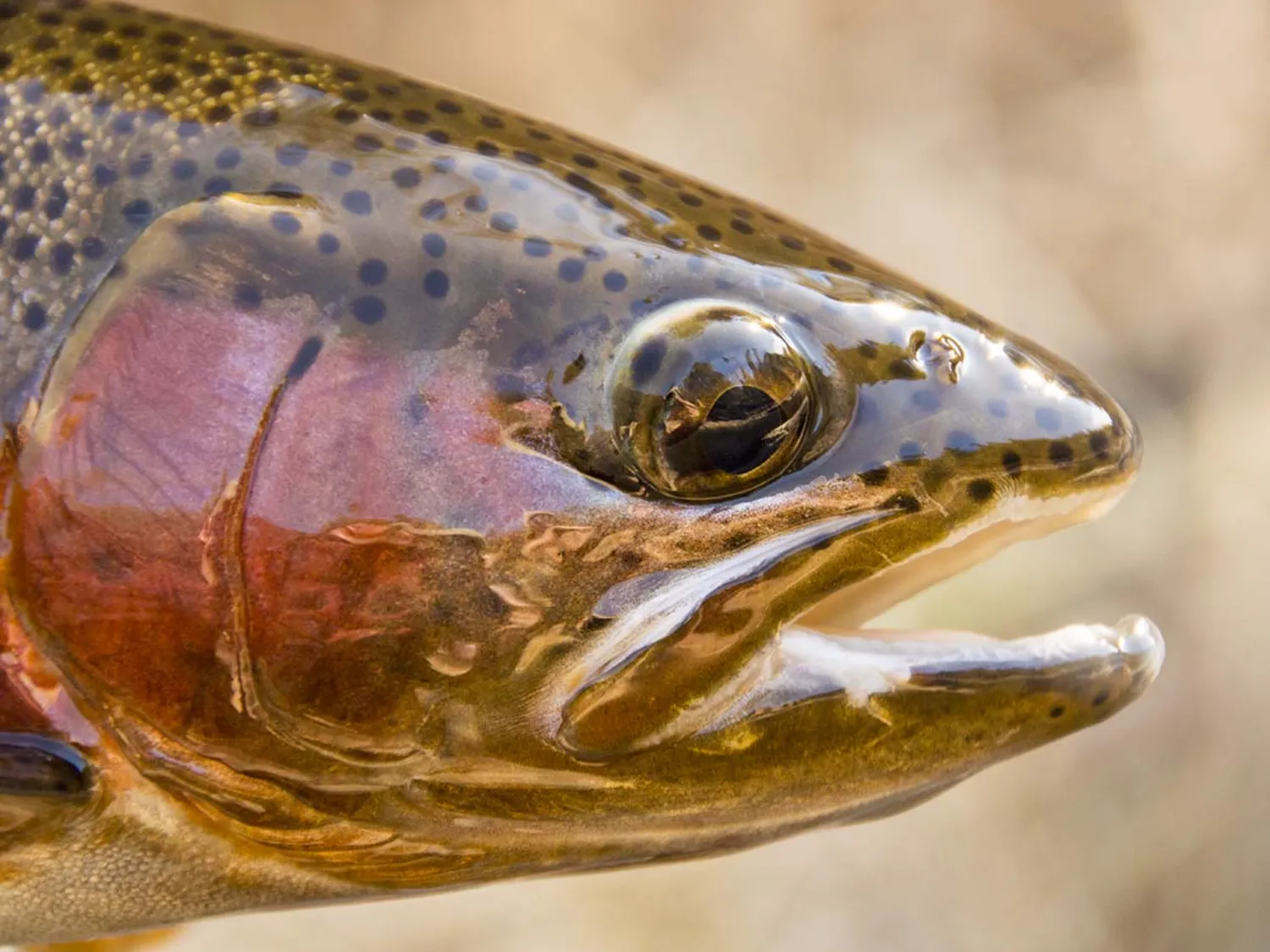
Streamers aren’t the first thing most anglers reach for in spring, but they earn their place in the rotation under specific conditions. Higher flows from snowmelt push baitfish into vulnerable positions. Off-color water reduces trout visibility, which means fish rely more on movement and profile than precise imitation. And early spring spawning activity (particularly for rainbows) makes nearby non-spawning trout more aggressive and territorial.
Keep your spring streamer selection simple:
Conehead Woolly Bugger (sizes 6-10, olive, black, brown): The most versatile streamer ever designed. Dead-drifted, it imitates a stonefly or leech. Stripped, it’s a fleeing baitfish. In spring, the conehead version gets you down into the strike zone in higher flows.
Egg-Sucking Leech (sizes 6-10, purple): Effective during and after spawn periods. Fish leeches with an occasional jig motion during the drift, then let them swing across the current at the end.
Clouser Minnow (sizes 6-10, chartreuse/white): A crossover pattern that works for trout and bass alike. Useful on larger rivers where baitfish are present.
When to throw streamers in spring: Look for off-color water after rain events, early morning and late evening windows, or situations where trout are visibly chasing each other or baitfish. If you can’t buy a bite on nymphs or dries after a solid effort, a streamer change can sometimes unlock fish that are keyed on larger prey.
Western vs. Eastern Spring Fly Boxes: Regional Adjustments
A well-built spring fly box for one western state will generally cover most of the western United States. The same principle applies to the East. But there are important regional differences worth noting.
| Category | Western Rivers | Eastern Rivers |
|---|---|---|
| Primary early spring insects | Midges, BWOs, small stoneflies | Midges, BWOs, early black stoneflies |
| Key mayfly hatches | BWOs, some early PMDs (late spring) | Hendricksons, March Browns, BWOs |
| Caddis timing | Mid-to-late spring | Earlier on some freestones; Chimarra caddis on certain rivers |
| Stonefly emphasis | Skwala (where present), golden stones building | Early black stoneflies, smaller species |
| Water types | Tailwaters, large freestones, spring creeks | Limestone creeks, Appalachian freestones, tailwaters |
| Typical fly sizes | 14-22 (smaller on tailwaters) | 12-20 (slightly larger on some freestones) |
Western-specific additions:
- Skwala Stonefly nymphs (Pat’s Rubberleg, sizes 10-14, black) and dries (Stimulator, sizes 8-14, black) on rivers where Skwala hatches occur
- Extra midge coverage in small sizes (20-24) for pressured tailwaters
- WD-40 nymphs (sizes 20-24) as a versatile midge/BWO crossover pattern
Eastern-specific additions:
- Hendrickson dries (Parachute Adams, sizes 12-16, tan and pink bodies) for one of the East’s most anticipated spring hatches
- March Brown dries (Parachute Adams, sizes 12-16, tan and light yellow)
- Beadhead Pheasant Tail in slightly larger sizes (12-16) to cover Hendrickson and March Brown nymphs
- Elk Hair Caddis in black (sizes 12-16) for Chimarra caddis and other early eastern caddis species
The key takeaway: you don’t need to rebuild your entire fly collection for a different region. In most cases, adding a small side box of 15-20 region-specific patterns to your core spring selection will cover you.
If you want a ready-made starting point, the Top Trout Fly Assortment covers proven patterns across dry flies, nymphs, and streamers that work on both western and eastern water.
How the Three Pillars Connect to Your Spring Fly Box
Everything in this article ties back to a simple framework: Location + Fly Selection + Presentation = Catch Fish.
Your spring fly box is the Fly Selection pillar made physical. But it doesn’t work in isolation.
Location means choosing the right water for spring conditions. Are flows fishable? Is the water too cold for surface activity, pointing you toward nymphing runs? Or is it an overcast 48-degree day on a tailwater, which is prime BWO territory? Your location choice informs which section of your fly box you’ll be working from.
Fly Selection is the process of narrowing down from your seasonal box to the specific pattern that matches what trout are eating right now. This is where entomology knowledge, seine sampling, and observation come together. If you know your bugs, their seasonal timing, and their life stages, you can systematically work through the process of elimination and land on the right fly in 1-5 tries instead of 10-15.
Presentation is where your planning pays off. The right fly, delivered with a natural drift at the correct depth, is what converts all your preparation into fish. In spring, that often means heavier nymph rigs for deeper, slower drifts in cold water, or delicate dry fly presentations during afternoon midge and BWO windows.
Missing any one of these pillars means missed fish. You can’t have perfect presentation with the wrong fly. You can’t have the right fly in unproductive water. And you can’t be in the right spot with the right pattern and blow the drift. The framework keeps you honest about where the weak link is on any given day.
Your Next Trip Plan: 3 Things to Do This Weekend
1. Audit your current fly box against the spring checklist above. Pull out anything that’s purely a summer or fall pattern (big hoppers, October caddis, large terrestrials). Identify gaps in your midge, BWO, and small stonefly coverage. Fill those gaps before your next trip.
2. Build a “working fly box” for your specific outing. The night before you fish, check local fishing reports to see what insects are active. Pull 15-25 flies from your main spring box into a small, compact working box that covers the expected hatches in multiple life stages (nymph, emerger, dry). This saves time on the water and builds decision-making confidence.
3. Start your day with the three-fly nymph rig. Tie on a stonefly nymph as your anchor, a BWO nymph in the middle, and a midge pattern as your trailer. Fish this systematically through productive water. Pay attention to which fly gets eaten, and let that information guide your next move. If fish start rising, you’ll already know what they’re likely eating based on what worked below the surface.
Go Deeper with Trout University VIP
Building the right spring fly box is one piece of the puzzle. Knowing why each pattern is in your box, when to reach for it, and how to present it across different water types and conditions is what separates anglers who occasionally catch fish from anglers who consistently catch fish.
That’s exactly what Trout University VIP was built for.
Inside Trout University, you get access to full courses on all three pillars of fly fishing. The Crafting Your Fly Box Course walks you through the exact framework for building seasonal, purpose-driven fly boxes with fly-by-fly breakdowns, downloadable spreadsheets, and real examples you can replicate. The entomology courses teach you the 13 major insect categories so you can identify what trout are eating on any river, in any season. And the presentation courses cover everything from classic nymphing to euro nymphing to dry fly technique, so you can deliver the right fly with confidence.
You don’t need to figure all of this out through trial and error. The frameworks, the seasonal strategies, the fly-by-fly box plans: they’re all waiting for you inside Trout University.
Try Trout University VIP free for 30 days. If it doesn’t make you a more confident, more prepared, more effective angler, you’ve lost nothing. But if it clicks, and for most anglers it does, you’ll wonder how you ever showed up to the river without it.
Trout University
The Best Way to Master Fly Fishing for Trout
Everything you need to learn how to fly fish for trout.
From fly selection to presentation and location, all in one place.
8 Premium Courses
15 Video Classes
1-2hr Power Classes on Key Subjects and solidify your learnings
6 Streamside Courses
10+ Hours of Fishing to See Our Methods in Action
No Credit Card Required or Auto Renewal
