
Fly Fishing Newsletter
Helpful Knowledge to Make You a Stronger Angler
Written by The Catch and The Hatch
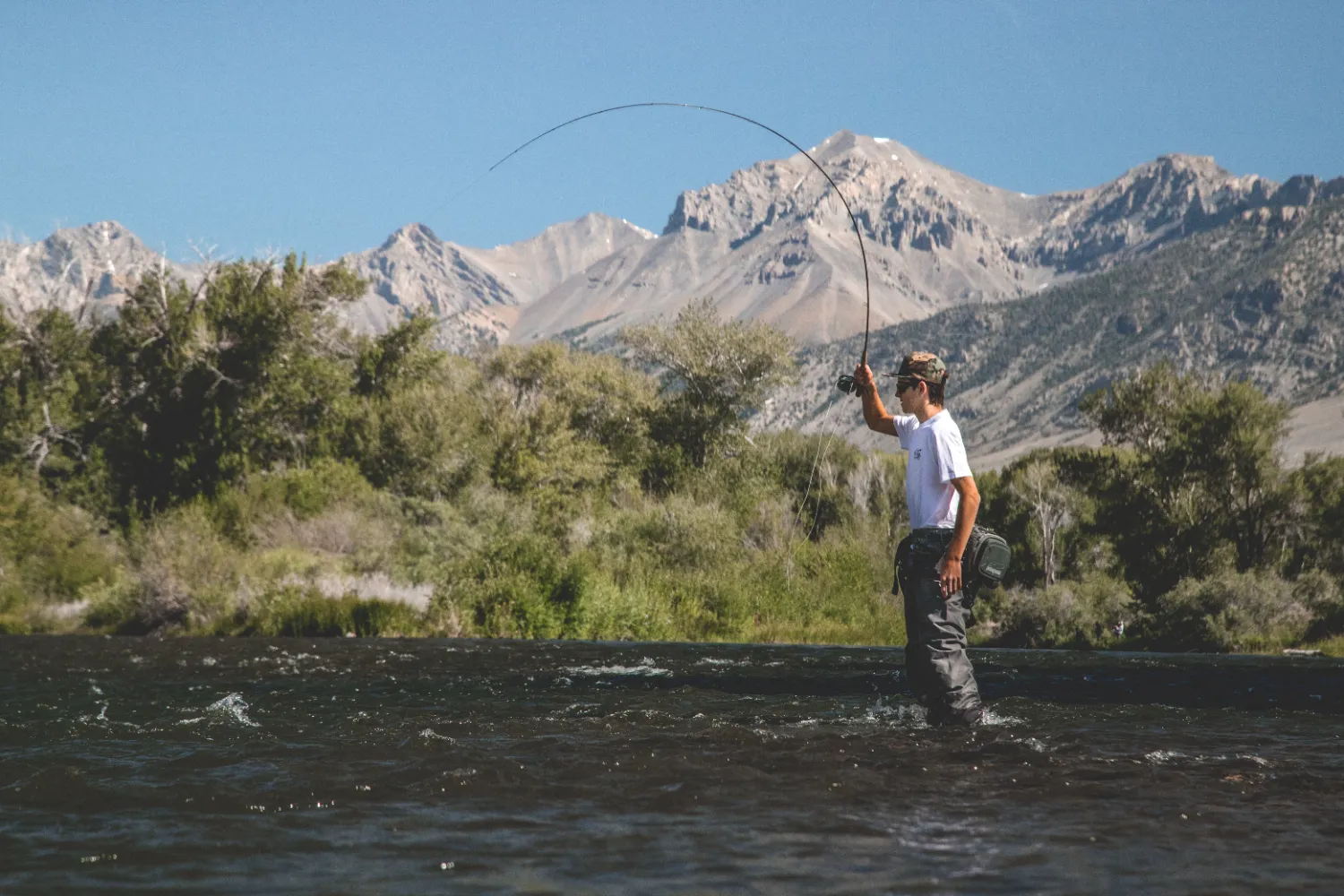
Should You Use a Heavy Leader or a Micro Leader?
Should You Use a Heavy Leader or a Micro Leader? How to balance turnover, sensitivity, and control Neither choice is universally better. A heavier leader is easier to cast, turns over medium-to-heavy nymphs reliably, and gives beginners and intermediate…
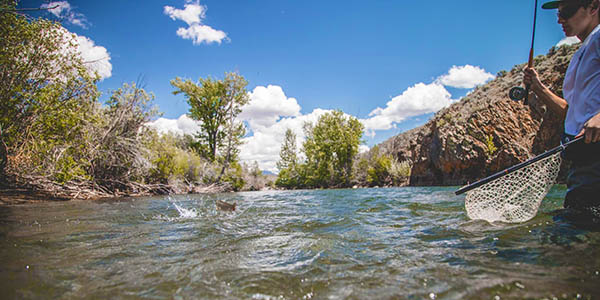
Your Sighter Can Lie to You
Your Sighter Can Lie to You How to recognize lost contact in a Euro drift The sighter moving downstream does not mean your flies are doing the same thing. This is one of the most common misunderstandings in euro nymphing , and it costs anglers fish every…
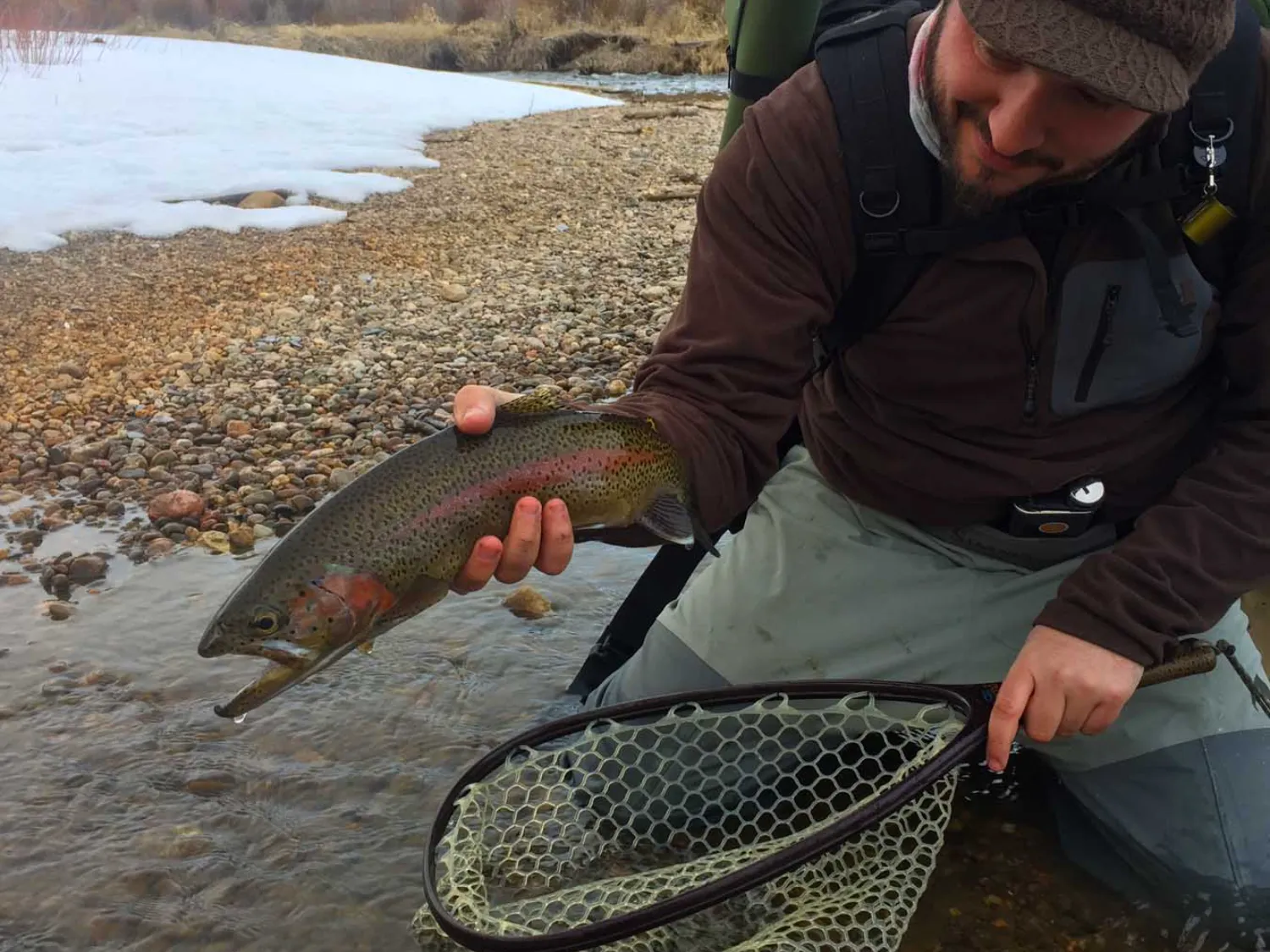
Where Should You Stand When Euro Nymphing?
Where Should You Stand When Euro Nymphing? How position creates a better 90-degree drift Stand upstream and slightly across from your target seam, close enough that your leader travels nearly straight downstream to the fly. That single decision – where you…
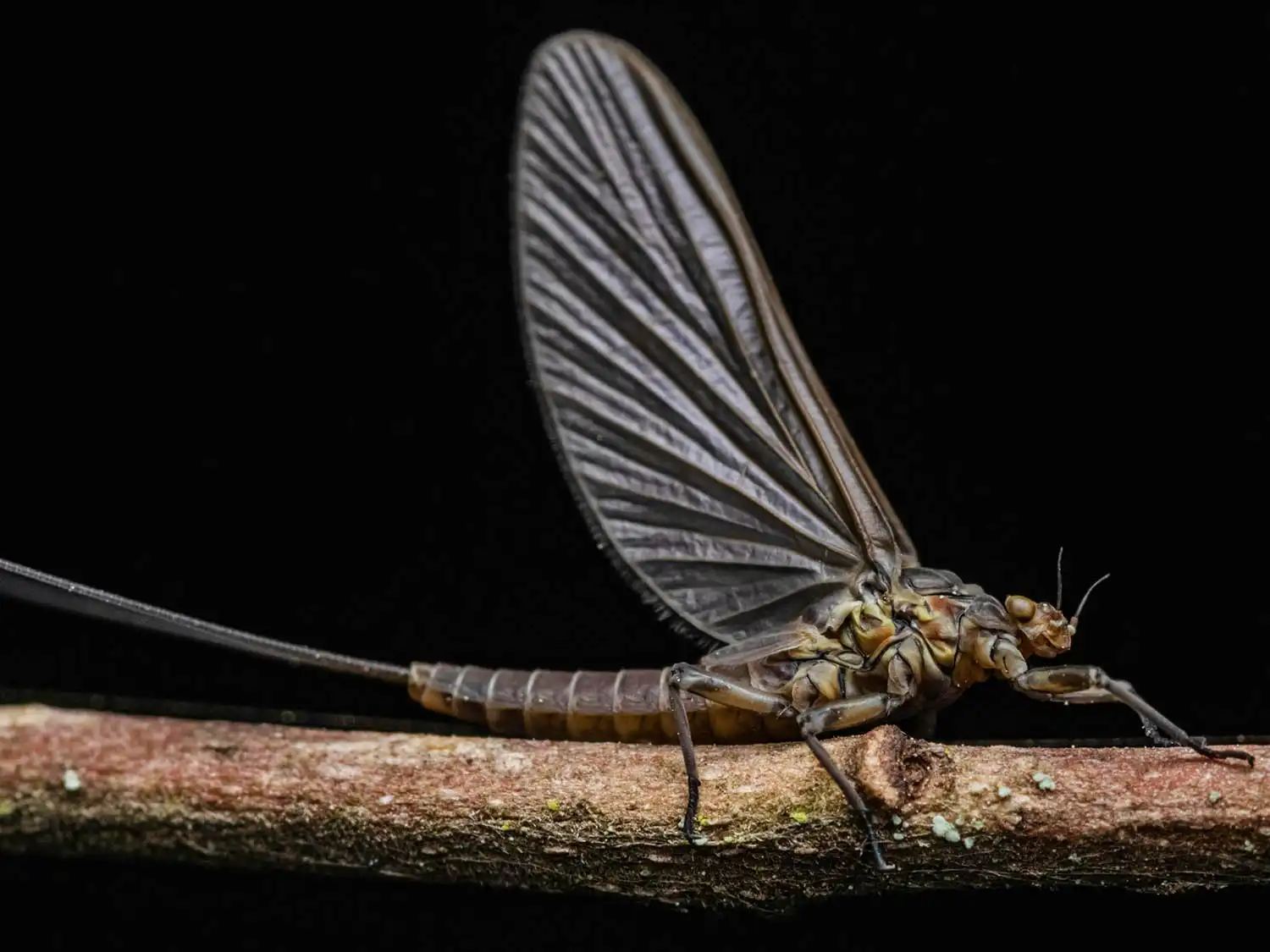
Are Trout Eating Emergers or Duns?
Are Trout Eating Emergers or Duns? How to identify the stage fish are taking When trout are rising and your dry fly keeps getting refused, the problem is usually not the pattern – it’s the stage. Identifying the insect family is the first step, but trout…
What Do Trout Eat Between Hatches?
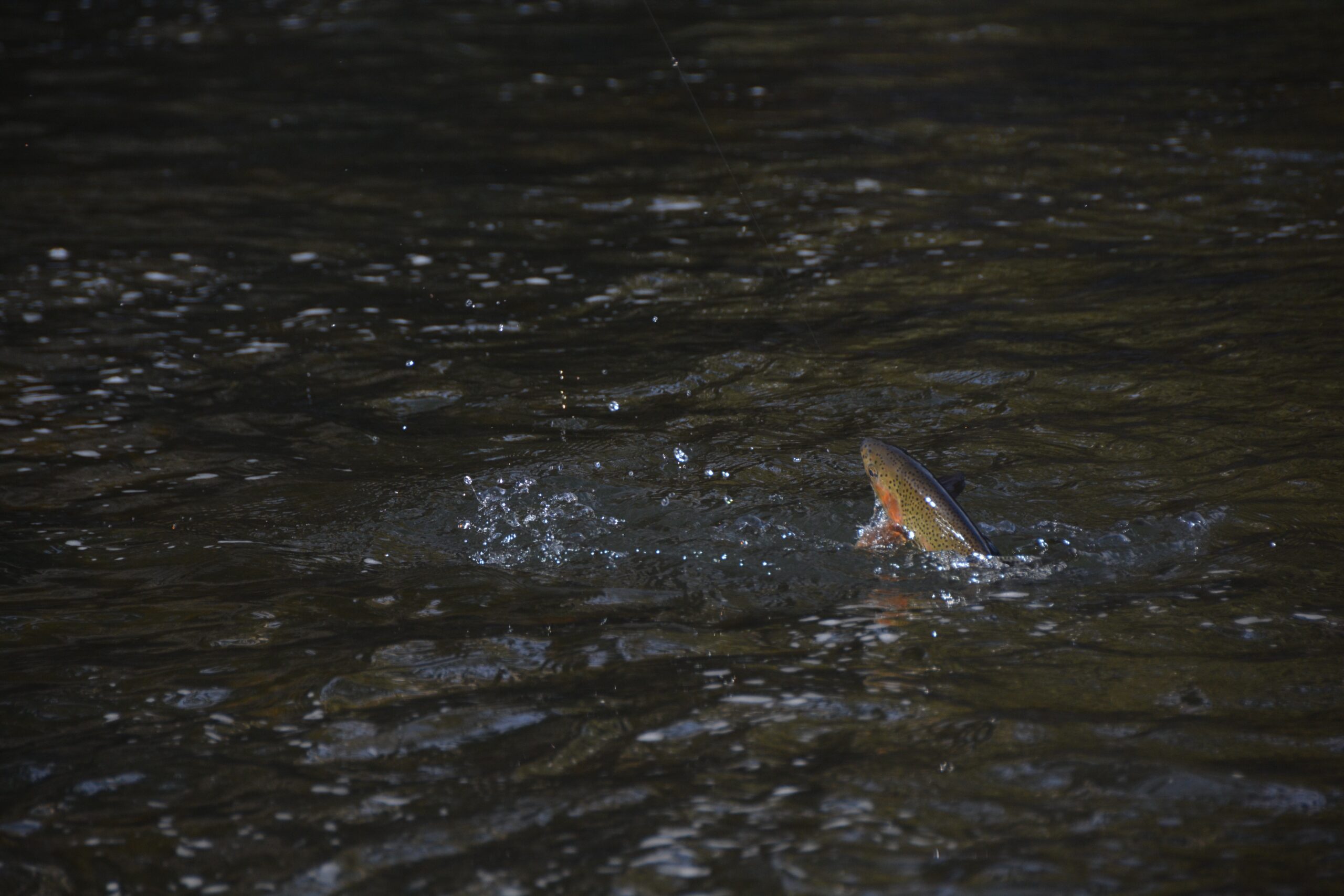
What Do Trout Eat Between Hatches? How to find the food you cannot see Between hatches, trout eat nymphs, larvae, and pupae drifting subsurface. They do not stop feeding when adults disappear from the water. Mayfly nymphs, caddis larva e and pupae, midge…
Why a Hatch Chart Cannot Predict Your Day
Why a Hatch Chart Cannot Predict Your Day How conditions change the timing of a hatch A hatch chart tells you what insects are probable on a given river during a given month. It does not guarantee a hatch will happen on any specific day, at any specific…
A Famous River Is Not Always the Right River
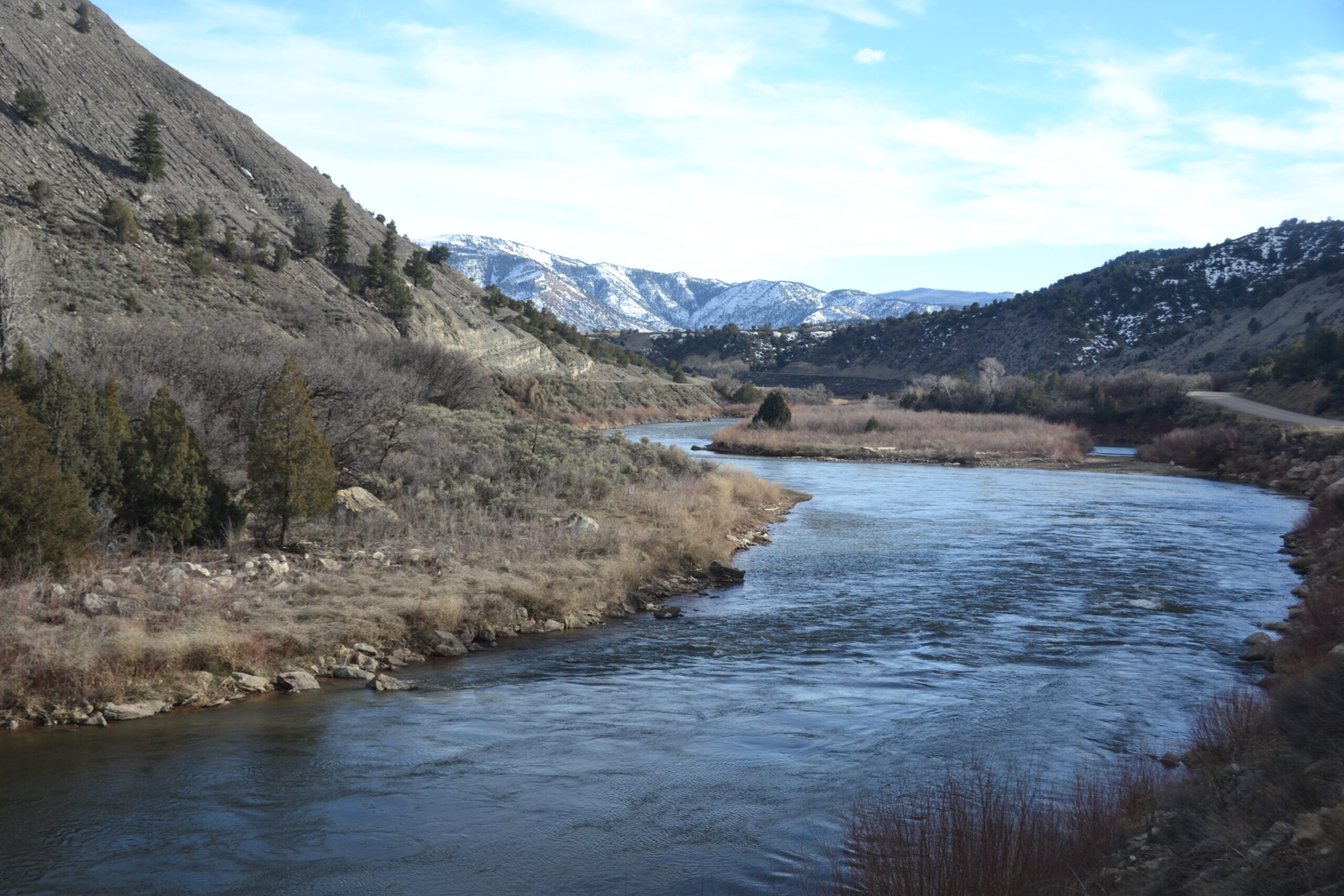
A Famous River Is Not Always the Right River How to compare Colorado fishing options Picking a river by name and reputation alone is one of the most common mistakes Colorado fly anglers make. The right river for any given day is the one that matches your…
Which Part of the River Should You Fish?
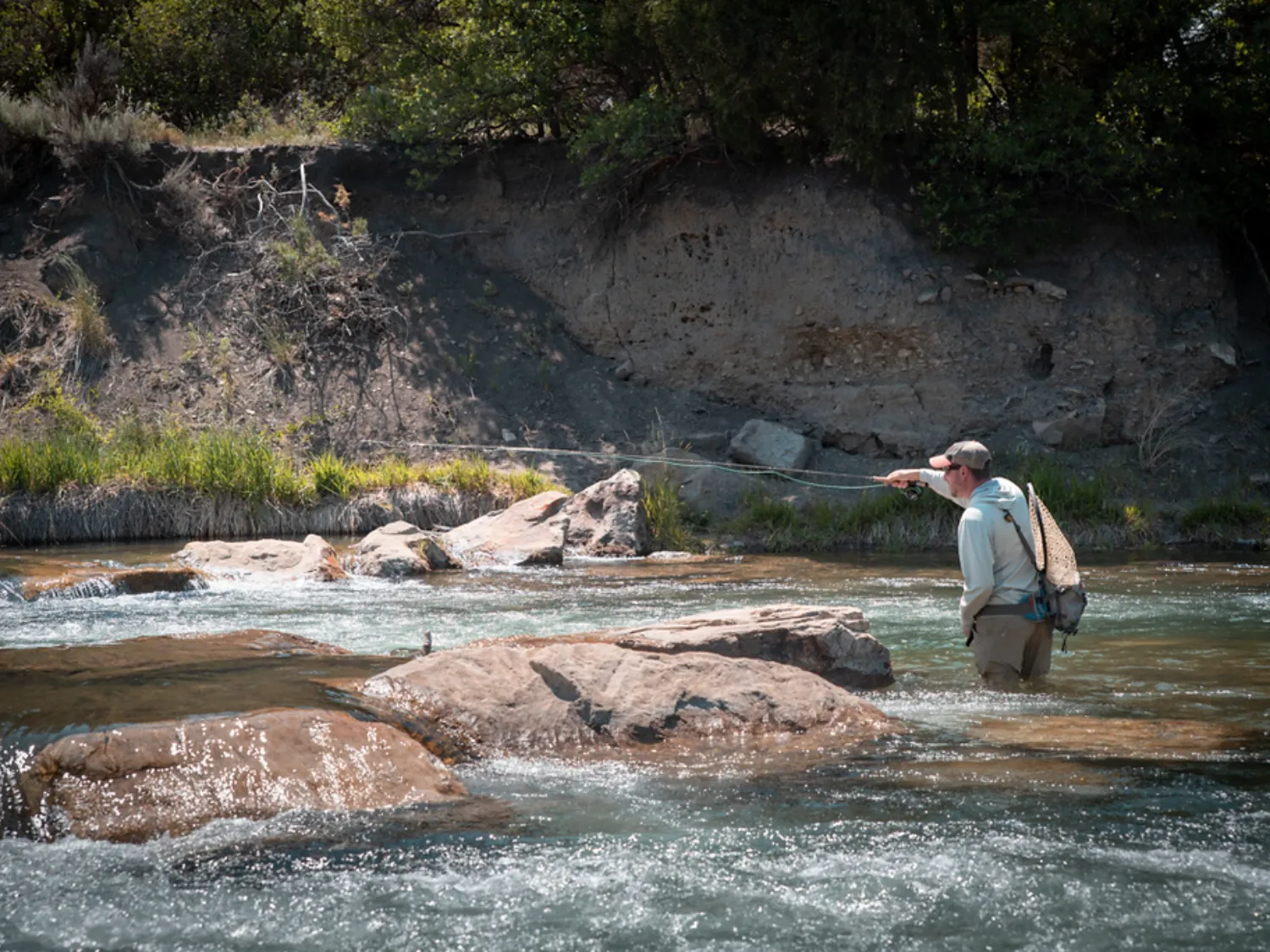
Which Part of the River Should You Fish? How to choose the right Colorado river section Picking a section of river is the real decision, not picking a river name. The South Platte runs for miles through terrain that ranges from easy roadside access to a steep…
What Does That Streamflow Number Actually Mean?
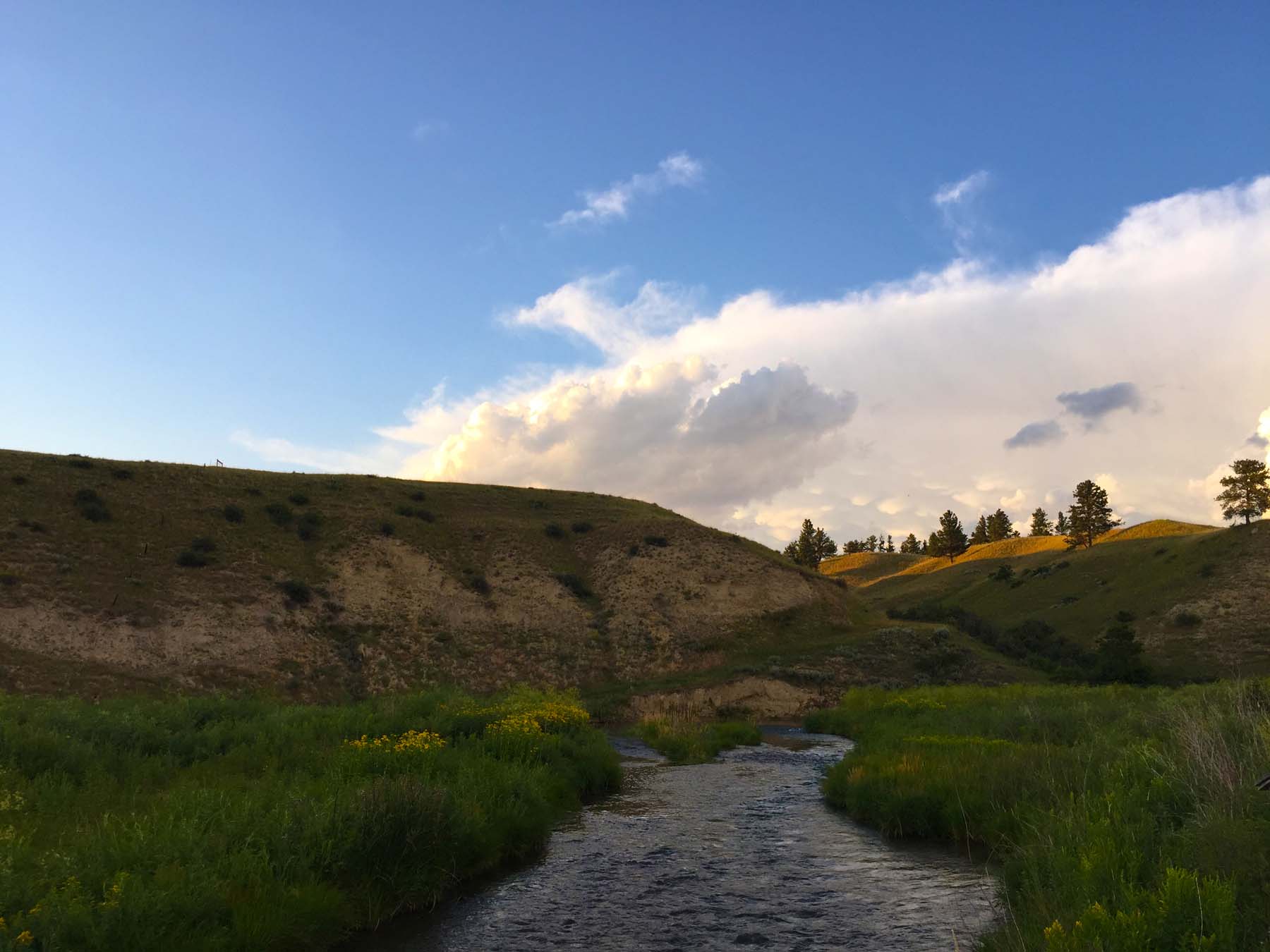
What Does That Streamflow Number Actually Mean? How to turn Colorado flows into fishing decisions A CFS number by itself does not tell you whether a river is fishable. It tells you how much water is moving past a gauge point per second, but it says nothing…
Why Two Flies With the Same Name Fish Differently
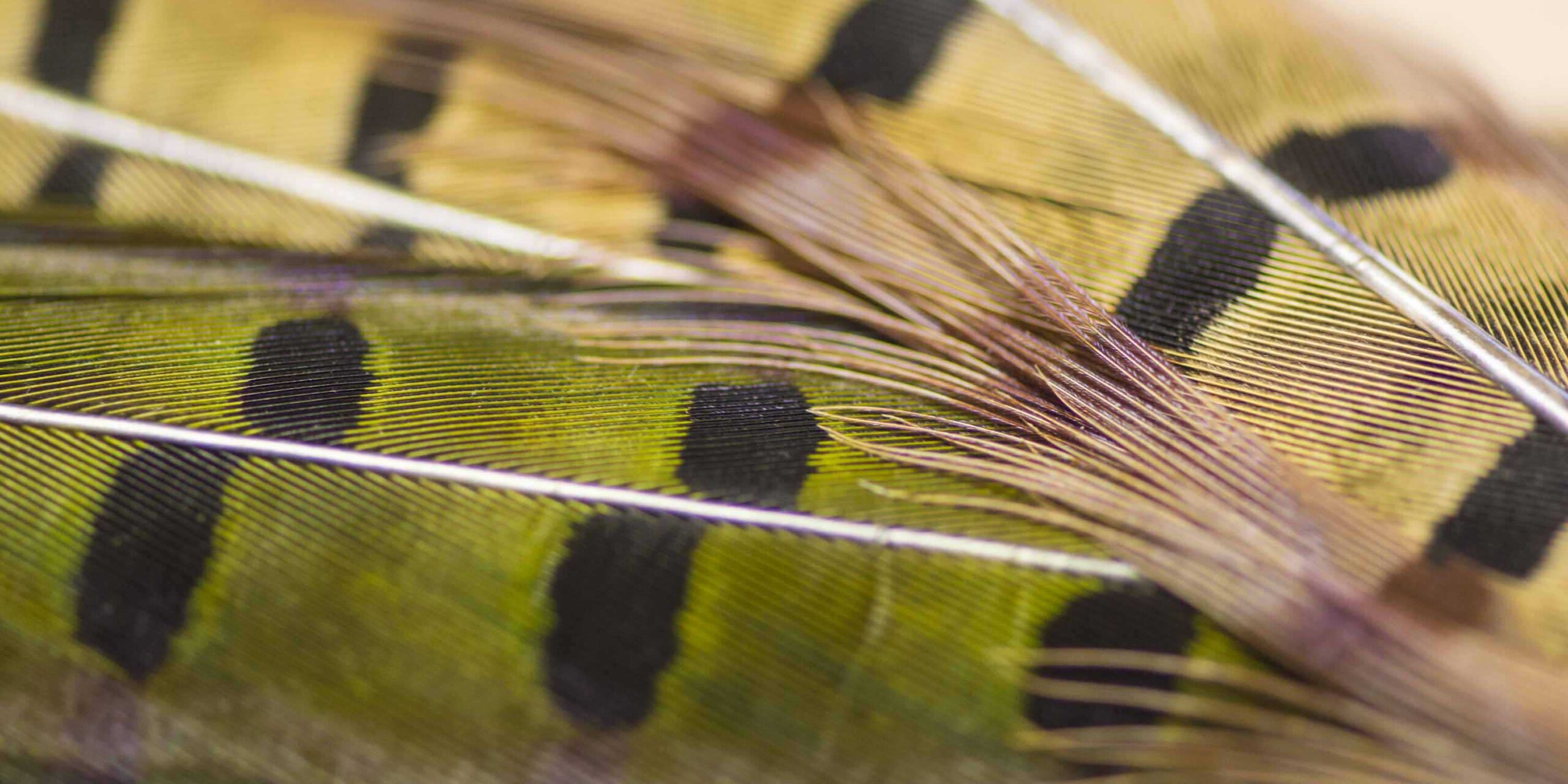
Why Two Flies With the Same Name Fish Differently How weight, profile, and materials change performance Two flies can share a name, come from the same tying tradition, and still fish completely differently. The difference lives in three things: weight,…
What Makes a Good Search Fly?
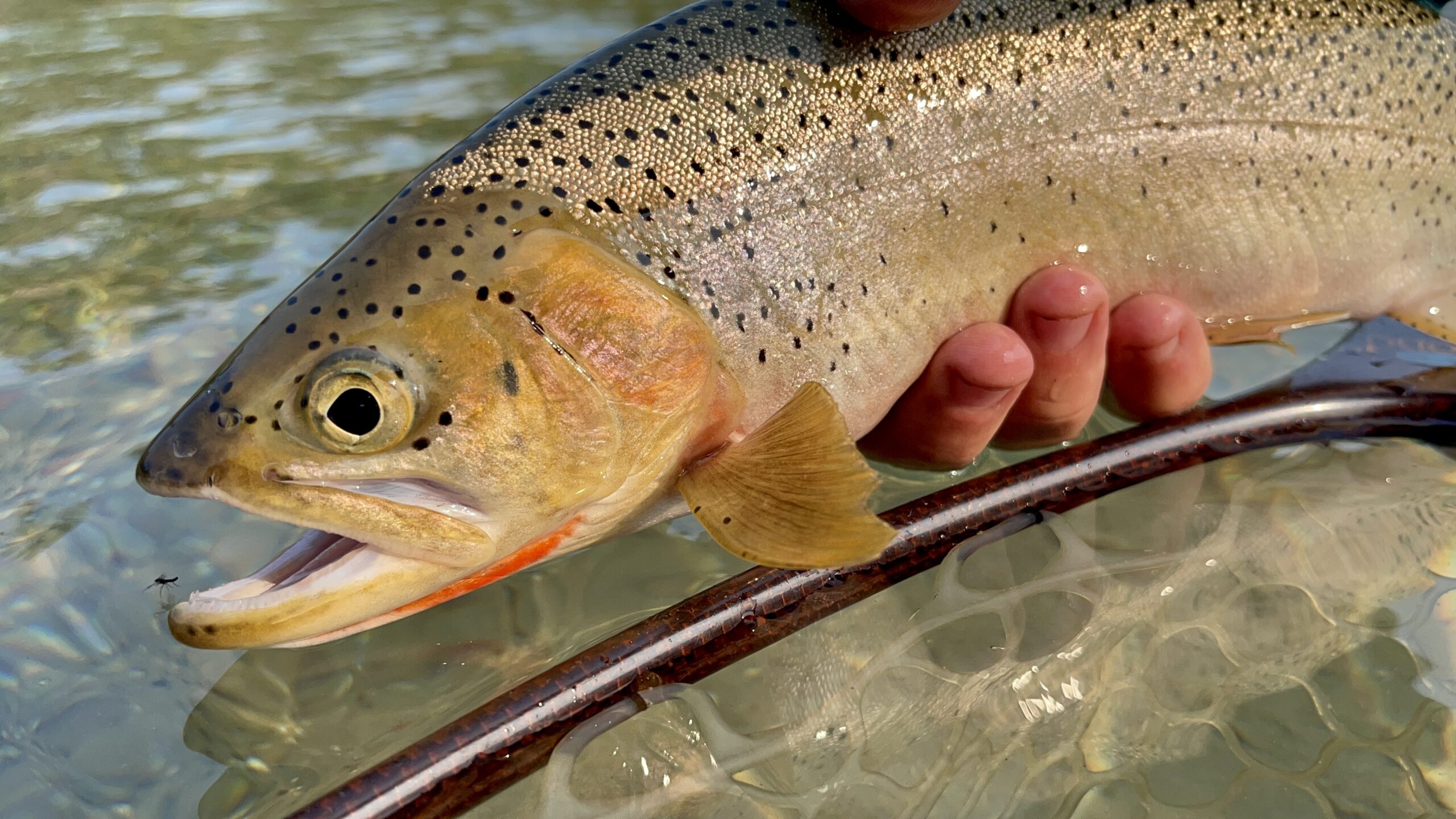
What Makes a Good Search Fly? How attractors and imitators solve different problems A good search fly covers water efficiently, draws a response from fish that aren’t actively feeding on something specific, and gives you information about where fish are…
Knowing the Insect Is Only Half the Answer
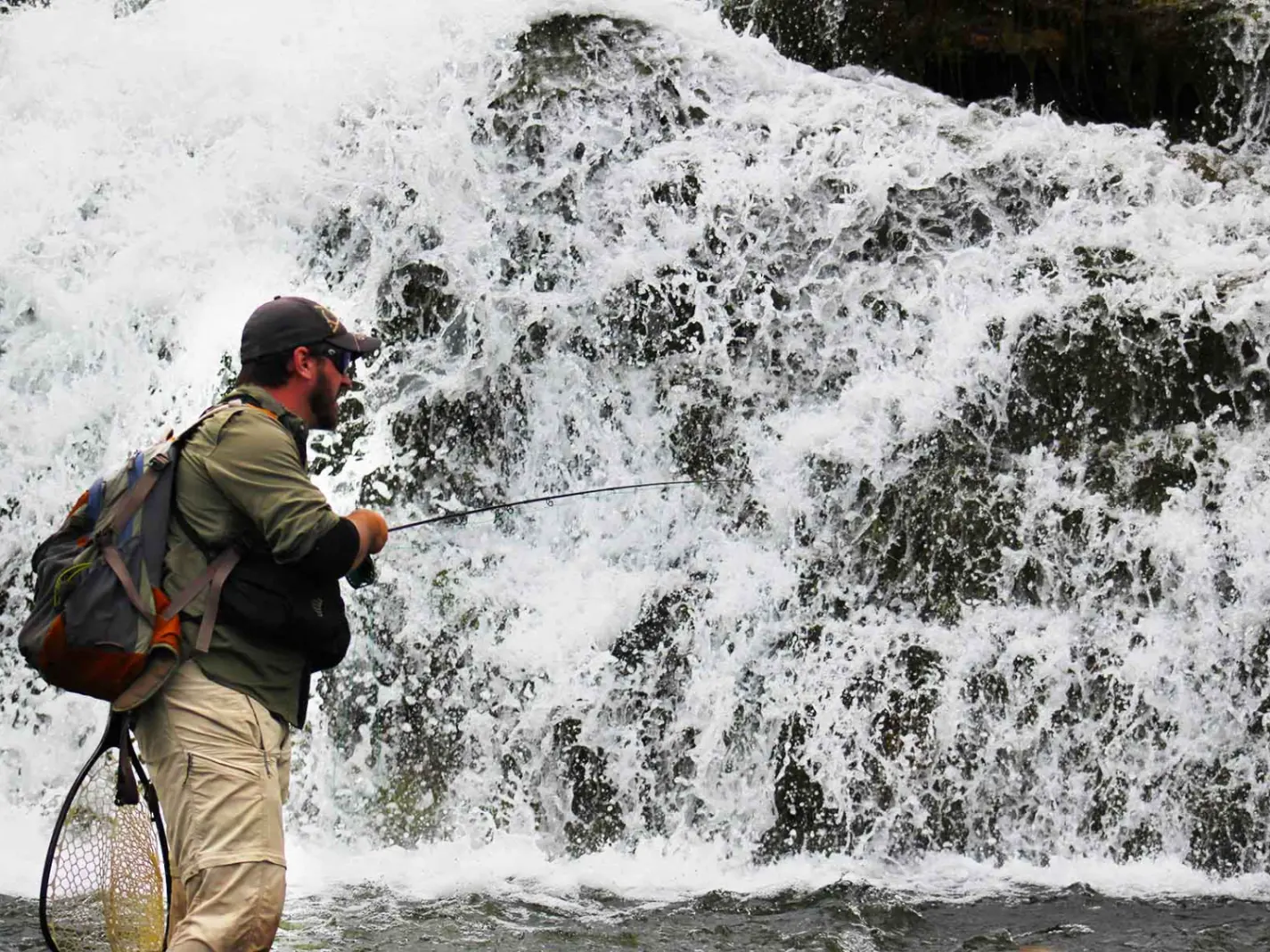
Knowing the Insect Is Only Half the Answer How to choose the right fly variation Knowing the insect name is a good start, but it doesn’t tell you which fly to tie on. A Blue-Winged Olive, for example, exists in four distinct stages: nymph, emerger, dun, and…